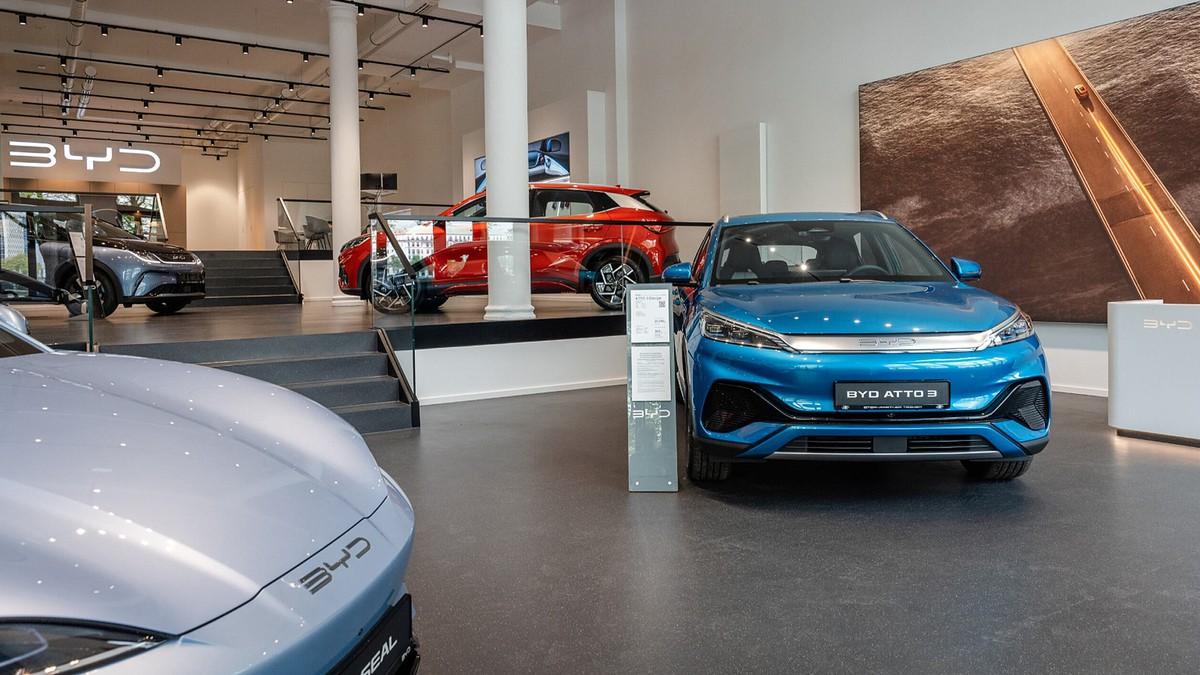
Chinese electric car sales in Europe are hitting record highs, reshaping the global auto industry faster than expected. Chinese automakers like BYD, NIO, and XPeng are expanding aggressively across European markets, offering affordable, high-tech electric vehicles (EVs). This surge is driven by rising fuel costs, strong climate policies, and growing consumer demand for greener transport. Governments across Europe are pushing EV adoption with subsidies and regulations, while Chinese manufacturers bring competitive pricing and innovation.

Why this matters now: The rapid growth of Chinese EVs in Europe signals a major shift in global automotive power. It affects pricing, competition, jobs, and even geopolitical trade relations—especially as Western automakers face increasing pressure to compete.
Chinese EV Makers Are Expanding Faster Than Expected
Chinese automakers are no longer limited to domestic success—they are now serious global competitors. Brands like BYD and NIO have rapidly expanded their presence in countries such as Germany, Norway, the Netherlands, and France. Their strategy focuses on offering feature-rich electric cars at lower prices compared to traditional European brands.
This growth is supported by strong manufacturing capabilities in China, where economies of scale allow companies to produce EVs more efficiently. As a result, Chinese EVs often come with advanced battery technology, longer driving ranges, and modern interiors at a price point that appeals to middle-class buyers across Europe.
Competitive Pricing Is Driving Consumer Interest
One of the biggest reasons behind the surge in Chinese electric car sales is pricing. European consumers are facing high inflation and rising living costs, making affordability a key factor in purchasing decisions. Chinese EV brands are capitalizing on this by offering vehicles that are often 20–30% cheaper than comparable European models.
At the same time, these vehicles do not compromise on quality. Many Chinese EVs include premium features such as smart infotainment systems, autonomous driving capabilities, and high safety standards. This combination of affordability and innovation is attracting first-time EV buyers as well as those switching from traditional fuel-powered cars.
Europe’s Green Policies Are Accelerating EV Adoption
European governments are playing a crucial role in boosting electric vehicle adoption. Strict emissions targets, bans on new petrol and diesel cars in the coming years, and generous subsidies for EV buyers are pushing consumers toward electric mobility.

Countries like Norway have already achieved high EV adoption rates, while others like Germany and the UK are rapidly catching up. Chinese automakers are entering these markets at the right time, aligning their growth strategies with Europe’s long-term climate goals.
In addition, investments in EV charging infrastructure are making electric vehicles more practical for everyday use. This reduces “range anxiety” and further encourages buyers to choose electric options.
European Automakers Face Rising Competition
The rise of Chinese EV brands is creating intense competition for established European automakers such as Volkswagen, BMW, and Renault. While these companies have strong brand recognition and engineering expertise, they are now under pressure to accelerate their EV transition.
Many European manufacturers are investing billions into electric vehicle development, but they still face challenges such as higher production costs and slower innovation cycles. Chinese companies, on the other hand, benefit from vertically integrated supply chains, especially in battery production, which gives them a significant advantage.
This competition is expected to drive innovation across the industry, ultimately benefiting consumers through better products and lower prices.
Trade Tensions and Regulatory Challenges May Grow
The rapid growth of Chinese EVs in Europe is not without controversy. European policymakers are increasingly concerned about the impact on local industries and jobs. There are discussions about imposing tariffs or stricter regulations on imported electric vehicles to protect domestic manufacturers.
At the same time, trade relations between Europe and China could become more complex. Governments must balance the need for affordable EVs and climate goals with the protection of their own automotive sectors.
Despite these challenges, many experts believe that competition will remain strong, and Chinese automakers will continue to expand their footprint in Europe.
Future Outlook: A Global Shift in the EV Market

The surge in Chinese electric car sales in Europe is just the beginning of a larger global trend. As technology improves and production scales up, electric vehicles are expected to dominate the automotive market in the coming decades.
Chinese automakers are likely to expand further into other regions, including the United States and emerging markets. Meanwhile, European and American companies will need to innovate faster to stay competitive.
For consumers, this shift means more choices, better technology, and lower prices. For the global economy, it represents a significant transformation in how vehicles are designed, produced, and sold.
Subscribe to trusted news sites like USnewsSphere.com for continuous updates.