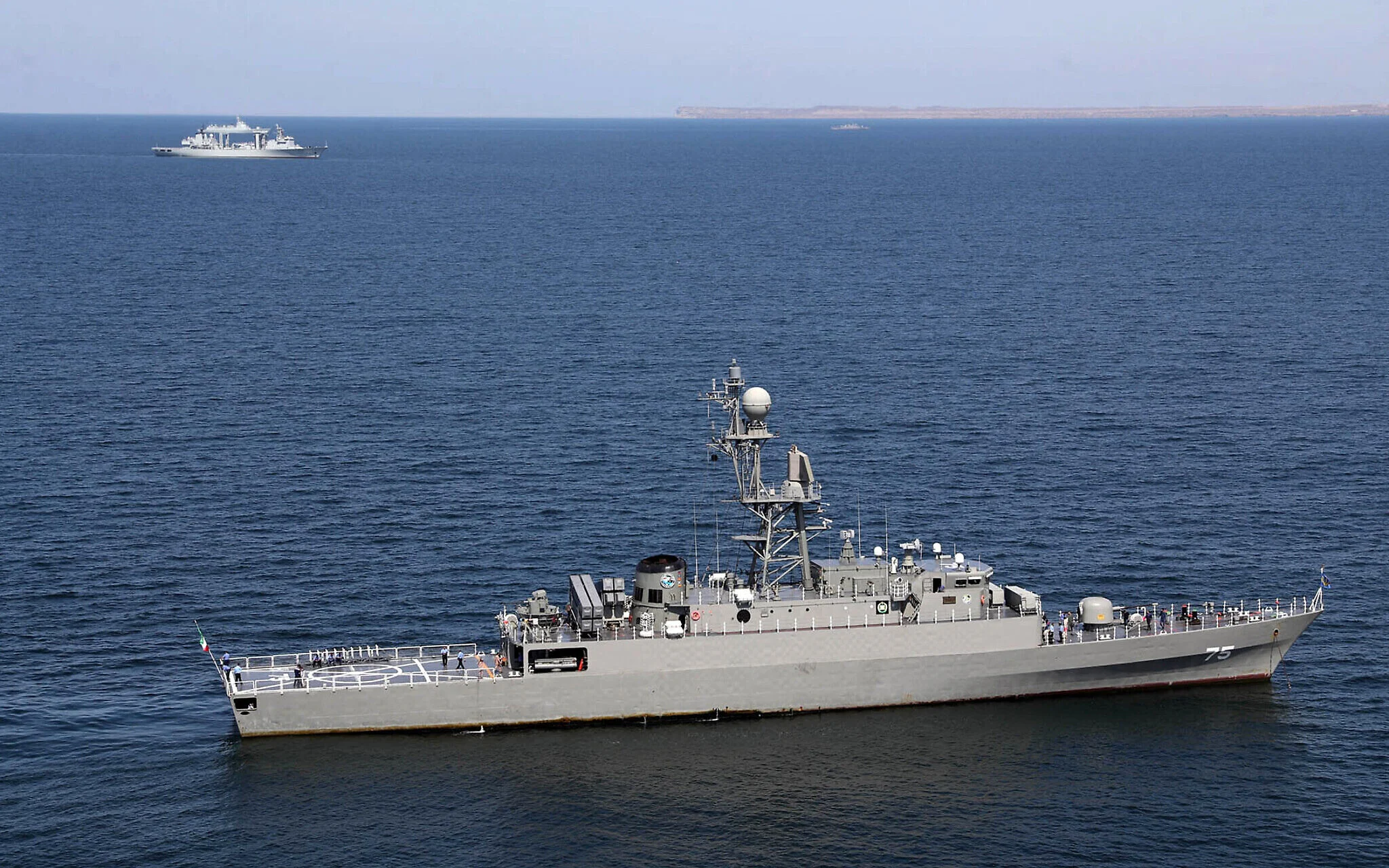
US sinks Iranian warship near Sri Lanka after a sudden naval confrontation in the Indian Ocean, leaving dozens dead, survivors rescued, and global tensions rising. The incident happened near Sri Lanka’s maritime zone, where a U.S. submarine reportedly struck the Iranian naval vessel IRIS Dena during a rapidly escalating standoff. Sri Lankan naval patrols later discovered oil slicks, life rafts, and bodies drifting across the water while rescue teams pulled injured sailors from the sea.
This event is significant because it marks one of the most serious direct naval confrontations between the United States and Iran in recent years. Analysts say the clash could reshape maritime security across the Indian Ocean and the Middle East. Governments and energy markets worldwide are closely watching the attack, the survivors’ rescue, and the geopolitical consequences.
A Sudden Naval Confrontation in the Indian Ocean
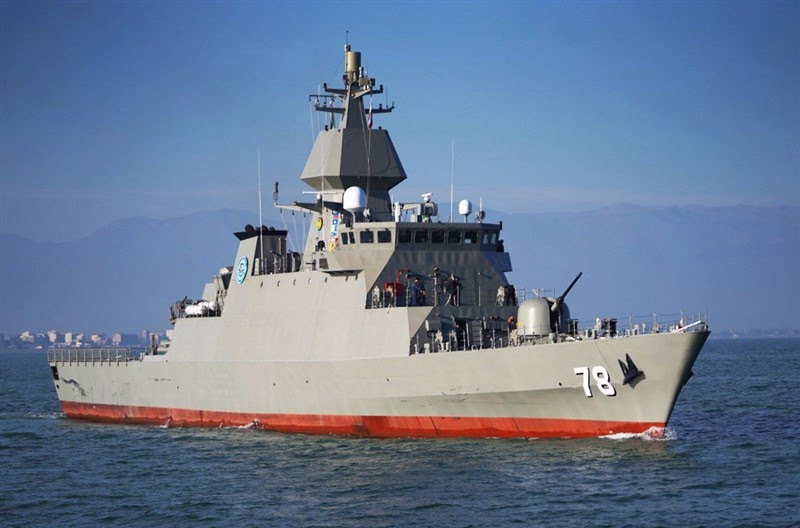
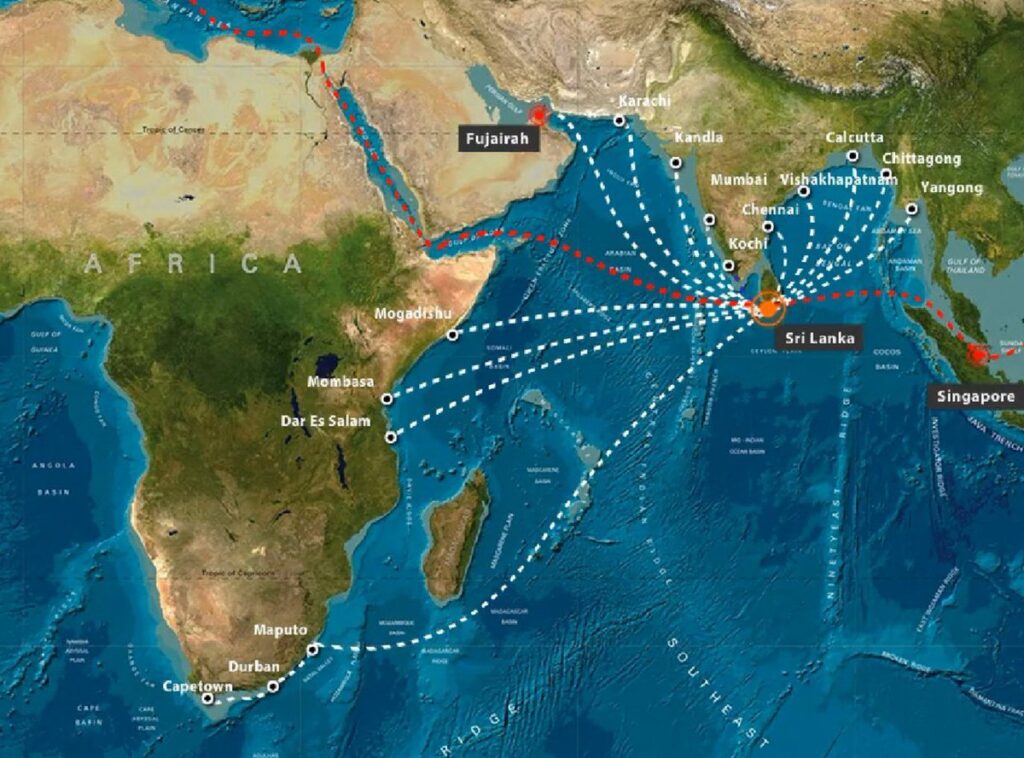
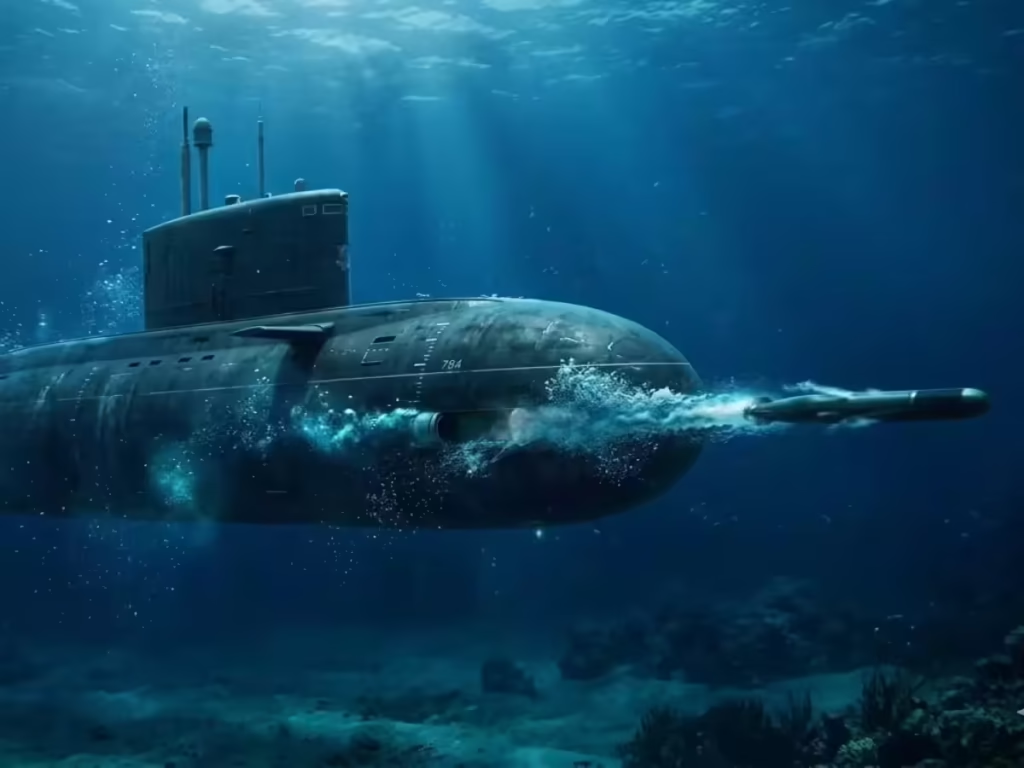
The confrontation occurred in waters not far from Sri Lanka’s southern maritime boundary, a region that lies along critical global shipping routes connecting the Middle East and Asia. According to early reports from regional authorities and defense officials, a U.S. submarine engaged the Iranian warship IRIS Dena, one of Iran’s advanced frigates used for long-range naval operations.
Shortly after the strike, Sri Lankan naval patrols responding to distress signals found a large oil slick stretching across the ocean surface. Debris, life rafts, and bodies were scattered across the area, suggesting the vessel suffered severe structural damage. Rescue teams began searching the waters immediately, pulling multiple injured Iranian sailors from the sea and transferring them to hospitals in Sri Lanka for treatment.
Survivors Rescued and Treated in Sri Lankan Hospitals
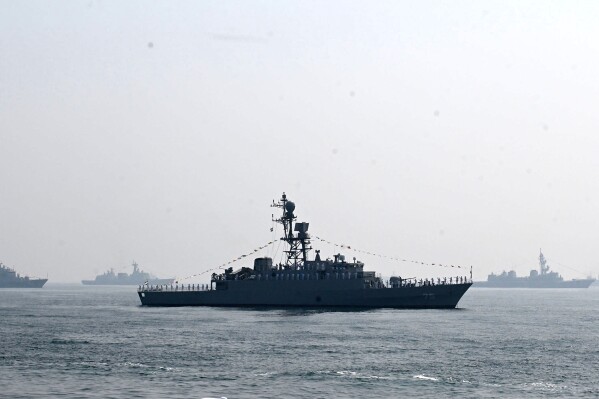
Sri Lankan authorities confirmed that several Iranian sailors survived the attack and were transported to hospitals along the island’s southern coast. Medical officials reported that the survivors suffered injuries ranging from burns to fractures and hypothermia after spending hours drifting in the ocean.
Local fishermen and Sri Lankan navy patrol boats helped locate survivors in life rafts and floating debris fields. Witnesses described chaotic scenes in the water, with injured sailors clinging to wreckage while oil spread across the surface. Medical teams worked through the night to stabilize the survivors, and officials said some of the rescued sailors are expected to recover.
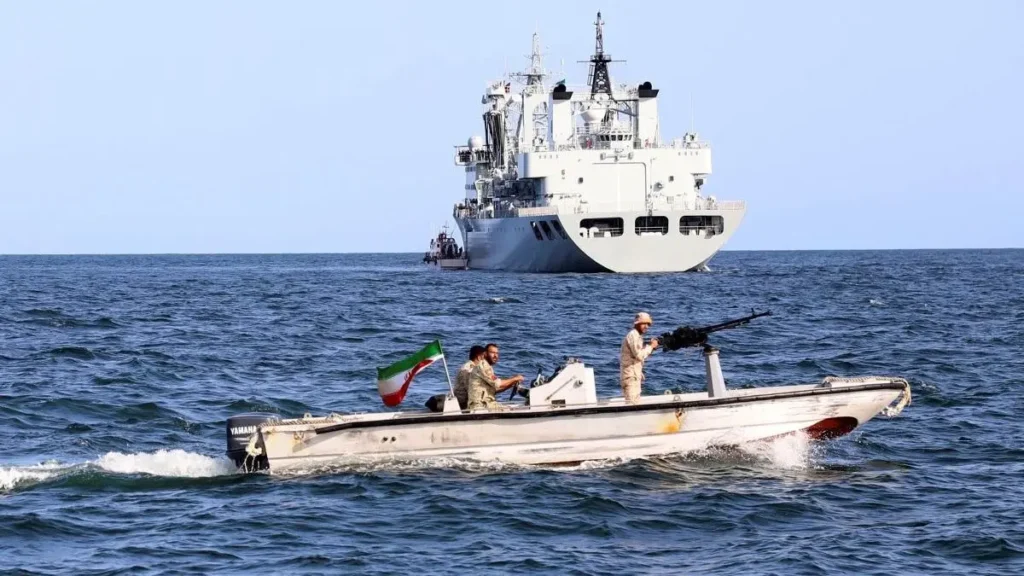
The Sri Lankan government has maintained that it is focusing on humanitarian assistance while avoiding involvement in the broader geopolitical dispute.
What Happened to the Iranian Warship IRIS Dena
The IRIS Dena is a domestically built Iranian frigate commissioned into Iran’s navy in recent years. The ship was designed to conduct long-distance deployments and escort missions, making it one of the more capable vessels in Iran’s fleet.
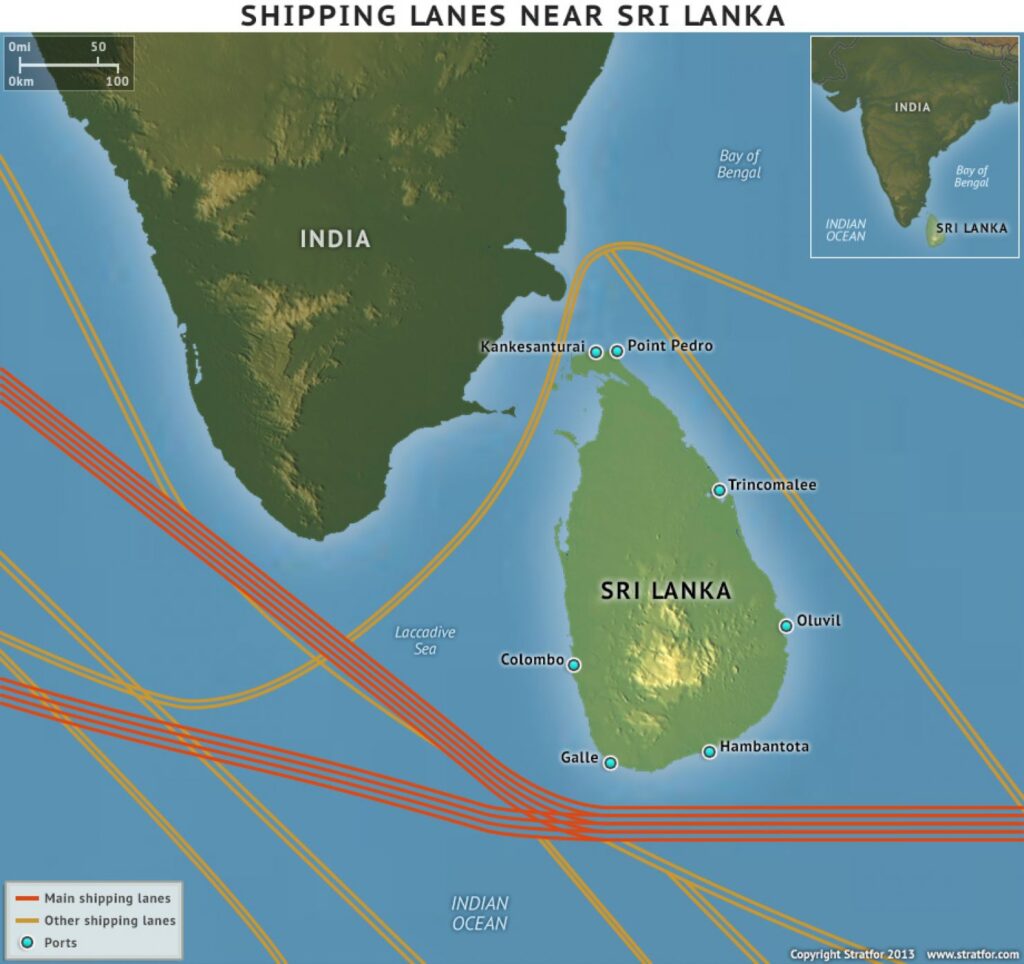
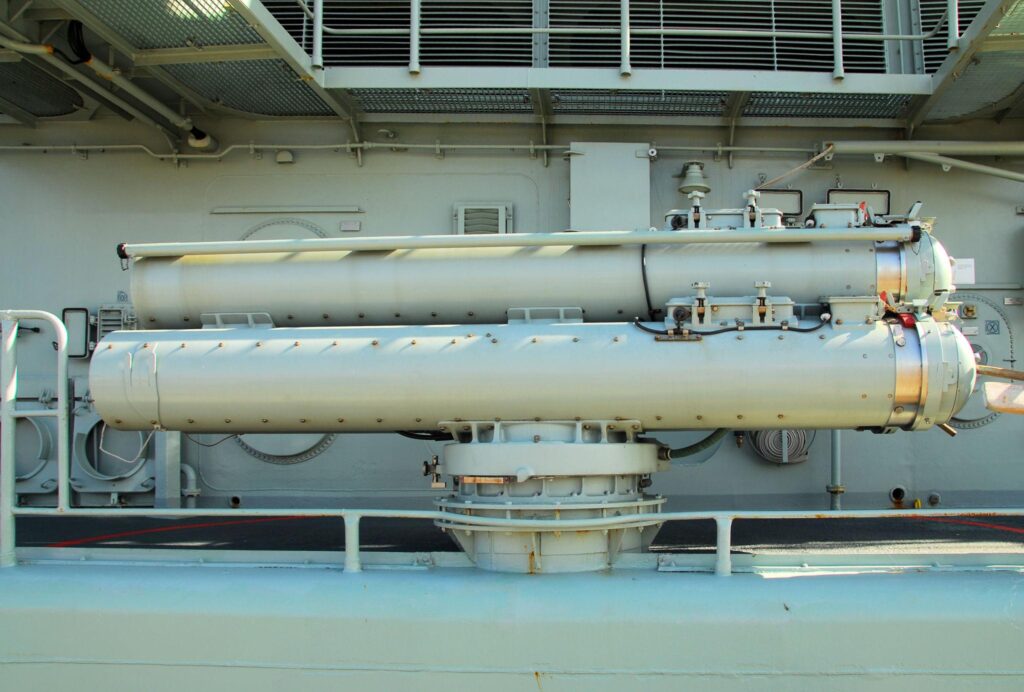
Defense analysts say the vessel carried advanced radar systems, anti-ship missiles, and torpedoes, allowing it to operate far from Iran’s coastline. Its presence in the Indian Ocean reflected Iran’s growing effort to expand naval influence beyond the Persian Gulf.
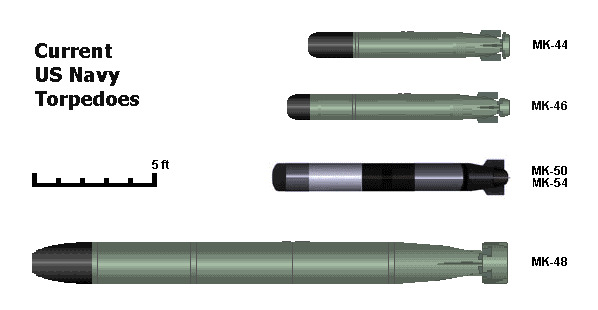
However, once struck by a submarine attack, surface warships like the IRIS Dena become extremely vulnerable. Torpedoes can cause catastrophic flooding and structural failure within minutes. Based on eyewitness accounts and debris patterns, experts believe the ship sank quickly after the strike.
Why This Incident Matters Now
This confrontation matters now because it could escalate already tense relations between the United States and Iran. Direct naval engagements between the two countries are rare, and when they occur, they often trigger diplomatic crises and military alerts across the region.
The Indian Ocean is a critical corridor for global trade and energy transport. Oil tankers traveling from the Persian Gulf to Asia frequently pass near Sri Lanka. Any escalation of naval conflict in this area could disrupt shipping routes, increase insurance costs for vessels, and push oil prices higher in global markets.
Financial markets reacted quickly to the news, with energy analysts warning that instability near key shipping lanes can create ripple effects across international trade. If tensions rise further, naval patrols and military deployments in the region may increase significantly.
Global Reactions and Possible Next Steps
Governments around the world are monitoring the situation closely as more details emerge. Diplomatic channels between regional powers have reportedly been activated to prevent further escalation. Sri Lanka, positioned geographically near the incident, has emphasized neutrality while focusing on rescue and humanitarian operations.
Security experts say the next steps could include investigations, diplomatic protests, and increased naval patrols in the region. International observers will also watch how Iran responds to the loss of one of its naval vessels and whether tensions spread beyond the immediate maritime area.
For global shipping companies and energy markets, the key concern is stability. The Indian Ocean plays a central role in international trade, and any military escalation could affect supply chains that connect Asia, the Middle East, Europe, and the United States.
The Bigger Picture for Maritime Security
The sinking of the Iranian warship highlights the growing militarization of key maritime routes around the world. As global powers compete for strategic influence, naval deployments are increasing across regions such as the Persian Gulf, the South China Sea, and the Indian Ocean.
Experts believe future conflicts may increasingly occur at sea, where submarines, drones, and advanced surveillance systems can rapidly escalate confrontations. The incident near Sri Lanka demonstrates how quickly a regional encounter can turn into an international crisis.
As investigations continue and governments assess the fallout, the event will likely shape discussions about maritime security, naval strategy, and diplomatic engagement in the months ahead.
Subscribe to trusted news sites like USnewsSphere.com for continuous updates.