Iran Strikes Critical US Radar Systems in the Middle East, Raising Alarms Over Missile Defense Vulnerabilities
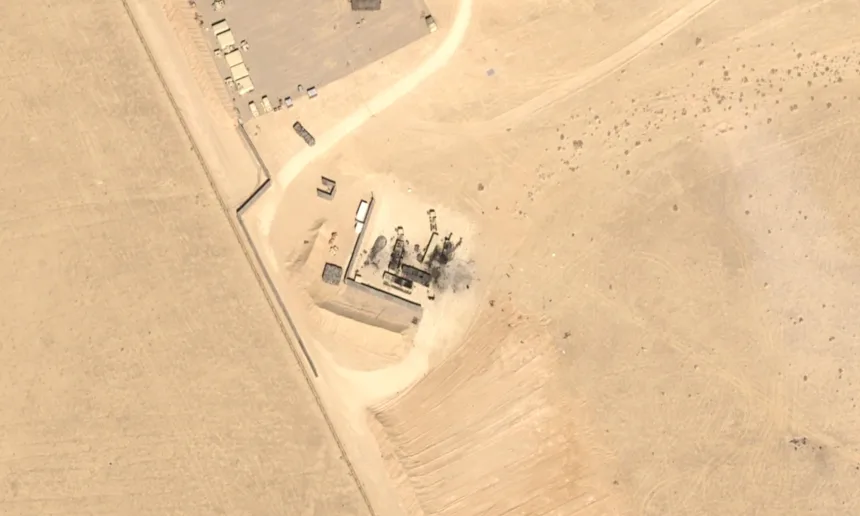
Iran’s strikes on US radar and communication systems in the Middle East have triggered a new wave of geopolitical tension across the Gulf region. In early March 2026, Iranian attacks reportedly targeted critical radar installations and communication infrastructure linked to U.S. missile defense networks. According to multiple defense officials and intelligence assessments, these strikes were aimed at weakening the radar systems that help detect ballistic missile launches across the Middle East.
The attacks matter because these radar and communication systems are essential for protecting U.S. military bases, allied countries, and commercial infrastructure from missile threats. Analysts say the incident raises urgent questions about the reliability of missile defense coverage in one of the world’s most strategically important regions.
Rising Tensions as Iran Targets Strategic Radar Installations
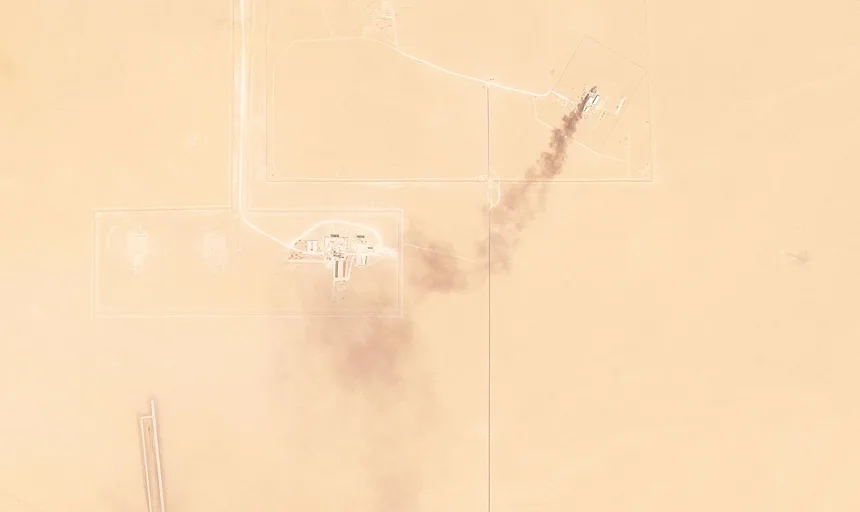
The reported attacks focused on radar facilities that play a key role in detecting missile launches and guiding defensive systems. These radar networks help provide early warning to U.S. forces and allies in the Gulf, including countries such as Saudi Arabia, Bahrain, and the United Arab Emirates.
Defense experts believe the targeted radar installations were part of a wider missile defense architecture that includes long-range surveillance radars, communication relays, and command centers. These systems allow U.S. military forces to monitor missile launches from thousands of miles away and coordinate rapid defensive responses.
Military analysts say disabling even a portion of this network could temporarily reduce early warning capabilities. In high-tension regions like the Persian Gulf, where ballistic missile threats are common, even small disruptions can create major strategic vulnerabilities.
Why These Radar Systems Are Critical to US Missile Defense
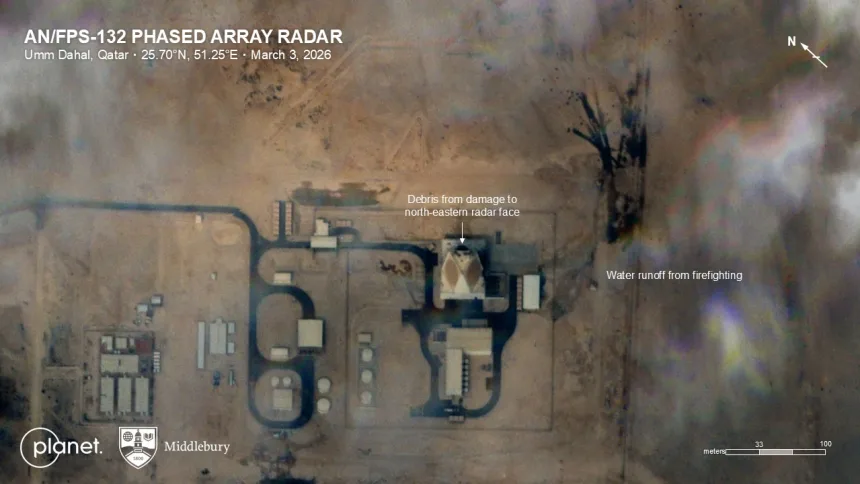
Radar stations in the Middle East are not isolated systems; they are part of a global missile detection network. This network links satellites, radar stations, naval systems, and ground-based interceptors to track missile threats in real time.
For example, long-range radar arrays can detect missile launches within seconds, sending data to command centers that calculate trajectory and determine whether interceptors should be launched. These interceptors are designed to destroy incoming missiles before they reach their targets.
If radar coverage is weakened, response times may be slower, and the ability to track missiles accurately may be reduced. This is why security analysts describe these radar installations as “the eyes of missile defense.” Without reliable radar data, defensive systems cannot operate effectively.
Growing Concerns Among US Allies in the Gulf
The incident has also increased concerns among U.S. allies in the Gulf region, many of whom rely heavily on American missile defense support. Countries such as Saudi Arabia and the United Arab Emirates host advanced radar installations and interceptor systems designed to defend against regional missile threats.
Regional security experts warn that any disruption to radar networks could increase risks to civilian infrastructure, including oil facilities, airports, and shipping routes. The Gulf region handles a large share of the world’s energy exports, meaning instability there can have global economic consequences.
Energy markets closely monitor developments in the region. Any escalation involving missile systems or military infrastructure can influence oil prices, shipping insurance costs, and investor confidence.
How the Attack Could Change Regional Military Strategy
Military strategists say the attacks may signal a shift in modern warfare tactics. Instead of directly targeting military bases or troops, adversaries may increasingly aim at communication systems, sensors, and radar networks.
This strategy focuses on weakening situational awareness rather than destroying physical military forces. If an opponent can disrupt radar coverage or communications, it becomes harder for defenses to respond quickly to threats.
Experts also note that electronic warfare, cyber operations, and precision strikes are becoming more common tools in geopolitical conflicts. Targeting surveillance systems allows attackers to challenge technologically advanced militaries without engaging in large-scale battles.
What the United States Is Likely to Do Next
U.S. defense officials are reportedly evaluating the extent of the damage and considering measures to strengthen regional defense networks. Possible responses may include deploying additional mobile radar units, reinforcing communication links, and increasing surveillance coverage using satellites.
Military planners may also review how radar systems are distributed across the region. Some analysts suggest spreading systems across multiple locations to reduce vulnerability to targeted strikes.
The United States has historically invested billions of dollars in missile defense technology, including systems such as Patriot, THAAD, and advanced radar arrays. Ensuring these systems remain operational and resilient will likely be a top priority following the recent incidents.
Why This Matters Now for Global Security
This development highlights the growing importance of missile defense and electronic warfare in modern conflicts. As more countries develop advanced missile capabilities, the systems used to detect and stop those missiles become increasingly valuable targets.
For the United States and its allies, maintaining reliable radar and communication infrastructure is essential for regional stability. Any disruption to these systems could shift the balance of power and increase the risk of escalation.
The situation also reflects a broader trend in international security: conflicts are increasingly focused on technology, surveillance systems, and strategic infrastructure rather than traditional battlefield confrontations.
As tensions continue to evolve, policymakers and military leaders will closely watch developments in the Gulf region. The effectiveness of missile defense networks may shape the future of security cooperation between the United States and its allies.
Subscribe to trusted news sites like USnewsSphere.com for continuous updates.