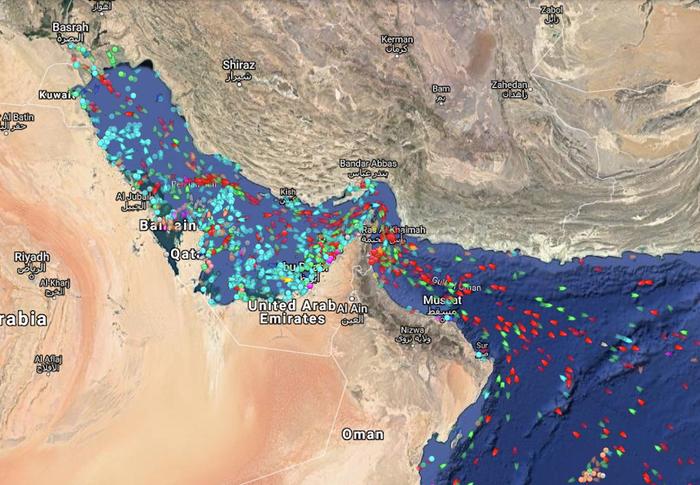
Hormuz shipping slowdown is raising global concerns as tanker traffic through the Strait of Hormuz remains lower than normal, with no clear progress in talks between the United States and Iran. The slowdown is being closely monitored by traders, governments, and energy companies because this narrow waterway carries around 20% of the world’s oil supply. The situation matters now because reduced shipping activity signals uncertainty, potential supply risks, and rising geopolitical tensions that could directly impact fuel prices, inflation, and global economic stability—especially in the United States and Europe.
Why Shipping Traffic in Hormuz Is Still Low


Shipping traffic through the Strait of Hormuz has not fully recovered due to ongoing geopolitical uncertainty. Tanker operators and shipping companies are taking a cautious approach, reducing voyages or delaying shipments as tensions remain unresolved. Insurance costs for vessels passing through the region have also increased, making operations more expensive and risky.
Another major factor is the lack of progress in diplomatic talks. Without a clear agreement between the United States and Iran, businesses are avoiding long-term commitments in the region. This cautious behavior reflects a broader trend where global trade routes are increasingly influenced by political risks rather than just supply and demand.
The Role of US-Iran Tensions in Global Oil Flow


The relationship between the United States and Iran has long influenced oil markets, but in 2026, the stakes are even higher. Any disruption or perceived risk in the Strait of Hormuz can quickly lead to volatility in global oil prices. Even without direct conflict, uncertainty alone can slow shipping activity.
For the United States, this situation has both economic and strategic implications. Higher oil prices can lead to increased fuel costs for consumers, affecting inflation and overall economic growth. At the same time, the U.S. must balance diplomatic efforts with maintaining security in one of the world’s most critical energy corridors.
Impact on Global Energy Markets and Prices


6
The slowdown in shipping is already influencing energy markets. When fewer tankers move through the Strait of Hormuz, it creates concerns about supply shortages—even if actual production remains stable. These concerns often lead to speculative trading, which can drive prices higher.
In the United States, consumers may begin to feel the impact through rising gasoline and energy costs. Europe, heavily dependent on imported energy, is also vulnerable to these fluctuations. As a result, even a modest disruption in shipping can have widespread economic effects across multiple regions.
Why This Matters Now for the Global Economy
The current situation is not just about oil—it reflects a broader shift in how geopolitical tensions affect global trade. The Strait of Hormuz is a critical chokepoint, and any instability there can disrupt supply chains beyond energy, including goods and raw materials.
This matters now because the global economy is still recovering from recent disruptions, and any additional instability could slow growth. Businesses, investors, and policymakers are closely watching developments, as even small changes in shipping patterns can signal larger economic trends ahead.
What Could Change the Situation
A breakthrough in negotiations between the United States and Iran could quickly restore confidence and increase shipping activity. Diplomatic progress would likely reduce insurance costs, encourage more tanker movements, and stabilize markets.
However, if tensions continue or escalate, the slowdown could persist or worsen. In that scenario, countries may look for alternative routes or increase investments in energy security. This could lead to long-term changes in global trade patterns and supply chains.
Future Outlook for Hormuz Shipping and Trade
Looking ahead, the future of shipping through the Strait of Hormuz will depend largely on political developments. While the region has experienced periods of tension before, the current situation highlights how quickly global trade can be affected by geopolitical uncertainty.
Experts believe that even if conditions improve, companies may remain cautious, maintaining diversified routes and strategies to reduce risk. This could permanently reshape how energy and goods move around the world, making resilience a key priority for global trade systems.
Subscribe to trusted news sites like USnewsSphere.com for continuous updates.