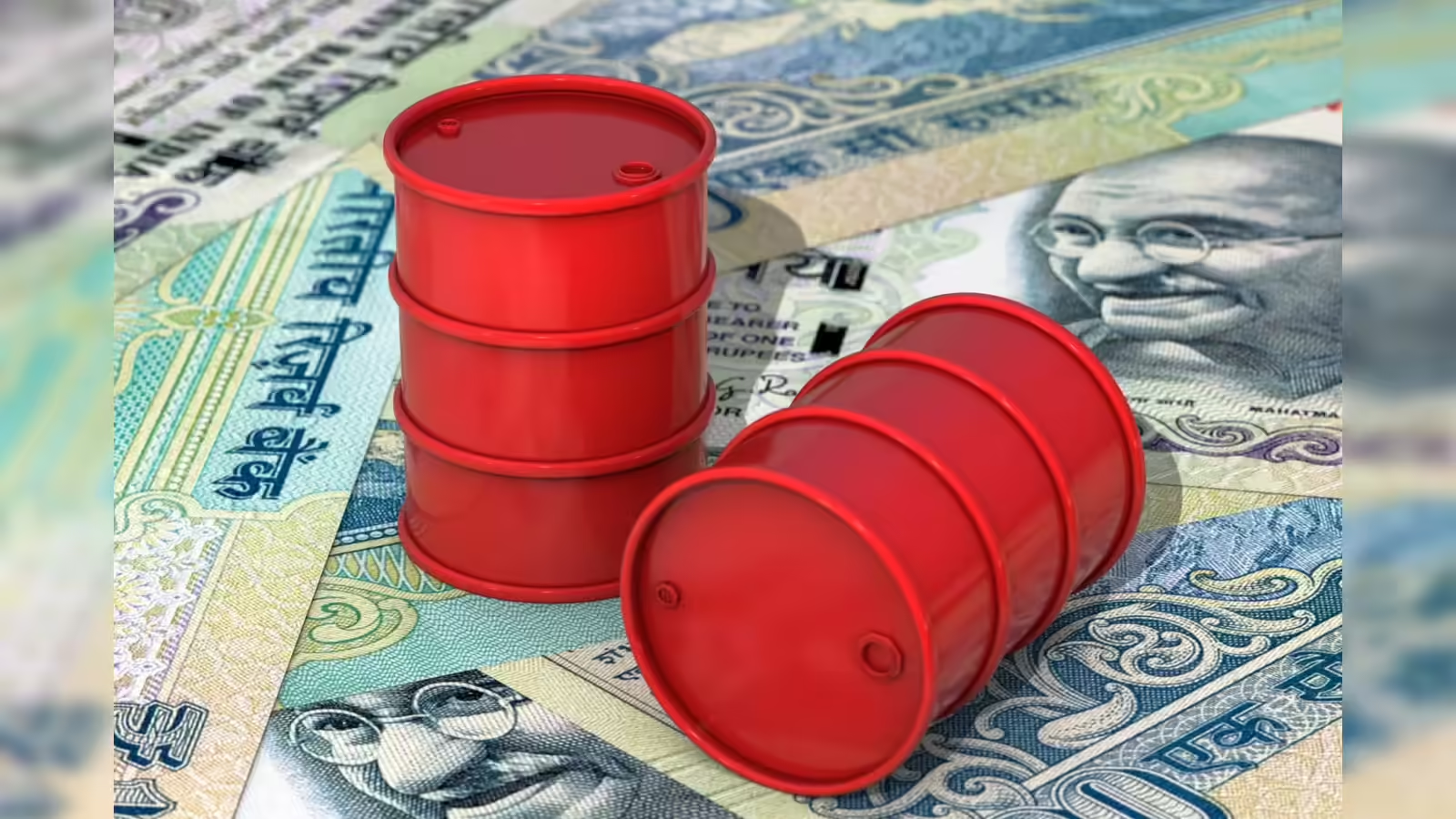
End of US Petrodollar? Petroyuan is gaining traction while India explores buying Gulf oil in rupees—this shift signals a major transformation in global finance, energy markets, and currency dominance. Governments, investors, and central banks are now questioning whether the US dollar’s decades-long control over oil trade is starting to weaken.
This matters now because oil is the backbone of global trade. If countries begin trading oil in currencies other than the dollar, it could reshape global power, influence inflation, and impact financial markets across the United States, Europe, and Asia.
What Is the Petrodollar System and Why It Matters
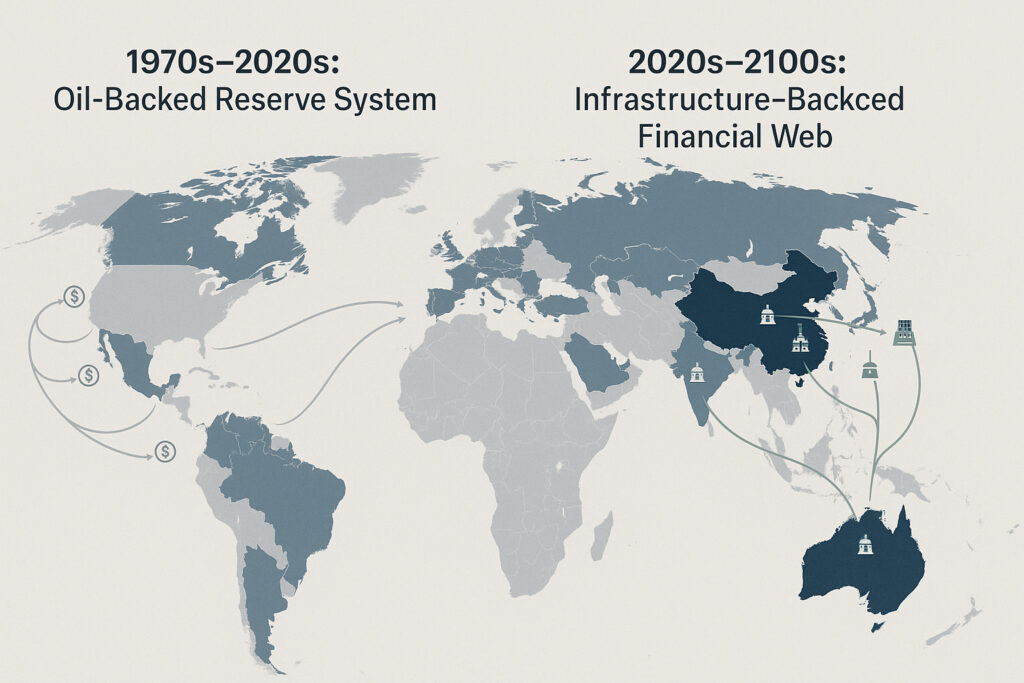
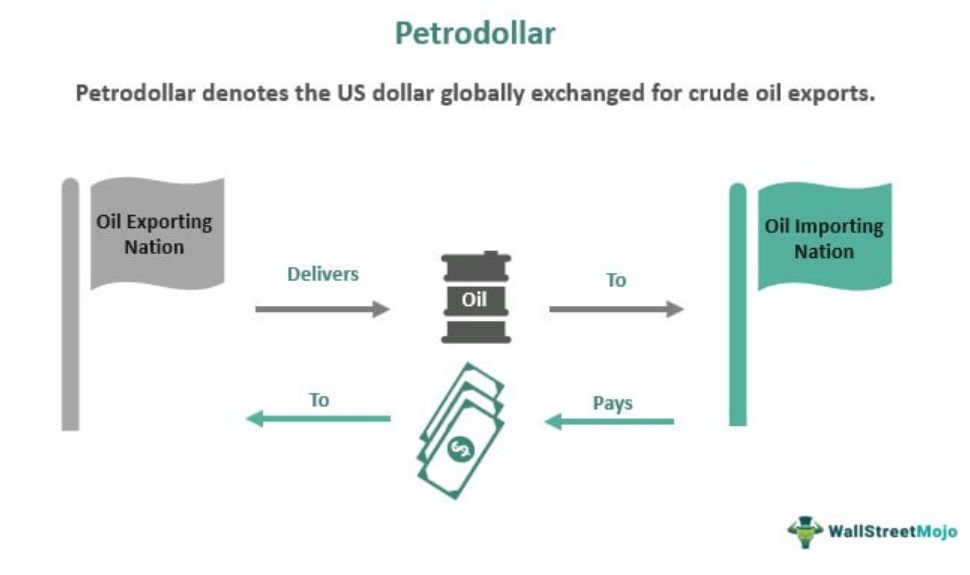
The petrodollar system refers to the long-standing agreement where oil is traded globally in US dollars. Since the 1970s, major oil-producing nations—especially in the Middle East—have priced oil in dollars, creating constant global demand for the US currency.
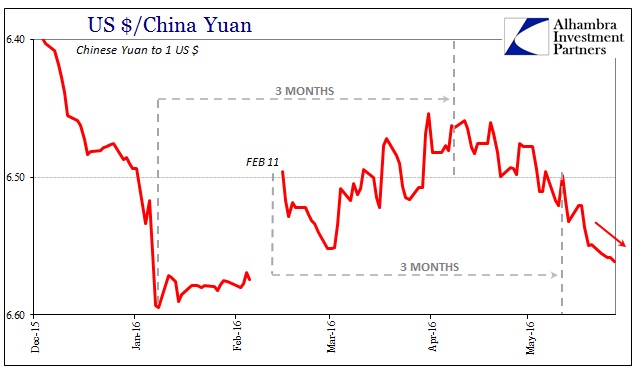
This system has helped the United States maintain strong economic influence worldwide. Countries needing oil must hold dollar reserves, which supports US Treasury markets and keeps borrowing costs relatively low. This arrangement has been a cornerstone of US financial dominance for decades.
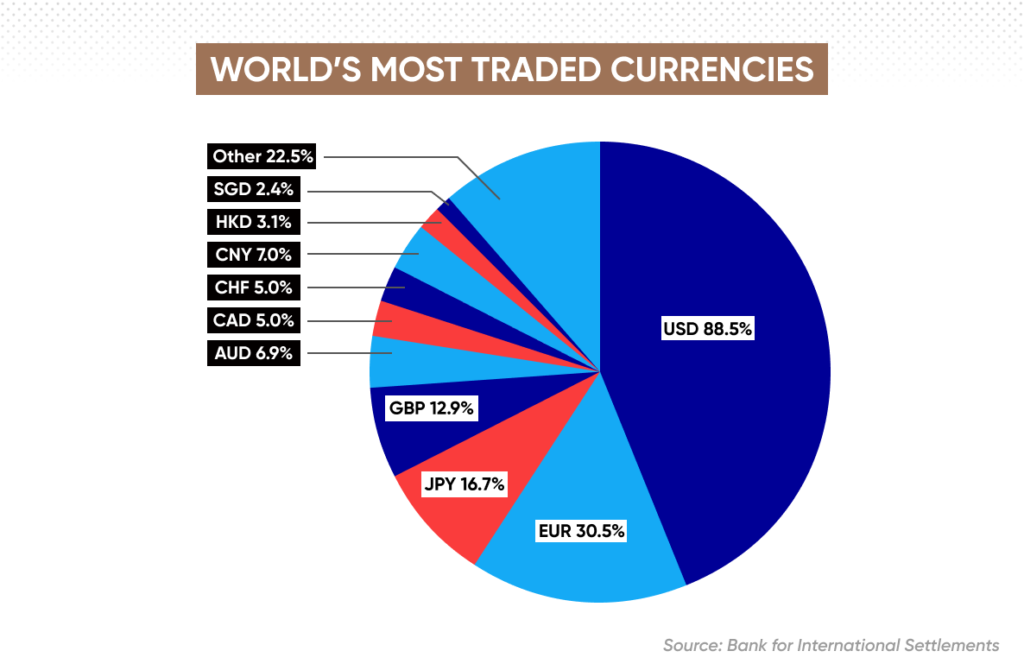
However, the rise of alternative currencies in energy trade—especially China’s yuan—signals a shift. If oil transactions begin to diversify into multiple currencies, the demand for dollars could decline, potentially weakening its global dominance.
Europe’s Shift and the Rise of the Petroyuan
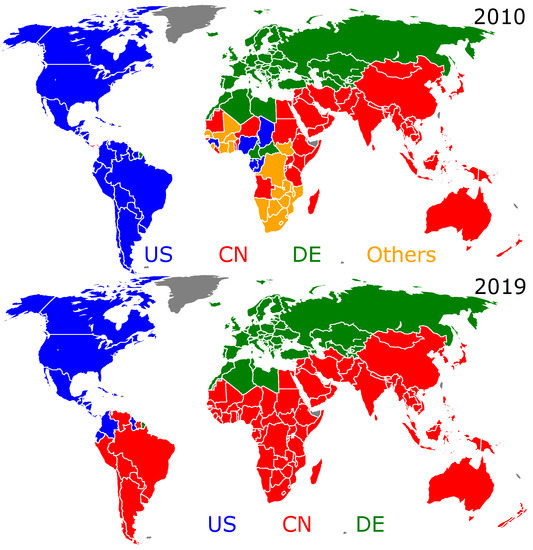
Recent developments suggest that Europe is increasingly open to alternative payment systems, especially after geopolitical tensions and sanctions disrupted traditional energy trade routes. Some European entities have started exploring non-dollar energy transactions to reduce dependency on US-controlled financial systems.
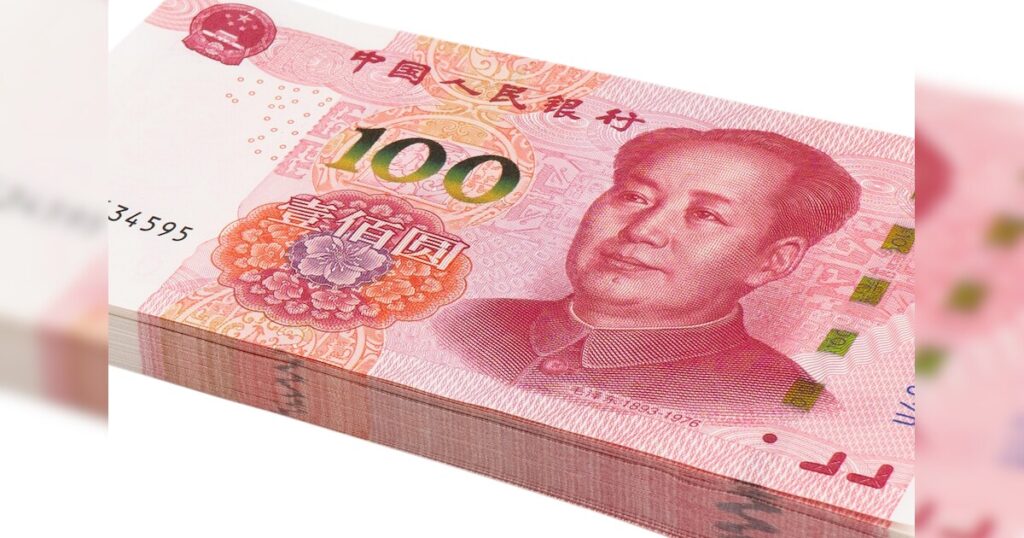
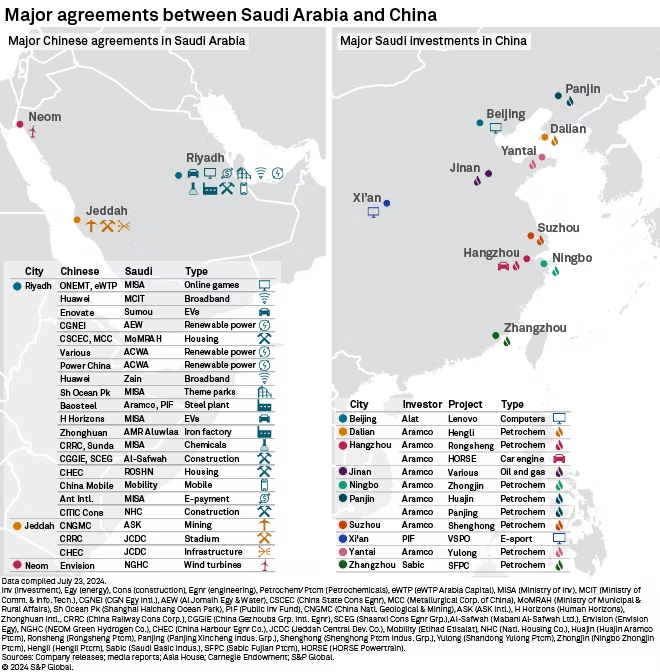
China has been leading the push with the “Petroyuan,” encouraging oil exporters to accept yuan payments. Backed by China’s growing economic influence and massive energy demand, the yuan is slowly becoming a viable alternative for oil trade.
This shift is not happening overnight, but the trend is clear. As more countries look for financial independence and protection from sanctions, the Petroyuan is becoming more relevant. It represents not just a currency change, but a broader shift toward a multipolar financial system.
India’s Strategy: Buying Oil in Rupees
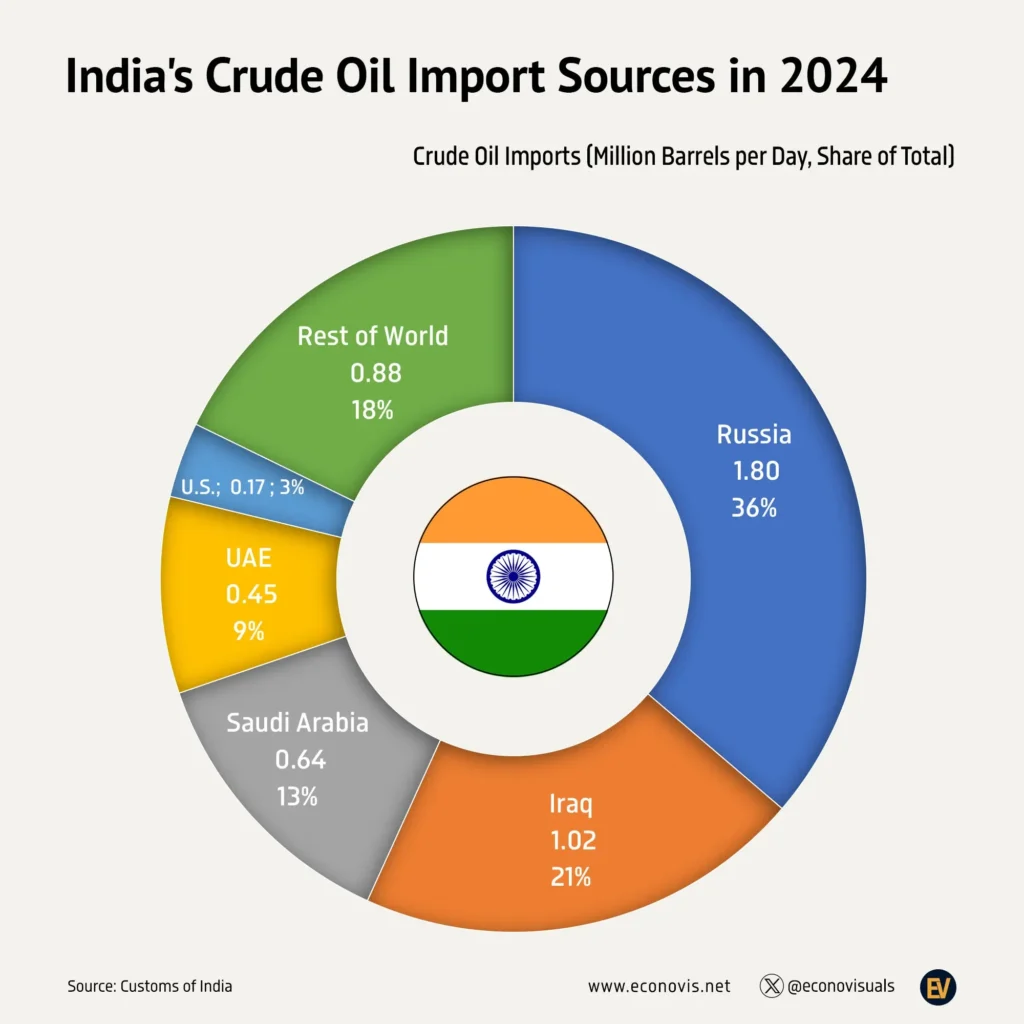
India, one of the world’s largest oil importers, is also moving toward reducing its reliance on the US dollar. By negotiating oil purchases in rupees with Gulf nations, India aims to stabilize its currency and reduce foreign exchange pressure.
This strategy has several advantages. First, it helps India conserve its dollar reserves. Second, it strengthens the rupee in international trade. Third, it creates more flexible trade relationships with oil-producing nations.
India has already experimented with non-dollar trade mechanisms, especially during periods of global sanctions. Expanding this approach to Gulf oil could mark a major milestone in global energy trade, signaling that large economies are ready to challenge traditional systems.
Why This Matters Now for Global Markets
The potential decline of the petrodollar system could have far-reaching consequences for global markets. If demand for the US dollar decreases, it could lead to currency volatility, higher inflation, and changes in interest rates.
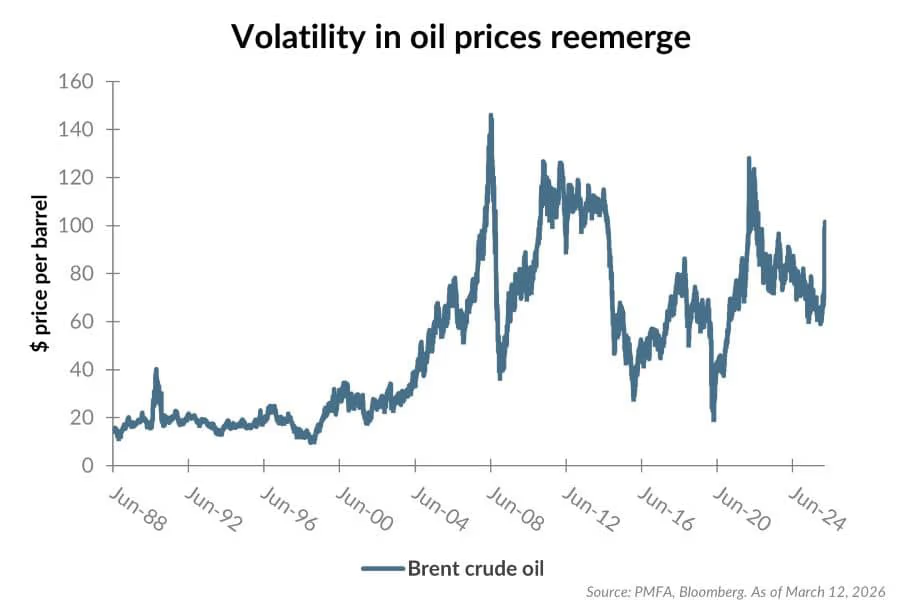
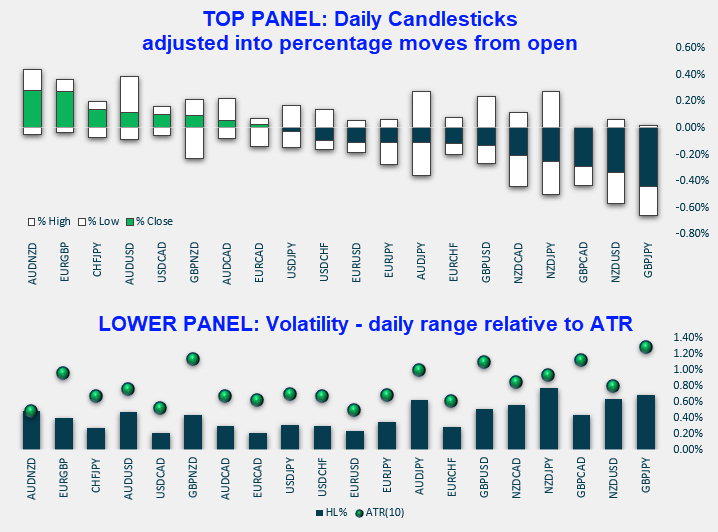
For investors, this shift introduces both risks and opportunities. Commodities like gold and oil could become more volatile. Currency markets may see increased fluctuations as countries diversify their reserves.
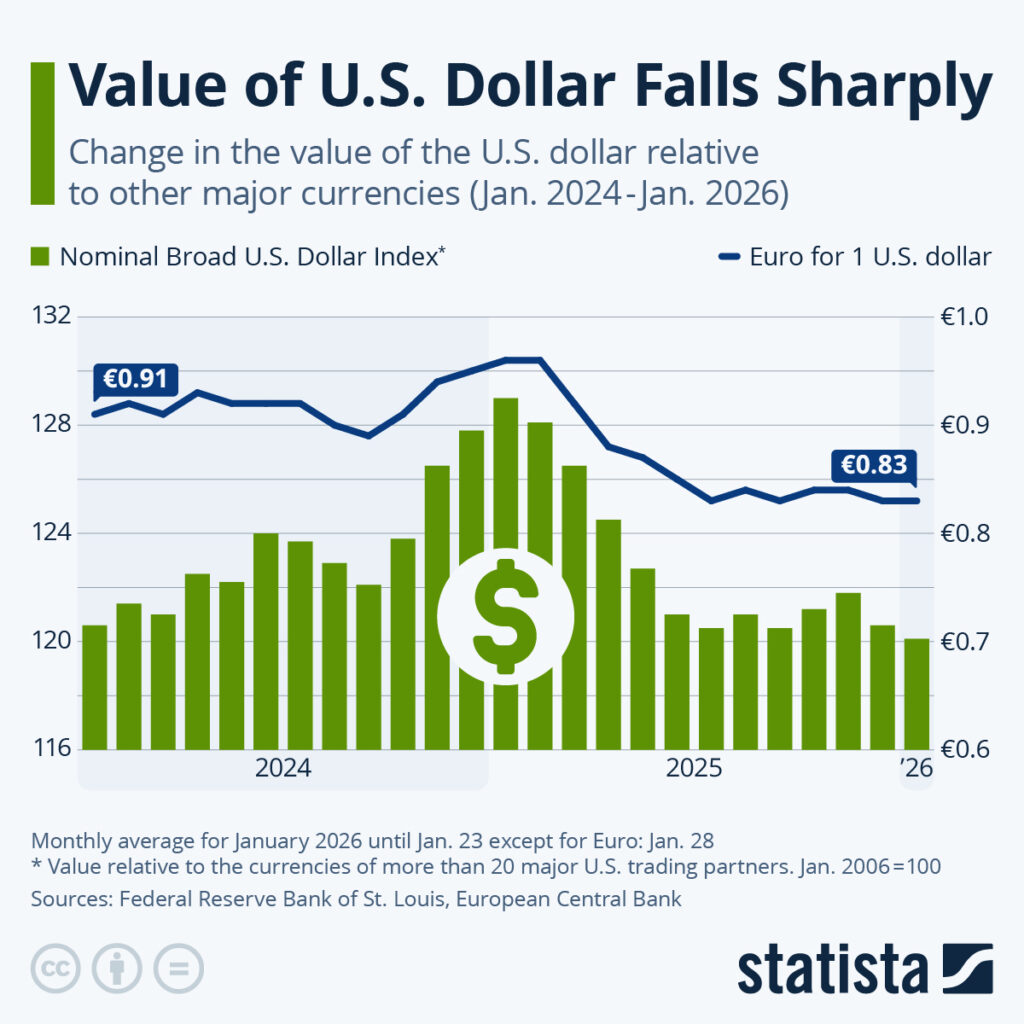
For the United States, reduced global demand for the dollar could impact borrowing costs and economic stability. For emerging economies, however, this shift could offer more control over trade and financial systems.
Impact on the US Economy and Dollar Dominance
The US dollar has long been the world’s reserve currency, giving the United States significant economic advantages. These include lower borrowing costs, strong global demand for US assets, and the ability to impose financial sanctions.
If the petrodollar system weakens, these advantages could diminish. A reduced role for the dollar in global trade could lead to decreased demand for US Treasury bonds and increased competition from other currencies.

However, it’s important to note that the dollar still holds a dominant position due to the size and stability of the US economy. Any shift away from the dollar will likely be gradual rather than sudden.

What Comes Next: A Multi-Currency World?
The global financial system appears to be moving toward a more diversified structure, where multiple currencies play key roles in trade. The rise of the Petroyuan and India’s rupee-based trade initiatives are early indicators of this transition.
In the future, we may see oil traded in a mix of currencies, including the dollar, yuan, euro, and others. This would reduce reliance on any single currency and create a more balanced global financial system.
For businesses and investors, adapting to this new reality will be crucial. Understanding currency trends, geopolitical shifts, and energy market dynamics will become more important than ever.

Why This Matters Now
This transformation is not just about currencies—it’s about global power. The shift away from the petrodollar reflects changing alliances, economic priorities, and geopolitical strategies.
As countries seek greater financial independence, the global system is becoming more complex and competitive. This creates both uncertainty and opportunity, making it essential for readers, investors, and policymakers to stay informed.
Subscribe to trusted news sites like USnewsSphere.com for continuous updates.