Global Trade at Risk: Iran Conflict and Oil Supply Threats Could Disrupt Supply Chains and Raise Costs Worldwide is rapidly becoming one of the most urgent economic concerns in 2026. As geopolitical tensions intensify in the Middle East, global markets are reacting sharply—especially in energy, shipping, and manufacturing sectors that depend heavily on stable oil supply routes.
The situation is not just about regional conflict—it is about a ripple effect that touches every part of the global economy. From rising fuel costs in the United States to increased production expenses in Europe and Asia, the disruption of oil supply chains is creating a chain reaction that could reshape global trade patterns. For businesses, investors, and consumers alike, understanding this shift is critical.
This article provides a deep, data-driven analysis of how the Iran conflict is impacting oil markets, global supply chains, and the broader economy—and what it means moving forward.
Rising Tensions and the Strategic Importance of Oil Routes
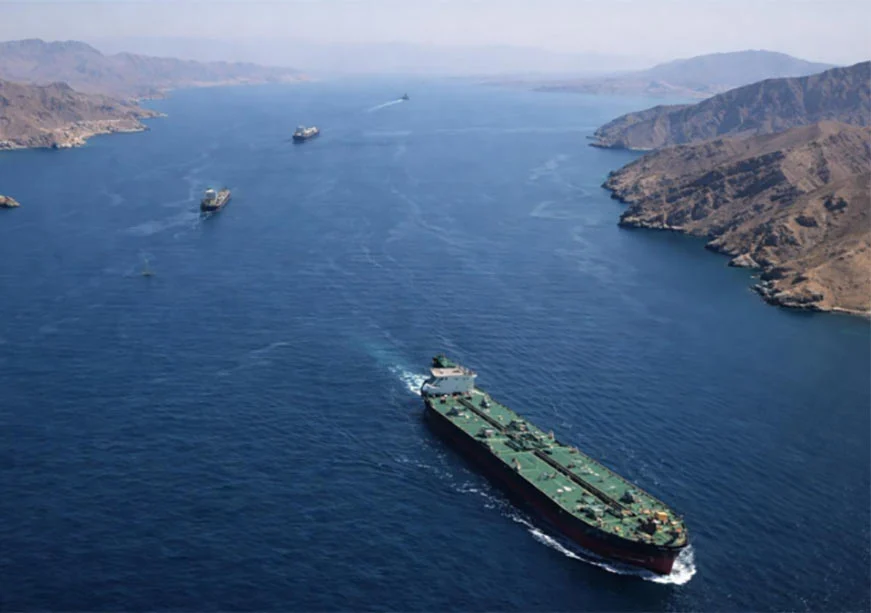
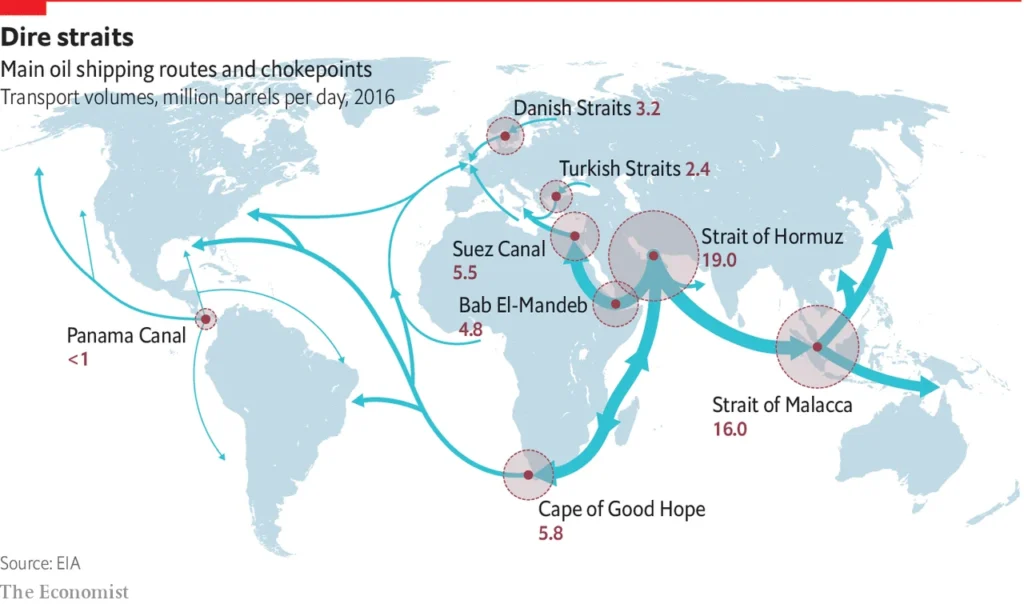
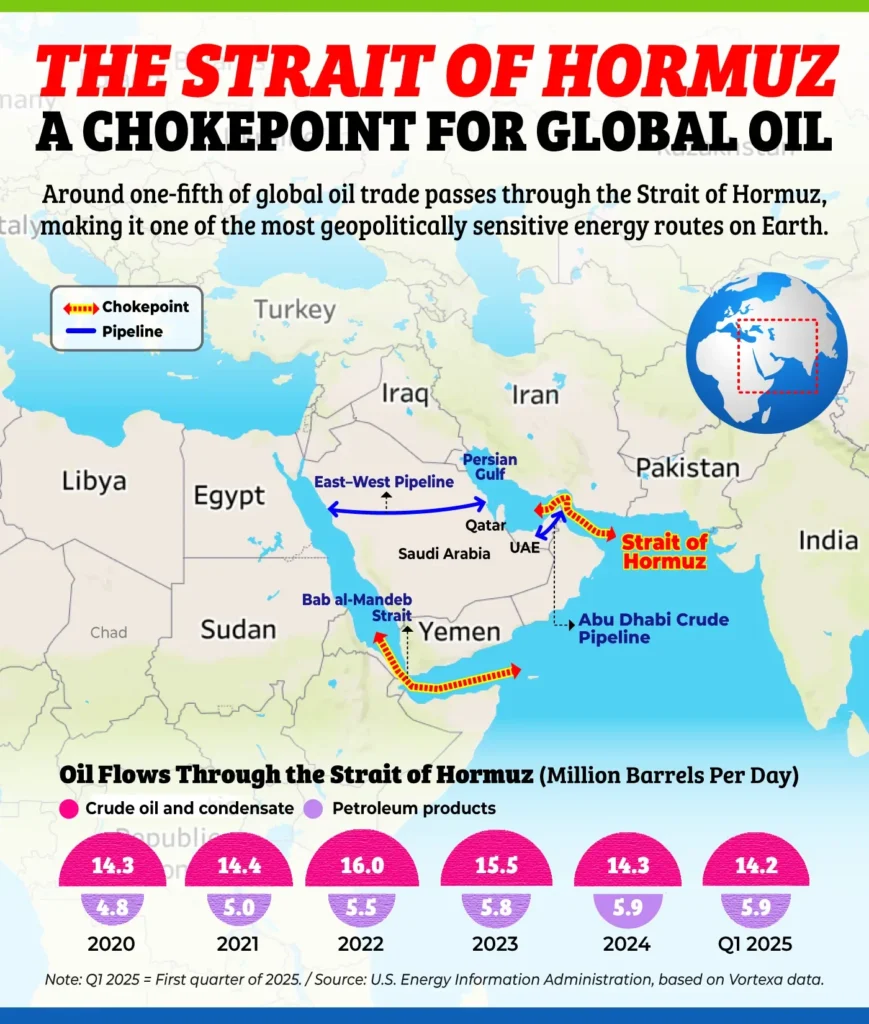
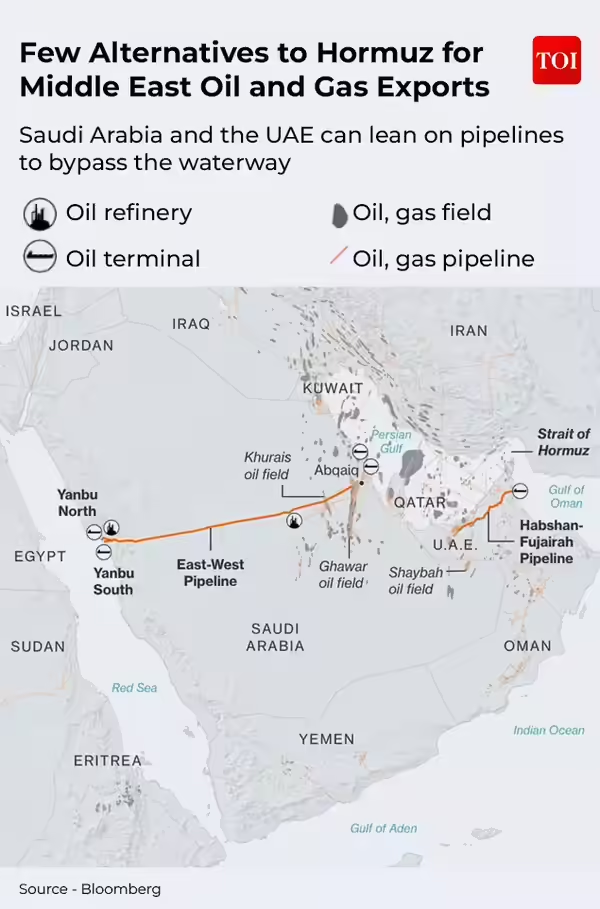
The Middle East remains one of the most critical regions for global energy supply, and tensions involving Iran have once again brought attention to key shipping routes such as the Strait of Hormuz. This narrow waterway handles a significant portion of the world’s oil shipments, making it a vital artery for global trade.
Any disruption in this region has immediate consequences. Even the threat of conflict can drive oil prices higher due to uncertainty. Traders and investors react quickly to geopolitical signals, pushing energy markets into volatility.
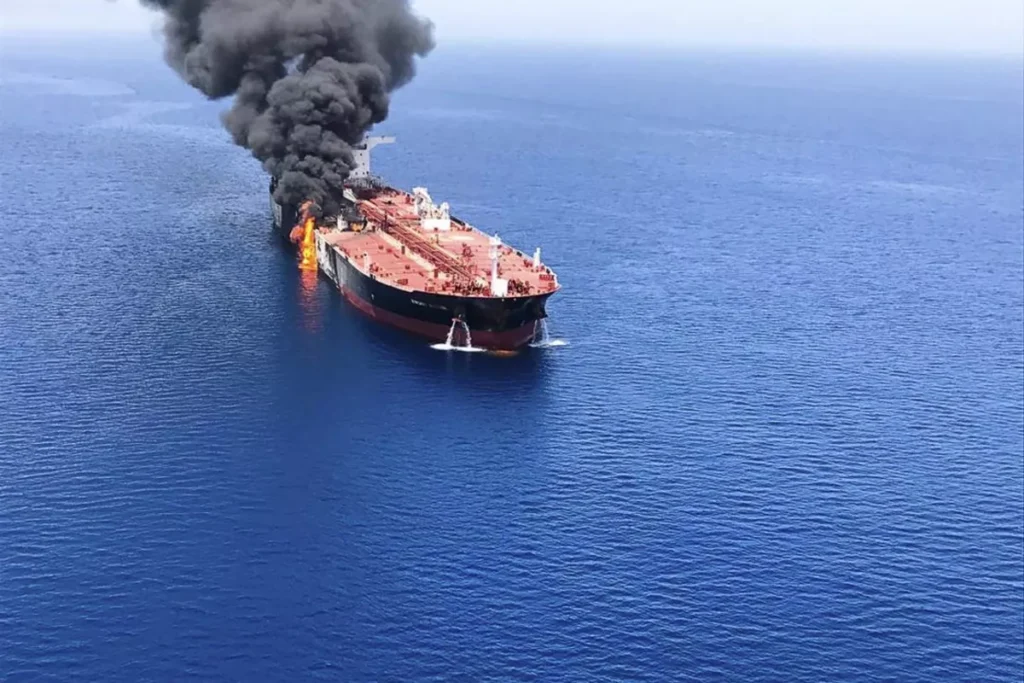
In 2026, recent developments have heightened these risks. Reports of potential military escalation and strategic positioning have increased concerns about supply disruptions. This has led to sharp movements in oil prices, affecting everything from transportation costs to industrial production worldwide.
Oil Price Surge and Its Global Economic Impact
One of the most immediate effects of the Iran conflict is the surge in oil prices. When supply is threatened, prices rise—and those increases are felt across the global economy.
Higher oil prices translate directly into higher costs for businesses. Transportation becomes more expensive, raising the price of goods and services. Airlines, shipping companies, and logistics providers are among the first to feel the impact, but the effects quickly spread to retail, manufacturing, and agriculture.
For consumers, this often means higher fuel prices and increased living costs. In the United States, rising gasoline prices can significantly impact household budgets, reducing disposable income and slowing economic growth.
At a macro level, sustained high oil prices can contribute to inflation, complicating central bank policies and potentially delaying interest rate adjustments.
Supply Chain Disruptions: A New Global Challenge
Beyond oil prices, the conflict is also threatening global supply chains. Modern trade relies on efficient, predictable logistics networks. When key routes are disrupted, delays and bottlenecks become inevitable.
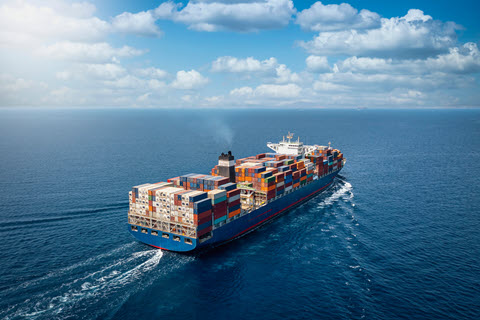
Shipping companies may reroute vessels to avoid conflict zones, increasing transit times and costs. This affects industries that depend on just-in-time delivery systems, such as automotive manufacturing and electronics production.
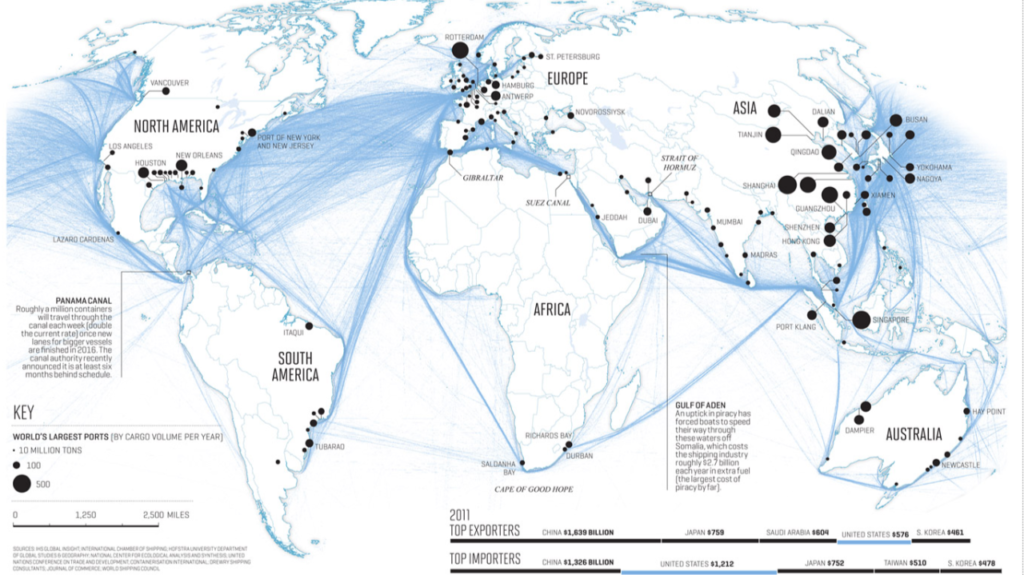
In recent years, global supply chains have already faced challenges due to pandemics and geopolitical tensions. The current situation adds another layer of complexity, forcing companies to rethink sourcing strategies and inventory management.
Businesses are increasingly looking for alternative supply routes and diversifying their operations to reduce dependence on high-risk regions. However, these adjustments take time and investment, meaning disruptions could persist in the short term.
Impact on Financial Markets and Investor Sentiment
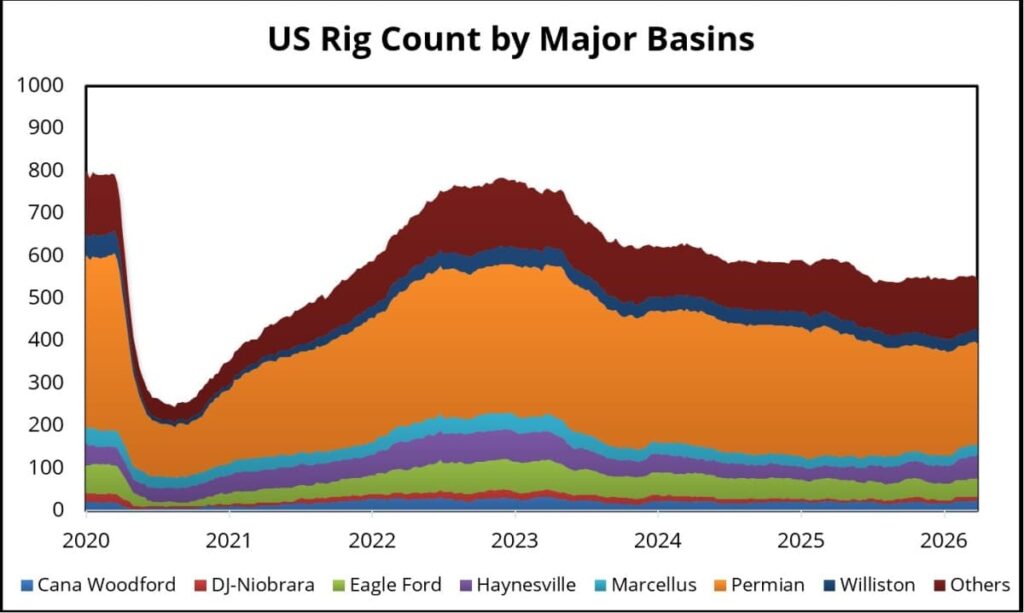
Financial markets are highly sensitive to geopolitical events, and the Iran conflict is no exception. Stock markets have shown increased volatility as investors react to changing risk conditions.
Energy stocks have benefited from rising oil prices, attracting significant capital inflows. At the same time, sectors heavily dependent on stable supply chains—such as manufacturing and transportation—have faced pressure.
Safe-haven assets like gold have also gained attention as investors seek stability during uncertain times. This shift in investment behavior reflects broader concerns about economic stability and future growth.
Currency markets are also affected, with fluctuations driven by changes in trade balances and capital flows. For investors, this environment presents both risks and opportunities, depending on how they position their portfolios.
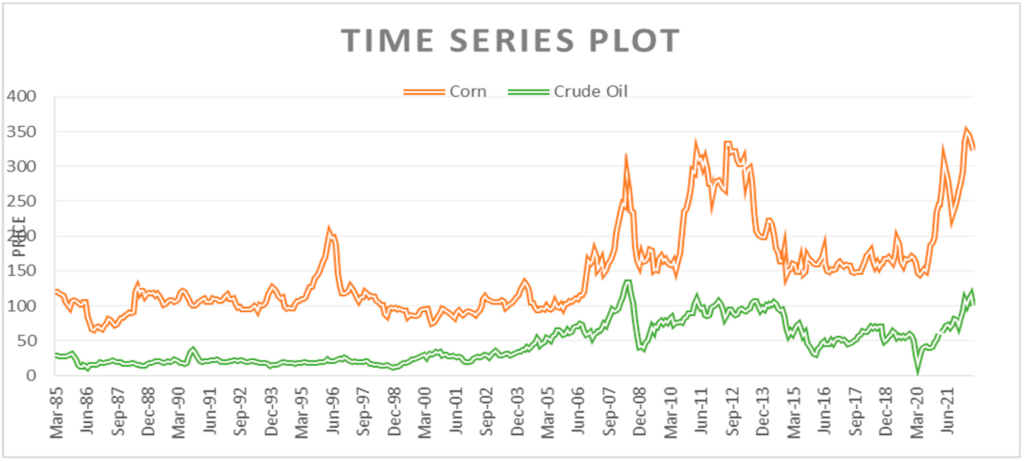
Global Trade Shifts and Long-Term Economic Implications
The current situation may lead to lasting changes in global trade patterns. Countries and companies are increasingly prioritizing resilience over efficiency, even if it means higher costs.
This could accelerate trends such as regionalization and reshoring, where production is moved closer to end markets. While this reduces risk, it also increases production costs, which may be passed on to consumers.
Energy diversification is another key trend. Governments are investing more in renewable energy to reduce dependence on oil imports. While this transition takes time, it represents a long-term shift in how energy markets operate.
In the long run, these changes could reshape global trade, creating new opportunities and challenges for businesses and investors alike.
Expert Insights: How to Navigate This Uncertain Environment
Experts emphasize the importance of adaptability in times of uncertainty. For businesses, this means strengthening supply chain resilience and exploring alternative sourcing options.
For investors, diversification remains a critical strategy. Allocating capital across different sectors and asset classes can help manage risk while capturing opportunities.
Energy stocks and commodities may continue to perform well in the short term, but long-term strategies should also consider emerging sectors such as renewable energy and technology.
Staying informed is essential. Geopolitical developments can change rapidly, and timely information allows for better decision-making.
Market Outlook: What Happens Next?
Looking ahead, much will depend on how the situation evolves. If tensions escalate further, oil prices could rise even higher, intensifying the impact on global trade and inflation.
On the other hand, diplomatic efforts or strategic agreements could stabilize the situation, easing pressure on markets. However, uncertainty is likely to remain a defining feature of the global economy in 2026.
Investors and businesses should prepare for multiple scenarios, focusing on flexibility and long-term planning. The ability to adapt quickly will be a key advantage in navigating this complex environment.
Conclusion: A Defining Moment for Global Trade
Global Trade at Risk: Iran Conflict and Oil Supply Threats Could Disrupt Supply Chains and Raise Costs Worldwide highlights a critical moment in the global economy. The interconnected nature of modern trade means that regional conflicts can have far-reaching consequences.
From rising oil prices to disrupted supply chains and shifting investment trends, the impact is being felt across industries and continents. While challenges are significant, they also create opportunities for those who can adapt and respond strategically.
Understanding these dynamics is essential for navigating the evolving economic landscape. As the situation continues to unfold, staying informed and prepared will be key to managing risks and seizing opportunities.
Subscribe to trusted news sites like USnewsSphere.com for continuous updates.