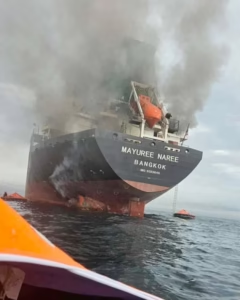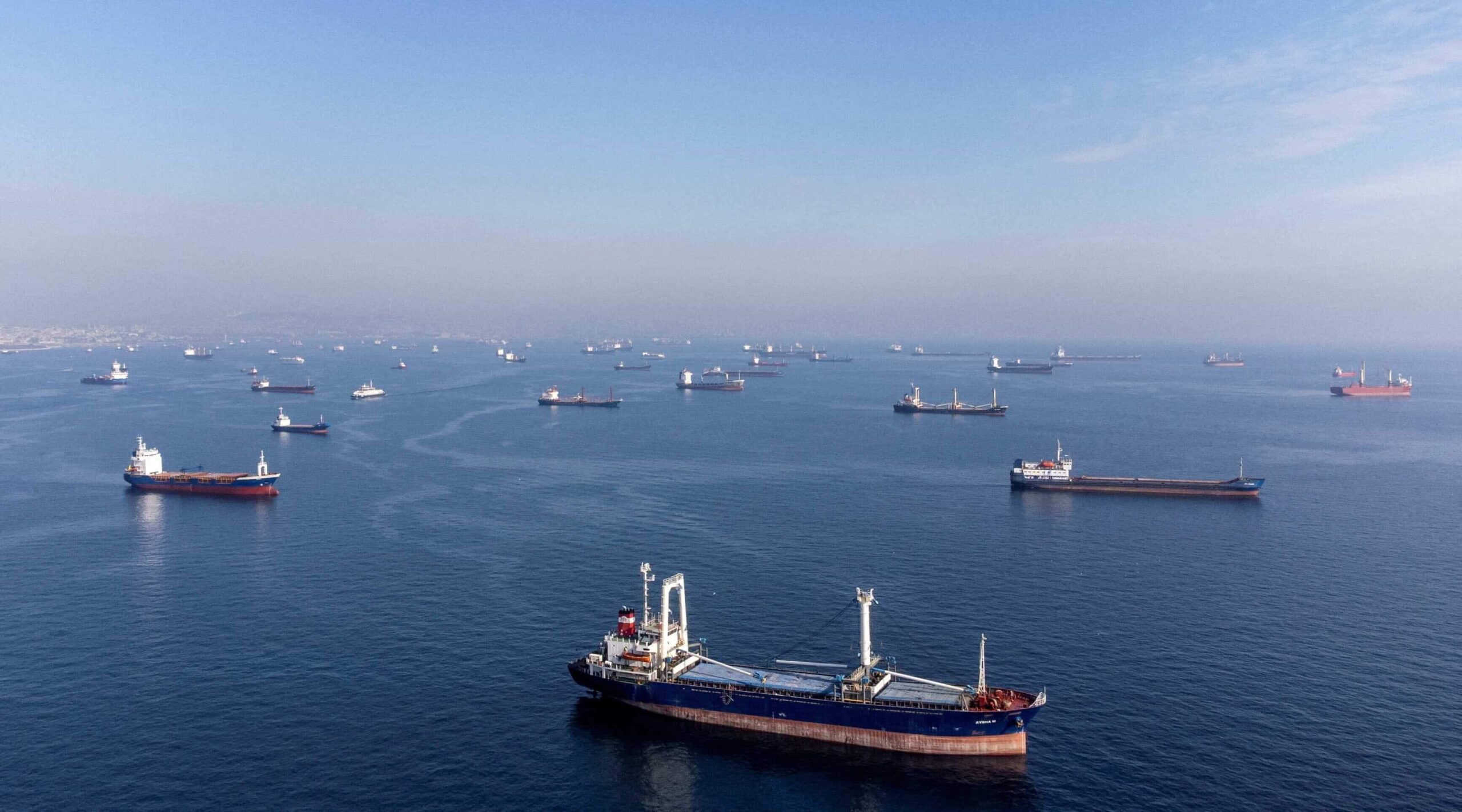
Global Oil Routes Shift as Hormuz Crisis Escalates — How Trade Disruptions Could Hit US Consumers is quickly becoming one of the most critical economic developments shaping global markets in 2026. With tensions rising around the Strait of Hormuz, one of the world’s most important oil transit chokepoints, energy supply chains are being reshaped in real time.
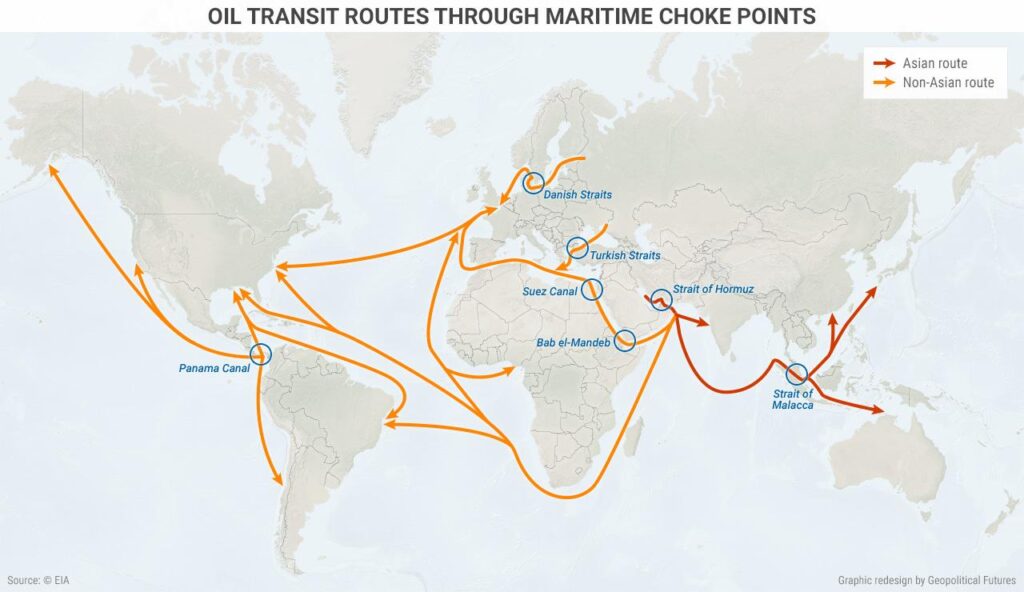
This situation matters now because nearly 20% of the world’s oil supply flows through this narrow passage. Any disruption—whether due to geopolitical conflict, military escalation, or shipping restrictions—has immediate consequences for global oil prices, US fuel costs, and inflation trends. Markets are already reacting, with oil volatility increasing and airlines, logistics companies, and manufacturers facing higher operating costs.
What is happening, why it matters for US consumers, how global oil routes are shifting, and what it means for inflation, stock markets, and the broader economy in the months ahead.
Global Oil Routes Shift: Why the Strait of Hormuz Crisis Is Reshaping Global Energy Markets
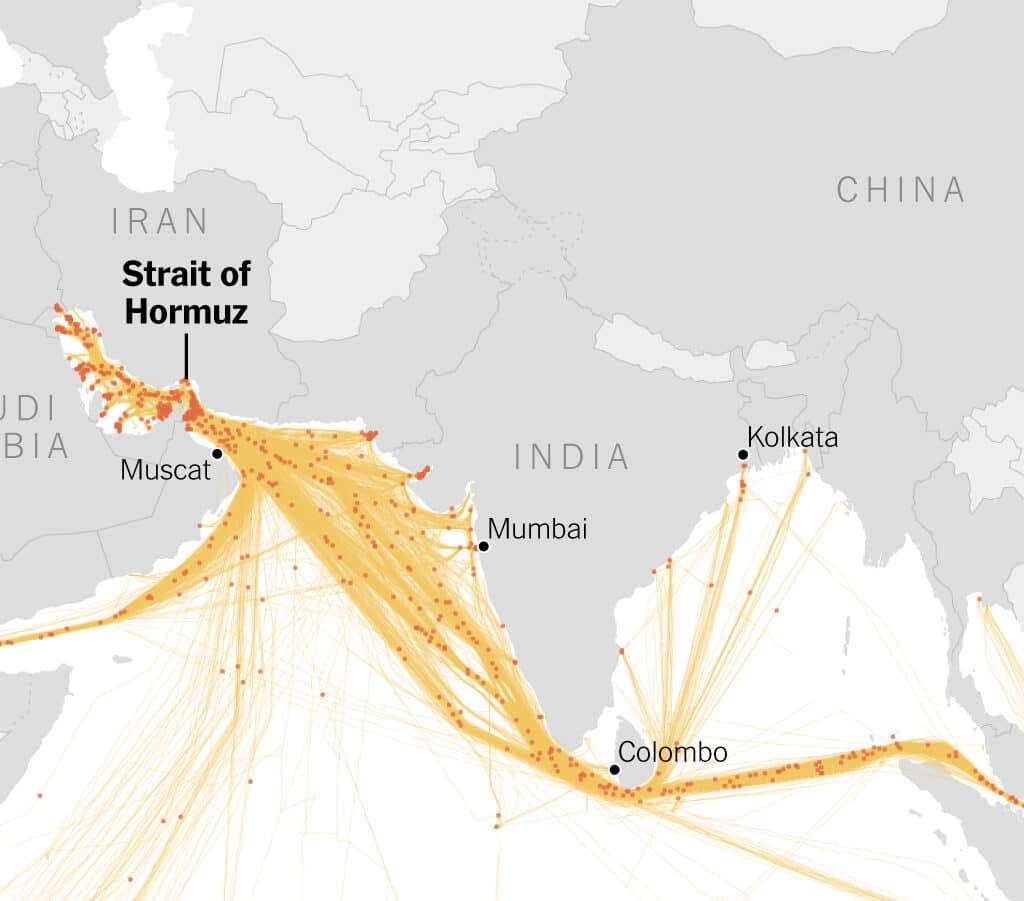
The Strait of Hormuz connects the Persian Gulf to global markets and is responsible for transporting millions of barrels of crude oil daily. Countries like Saudi Arabia, Iraq, and the UAE rely heavily on this route to export oil to the US, Europe, and Asia.
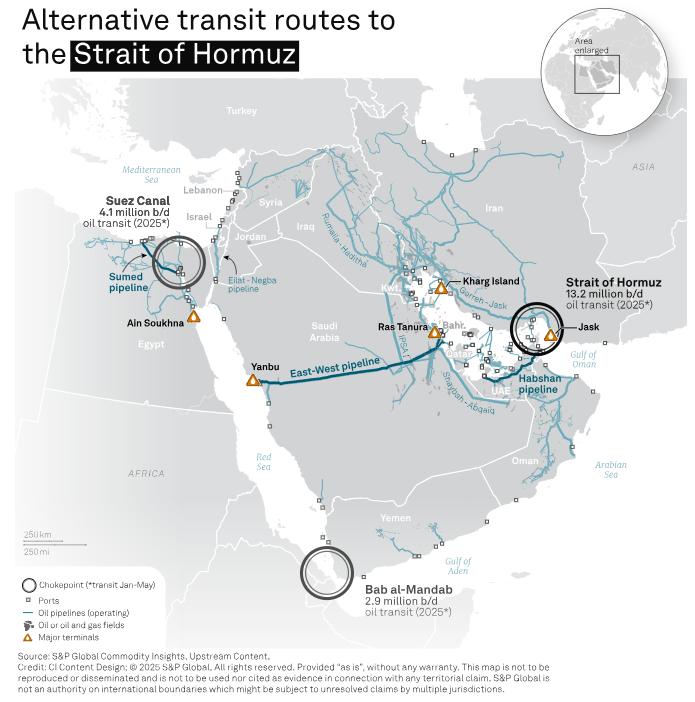
As tensions rise in the region, shipping companies and governments are actively exploring alternative routes. Some nations are rerouting oil through pipelines or longer maritime paths to avoid the risk of disruption. While these alternatives provide temporary solutions, they come at a higher cost and reduced efficiency.
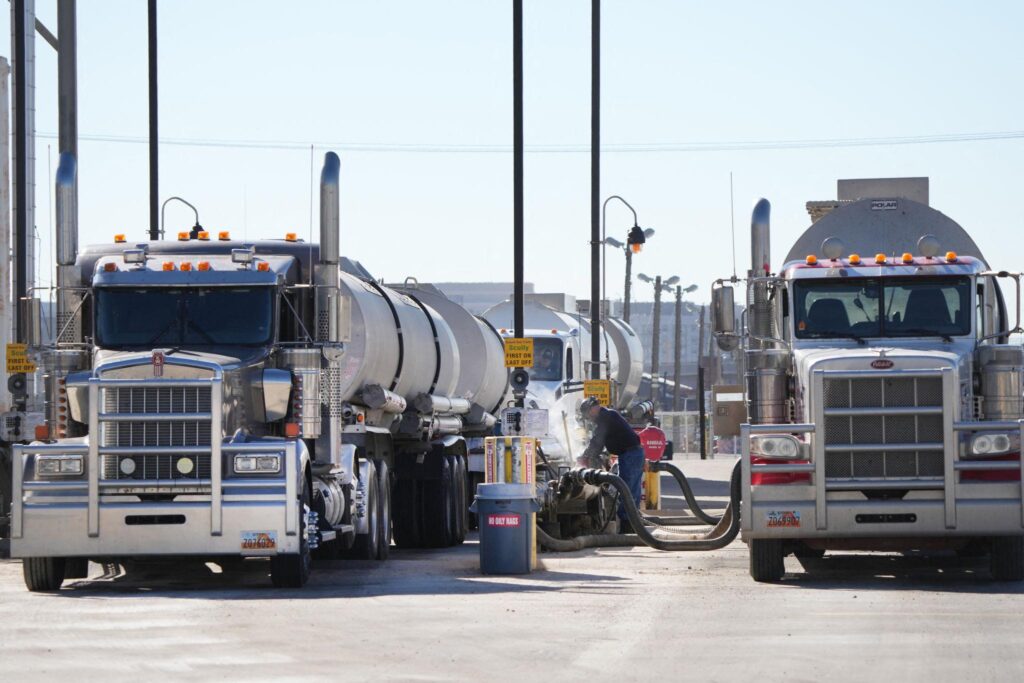
This shift is already influencing oil prices globally. Even the perception of risk in Hormuz can push prices upward, as traders anticipate supply shortages. For US consumers, this translates directly into higher gasoline prices, increased transportation costs, and broader inflationary pressure across goods and services.
How Global Oil Routes Are Changing in Real Time
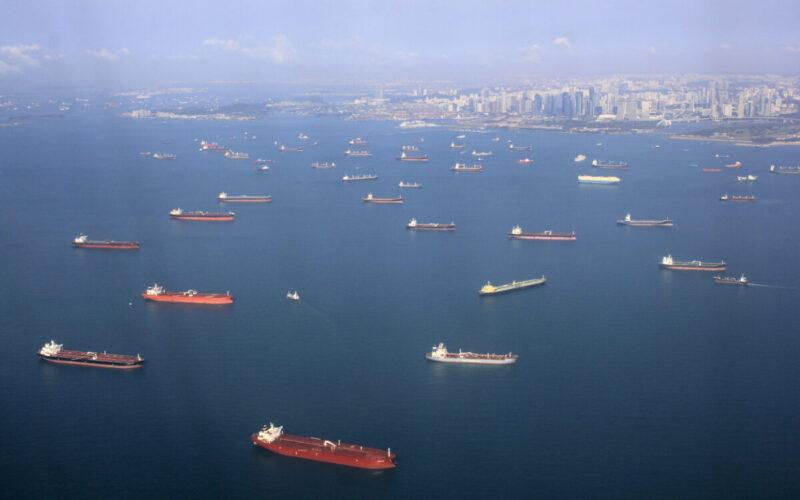
One of the most significant developments is the increasing reliance on alternative supply routes outside the Strait of Hormuz. Countries like South Korea have already secured millions of barrels of crude through diversified channels, reducing dependency on the region.
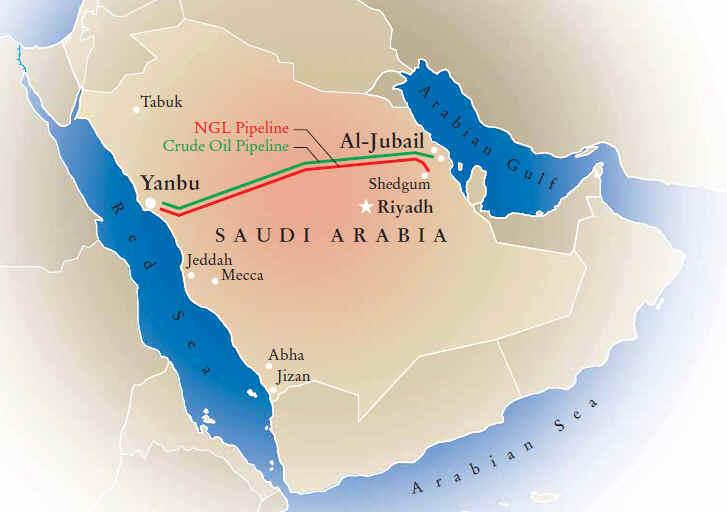
Additionally, energy producers are accelerating investments in pipeline infrastructure that bypasses the Strait entirely. For example, routes through the Red Sea or direct pipelines to export terminals are becoming more critical in maintaining supply stability.
However, these shifts are not without consequences. Longer routes mean higher shipping costs, increased insurance premiums for tankers, and delays in delivery. These added costs eventually flow through the supply chain, affecting everything from fuel prices to consumer goods in the US.
Impact on US Consumers: Fuel Prices, Inflation, and Daily Costs
For US consumers, the most immediate impact of the Hormuz crisis is seen at the gas pump. Rising oil prices directly influence gasoline costs, which can quickly climb during periods of supply uncertainty.
Higher fuel costs also affect transportation and logistics. This means that goods shipped across the country—from groceries to electronics—become more expensive. As a result, inflation remains elevated, putting pressure on household budgets.
Airlines are particularly vulnerable. With jet fuel prices rising, airlines may reduce flights, increase ticket prices, or even face financial instability. This has already raised concerns about potential disruptions in the travel industry, which could further impact consumer spending and economic growth.
Market Reactions and Economic Ripple Effects
Financial markets are closely monitoring the situation. Energy stocks often benefit from rising oil prices, while sectors like airlines, manufacturing, and retail face increased costs and potential profit declines.
Investors are also factoring in the risk of a broader economic slowdown. If energy prices remain elevated for an extended period, it could lead to reduced consumer spending and slower economic growth in the US.
There are also concerns about a potential recession if the crisis escalates further. High energy costs have historically been linked to economic downturns, as they reduce disposable income and increase business expenses.
Risks, Uncertainty, and Future Outlook
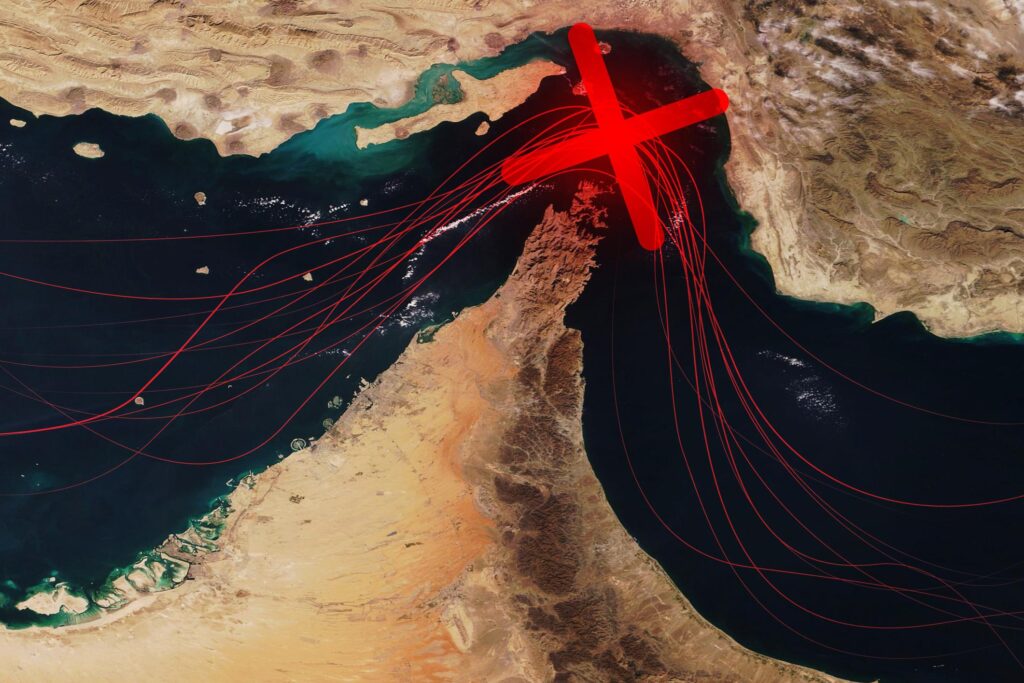
The biggest risk is prolonged disruption in the Strait of Hormuz. If tensions escalate into a larger conflict, it could significantly reduce global oil supply and trigger sharp price spikes.
Another risk is the long-term restructuring of global energy trade. While diversification of routes improves resilience, it also increases costs, which may keep energy prices elevated even after tensions ease.
Looking ahead, governments and energy companies are likely to accelerate investments in alternative energy sources, including renewables. This shift could reshape the global energy landscape, reducing dependence on critical chokepoints like Hormuz over time.
What Experts Are Saying About the Hormuz Crisis
Economic analysts and energy experts warn that the current situation is not just a short-term disruption but a structural shift in global energy dynamics. The combination of geopolitical tensions and supply chain adjustments could have lasting effects on oil markets.
Some experts believe that oil prices could remain volatile throughout 2026, with periodic spikes depending on developments in the region. Others suggest that increased production from alternative sources may help stabilize prices over the long term.
For US consumers and investors, the key takeaway is to stay informed and prepared. Understanding how global events impact local economies is essential for making smart financial decisions.
Conclusion
The shifting of global oil routes due to the escalating Hormuz crisis is a powerful reminder of how interconnected the world’s economy has become. What happens in a narrow waterway thousands of miles away can directly impact fuel prices, inflation, and daily expenses for millions of Americans.
As the situation evolves, the balance between risk and opportunity will define market outcomes. Investors, businesses, and consumers who stay ahead of these changes will be better positioned to navigate uncertainty and protect their financial future.
Subscribe to trusted news sites like USnewsSphere.com for continuous updates.