
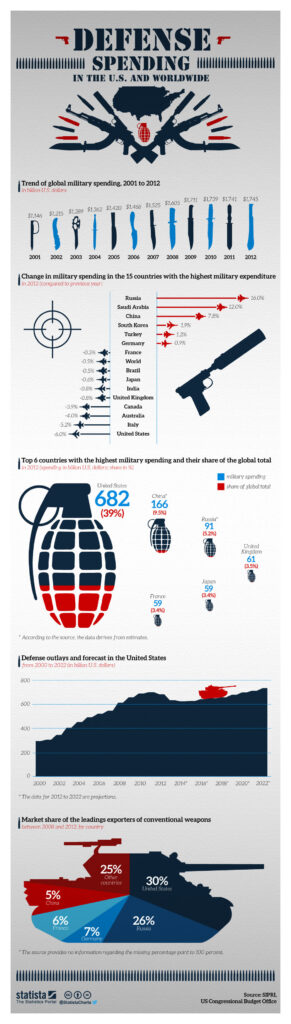
How America Turned War Into a Trillion-Dollar Business is not just a provocative headline—it reflects a long-term transformation of warfare into a massive economic engine driven by defense spending, private contractors, and global geopolitical strategy. Over the past few decades, the United States has built the largest military-industrial system in history, with annual defense budgets surpassing $800 billion.
This topic matters because it directly affects taxpayers, global stability, and economic priorities. While military strength ensures national security, the scale of spending and the role of private companies have raised serious questions about whether war has become financially incentivized rather than purely strategic.
In this article, we will break down how this system developed, why it continues to expand, who benefits the most, and what it means for the U.S. economy and everyday Americans.
What Happened
Over the last 20 years, especially after the events of 9/11, U.S. military spending has surged dramatically. Wars in Iraq and Afghanistan alone cost the United States over $2 trillion combined, according to estimates from Brown University’s Costs of War project.
Beyond direct combat costs, a major shift occurred in how wars were managed. Instead of relying solely on government forces, the U.S. increasingly outsourced operations to private defense contractors. Companies began handling logistics, intelligence, security, and even combat support roles.
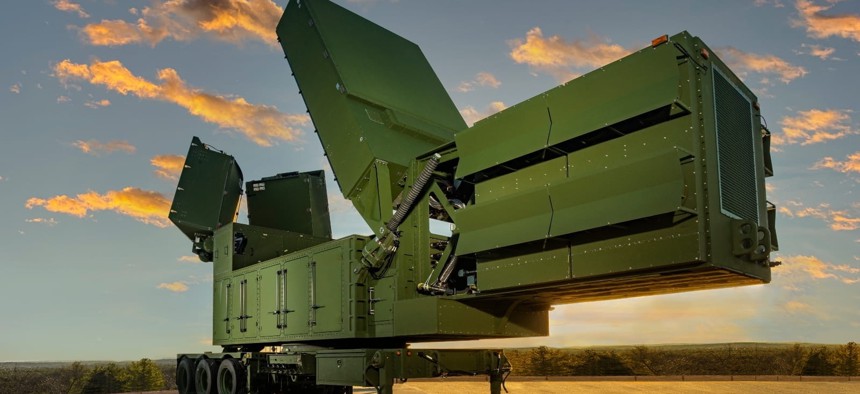
This shift created a powerful ecosystem where defense companies, lobbyists, and policymakers became interconnected. Defense contracts worth billions were awarded annually, turning warfare into a structured, profit-generating industry rather than just a national defense necessity.
Why It Happened
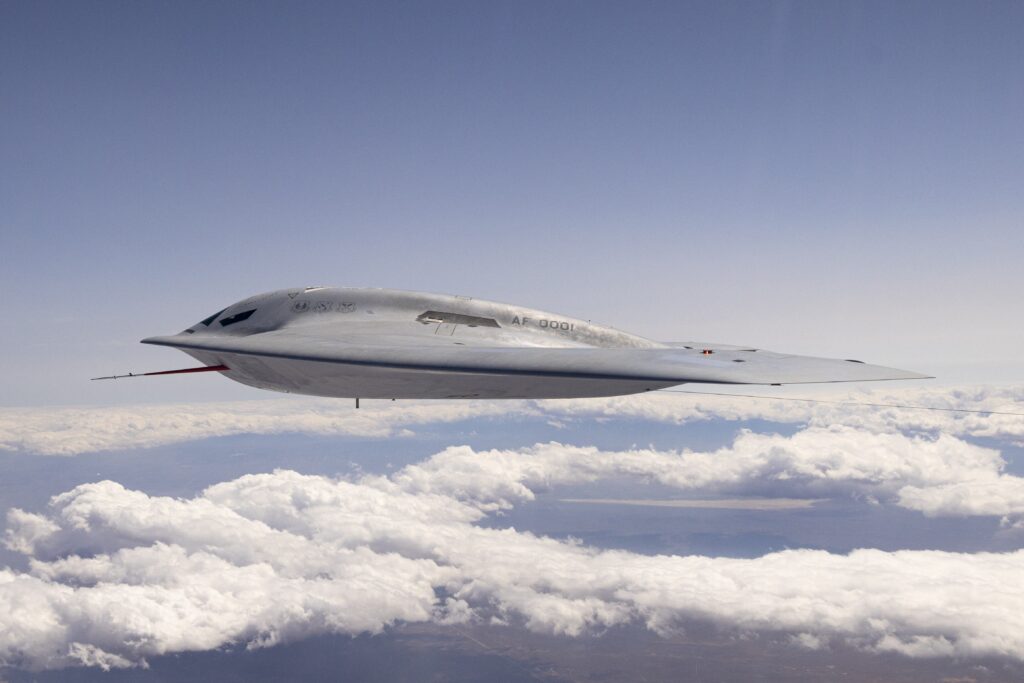
One of the main reasons behind this transformation is strategic convenience. Outsourcing military operations allows governments to reduce political risk, minimize troop casualties, and maintain flexibility without expanding the official military workforce.
Another major factor is economic influence. Defense companies invest heavily in lobbying and political contributions, ensuring continued support for military spending. This creates a cycle where policies often align with the interests of defense contractors.
Additionally, global instability has played a role. Conflicts in the Middle East, rising tensions with China and Russia, and the ongoing war in Ukraine have all contributed to sustained or increased military budgets. In this environment, defense spending is often justified as essential for maintaining global dominance.
Who Is Affected
The most directly affected group is U.S. taxpayers. A significant portion of federal spending goes toward defense, meaning billions of dollars that could be used for healthcare, education, or infrastructure are instead allocated to military operations and contracts.
American soldiers and veterans are also deeply impacted. While defense spending increases, many veterans still face challenges related to healthcare, employment, and mental health support after returning from conflict zones.
Globally, civilians in conflict regions bear the heaviest burden. Prolonged wars often lead to humanitarian crises, displacement, and economic destruction in affected countries, reinforcing instability that can last for decades.
Financial or Economic Impact
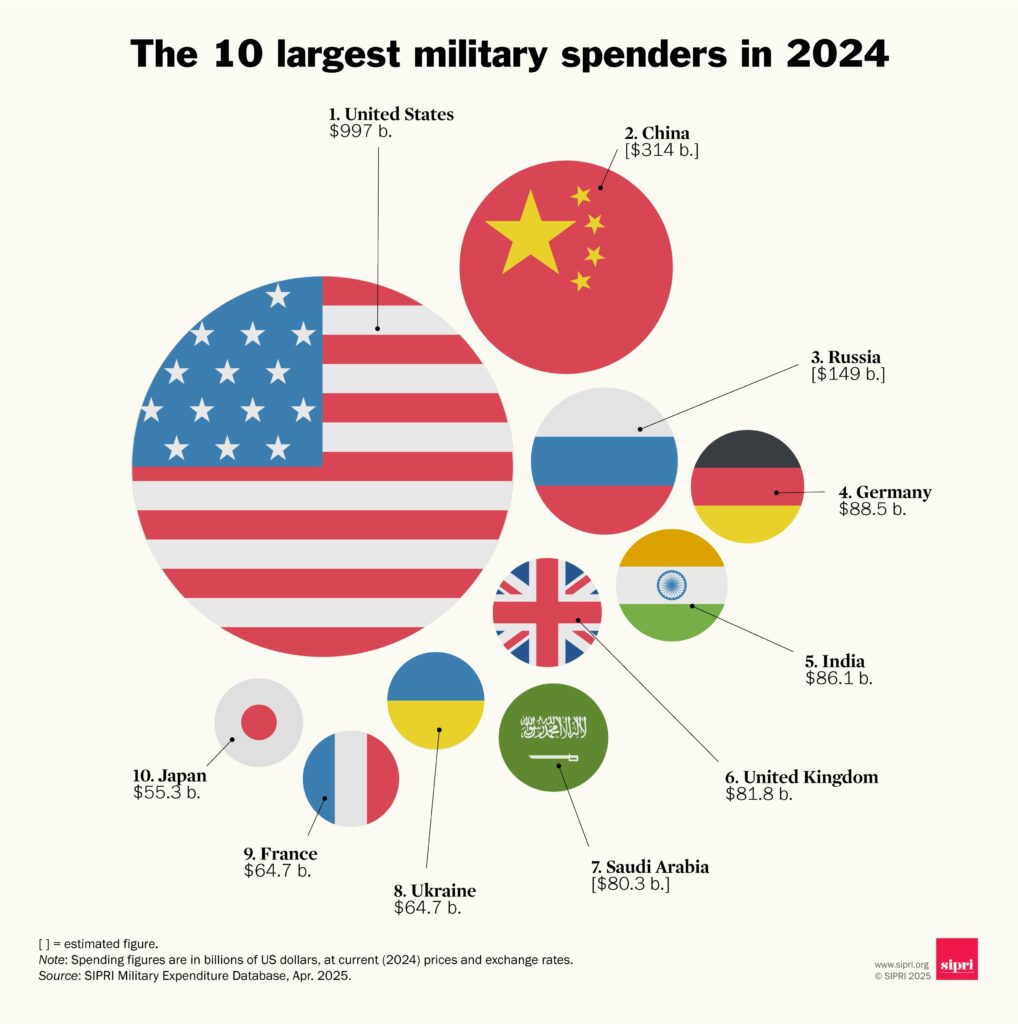
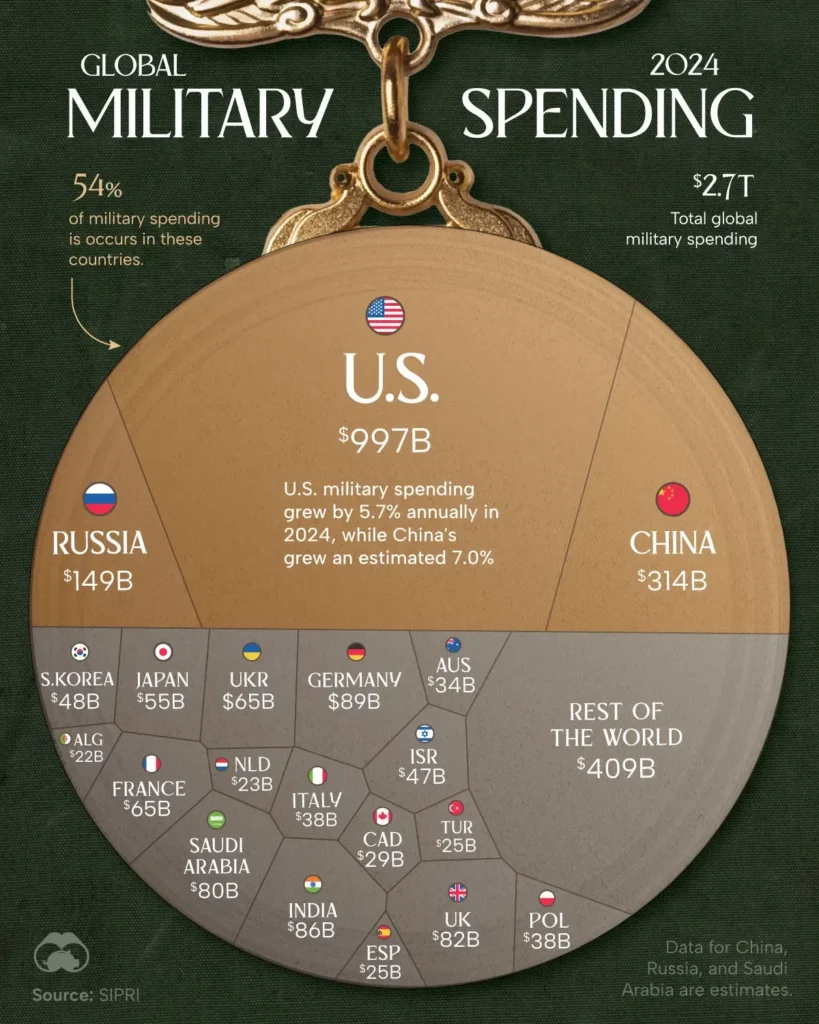
The financial scale of America’s war-related spending is staggering. The U.S. defense budget for 2024 exceeded $850 billion, accounting for nearly 40% of global military spending. This level of expenditure makes the United States the dominant force in global defense economics.
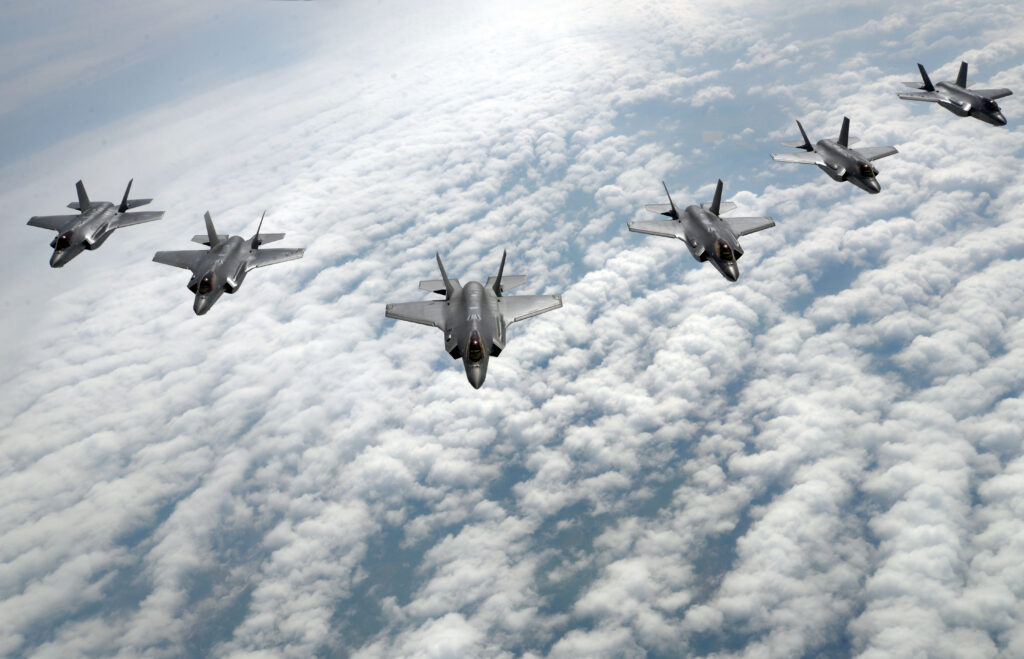
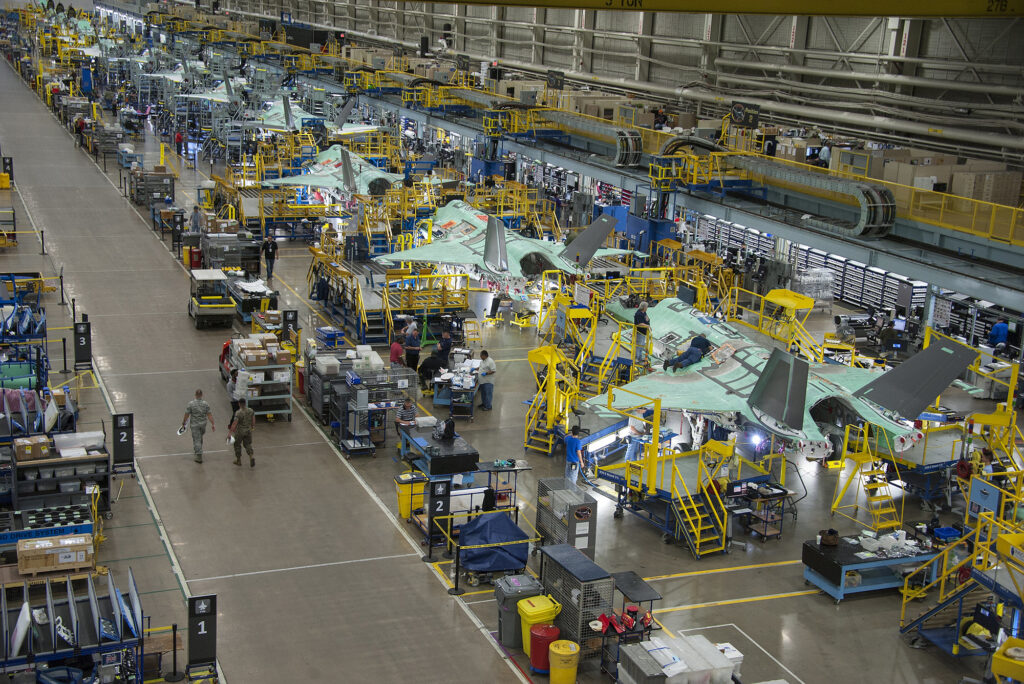
Private defense contractors are among the biggest beneficiaries. Companies like Lockheed Martin, Raytheon Technologies, and Northrop Grumman generate tens of billions in annual revenue, much of it tied directly to government contracts. For example, Lockheed Martin alone reported over $65 billion in revenue in recent years, heavily driven by programs like the F-35 fighter jet.
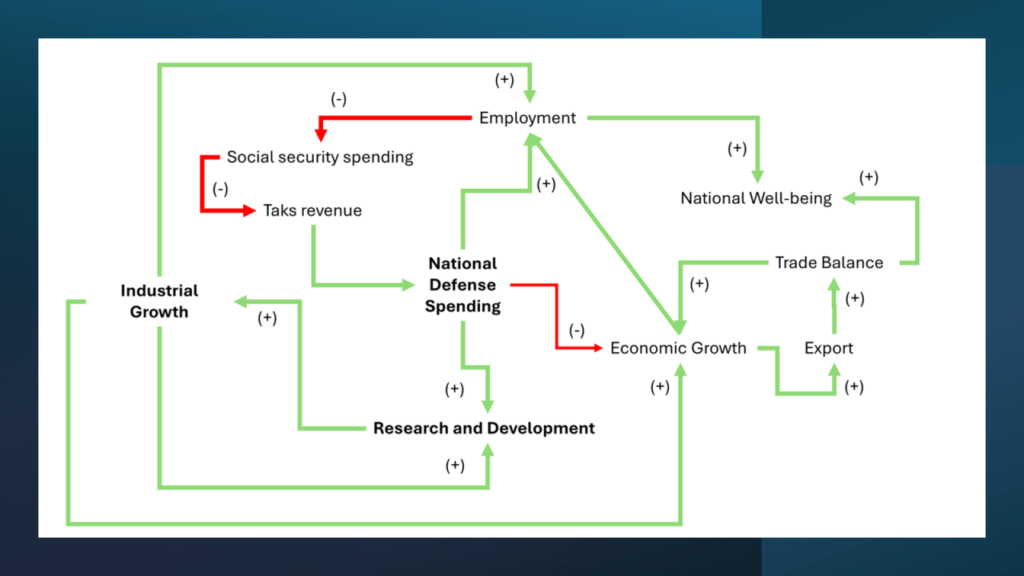
Another economic dimension is job creation. The defense industry employs millions of Americans directly and indirectly. While this supports economic growth, it also creates dependency, making it politically difficult to reduce military spending without affecting jobs.
However, critics argue that this spending has an opportunity cost. Investments in infrastructure, renewable energy, and technology could potentially generate broader economic benefits. Instead, a large share of national resources remains tied to defense-related activities.
What Happens Next
Looking ahead, U.S. defense spending is expected to continue rising. Increasing tensions with China, cybersecurity threats, and advancements in artificial intelligence-driven warfare are driving new investments in military technology.
The defense industry is also evolving. Emerging sectors such as space defense, drone warfare, and cyber warfare are attracting billions in funding, creating new opportunities for private companies and startups.
At the same time, there is a growing public debate about accountability and transparency. Lawmakers and analysts are increasingly questioning whether current spending levels are sustainable or aligned with long-term national interests.
What This Means for Americans
For the average American, this system has both direct and indirect consequences. On one hand, it supports jobs, technological innovation, and national security. On the other hand, it contributes to high federal spending and national debt.
Rising defense budgets can limit government investment in domestic priorities. Issues like healthcare affordability, student debt, and infrastructure development often compete with military funding for limited resources.
There is also a long-term economic implication. If defense spending continues to grow without corresponding economic returns, it could place additional pressure on taxpayers and future generations.

For readers interested in deeper analysis, consider linking internally to related topics such as “U.S. Federal Budget Breakdown,” “How Defense Contracts Work,” or “Economic Impact of Global Conflicts.”

FAQ Section
How much does the U.S. spend on the military each year?
The United States spends more on defense than any other country. Recent budgets have exceeded $800 billion annually, representing a significant portion of federal spending. This includes personnel costs, weapons development, overseas operations, and contracts with private companies.
This level of spending reflects both global commitments and strategic priorities. However, it also raises questions about efficiency and allocation of resources compared to domestic needs.
Why are private companies involved in warfare?
Private companies are involved because they provide specialized services, technology, and logistics that the military may not handle directly. This includes everything from building advanced weapons systems to managing supply chains in war zones.
While this increases efficiency in some cases, it also introduces profit motives into military operations, which can influence decision-making at higher levels.
Is war really profitable for the U.S.?
War itself is not profitable for the country as a whole, but it can be highly profitable for specific sectors, particularly defense contractors. These companies benefit from large, long-term government contracts.
At the national level, wars often increase debt and long-term financial obligations, meaning the overall economic benefit is highly debated among economists.
How does defense spending impact the economy?
Defense spending contributes to job creation and technological innovation, especially in sectors like aerospace and cybersecurity. It also supports a vast network of suppliers and subcontractors.
However, economists often argue that alternative investments in infrastructure or education could yield higher long-term economic growth and broader societal benefits.
Can the U.S. reduce its military spending?
Reducing military spending is possible but politically complex. Defense budgets are tied to national security concerns, global commitments, and millions of jobs across the country.
Any significant reduction would require careful planning to avoid economic disruption while maintaining security capabilities.
Conclusion
The transformation of war into a trillion-dollar business in the United States is the result of decades of policy decisions, global conflicts, and economic incentives. While it has strengthened national defense and created economic opportunities, it has also raised serious questions about priorities and long-term sustainability.
As global tensions continue and new forms of warfare emerge, the role of the military-industrial system will only become more significant. Understanding this system is essential for evaluating future policies and ensuring that national interests align with economic and ethical considerations.
Subscribe to trusted news sites like USnewsSphere.com for continuous updates.