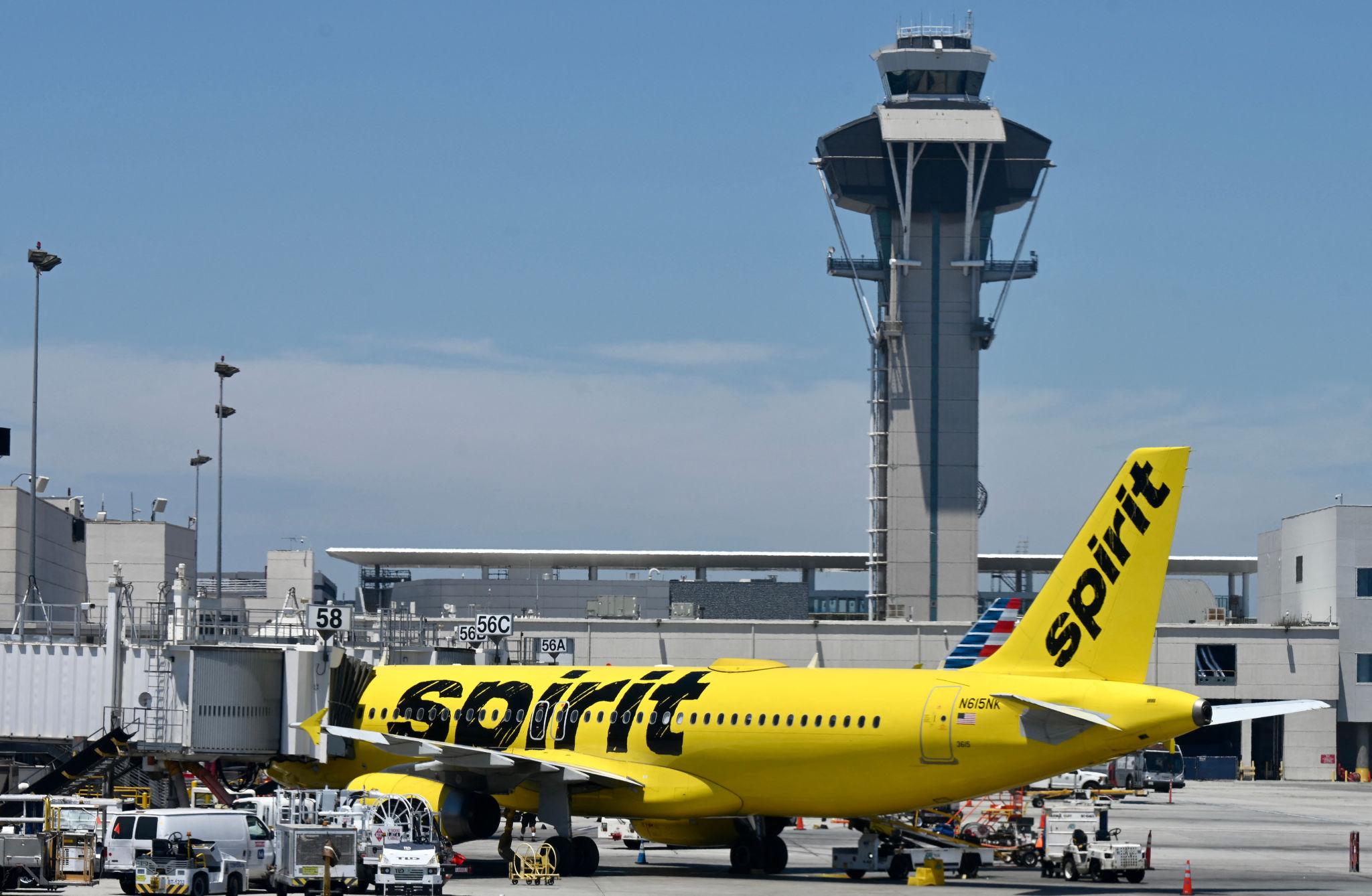
Trump Weighs Airline Rescue as Trade Tensions Rise — What It Means for US Aviation and Global Markets is rapidly becoming one of the most closely watched developments in the global economy, as policymakers, investors, and travelers react to the growing uncertainty around airline stability. Reports suggest that Donald Trump is considering a last-minute rescue proposal for Spirit Airlines, a major low-cost airline that has been struggling financially amid rising costs, competitive pressure, and broader economic challenges.

This situation is not just about one airline. It reflects deeper structural issues in the US aviation industry and signals how trade tensions, fuel costs, and policy decisions are shaping the future of global markets. For investors and readers in the USA and beyond, understanding these developments provides critical insight into where the economy may be heading next.
Airline Crisis Signals a Bigger Economic Shift
The potential collapse of Spirit Airlines highlights a broader trend: the airline industry is entering a period of heightened vulnerability. Over the past year, airlines have faced rising operational costs, including fuel prices, labor expenses, and maintenance. These pressures are squeezing profit margins, particularly for low-cost carriers that rely on high volume and thin margins.

At the same time, demand patterns are shifting. While international travel has shown resilience, domestic travel demand has become more volatile. Economic uncertainty, inflation pressures, and changing consumer behavior are all contributing factors. For budget airlines like Spirit, even small fluctuations in demand can have significant financial consequences.
What makes this situation particularly important is its timing. It is unfolding at a moment when global trade tensions are increasing, adding another layer of risk. When airlines struggle, it often reflects broader economic stress—making this a key signal for investors to watch.
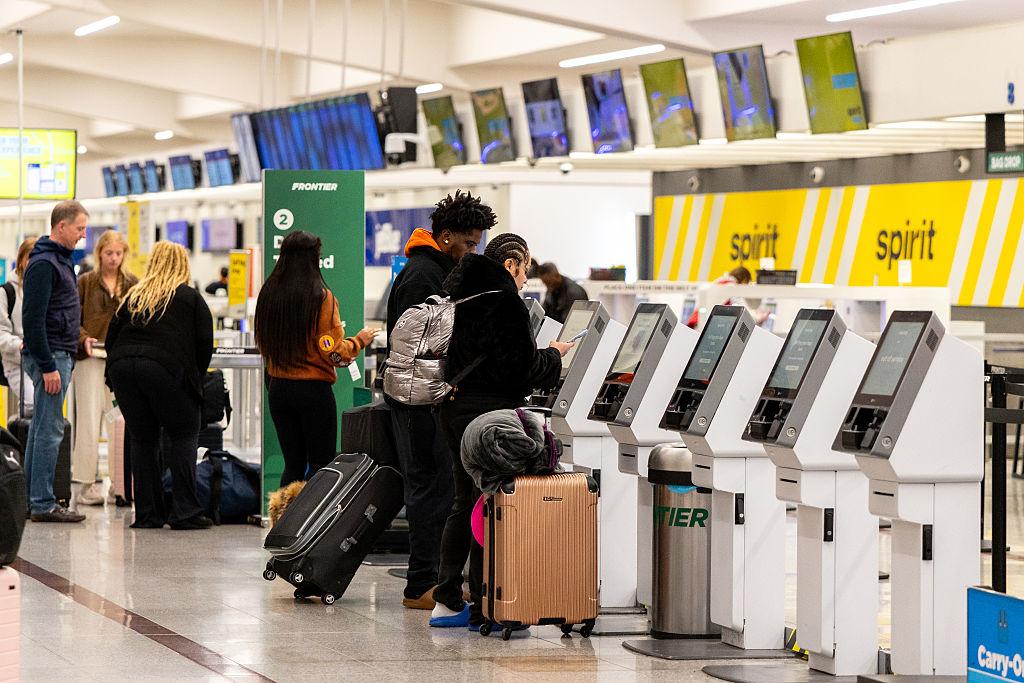
Trade Tensions and Their Impact on Aviation
Trade tensions are not just a geopolitical issue—they directly affect the aviation sector. Tariffs, supply chain disruptions, and currency fluctuations can all increase costs for airlines. Aircraft parts, fuel contracts, and international routes are heavily influenced by global trade policies.
In the current environment, rising tensions between major economies are creating uncertainty for airlines operating international routes. This uncertainty can lead to reduced passenger demand, especially for business travel, which is closely tied to global economic activity.
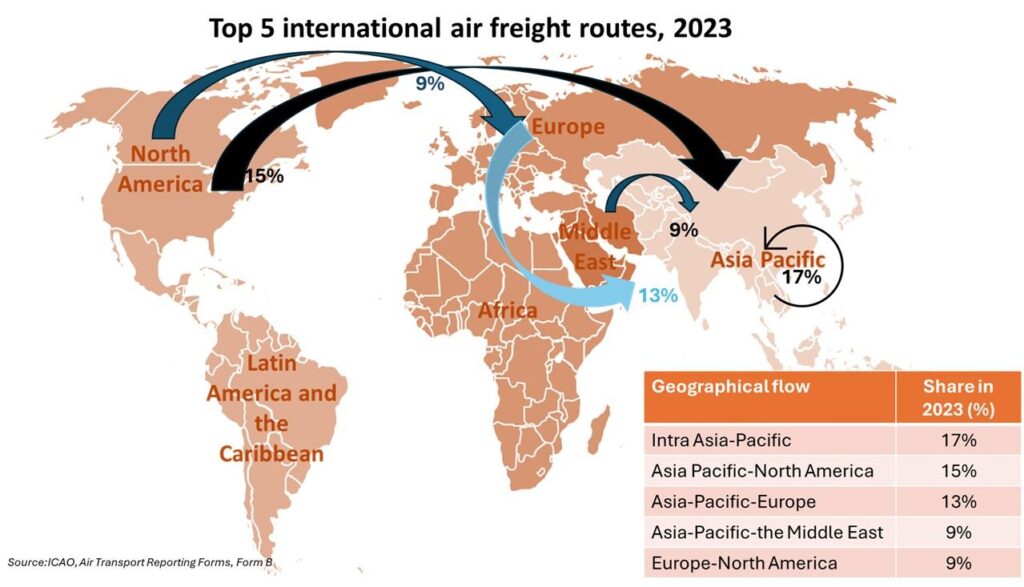
Additionally, trade-related disruptions can impact cargo operations, which have become an increasingly important revenue stream for airlines. When global trade slows, cargo volumes decline, further affecting airline profitability. This interconnected dynamic is why aviation is often seen as a barometer of global economic health.
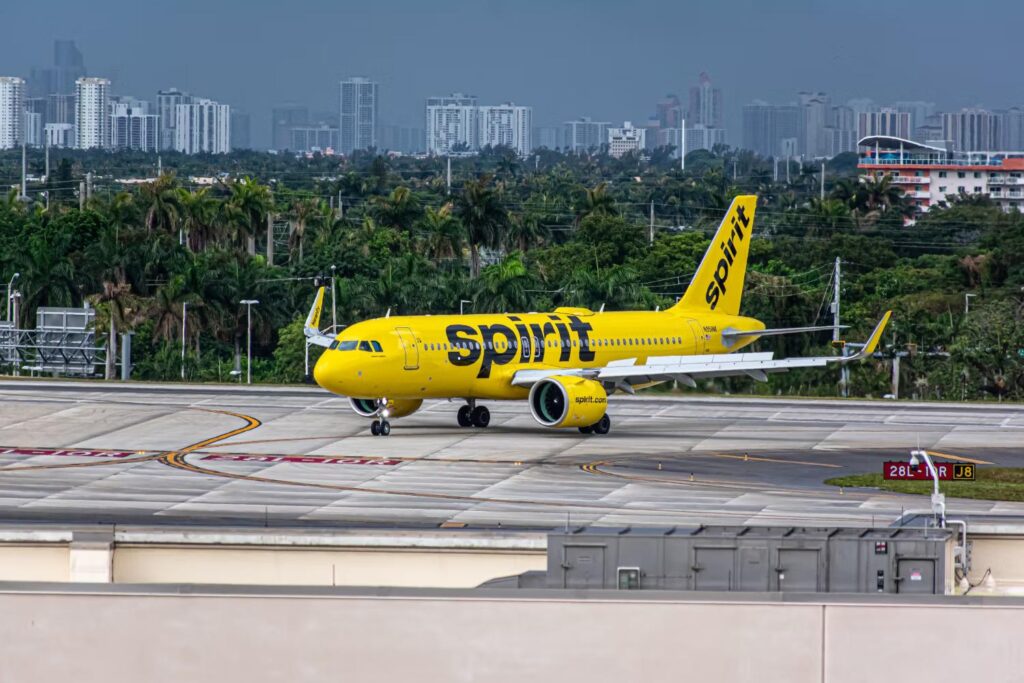
Government Intervention: Rescue or Risk?
The possibility of government intervention in the airline industry raises important questions. On one hand, a rescue deal could stabilize the sector, protect jobs, and maintain competition in the market. On the other hand, it could set a precedent for future bailouts, raising concerns about moral hazard.
Historically, government support for airlines has been used during times of crisis, such as economic downturns or global disruptions. However, each intervention carries long-term implications. Investors often debate whether such measures provide genuine stability or simply delay deeper structural adjustments.
In this case, the proposed rescue of Spirit Airlines could have ripple effects across the industry. Competitors may face increased pressure, while investors reassess the risk profile of airline stocks. The outcome of this decision will likely influence market sentiment in the coming months.
Market Reactions: What Investors Are Watching
Financial markets are closely monitoring developments in the airline sector. Airline stocks tend to be highly sensitive to economic conditions, making them a useful indicator of broader market trends. A potential shutdown or rescue of a major carrier can quickly impact investor confidence.
Beyond aviation, this situation is also affecting related sectors. Energy markets, for example, are influenced by airline demand for fuel. A slowdown in air travel could reduce fuel consumption, impacting oil prices. Conversely, rising fuel costs are one of the main challenges facing airlines today.
Investors are also paying attention to how this situation interacts with other market trends, including the rise of artificial intelligence investments and ongoing concerns about inflation. The combination of these factors creates a complex environment where multiple risks and opportunities coexist.
The Global Ripple Effect on Travel and Trade
The implications of this situation extend far beyond the United States. Airlines play a crucial role in connecting global economies, facilitating both passenger travel and cargo transport. Any disruption in the aviation sector can have far-reaching consequences.
For international travelers, reduced airline capacity could lead to higher ticket prices and fewer route options. For businesses, disruptions in air cargo services could affect supply chains and delivery timelines. These effects can compound existing challenges in global trade.
Moreover, the aviation industry is closely linked to tourism, which is a major economic driver in many regions. A slowdown in air travel could impact tourism revenues, particularly in countries that rely heavily on international visitors. This interconnected nature of aviation makes it a critical component of the global economy.
Strategic Signals Hidden in the Crisis
While the immediate focus is on the potential rescue of Spirit Airlines, there are deeper signals that investors should consider. One key takeaway is the importance of cost efficiency and operational resilience in the airline industry. Companies that can adapt to changing conditions are more likely to succeed.
Another important signal is the role of policy decisions in shaping market outcomes. Government actions, whether through trade policies or industry support, can significantly influence economic dynamics. Understanding these factors helps investors anticipate potential market shifts.
Finally, this situation highlights the importance of diversification. Investors who rely heavily on a single sector may face increased risk during periods of uncertainty. By maintaining a diversified portfolio, they can better navigate changing market conditions.
What this means for you
For everyday readers and travelers, this situation could lead to noticeable changes in air travel. Ticket prices may fluctuate, route availability could shift, and airline reliability may become a greater concern. Staying informed about these developments can help you make better travel decisions.
From a financial perspective, understanding these dynamics allows you to make more informed investment choices. Whether you are investing in airline stocks or related sectors, being aware of the underlying risks and opportunities is essential.
Investor takeaway
The potential rescue of Spirit Airlines is more than a headline—it is a signal of broader economic trends. Investors should view this situation as part of a larger narrative involving trade tensions, cost pressures, and changing market dynamics.
By analyzing these factors together, investors can gain a clearer understanding of where the market may be heading. This approach helps identify both risks and opportunities, enabling more strategic decision-making.
Future outlook
Looking ahead, the aviation industry is likely to remain a focal point for investors and policymakers. The outcome of the proposed rescue deal will set the tone for future developments, influencing both market sentiment and industry dynamics.
As global trade tensions evolve, airlines will continue to face challenges and opportunities. Investors who stay informed and adaptable will be better positioned to navigate this complex environment.
A Turning Point for Aviation and Markets
The situation surrounding Spirit Airlines represents a critical moment for the aviation industry and the broader economy. It underscores the interconnected nature of global markets and highlights the importance of understanding multiple economic signals.
For investors alike, this is an opportunity to gain deeper insight into how policy decisions, market dynamics, and global trends interact. By staying informed and thinking strategically, you can turn uncertainty into opportunity.
Subscribe to trusted news sites like USnewsSphere.com for continuous updates.