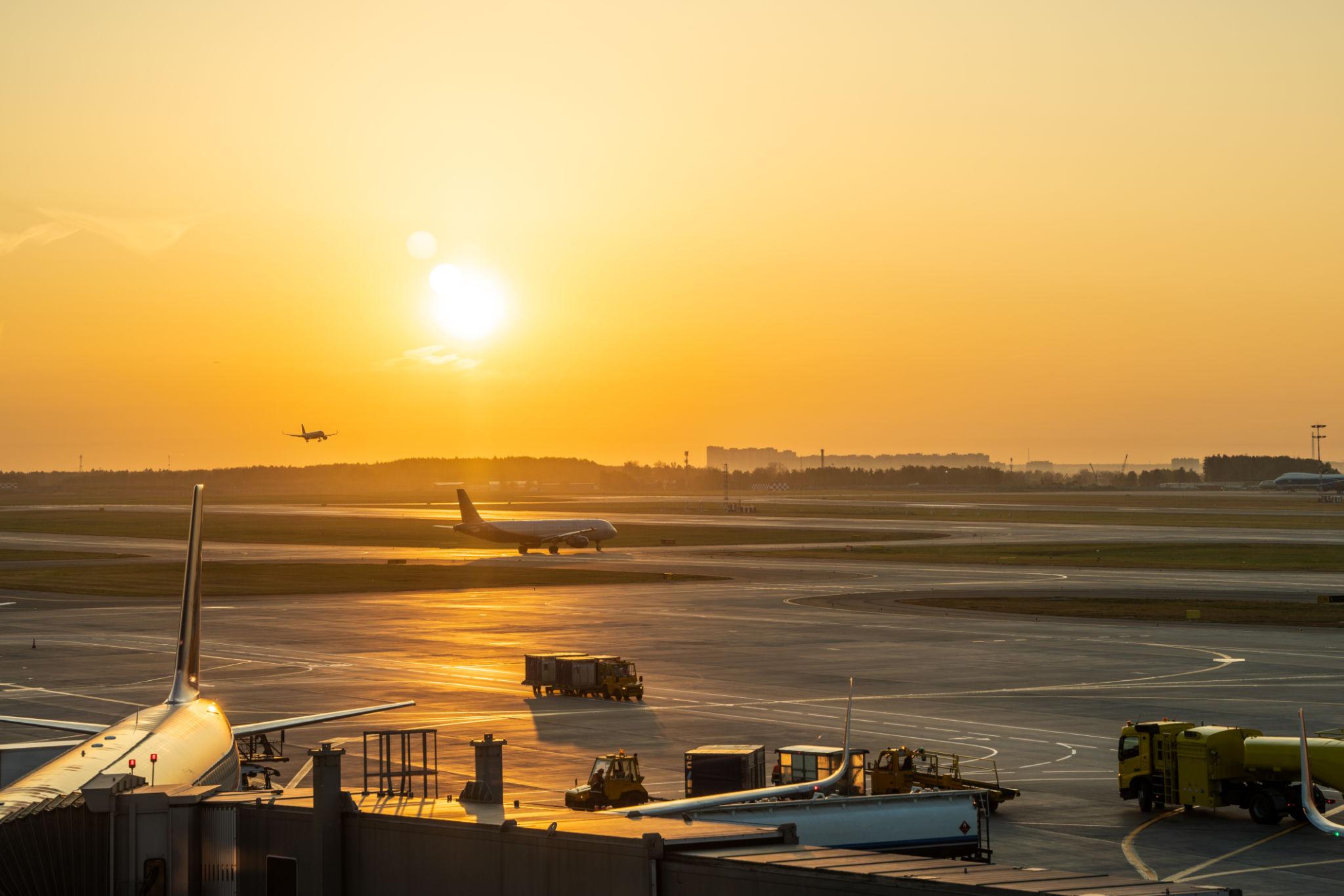
Global Tensions and Fuel Risks Threaten Air Travel Costs—How Trade and Energy Markets Could Impact Prices is quickly becoming one of the most searched financial and travel topics in the United States as geopolitical uncertainty and rising energy concerns begin to reshape airfare trends worldwide. Over the past few weeks, multiple developments—from Middle East tensions affecting oil supply to airline disruptions across Europe—have created a powerful ripple effect across global aviation markets. For U.S. consumers, investors, and frequent travelers, this isn’t just another headline—it’s a warning signal about rising costs, shifting demand, and future travel uncertainty.
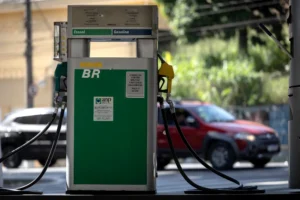
Air travel has always been closely tied to fuel prices, but in 2026, the connection is becoming even more critical. Jet fuel accounts for nearly 25%–35% of airline operating expenses, meaning even small increases in oil prices can significantly impact ticket prices. Now, with geopolitical risks intensifying and supply chains under pressure, airlines are facing a new wave of financial stress that could ultimately hit passengers’ wallets.
Rising Global Tensions Are Disrupting Energy Markets


The global energy market has entered a volatile phase due to increasing geopolitical instability, particularly in oil-producing regions. Conflicts and tensions involving major oil-exporting nations are creating fears of supply disruptions, pushing crude oil prices higher. Even speculation alone can trigger sharp market reactions, as traders price in potential shortages.
Recent reports indicate that Brent crude prices have shown upward pressure whenever conflict headlines intensify. This volatility directly affects aviation fuel costs, as jet fuel is derived from crude oil. Airlines are now forced to hedge fuel costs more aggressively or pass expenses directly to consumers.
At the same time, global shipping routes—especially those passing through sensitive geopolitical zones—are facing delays and higher insurance costs. This further tightens supply chains, indirectly increasing fuel-related expenses across industries, including aviation.
How Fuel Costs Are Driving Airline Ticket Prices Higher


Fuel costs remain one of the biggest determinants of airline pricing strategies. When oil prices rise, airlines typically respond in three ways: increasing ticket prices, reducing routes, or adding fuel surcharges. In the current environment, all three are happening simultaneously.
Airlines in the U.S. and Europe are already signaling potential fare increases heading into peak travel seasons. Some carriers have quietly introduced higher base fares, while others are adjusting dynamic pricing models to reflect fuel cost volatility in real time.
Data from recent industry analysis suggests that a $10 increase in oil prices can raise airline ticket costs by 5%–10%, depending on route distance and demand. For long-haul international flights, the impact is even more pronounced. This means travelers planning trips in 2026 may face noticeably higher expenses compared to previous years.
Airline Industry Response: Cost-Cutting and Route Adjustments


To cope with rising operational costs, airlines are making strategic adjustments that go beyond ticket pricing. Several carriers have started reducing less profitable routes, particularly in regions with lower passenger demand or higher fuel consumption per mile.
Additionally, airlines are accelerating investments in fuel-efficient aircraft to reduce long-term exposure to oil price fluctuations. However, these transitions take time and require significant capital, meaning short-term price increases are almost unavoidable.
Flight cancellations and delays are also becoming more common in certain regions, particularly where logistical challenges and fuel supply concerns intersect. For travelers, this translates into less flexibility, higher costs, and increased uncertainty when booking flights.
Impact on US Consumers and Travel Demand
For U.S. travelers, the timing couldn’t be more critical. As mortgage rates begin to ease and consumer confidence improves, more Americans are looking to travel again. However, rising airfare could offset these positive trends.
Higher ticket prices may lead to a shift in consumer behavior. Travelers might opt for shorter trips, domestic destinations, or budget airlines to manage costs. At the same time, premium travel demand—especially business class and international routes—could remain resilient due to higher-income consumers.
Interestingly, travel demand in the U.S. has shown strong recovery momentum despite rising costs. This suggests that while prices may increase, overall demand may not decline significantly in the short term. Instead, the market could see a rebalancing between affordability and demand.
Broader Economic Implications and Market Reactions
The impact of rising air travel costs extends beyond tourism—it affects the broader economy. Higher airfare can increase business travel expenses, reduce corporate margins, and influence global trade dynamics.
Financial markets are already reacting to these developments. Energy stocks are gaining attention as oil prices rise, while airline stocks are experiencing mixed performance due to cost pressures. Investors are closely watching earnings reports and forward guidance from major airlines to assess how companies plan to navigate this challenging environment.
At the same time, inflation concerns are being closely monitored. While easing interest rates have provided some relief, rising energy costs could reintroduce inflationary pressures, complicating the Federal Reserve’s policy outlook.
Future Outlook: What Travelers and Investors Should Expect
Looking ahead, the trajectory of air travel costs will largely depend on how geopolitical tensions evolve and whether energy markets stabilize. If conflicts ease and oil supply normalizes, fuel prices could decline, bringing relief to airlines and passengers alike.
However, if tensions persist or escalate, the aviation industry may face prolonged cost pressures. In such a scenario, travelers should prepare for sustained higher airfare, while investors may find opportunities in energy and infrastructure sectors tied to global supply chains.
For smart travelers, early booking, flexible travel dates, and monitoring fare trends will be essential strategies in navigating this uncertain landscape. Meanwhile, investors should keep a close eye on oil prices, airline earnings, and macroeconomic indicators to make informed decisions.
A New Era of Air Travel Pricing
The global aviation industry is entering a new phase where geopolitical risks and energy market dynamics play a central role in determining costs. What was once a relatively stable pricing environment is now becoming increasingly unpredictable.
For U.S. consumers, this means adapting to higher travel costs and planning more strategically. For investors, it presents both risks and opportunities across multiple sectors. And for airlines, it marks a critical moment that will shape operational strategies for years to come.
As the situation continues to evolve, staying informed will be key to making smarter financial and travel decisions in 2026 and beyond.
Subscribe to trusted news sites like USnewsSphere.com for continuous updates.