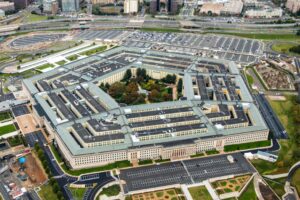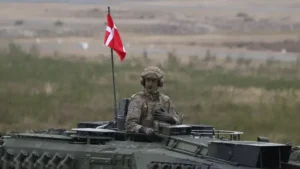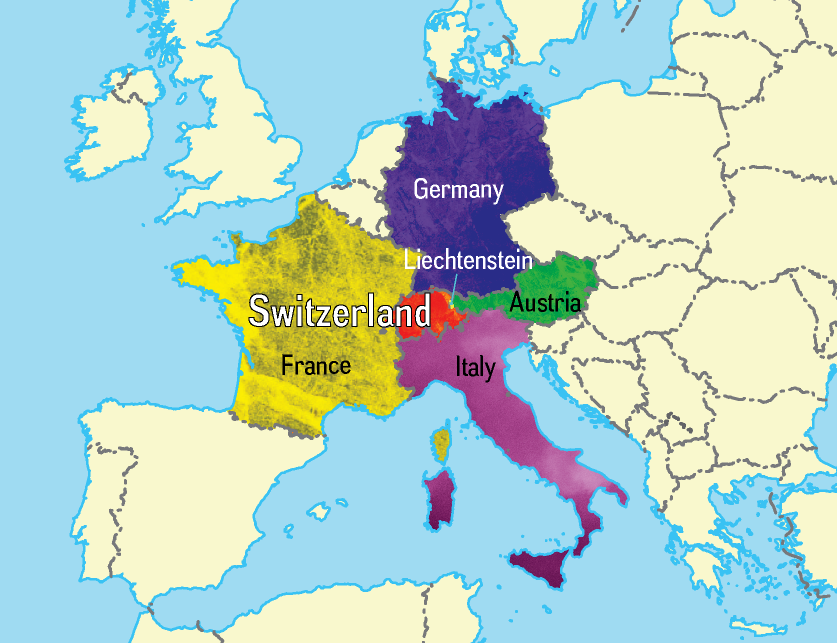
Switzerland denies airspace for US requests in a move that has quickly turned into a major geopolitical talking point across Europe and the United States. Reports indicate that Swiss authorities refused permission for certain U.S. military-related flights, citing their long-standing policy of neutrality. The decision highlights growing tensions around global conflicts, where even traditionally neutral countries are being pressured to take sides. This matters now because Europe’s strategic alignment is shifting, and neutral nations like Switzerland are redefining their roles in a rapidly changing security landscape.
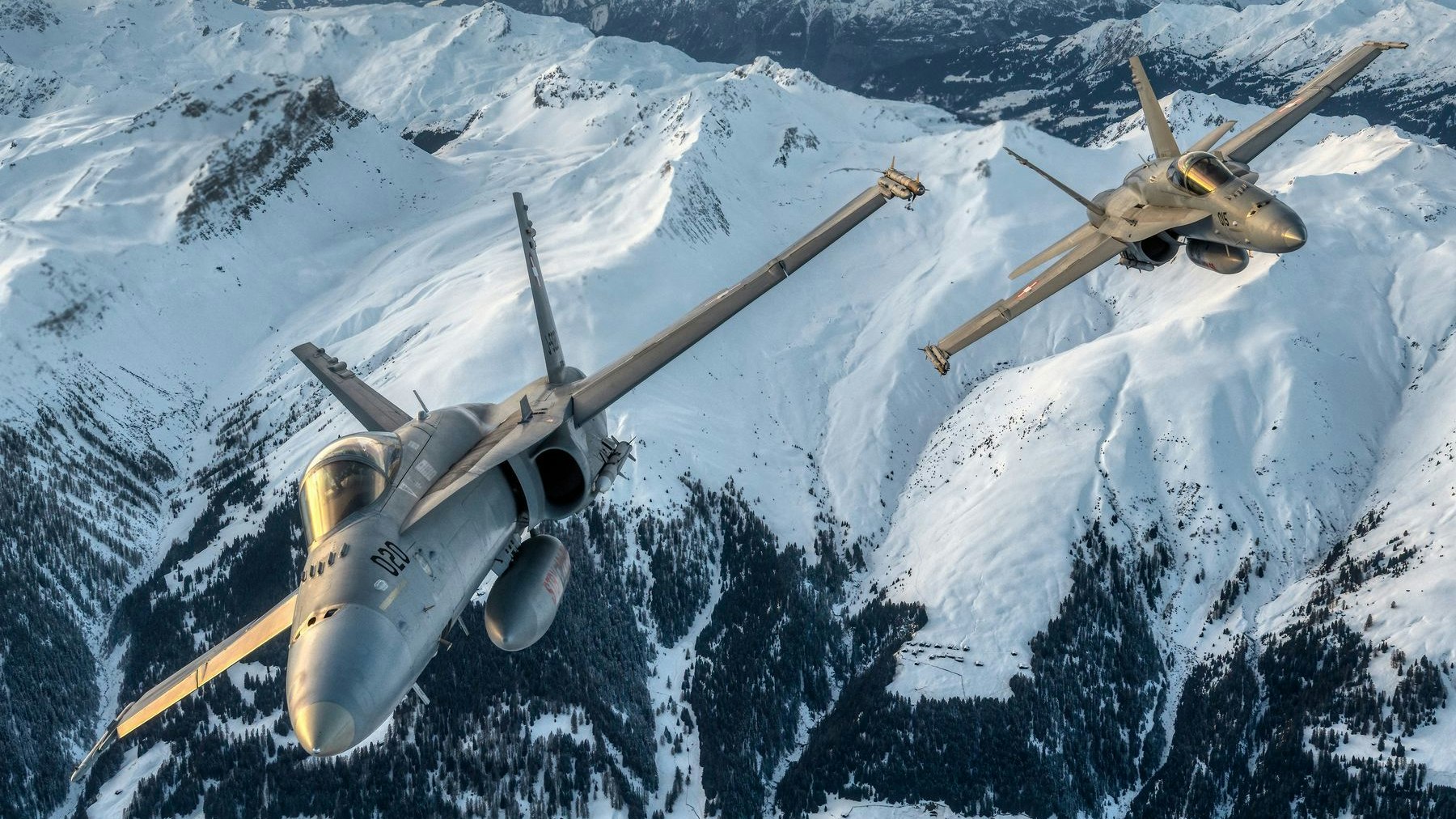
Switzerland’s Neutrality Policy Explained in Simple Terms
Switzerland’s decision is rooted in a centuries-old commitment to neutrality. Since the early 19th century, the country has avoided involvement in armed conflicts and military alliances. This neutrality is not just symbolic—it is embedded in Swiss law and foreign policy, shaping every major international decision.
In practical terms, neutrality means Switzerland avoids supporting military operations from any side unless under strict humanitarian or international law frameworks. Denying airspace access to foreign military operations is consistent with this approach. While Switzerland cooperates economically and diplomatically with global powers, it draws a firm line when it comes to military involvement. This policy has helped the country maintain stability, but in today’s interconnected world, it is being tested like never before.
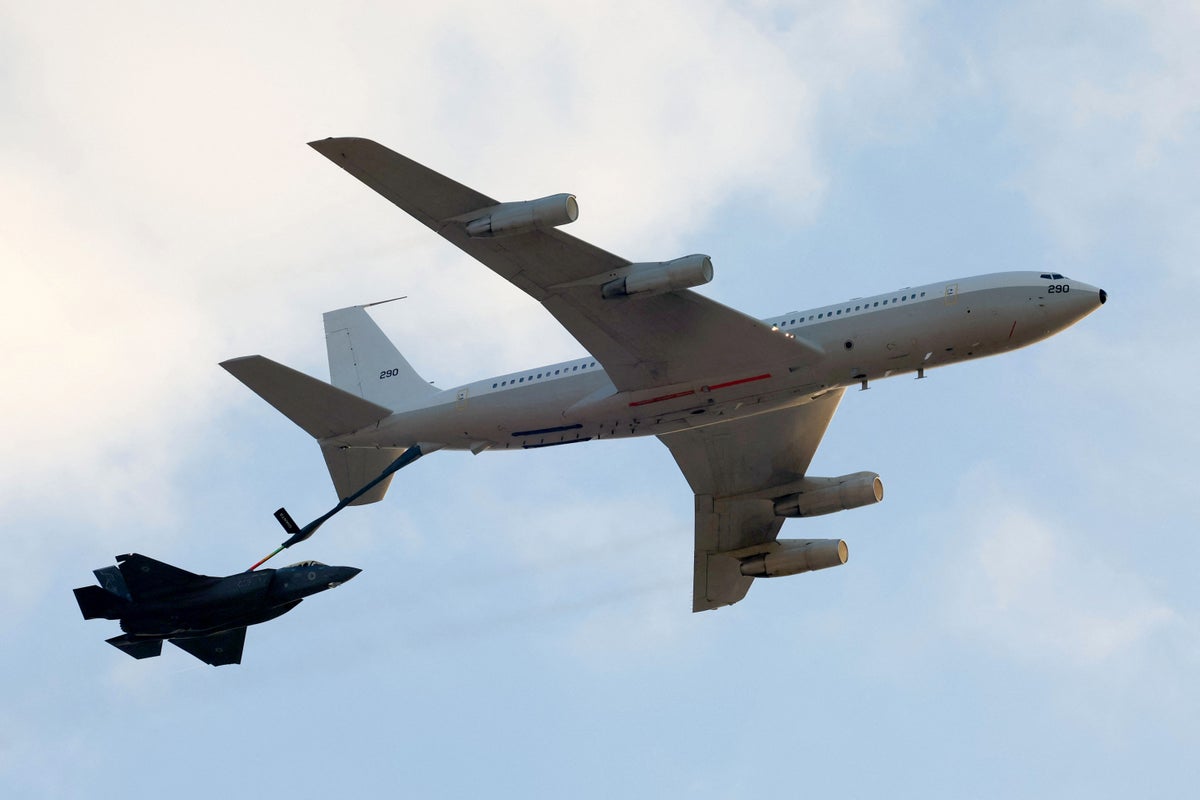
Why Switzerland Denied US Airspace Access
The refusal is not necessarily an anti-U.S. stance but rather a reflection of legal and political constraints. Swiss authorities must evaluate whether granting airspace access could be seen as indirect participation in a conflict. If the flights are linked to military operations, allowing them could compromise Switzerland’s neutral status.
Additionally, domestic political pressure plays a role. Swiss citizens strongly support neutrality, and any deviation can trigger internal debate. Government leaders are careful to maintain public trust while balancing international expectations. The decision also signals that Switzerland is willing to uphold its principles even when dealing with powerful allies like the United States.
Impact on the US Military and European Strategy
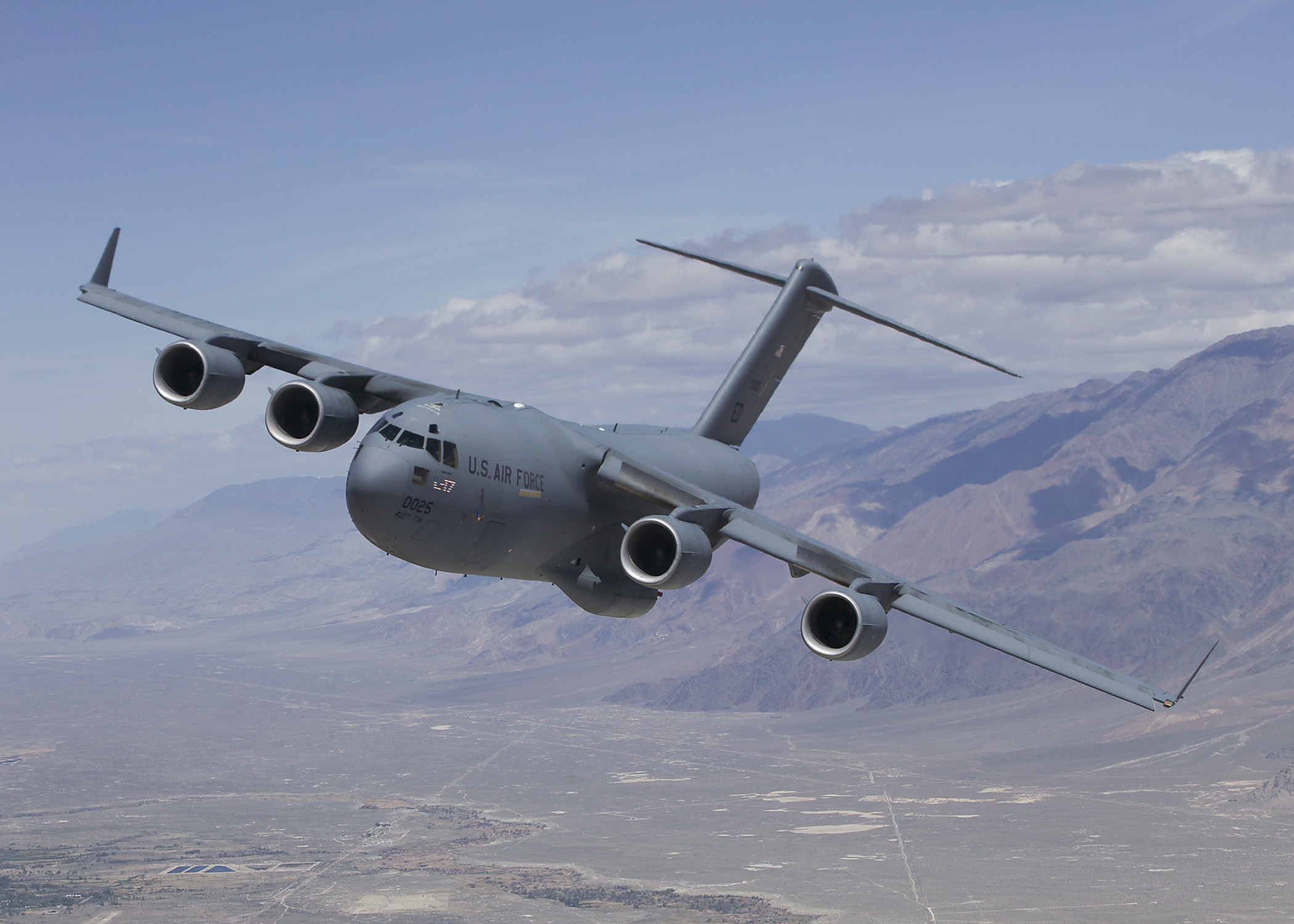

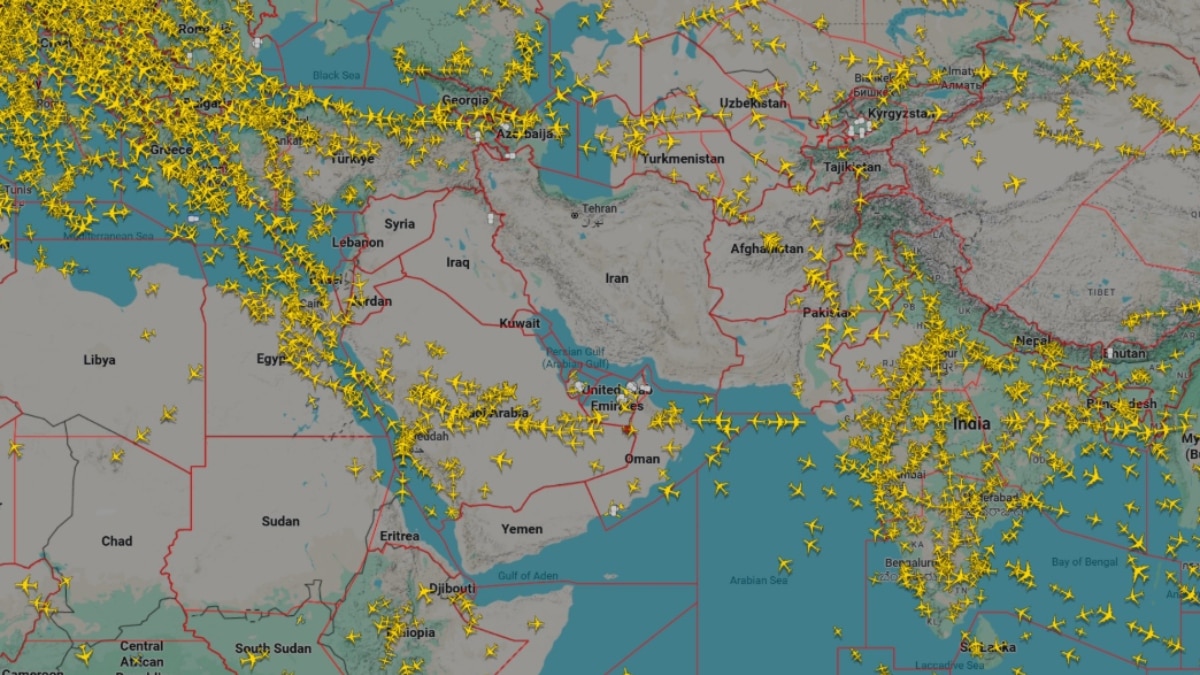
The immediate impact of this decision is logistical. U.S. military planners may need to reroute flights, which can increase costs, time, and operational complexity. While Europe has multiple air corridors, losing access to Swiss airspace removes a strategically central route.
On a broader level, this decision highlights the challenges NATO and its partners face in coordinating across Europe. Even though Switzerland is not a NATO member, its geographic position makes it important for transit routes. The denial underscores how neutral countries can still influence military logistics and strategic planning in significant ways.
Global Reactions and Political Signals
International reactions have been mixed. Some analysts view Switzerland’s move as a principled stand that reinforces international law and neutrality. Others see it as a potential obstacle to collective security efforts, especially in times of crisis.
For the United States, the decision may not drastically change operations, but it does send a subtle diplomatic signal. It reflects the limits of influence even among friendly nations. Meanwhile, other neutral countries may watch closely and consider adopting similar stances, which could reshape how military operations are coordinated globally.
Why This Matters Now for the World
This development comes at a time when geopolitical tensions are already high. Conflicts in various regions have forced countries to rethink alliances, security strategies, and diplomatic priorities. Switzerland’s decision serves as a reminder that neutrality still plays a role in modern geopolitics.
More importantly, it raises questions about the future of neutrality itself. As global conflicts become more complex, neutral countries may face increasing pressure to take clearer positions. Switzerland’s stance shows that maintaining neutrality is still possible—but it comes with challenges and consequences.
What Could Happen Next
Looking ahead, this situation could lead to deeper discussions between Switzerland and its international partners. Diplomatic negotiations may aim to clarify rules around airspace use, especially for non-combat or humanitarian missions.
At the same time, military planners may adapt by developing alternative routes and strategies. This could reduce reliance on neutral territories in the future. For Switzerland, the focus will remain on balancing its historic neutrality with the realities of a rapidly changing world.
Final Takeaway for Global Audience
The decision by Switzerland to deny airspace to the United States is more than a logistical issue—it is a reflection of deeper global shifts. It highlights the tension between long-standing principles and modern geopolitical demands. For readers in the United States and beyond, this story offers insight into how even small policy decisions can have wide-reaching implications.
As global dynamics continue to evolve, actions like this will shape the future of diplomacy, military strategy, and international cooperation. Staying informed on such developments is essential for understanding the world’s direction.
Subscribe to trusted news sites like USnewsSphere.com for continuous updates.