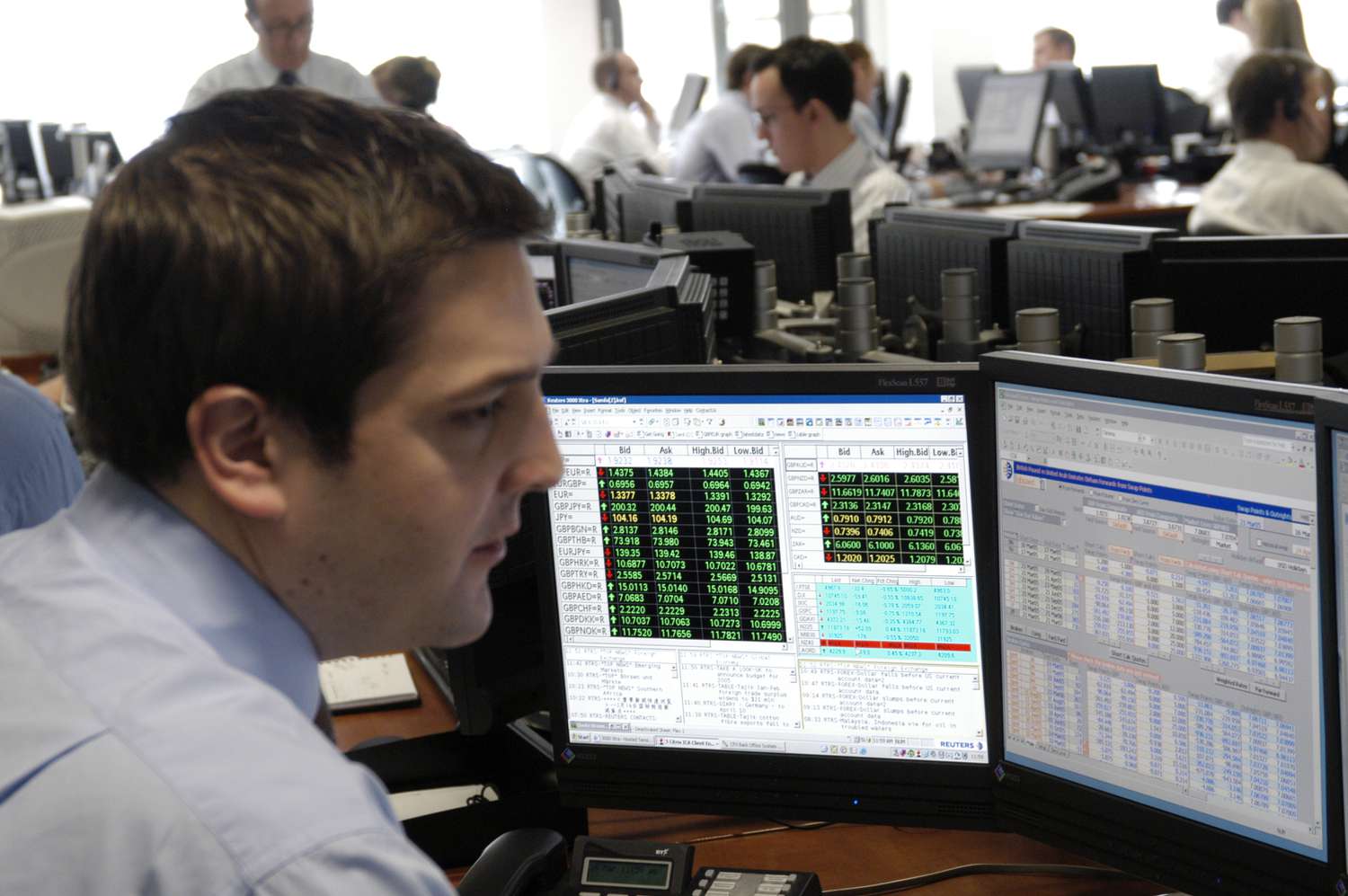
Why Institutional Investors Are Rotating Capital in 2026—and What It Means for Retail Traders is one of the most important market developments shaping investment strategies this year. Across the United States, hedge funds, asset managers, and large financial institutions are shifting billions of dollars between sectors, asset classes, and geographies. This capital rotation is not random—it reflects deeper economic changes, evolving risk conditions, and new opportunities emerging in a rapidly transforming global market.
For retail traders, understanding where institutional money is flowing is critical. Institutional investors often move early, setting trends that smaller investors follow later. In 2026, this rotation is being driven by a mix of interest rate uncertainty, AI-driven growth, energy demand, and changing global economic dynamics.
What Capital Rotation Means and Why It Matters Now
Capital rotation refers to the movement of investment funds from one sector or asset class to another. Institutional investors continuously adjust their portfolios based on economic conditions, market trends, and risk assessments.

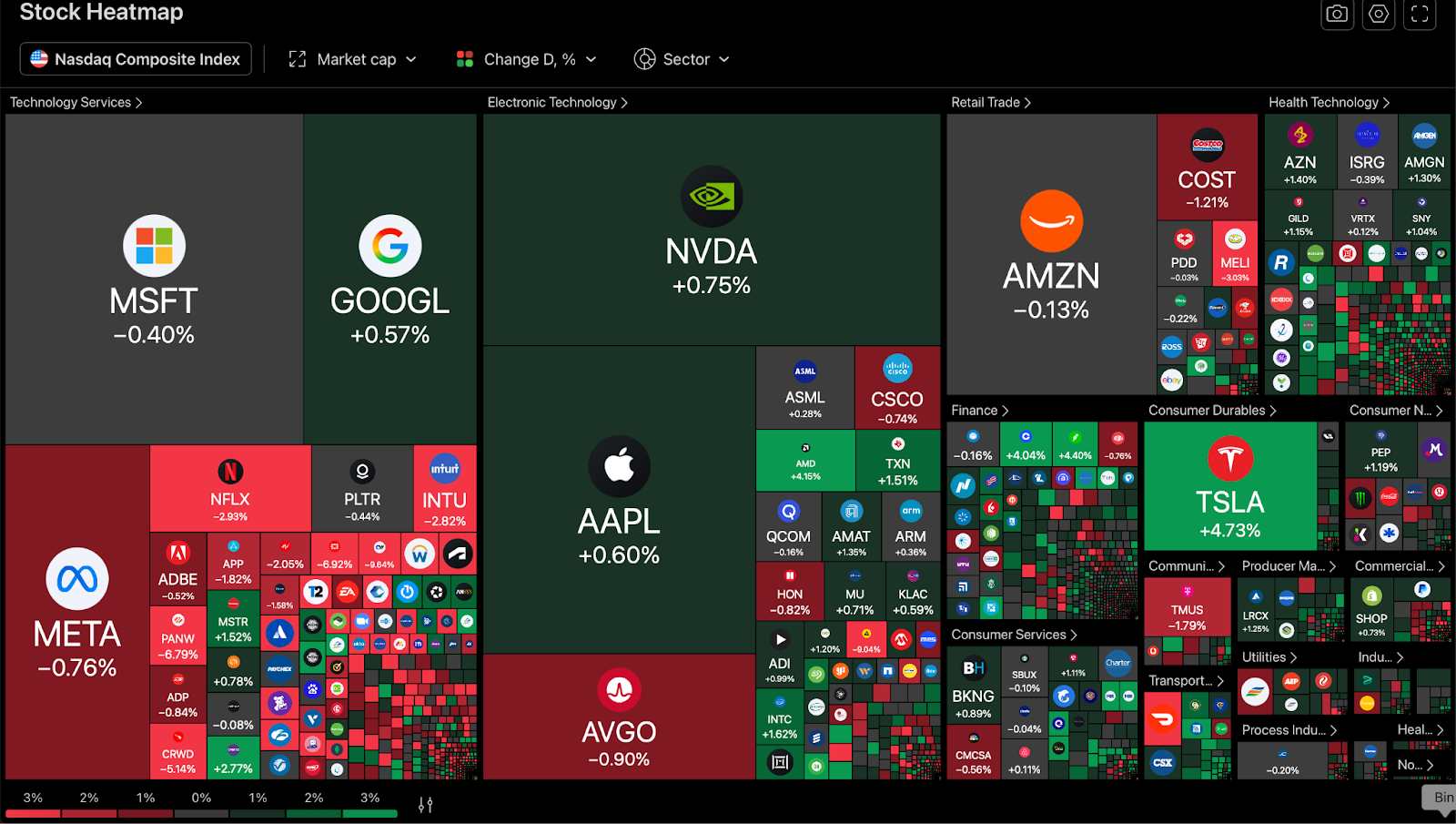
In 2026, this process has accelerated due to increased market volatility and rapidly changing economic signals. Investors are no longer holding static portfolios—they are actively reallocating capital to capture opportunities and reduce risk.
For retail traders, this matters because capital rotation often precedes major market moves. Identifying these shifts early can provide a significant advantage in timing trades and selecting investments.
Key Drivers Behind Institutional Capital Rotation in 2026
Several factors are influencing why institutional investors are rotating capital this year.
Interest rate uncertainty is one of the primary drivers. As central banks adjust policies, investors are moving away from rate-sensitive assets and into sectors that can perform better in changing environments.
At the same time, inflation trends and global economic conditions are shaping investment decisions. Investors are seeking assets that can provide stability and growth, even in uncertain conditions.
Technological advancements, particularly in artificial intelligence, are also attracting significant capital. Meanwhile, traditional sectors are being reevaluated based on efficiency, profitability, and long-term potential.
Where the Money Is Flowing: Sectors Gaining Momentum
Institutional capital is currently flowing into specific sectors that align with long-term trends.
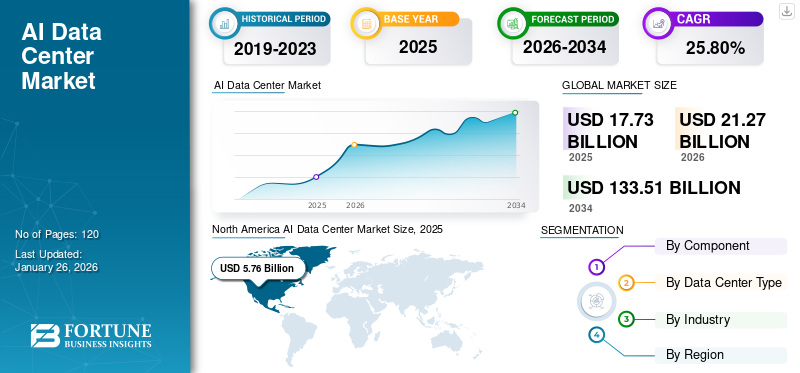

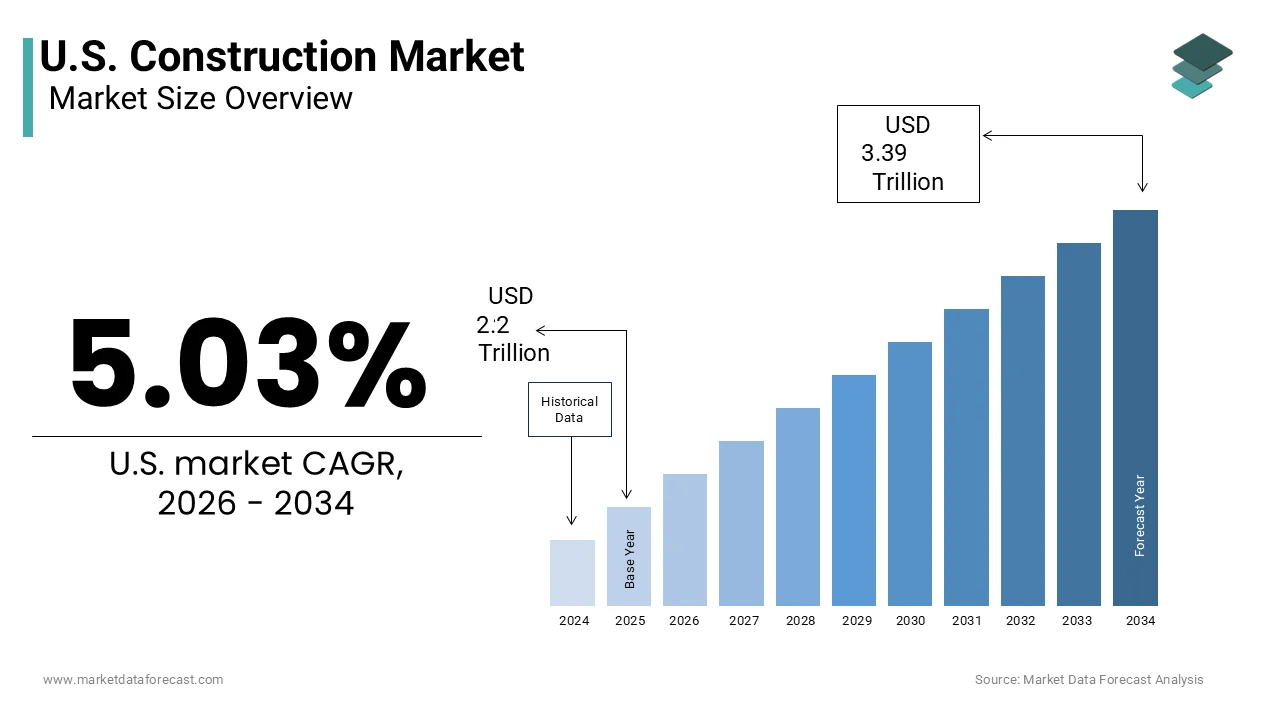
AI and technology remain major beneficiaries, driven by strong demand for data infrastructure and automation. Energy and utilities are also gaining attention due to rising demand and their role in supporting economic growth.
Infrastructure investments are another key area, supported by government spending and long-term development projects. These sectors provide a combination of growth and stability, making them attractive to institutional investors.
Understanding these flows helps retail traders identify which sectors are likely to outperform in the coming months.
Sectors Losing Capital and Why It Matters
While some sectors are gaining investment, others are seeing capital outflows.
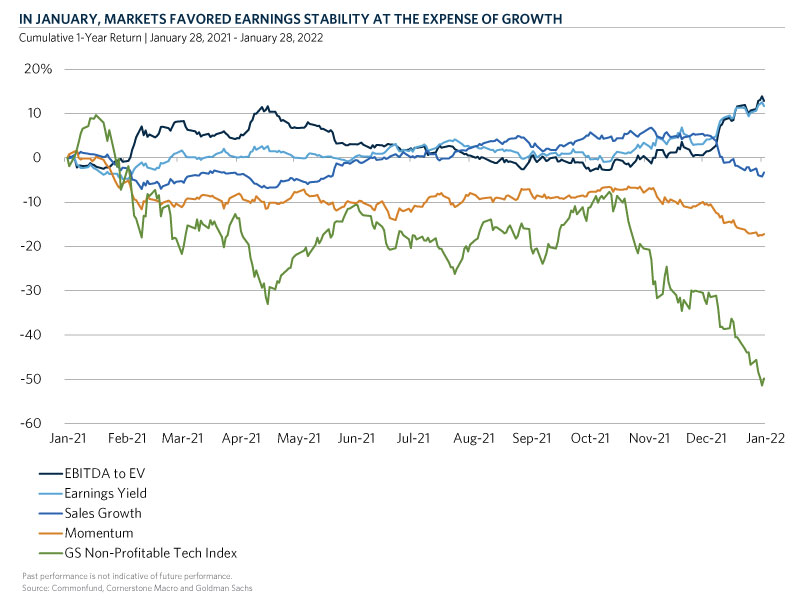

Highly valued growth stocks, particularly those with weak earnings, are facing pressure as investors reassess valuations. Consumer discretionary sectors are also experiencing challenges due to reduced spending power among consumers.
These shifts highlight the importance of adapting to market conditions. Investors who fail to recognize changing trends may find themselves holding underperforming assets.
For retail traders, avoiding sectors with declining institutional interest can be just as important as identifying new opportunities.
What Retail Traders Should Do to Stay Ahead
Retail traders can benefit significantly by aligning their strategies with institutional trends.


The first step is staying informed. Monitoring market news, sector performance, and economic indicators can provide valuable insights into where capital is moving.
Diversification is another key strategy. By spreading investments across different sectors, traders can reduce risk and increase the potential for returns.
Timing also plays a crucial role. Entering positions early in a sector rotation can lead to significant gains, while late entry may limit upside potential.
Risks, Market Outlook, and Future Trends
While capital rotation creates opportunities, it also comes with risks.
Market volatility can lead to rapid changes in sentiment, causing sudden shifts in capital flows. Investors must be prepared for these fluctuations and adjust their strategies accordingly.
Looking ahead, trends such as AI adoption, energy demand, and infrastructure development are expected to continue driving capital rotation. However, macroeconomic factors such as interest rates and inflation will remain key influences.
Experts suggest focusing on long-term trends rather than short-term noise. Investors who combine data-driven analysis with disciplined strategies are more likely to succeed.
Turning Institutional Trends into Retail Opportunities
Institutional capital rotation in 2026 is reshaping the investment landscape, creating both challenges and opportunities for retail traders. By understanding where money is flowing and why, traders can make more informed decisions and position themselves for success.
The key is to stay adaptable, informed, and disciplined. Markets will continue to evolve, but those who follow the flow of capital and align their strategies accordingly will have a significant advantage.
In a world where institutional investors set the tone, retail traders who pay attention can turn these trends into powerful opportunities.
Subscribe to trusted news sites like USnewsSphere.com for continuous updates.