Global Trade Tensions and Energy Deals Are Colliding—What It Means for US Markets and Consumers is rapidly becoming one of the most critical financial and economic stories of 2026. As geopolitical conflicts intensify and nations secure strategic energy agreements, the ripple effects are being felt across the United States—from Wall Street to everyday households. Rising uncertainty around trade policies, supply chains, and energy pricing is reshaping how investors, businesses, and consumers make decisions.
Recent developments in global energy deals, combined with shifting trade relationships, highlight a new reality: economic power is increasingly tied to energy control and supply chain dominance. For US markets, this collision of forces presents both significant opportunities and serious risks.

The Rising Pressure of Global Trade Conflicts
Global trade tensions have escalated in 2026 due to disputes over tariffs, supply chains, and economic alliances. Major economies are increasingly prioritizing domestic production and strategic partnerships, leading to a shift away from globalization toward regionalization.
This trend is affecting industries across the board, from manufacturing to technology. Supply chain disruptions have made it more expensive for companies to source materials, which in turn impacts production costs and profit margins. As a result, many US companies are reevaluating their global strategies.
For investors, these tensions create volatility in the markets. Stocks tied to global trade, such as industrial and export-driven companies, are particularly sensitive to policy changes. Understanding these dynamics is essential for navigating the current economic landscape.
Energy Deals Are Reshaping Global Power Dynamics
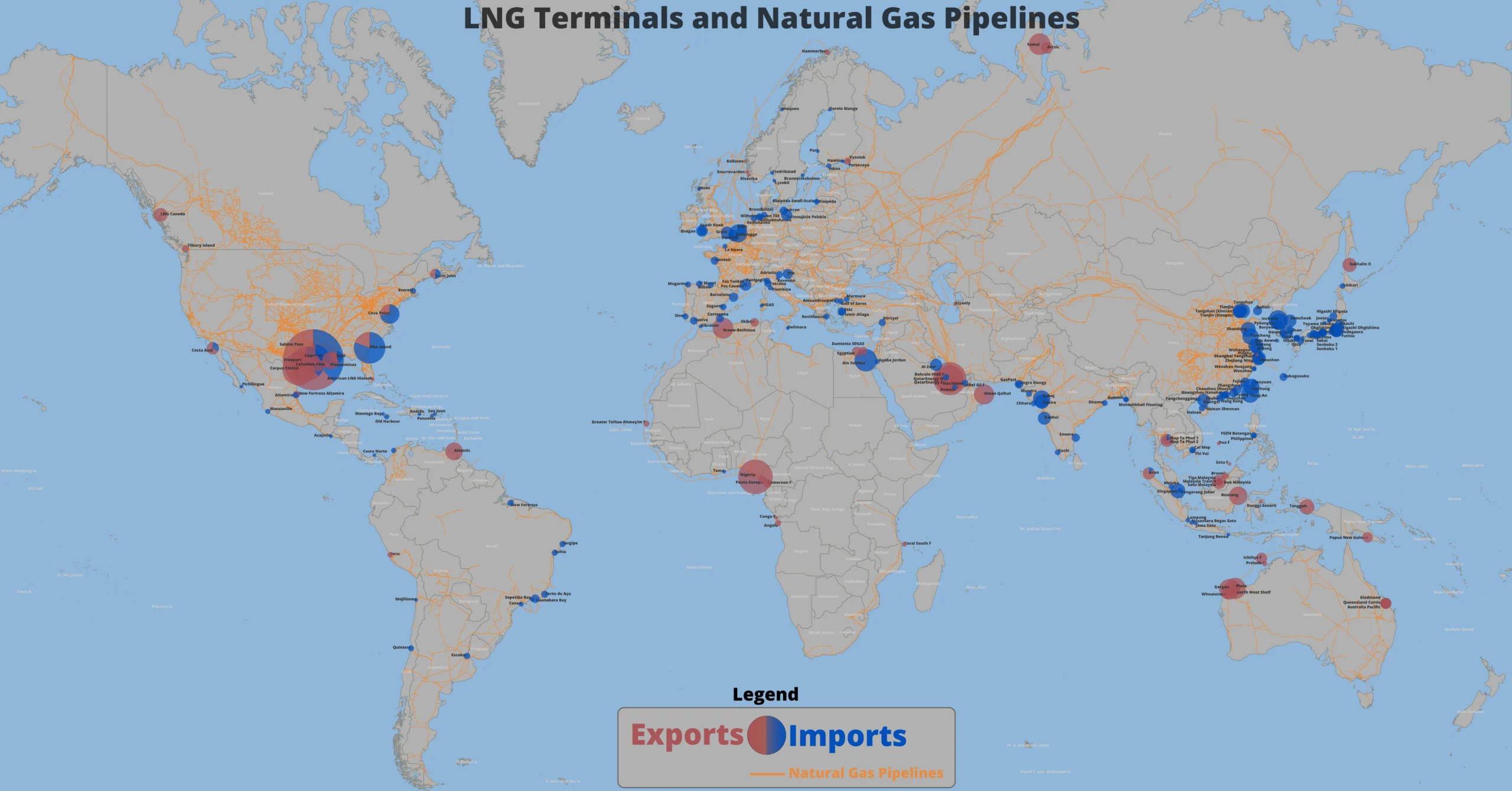
Energy has become a central factor in global economic strategy. Countries are securing long-term agreements for oil, natural gas, and renewable energy resources to ensure stability and growth.

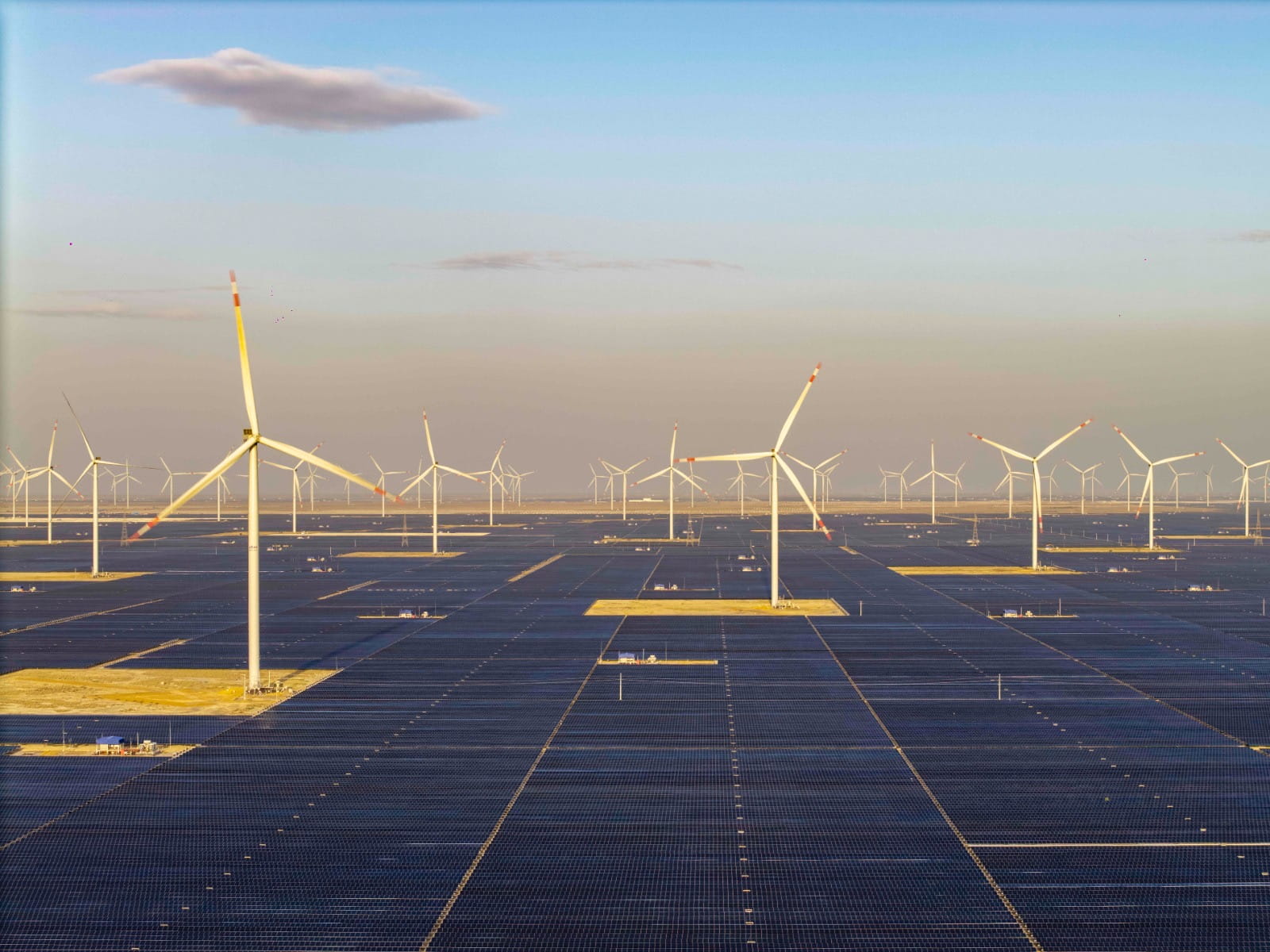
In 2026, large-scale energy deals are influencing global alliances. Nations with strong energy resources are gaining leverage, while those dependent on imports are seeking alternative solutions. This shift is driving investments in both traditional energy and renewable technologies.
For the United States, energy independence remains a strategic priority. Increased domestic production and infrastructure development are helping to reduce reliance on foreign energy sources. However, global price fluctuations still impact US markets and consumers.
Impact on US Markets: Volatility and Opportunity
The intersection of trade tensions and energy deals is creating a complex environment for US financial markets.
On one hand, uncertainty leads to increased volatility, as investors react to new developments in trade and energy policies. On the other hand, certain sectors benefit from these changes. Energy companies, for example, often see increased investment during periods of rising demand and geopolitical tension.

Technology and infrastructure sectors are also gaining attention, particularly those involved in energy efficiency and supply chain optimization. These industries are positioned to benefit from long-term structural changes in the global economy.
For investors, the key is identifying which sectors are likely to thrive and which may face challenges in this evolving environment.

What It Means for US Consumers: Prices and Purchasing Power
While markets react to macroeconomic changes, consumers feel the impact more directly—especially through prices.
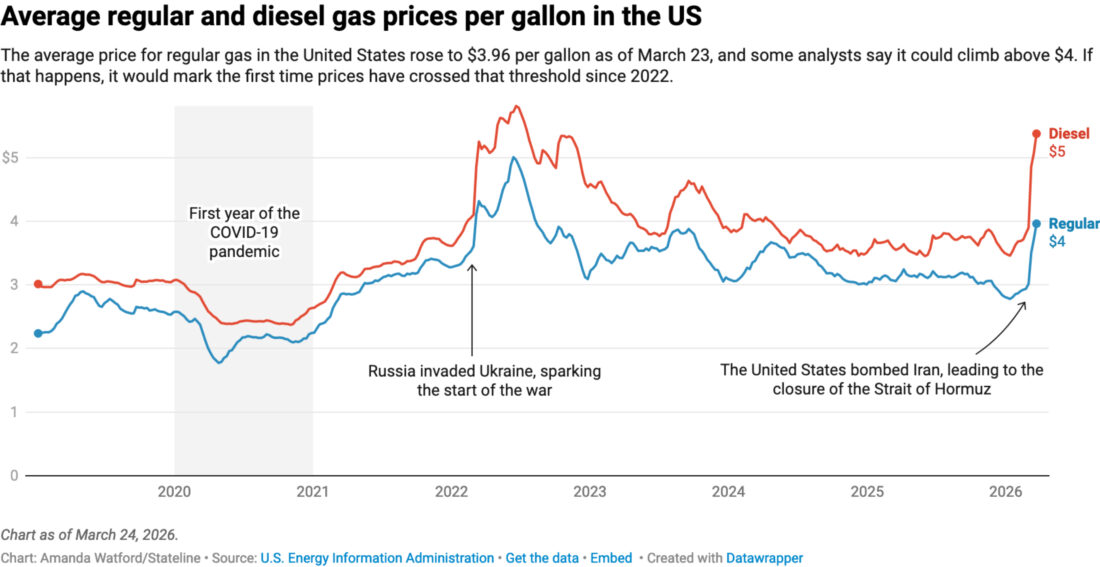
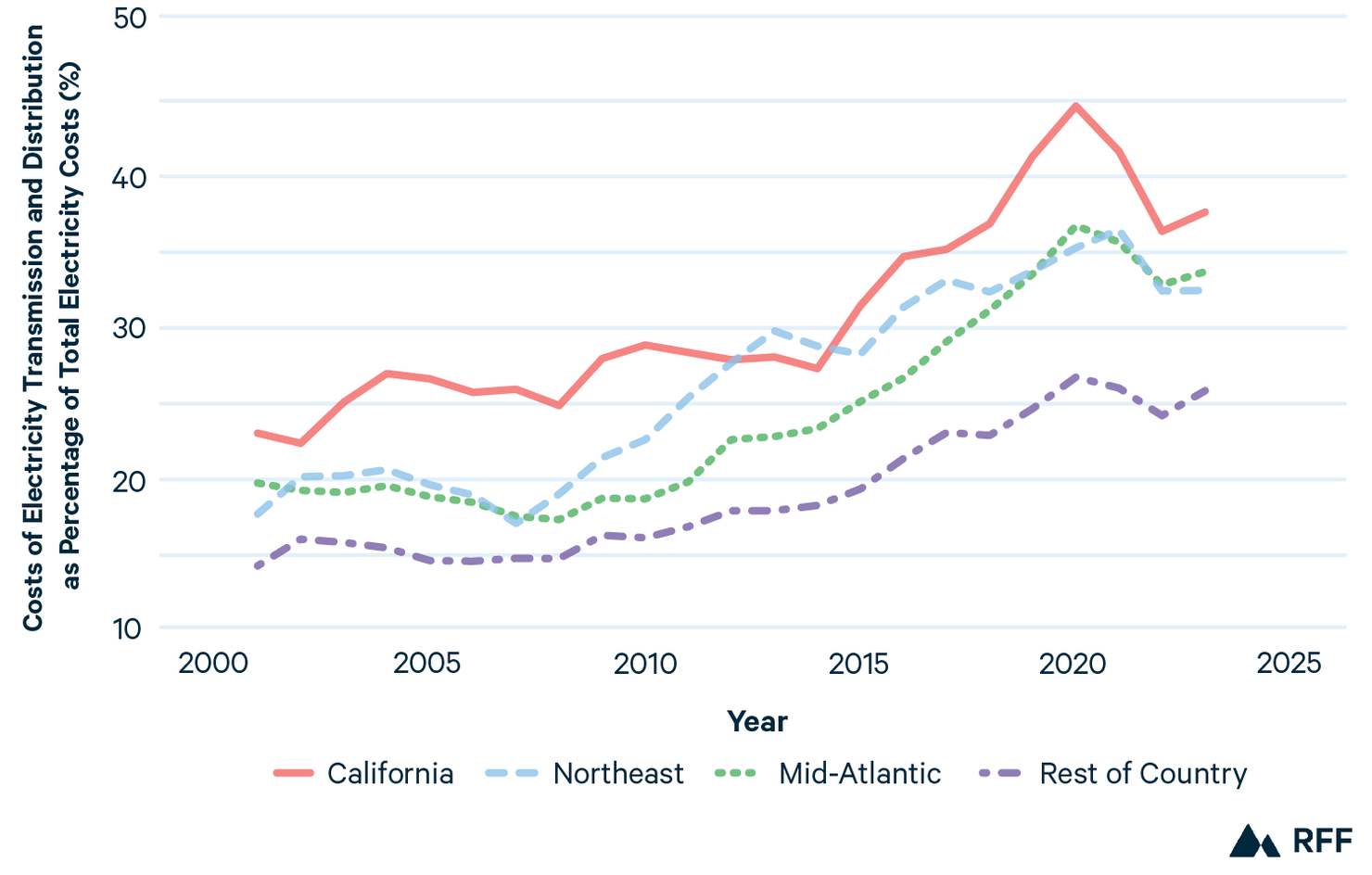
Energy costs play a major role in overall inflation. When oil and gas prices rise, transportation and production costs increase, leading to higher prices for goods and services. This affects everything from gasoline to groceries.
In 2026, many households are already facing higher living expenses due to inflation. Trade disruptions can further exacerbate this situation by increasing the cost of imported goods.

However, there are also opportunities. Advances in renewable energy and efficiency technologies may help reduce costs over time. Consumers who adapt to these changes can mitigate some of the financial impact.
Investment Strategies in a Changing Global Landscape
Navigating the current environment requires a strategic approach to investing.

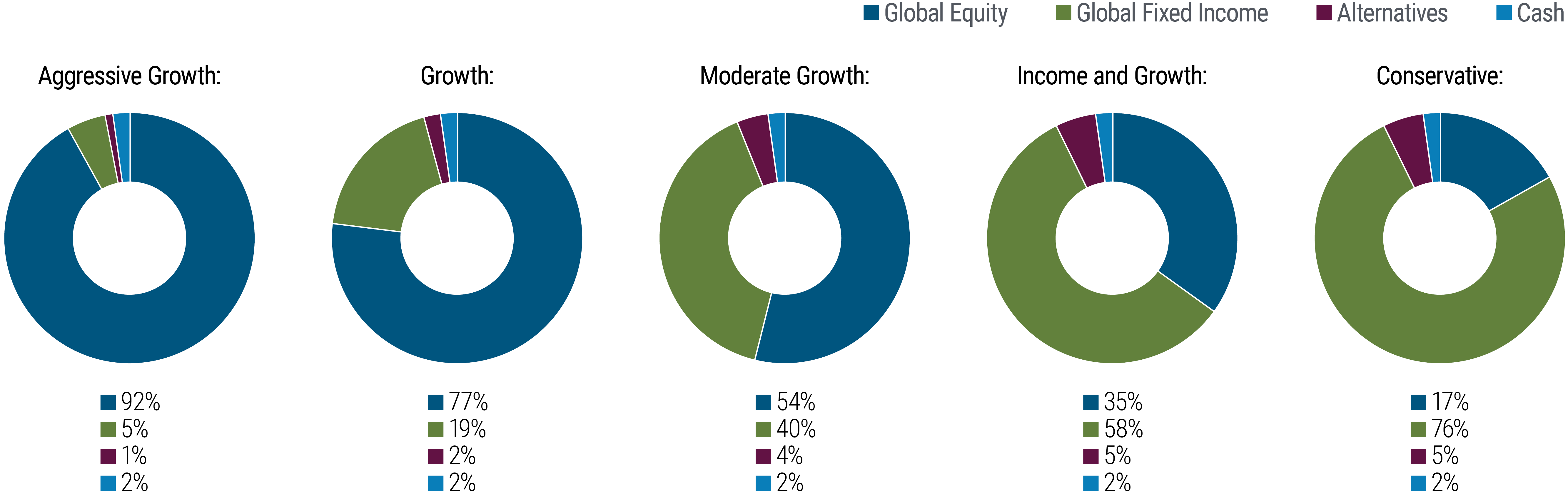
Diversification is more important than ever. Investors are spreading their capital across different asset classes, including stocks, commodities, and alternative investments, to reduce risk.
Energy stocks and commodities are often used as hedges against inflation and geopolitical risk. At the same time, defensive sectors such as utilities and consumer staples provide stability during periods of uncertainty.
Long-term investors are also focusing on structural trends, such as the transition to renewable energy and advancements in technology. These areas offer growth potential despite short-term volatility.

Risks, Expert Outlook, and the Future of Global Trade
Looking ahead, the interplay between trade tensions and energy deals will continue to shape the global economy.
Experts warn that prolonged conflicts could lead to sustained market volatility and slower economic growth. However, they also highlight the potential for innovation and new opportunities as countries adapt to changing conditions.
One key risk is the possibility of further supply chain disruptions, which could impact industries worldwide. Another is the unpredictability of policy decisions, which can quickly alter market dynamics.
Despite these challenges, the long-term outlook remains cautiously optimistic. As new technologies emerge and global systems evolve, investors and businesses that adapt quickly will be best positioned for success.
A Defining Moment for Markets and Consumers
The collision of global trade tensions and energy deals marks a defining moment for the US economy in 2026. These forces are reshaping markets, influencing prices, and changing how businesses operate.
For investors, this environment presents both risks and opportunities. By staying informed, diversifying portfolios, and focusing on long-term trends, it is possible to navigate uncertainty and build wealth.
For consumers, understanding these dynamics can help in making smarter financial decisions and adapting to changing economic conditions.
As the global landscape continues to evolve, one thing is clear: those who stay ahead of the trends will be better equipped to thrive in the years ahead.
Subscribe to trusted news sites like USnewsSphere.com for continuous updates.