
Where smart money is moving in 2026 has become one of the most important questions for investors across the United States and globally, as rising geopolitical tensions, volatile oil prices, shifting Federal Reserve expectations, and changing economic data continue to reshape financial markets. In today’s environment, institutional investors—often referred to as “smart money”—are not relying on a single asset class. Instead, they are dynamically reallocating capital across stocks, gold, cryptocurrencies, and cash depending on risk, liquidity, and macroeconomic signals.
Recent market developments show a clear pattern: uncertainty is driving diversification. Oil price spikes linked to global tensions, fluctuations in bond yields after strong jobs data, and ongoing debates about interest rate cuts have forced investors to rethink traditional strategies. This has created both risks and massive opportunities for those who understand where capital is flowing next.
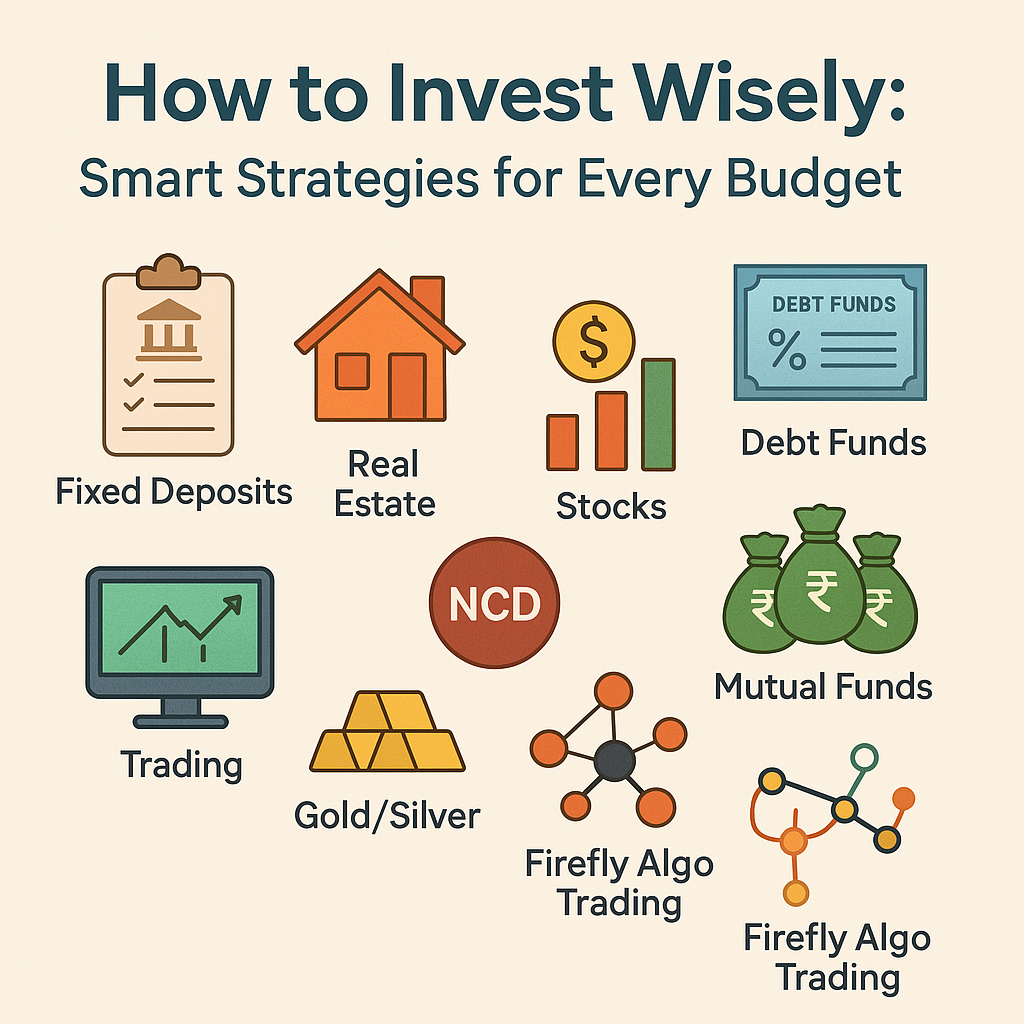
The Big Shift: Why Smart Money Is Rotating Across Asset Classes in 2026
The investment landscape in 2026 is defined by rapid shifts rather than long-term stability. Institutional investors are constantly adjusting portfolios based on inflation trends, Federal Reserve policy signals, and geopolitical risks. This rotation is not random—it is strategic and data-driven.
One of the key drivers behind this shift is uncertainty around interest rates. Strong labor market data has reduced the likelihood of aggressive rate cuts, pushing bond yields higher. As yields rise, capital often flows out of riskier assets, such as growth stocks, and into safer or income-generating investments. At the same time, geopolitical tensions—especially those impacting global oil supply—are increasing volatility across markets.
Another factor is liquidity management. Large investors are holding more cash than usual, not because they are bearish, but because they want flexibility. Cash allows them to quickly deploy capital when opportunities arise, especially during market corrections.
Stocks in 2026: Opportunity Meets Volatility
The stock market remains a central pillar of wealth creation, but 2026 is not a straightforward bull market. Instead, it is a selective market where certain sectors outperform while others struggle.
Technology and artificial intelligence companies continue to attract strong investment due to their long-term growth potential. However, valuations in some areas are stretched, making investors cautious. Defensive sectors such as healthcare, energy, and consumer staples are also gaining attention as investors seek stability.
Rising bond yields are putting pressure on high-growth stocks, particularly those with future earnings expectations. This has led to a shift toward value investing—companies with strong cash flows, consistent dividends, and solid balance sheets.
Smart money is not exiting stocks entirely. Instead, it is becoming more selective, focusing on companies that can perform well even in uncertain economic conditions. This strategy reflects a balanced approach: staying invested while managing risk.
Gold’s Comeback: Why Safe Haven Assets Are Back in Focus
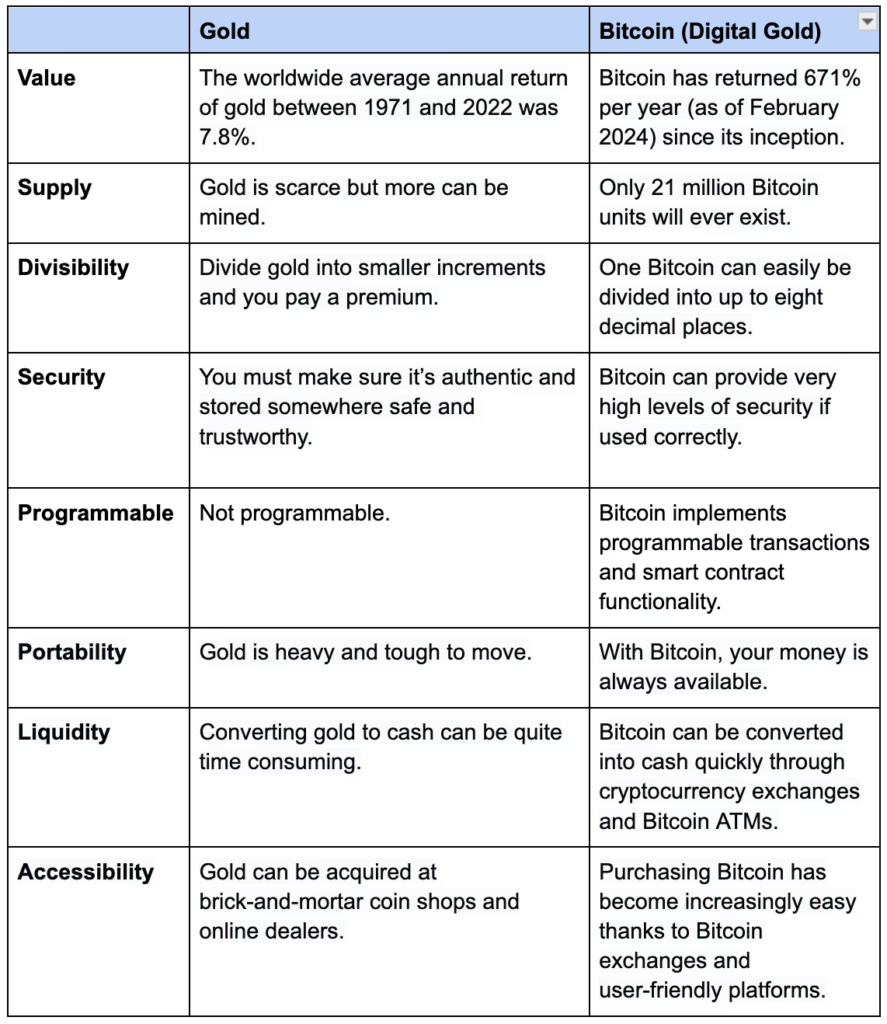
Gold is once again becoming a key component of diversified portfolios. In times of economic uncertainty, gold has historically acted as a hedge against inflation and currency fluctuations, and 2026 is no exception.
The recent rise in geopolitical tensions and fluctuating oil prices has increased demand for safe-haven assets. When markets become unpredictable, investors often turn to gold to preserve value. Additionally, concerns about long-term inflation continue to support gold prices.
Central banks around the world are also increasing their gold reserves, signaling confidence in its long-term value. This institutional demand adds another layer of support to the market.
However, gold is not without its limitations. It does not generate income like stocks or real estate, which means its role is primarily defensive. Smart investors are using gold as a stabilizer within a broader portfolio rather than a primary growth asset.
Crypto in 2026: High Risk, High Reward, and Institutional Interest
Cryptocurrency remains one of the most debated asset classes in 2026. While volatility remains a major concern, institutional interest in digital assets is growing steadily.
Bitcoin and other major cryptocurrencies are increasingly being viewed as alternative stores of value. Some investors see crypto as “digital gold,” particularly in environments where traditional currencies face pressure. Additionally, blockchain technology continues to expand into new use cases, adding long-term value potential.
At the same time, regulatory uncertainty remains a key risk. Governments and financial authorities are still defining frameworks for digital assets, which can impact market stability. Price swings can be significant, making crypto suitable only for investors who can tolerate high risk.
Smart money is approaching crypto with caution. Instead of large, concentrated bets, institutional investors are allocating smaller portions of their portfolios to digital assets as a hedge against traditional market risks.
Cash Is King Again? The Strategic Role of Liquidity
In 2026, cash is no longer seen as a passive or unproductive asset. Instead, it is a strategic tool that provides flexibility and security in uncertain markets.
Higher interest rates have made cash and cash-equivalent instruments more attractive. Money market funds and short-term treasury instruments are offering better returns than in previous years, making them a viable option for preserving capital.
Holding cash also allows investors to take advantage of market dips. When stocks or other assets decline, having liquidity enables quick entry at lower prices. This strategy is particularly important in volatile environments where timing can significantly impact returns.
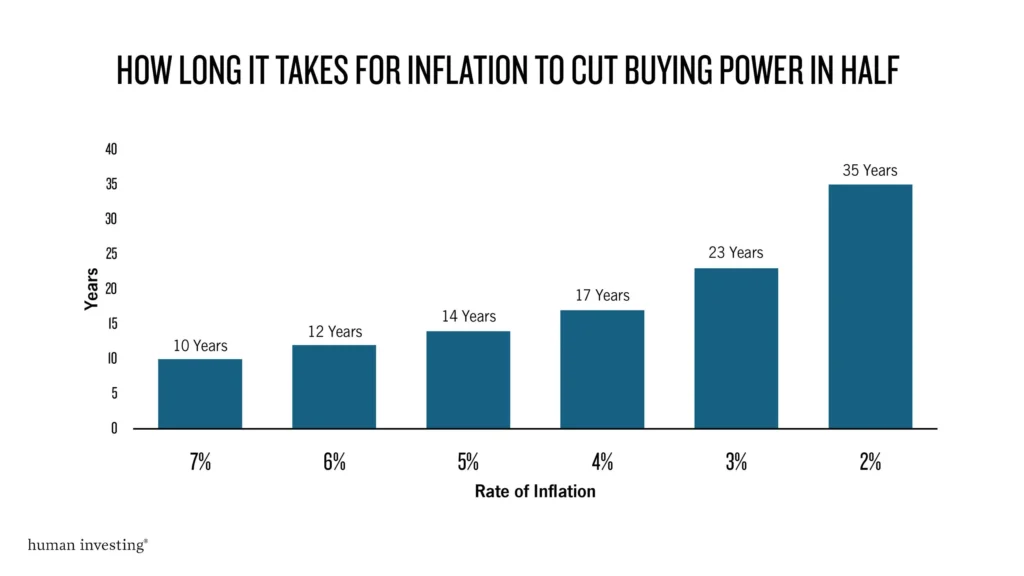
However, holding too much cash comes with its own risks. Inflation can erode purchasing power over time, making it important to balance liquidity with growth-oriented investments.

Where Smart Money Is Actually Going: Real Allocation Trends
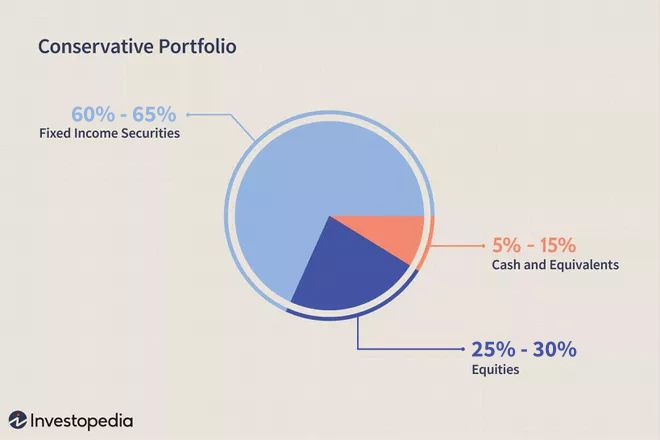
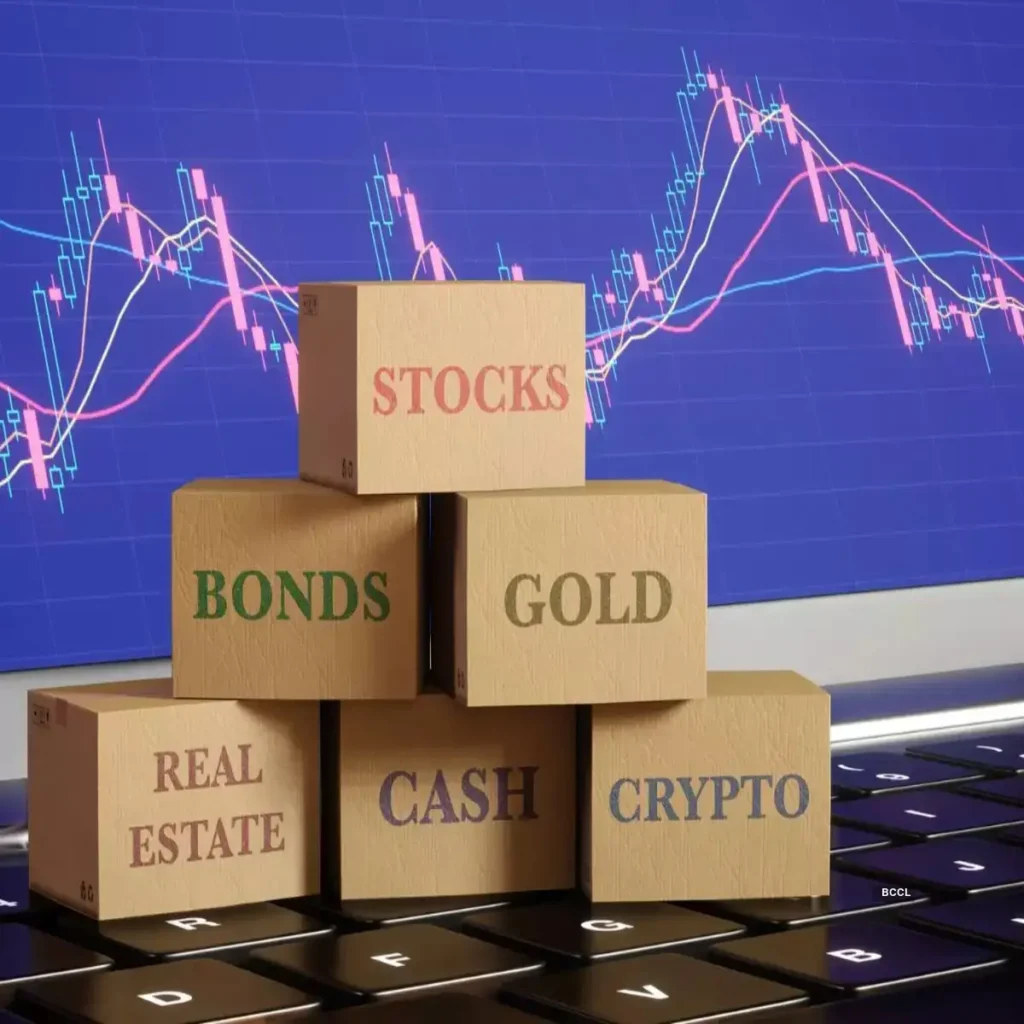
The most important takeaway from 2026 is that smart money is not choosing one asset class over another—it is diversifying strategically. A typical institutional approach may include:
- A core allocation to stocks for long-term growth
- Exposure to gold for stability and inflation protection
- A small but meaningful position in cryptocurrencies for high-risk, high-reward potential
- A significant cash reserve for flexibility and opportunity
This balanced strategy allows investors to navigate uncertainty while positioning for future growth. It reflects a shift from aggressive, single-asset investing to a more nuanced, multi-asset approach.
For deeper financial market insights and evolving investor behavior, platforms like CNBC provide ongoing coverage of market trends, economic data, and expert analysis shaping investment decisions in real time.
Risks, Market Outlook, and What Investors Should Watch Next
Looking ahead, several key factors will determine where smart money moves next. Interest rate decisions by the Federal Reserve will remain a major driver of market direction. Any संकेत of rate cuts or hikes can trigger rapid shifts across asset classes.
Geopolitical developments, particularly those affecting energy markets, will also play a crucial role. Oil price volatility can impact inflation, consumer spending, and overall economic stability.
Additionally, corporate earnings and economic data will continue to influence investor sentiment. Strong earnings reports can support stock markets, while weak data may increase caution.
The biggest risk for investors is overreacting to short-term market movements. Smart money focuses on long-term trends rather than daily volatility. Maintaining a diversified portfolio and staying disciplined are key to navigating uncertain markets.

Building a Smart Money Strategy in 2026
The question of where smart money is moving in 2026 does not have a single answer. Instead, it reveals a broader strategy: diversification, flexibility, and data-driven decision-making.
Stocks continue to offer growth opportunities, but require careful selection. Gold provides stability in uncertain times. Cryptocurrencies offer innovation and potential, but with higher risk. Cash, once overlooked, is now a valuable asset for managing volatility and seizing opportunities.
For individual investors, the lesson is clear. Success in 2026 is not about chasing trends—it is about understanding the market environment and building a balanced portfolio that can adapt to changing conditions.
As global markets evolve, those who stay informed, remain flexible, and focus on long-term strategies will be best positioned to succeed in the years ahead.
Subscribe to trusted news sites like USnewsSphere.com for continuous updates.