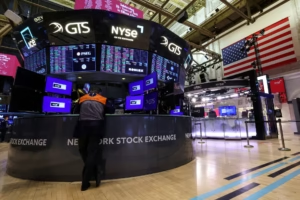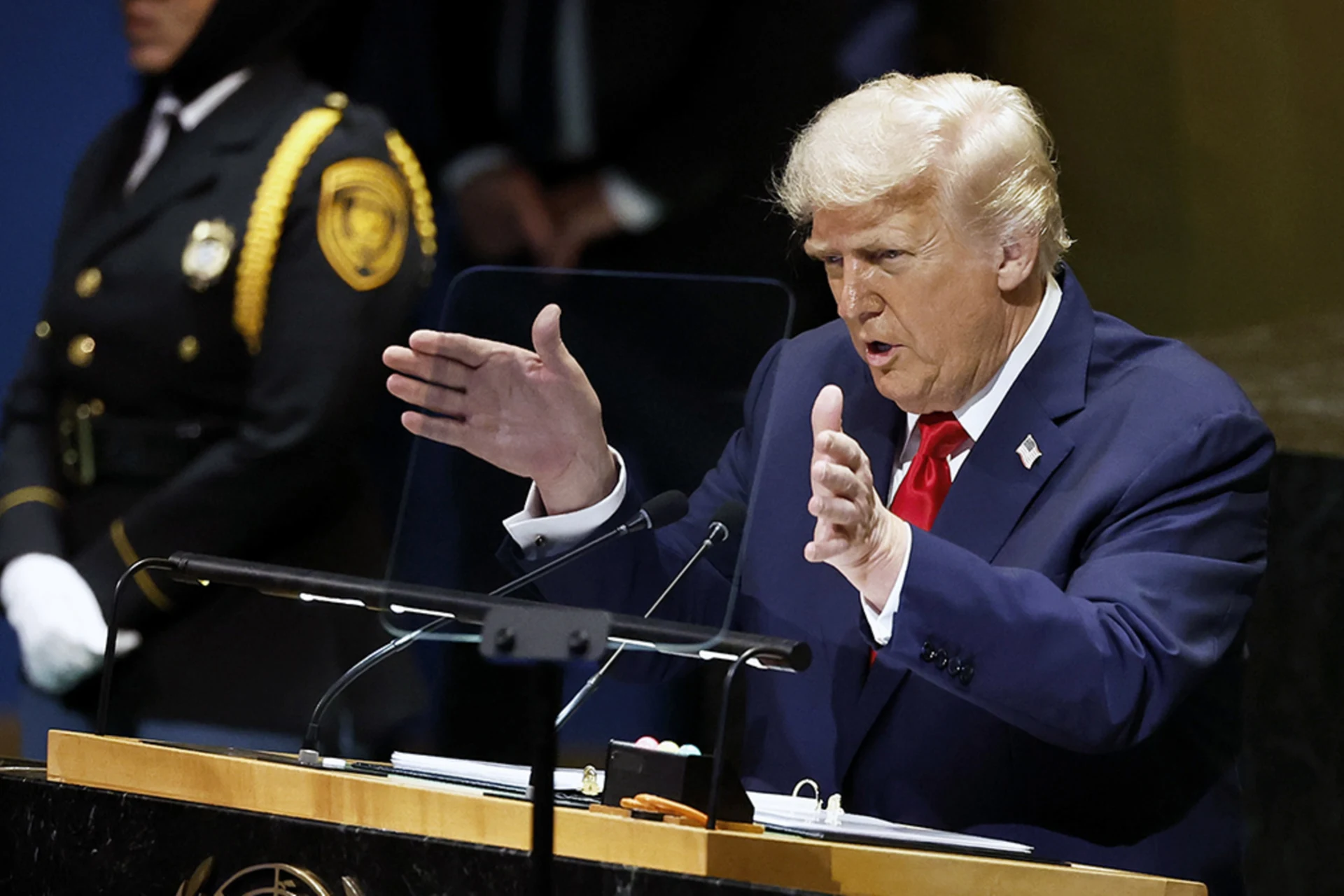
Dow, S&P 500, Nasdaq Surge After Trump Signals End to Hormuz Conflict — Is This the Start of a New Bull Run? is dominating financial headlines as US markets react strongly to easing geopolitical tensions. A sharp rally across major indices has reignited optimism among investors, raising a critical question: is this a short-term bounce or the beginning of a sustained bull market?

Markets responded positively after signals suggested a possible de-escalation in tensions around the Strait of Hormuz, one of the world’s most important oil transit routes. This development has reduced fears of supply disruptions and eased pressure on global energy prices—two major drivers of recent market volatility.
What Triggered the Market Rally in 2026
The surge in US stock markets was largely driven by geopolitical developments. Reduced tensions in the Middle East, particularly around key oil routes, helped restore investor confidence.
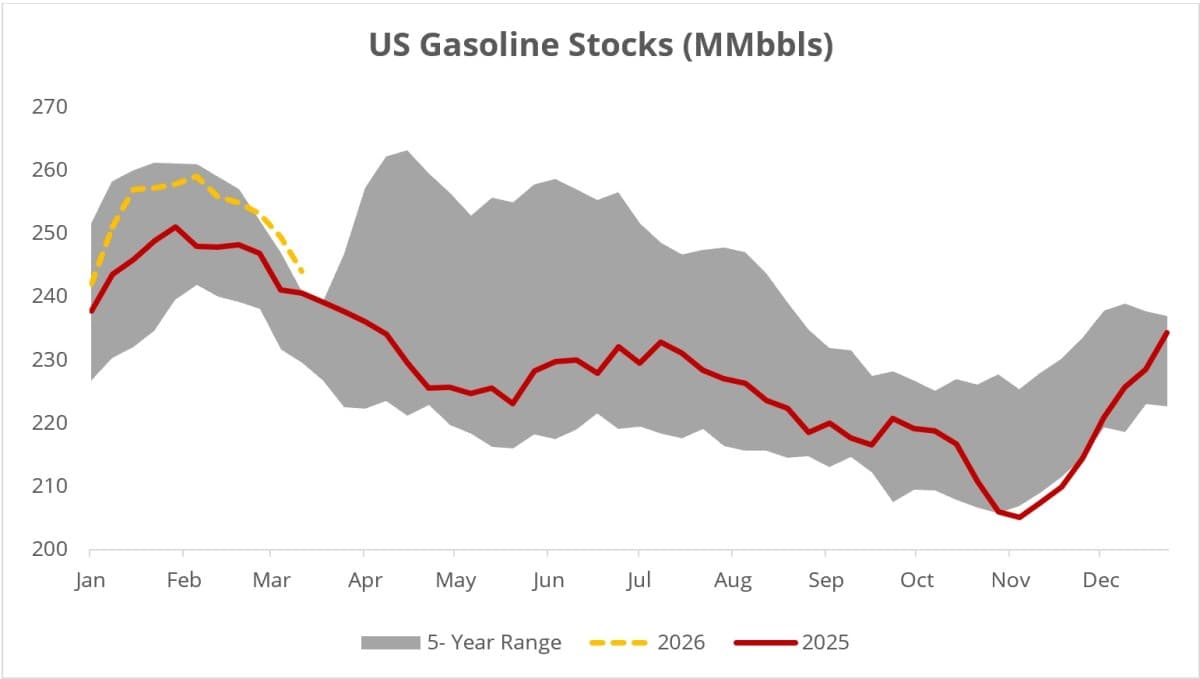
Lower oil prices act as a catalyst for economic growth. When energy costs decline, businesses face lower operating expenses, and consumers benefit from reduced fuel prices. This combination often leads to stronger economic activity, which supports higher stock valuations.
In addition, investor sentiment plays a crucial role. Markets often react quickly to positive news, and the perception of reduced risk can trigger widespread buying across sectors.
Why Oil Prices and Geopolitics Matter for Stocks


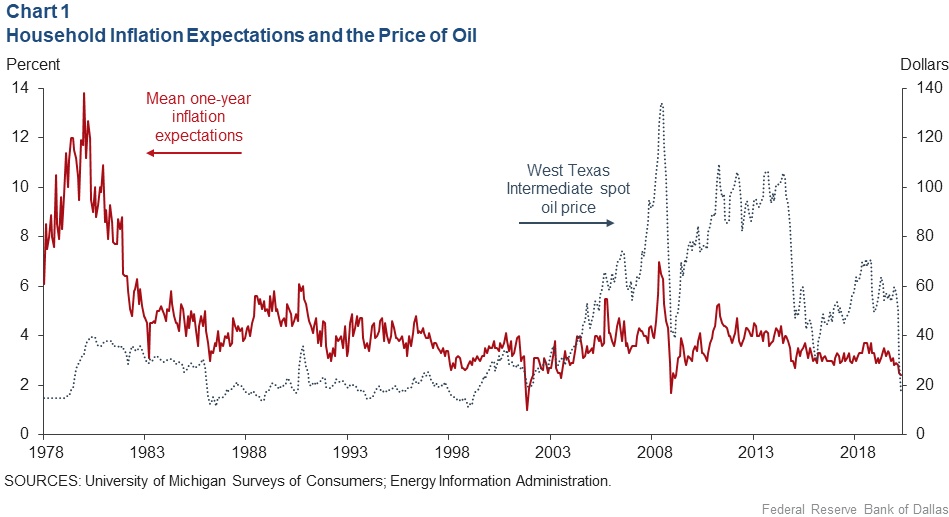
Oil prices are closely linked to inflation and economic stability. When oil prices rise, inflation tends to increase, putting pressure on consumers and central banks. Conversely, falling oil prices can help ease inflation concerns.
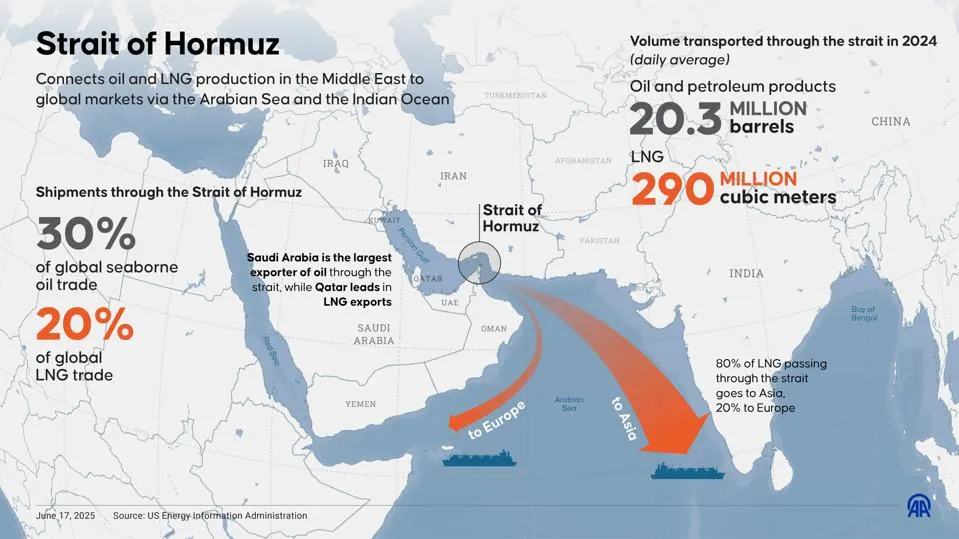
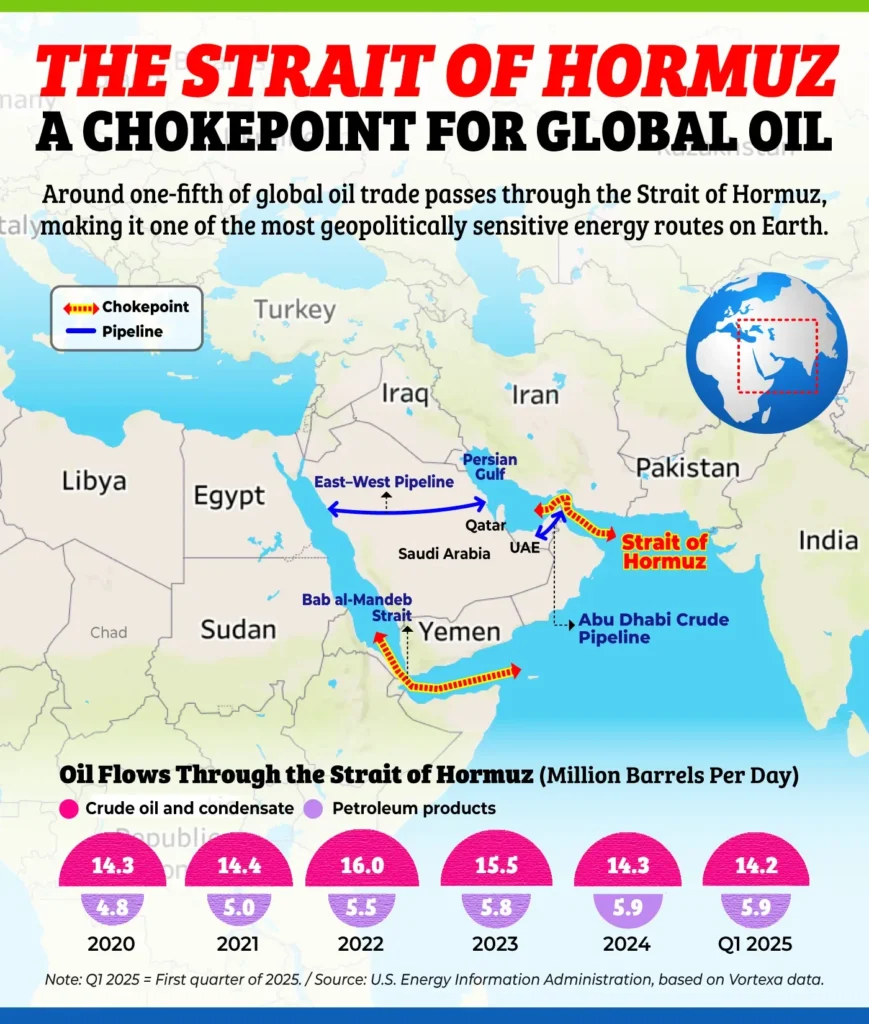
The Strait of Hormuz is a critical chokepoint for global oil supply. Any disruption in this region can have immediate and widespread effects on energy markets and, by extension, global financial markets.
By signaling a potential resolution to tensions, markets are pricing in a lower risk environment. This has contributed to the recent rally in equities.
Sector Winners: Who Benefits Most From This Rally
The current rally is broad-based, but certain sectors are benefiting more than others. Technology stocks, which had faced pressure from high interest rates, are rebounding as investor sentiment improves.
Consumer discretionary and industrial sectors are also seeing gains. Lower energy costs and improved economic outlooks support spending and production, which benefit these industries.
Financial stocks may also gain from increased market activity and improved economic conditions. However, their performance will depend on interest rate expectations and broader economic trends.
Federal Policy and Interest Rate Expectations
Federal Reserve policy remains a key factor influencing market direction. Easing geopolitical tensions could reduce inflationary pressures, giving the Fed more flexibility in its decision-making.
If inflation shows signs of cooling, the Fed may consider adjusting its interest rate policy. This could provide additional support for equities, particularly growth stocks.
However, policymakers are likely to remain cautious. Economic data and global developments will continue to play a significant role in shaping policy decisions.
Risks That Could Derail the Bullish Momentum


Despite the optimism, several risks remain. Geopolitical tensions can quickly re-escalate, reversing recent gains and increasing market volatility.
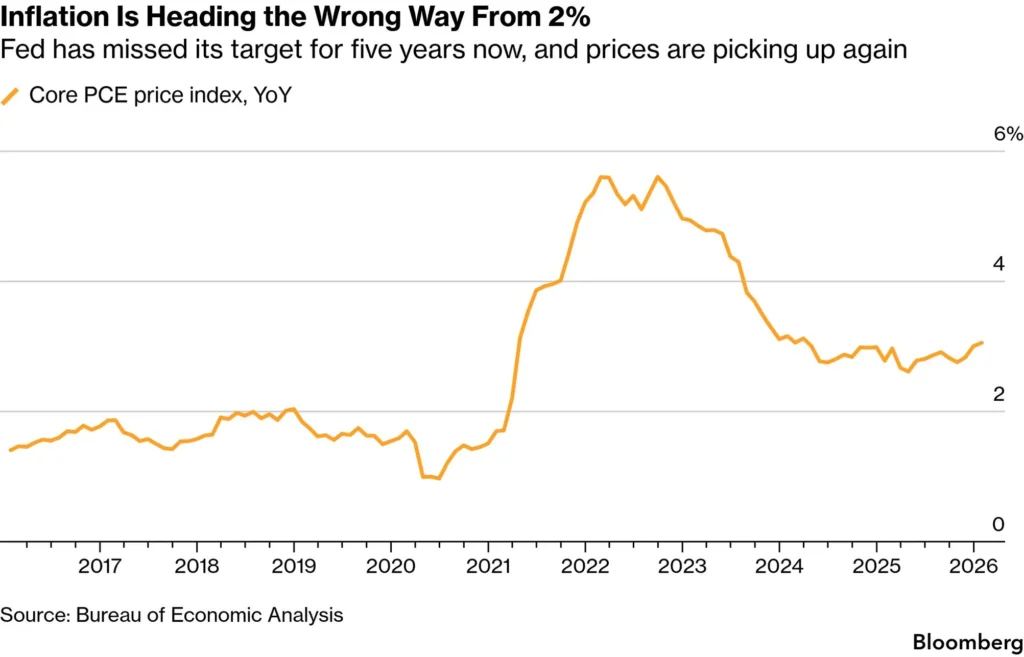
Inflation is another concern. While lower oil prices may help, other factors, such as wage growth and supply chain disruptions, could keep inflation elevated.
Additionally, global economic conditions remain uncertain. Slow growth in major economies could impact corporate earnings and investor sentiment.
Market Outlook: Is This the Start of a New Bull Run?
The recent rally in the Dow, S&P 500, and Nasdaq has sparked debate about the possibility of a new bull market. While the signs are encouraging, it is important to approach the situation with caution.
Bull markets are typically supported by strong economic fundamentals, stable policy environments, and sustained investor confidence. While some of these conditions are improving, others remain uncertain.
For investors, this is a time to balance optimism with discipline. Diversification, risk management, and a long-term perspective are essential in navigating market cycles.
Opportunity Meets Uncertainty
The surge in US stock markets following easing geopolitical tensions highlights the dynamic nature of financial markets. Positive developments can quickly shift sentiment and create opportunities.
However, uncertainty remains a defining feature of the current environment. Investors must stay informed and adaptable, focusing on long-term trends rather than short-term fluctuations.
Whether this rally marks the beginning of a new bull run or a temporary rebound will depend on how economic and geopolitical factors evolve in the coming months.
Subscribe to trusted news sites like USnewsSphere.com for continuous updates.