GDI vs GDP is becoming one of the most important economic debates in the AI era, as economists, policymakers, and tech leaders question whether traditional metrics still capture real economic power. The shift comes as artificial intelligence, digital platforms, and intangible assets rapidly reshape global economies. While GDP has long been the gold standard, many experts now argue that Gross Domestic Income (GDI) may better reflect the true value being created—especially in a world dominated by data, automation, and innovation.
Who is involved? Economists, governments, and tech companies.
What is happening? A shift from GDP to GDI as a key metric.
Why does it matter? Because AI-driven economies are harder to measure using old models.
Impact? Policy decisions, investments, and global rankings could change significantly.
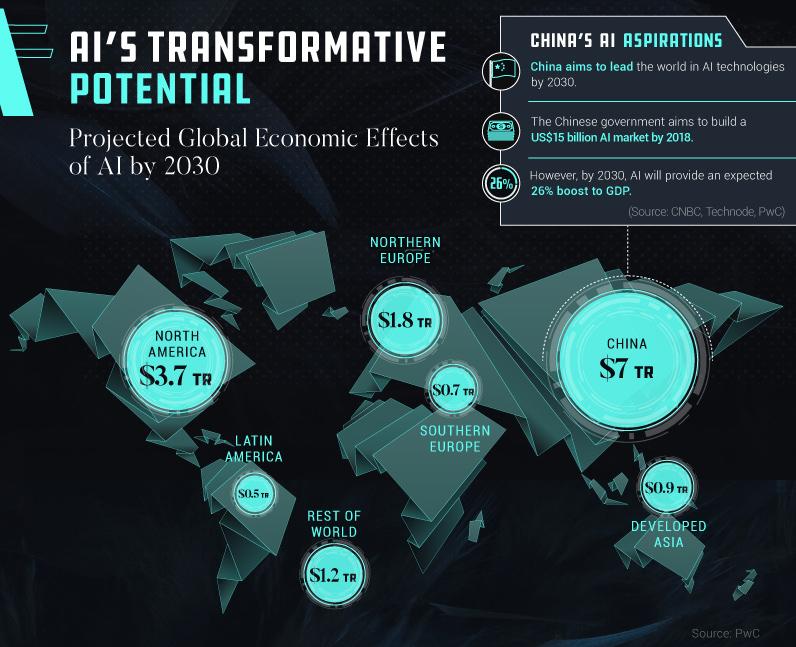
Why GDP May No Longer Capture Real Economic Power
Gross Domestic Product (GDP) has been the backbone of economic measurement for decades. It tracks the total value of goods and services produced within a country. However, in today’s AI-driven economy, many high-value activities—like software development, data generation, and platform-based services—are not fully captured.
For example, when users interact with free platforms powered by AI, they generate value without direct monetary transactions. This creates a gap between actual economic activity and what GDP records. As a result, GDP may underestimate the strength of modern economies, especially those heavily invested in technology.
This limitation becomes more significant as automation replaces traditional labor and digital services dominate consumption patterns. In simple terms, GDP was built for an industrial economy—not a digital one.

What Is GDI and Why Experts Are Paying Attention
Gross Domestic Income (GDI) measures the total income earned within an economy, including wages, profits, and taxes. Unlike GDP, which focuses on output, GDI tracks how money flows through the system.
Economists are increasingly turning to GDI because it may better reflect economic realities in the AI age. When companies generate massive profits from AI systems or when workers earn income through digital platforms, GDI captures this activity more directly.
Recent data trends show that GDI often rises faster than GDP in tech-driven economies. This suggests that income generation—rather than production alone—is becoming a more accurate indicator of economic strength.
How AI Is Reshaping Economic Measurement
Artificial intelligence is fundamentally changing how value is created. Traditional industries rely on physical goods and labor, but AI-driven industries rely on algorithms, data, and automation.
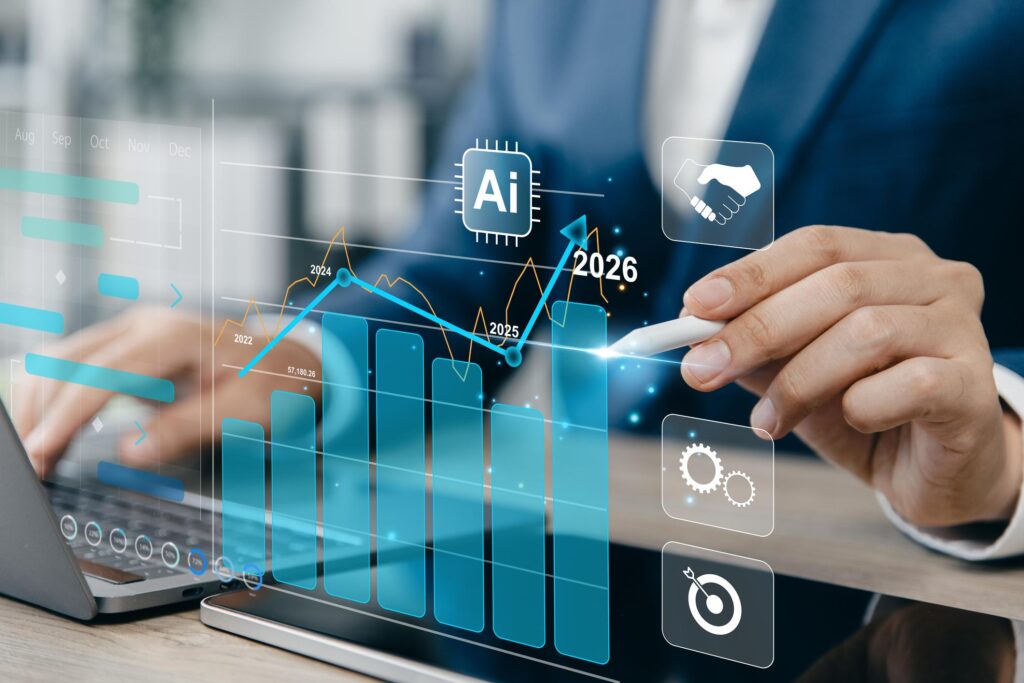
For instance, a single AI model can generate billions in value without producing a physical product. Similarly, digital services like streaming, cloud computing, and online marketplaces create economic impact that is difficult to measure using traditional frameworks.
This shift has forced economists to rethink measurement tools. AI doesn’t just change industries—it changes the way economies function. As a result, metrics like GDI are gaining attention because they align more closely with income distribution and value creation in the digital world.
Why This Matters Now for Global Economies
The timing of this shift is critical. Countries are investing billions into AI development, and global competition is intensifying. If economic power is measured incorrectly, it could lead to flawed policy decisions and misallocation of resources.
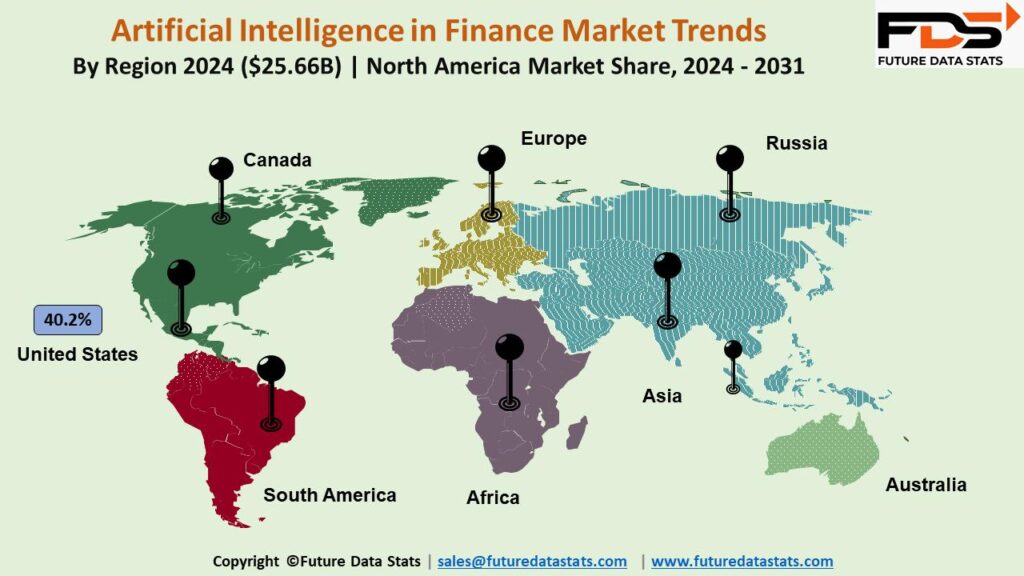
For example, a country with strong AI-driven income growth might appear weaker under GDP metrics but stronger under GDI. This could affect everything from interest rates to international rankings and investment flows.
Why this matters now: Governments need accurate data to make decisions about taxation, infrastructure, and innovation. As AI continues to expand, the gap between GDP and real economic value will likely grow.
Impact on Businesses, Investors, and Policy Makers
For businesses, especially in the tech sector, this shift could redefine how success is measured. Companies generating high income through AI may gain more recognition under GDI-focused analysis.
Investors could also benefit from this perspective. By focusing on income generation rather than output, they may identify high-growth opportunities earlier. This is particularly relevant in sectors like AI, fintech, and digital services.
Policymakers, meanwhile, may need to redesign economic strategies. Tax systems, labor policies, and innovation funding could all be influenced by a shift toward GDI. This represents a major transformation in how economies are managed and evaluated.
The Future of Economic Metrics in a Digital World
Looking ahead, it’s unlikely that GDP will disappear entirely. However, it may no longer be the sole indicator of economic health. Instead, a combination of GDP, GDI, and new digital-era metrics could provide a more complete picture.
Some experts are even proposing hybrid models that include data value, platform activity, and AI-driven productivity. These models aim to capture the full scope of modern economic activity.
As economies continue to evolve, measurement tools must evolve as well. The rise of GDI is not just a technical adjustment—it’s a reflection of a deeper transformation in how value is created and distributed in the AI era.
A Turning Point in Economic Understanding
The growing focus on GDI highlights a major shift in how we understand economic power. In a world driven by AI, data, and digital platforms, traditional metrics like GDP may no longer be enough.
This transition is more than an academic debate—it has real-world implications for governments, businesses, and individuals. As the global economy becomes more complex, adopting better measurement tools will be essential for making informed decisions.
The AI era is redefining everything—including how we measure success. Those who adapt to this change will be better positioned to understand and lead the economies of the future.
Subscribe to trusted news sites like USnewsSphere.com for continuous updates.