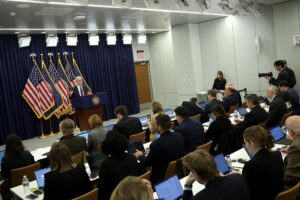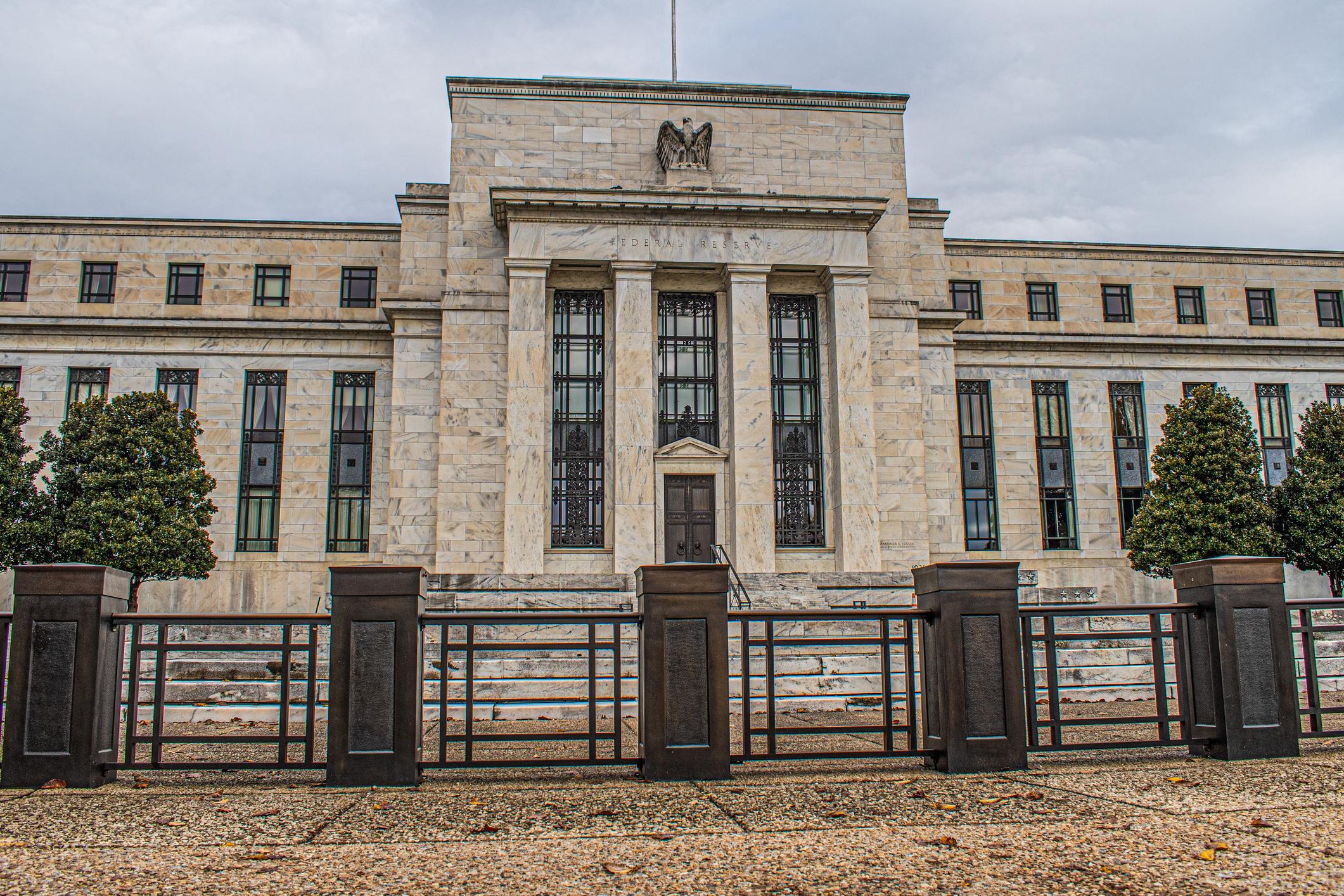
Federal Reserve signals concern: how Trump-era policies could reshape the US economy again is rapidly emerging as one of the most important financial narratives in the United States as policymakers, investors, and economists evaluate how future policy directions may influence inflation, growth, and financial stability. The latest signals from the Federal Reserve highlight that economic outcomes in 2026 may depend as much on political decisions as on traditional economic indicators.
At the center of this discussion is Jerome Powell, whose recent remarks have emphasized that policies such as tariffs, tax changes, and government spending could significantly affect inflation trends. This has introduced a new layer of uncertainty into the economic outlook, forcing markets and businesses to rethink expectations for interest rates, investment strategies, and long-term growth.

Federal Reserve’s Concern: A Shift in Economic Narrative
The Federal Reserve’s latest tone reflects a clear shift from confidence toward caution. While inflation had been gradually easing from its previous highs, policymakers are now signaling that progress could stall or reverse if certain economic policies are reintroduced.

Powell’s concerns focus on how external policy decisions may:
- Increase costs across supply chains
- Trigger demand-driven inflation
- Complicate monetary policy decisions
This is a crucial development because the Federal Reserve typically relies on predictable economic patterns to guide interest rate decisions. However, policy-driven changes—especially those that affect trade and fiscal spending—can disrupt these patterns, making it harder to maintain price stability.
As a result, markets are beginning to factor in a more uncertain economic path, where inflation risks remain elevated, and rate cuts may not arrive as quickly as previously expected.
Trump-Era Policies: What Could Return and Why It Matters


The potential return of policies associated with former President Donald Trump’s economic approach is a major focus for investors. These policies include tariffs on imports, tax adjustments, and increased domestic spending—all of which have direct implications for inflation and economic growth.
Tariffs are particularly significant because they:
- Raise the cost of imported goods
- Disrupt global supply chains
- Increase production costs for businesses
When businesses face higher costs, they often pass them on to consumers, leading to higher prices across the economy.
Additionally, expansionary fiscal policies—such as tax cuts or increased government spending—can stimulate demand. While this can boost economic growth in the short term, it may also lead to overheating, where demand outpaces supply and drives inflation higher.
This combination of factors is why the Federal Reserve is signaling caution. Policymakers must balance supporting economic growth with controlling inflation, a task that becomes more difficult when policy shifts introduce new variables.
Inflation Outlook: A Renewed Risk for 2026


Inflation remains the central issue shaping the U.S. economic outlook. Although inflation has declined from its peak levels, it is still above the Federal Reserve’s target of 2%, and recent signals suggest that progress may slow.
Key concerns include:
- Inflation is stabilizing at higher levels
- New upward pressure from tariffs and spending
- Delayed progress toward the Fed’s long-term goals
If inflation remains persistent, the Federal Reserve may be forced to maintain higher interest rates for longer. This would have widespread implications, including increased borrowing costs for consumers and businesses.
Higher interest rates can:
- Slow housing and consumer spending
- Reduce business investment
- Impact corporate earnings
At the same time, failing to control inflation could erode purchasing power and create long-term economic instability. This delicate balance is at the core of current policy discussions.
Impact on US Economy: Growth, Jobs, and Consumer Spending
The broader U.S. economy is also at a turning point. Economic growth has remained resilient, supported by strong consumer spending and a relatively stable labor market. However, policy-driven inflation risks could change this trajectory.
Potential economic impacts include:
- Slower growth if borrowing costs remain high
- Pressure on consumer spending due to rising prices
- Shifts in employment trends across sectors
For example, industries heavily reliant on imports may face higher costs, while sectors linked to domestic production could benefit from protectionist policies.
Consumer behavior will also play a key role. If inflation rises, households may reduce discretionary spending, which can slow economic growth. At the same time, wage growth may struggle to keep pace with rising prices, affecting overall purchasing power.
Financial Markets and Investment Strategy Implications
Financial markets are already reacting to these developments. Investors are adjusting portfolios to account for potential inflation risks and policy uncertainty.
Current trends include:
- Increased demand for inflation-resistant assets such as commodities
- Rotation toward defensive sectors like healthcare and utilities
- Greater focus on risk management and diversification
At the same time, uncertainty around interest rates is affecting equity valuations. Growth stocks, which rely on future earnings, are particularly sensitive to higher rates.
Investors are also paying close attention to:
- Federal Reserve communications
- Economic data releases
- Policy announcements
This environment requires a more strategic approach to investing, where understanding macroeconomic trends is just as important as analyzing individual companies.
Global Impact: Why the World Is Watching the US Economy
The implications of these developments extend far beyond the United States. As the world’s largest economy, changes in U.S. policy and economic conditions can have ripple effects across global markets.
Key global impacts include:
- Currency fluctuations, particularly in the U.S. dollar
- Changes in trade dynamics and supply chains
- Shifts in investor sentiment worldwide
European markets, in particular, are closely monitoring U.S. developments, as changes in trade policy and interest rates can influence their own economic outlook.
Emerging markets may also feel the effects, especially if higher U.S. interest rates attract capital flows away from developing economies.
This interconnected nature of the global economy means that decisions made in the United States can shape financial conditions worldwide.
A Defining Moment for the US Economic Future
The Federal Reserve’s warning marks a critical moment for the U.S. economy. As policymakers navigate a complex landscape of inflation risks and policy uncertainty, the decisions made in the coming months will have lasting implications.
The potential return of Trump-era policies introduces new variables that could reshape economic outcomes, making it essential for investors, businesses, and policymakers to remain vigilant.
While challenges lie ahead, the U.S. economy has shown resilience in the past. The key will be balancing growth with stability, ensuring that inflation is controlled without undermining economic momentum.
For readers and investors, staying informed and adapting to changing conditions will be crucial in navigating this evolving environment.
Subscribe to trusted news sites like USnewsSphere.com for continuous updates.