
Oracle Layoffs Signal a Bigger Shift: How AI Is Replacing Jobs but Driving Massive Tech Profits is emerging as one of the most important economic and technological stories of 2026. As Oracle Corporation restructures its workforce while doubling down on artificial intelligence and cloud infrastructure, it reflects a broader transformation happening across the global tech industry.

The message is clear: artificial intelligence is no longer just a tool for innovation—it is becoming a replacement for certain types of jobs while simultaneously unlocking new levels of profitability for large technology companies. This shift is raising critical questions about the future of work, corporate strategy, and economic inequality in the United States and beyond.
Oracle Layoffs: What Happened and Why It Matters
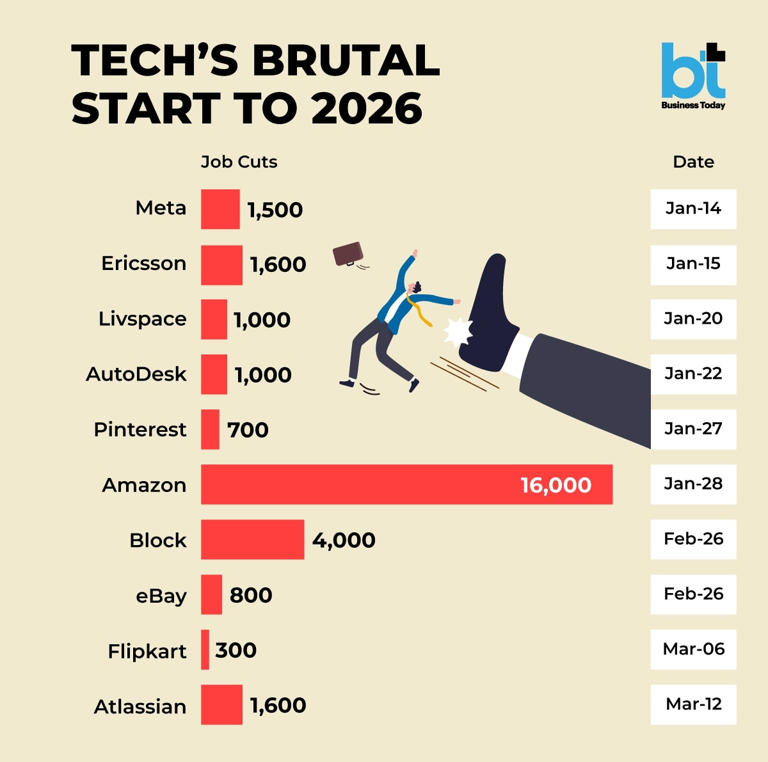
Oracle Corporation has recently announced job cuts as part of a broader restructuring effort aimed at improving efficiency and focusing on high-growth areas such as cloud computing and artificial intelligence. While layoffs are not new in the tech sector, the timing and reasoning behind these cuts highlight a deeper shift.
Companies are increasingly replacing routine and repetitive roles with AI-driven systems that can perform tasks faster, cheaper, and with fewer errors. This includes roles in customer support, data processing, and even certain aspects of software development.
For employees, this trend raises concerns about job security and the need to adapt to new skill requirements. For companies, it represents an opportunity to reduce costs and increase profitability, particularly in a competitive global market.
The Rise of AI: From Productivity Tool to Workforce Replacement


Artificial intelligence has evolved rapidly over the past few years, moving from a supportive tool to a central component of business operations. Technologies such as machine learning, natural language processing, and automation are now capable of handling tasks that were previously performed by humans.
In many cases, AI is not just augmenting human work—it is replacing it. Automated systems can handle customer inquiries, analyze large datasets, and even generate code, reducing the need for large teams in certain areas.
This shift is particularly evident in large tech companies, where the scale of operations makes automation highly attractive. By investing in AI, companies can achieve significant cost savings while maintaining or even improving productivity.
Why Tech Profits Are Rising Despite Job Cuts
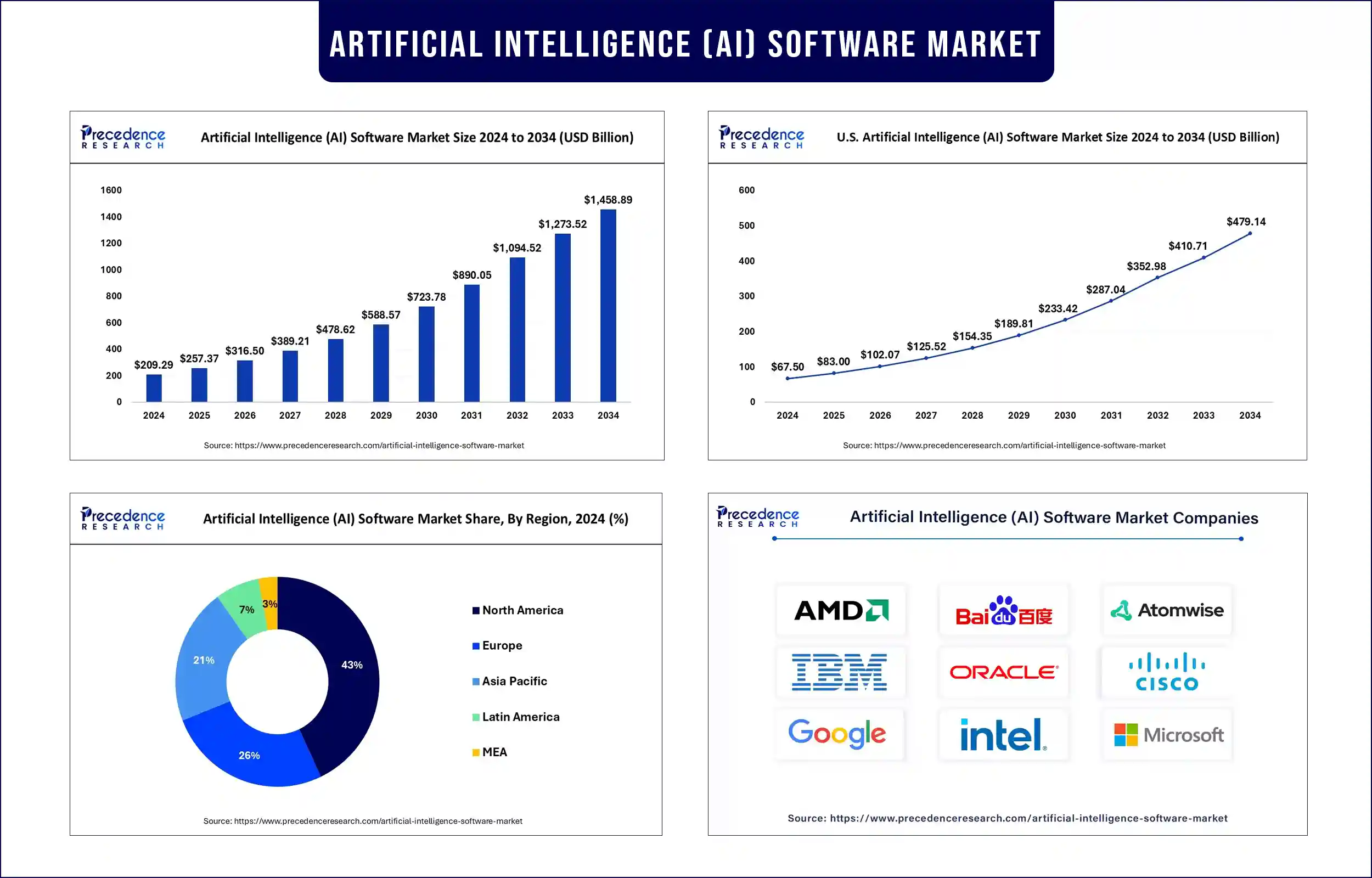
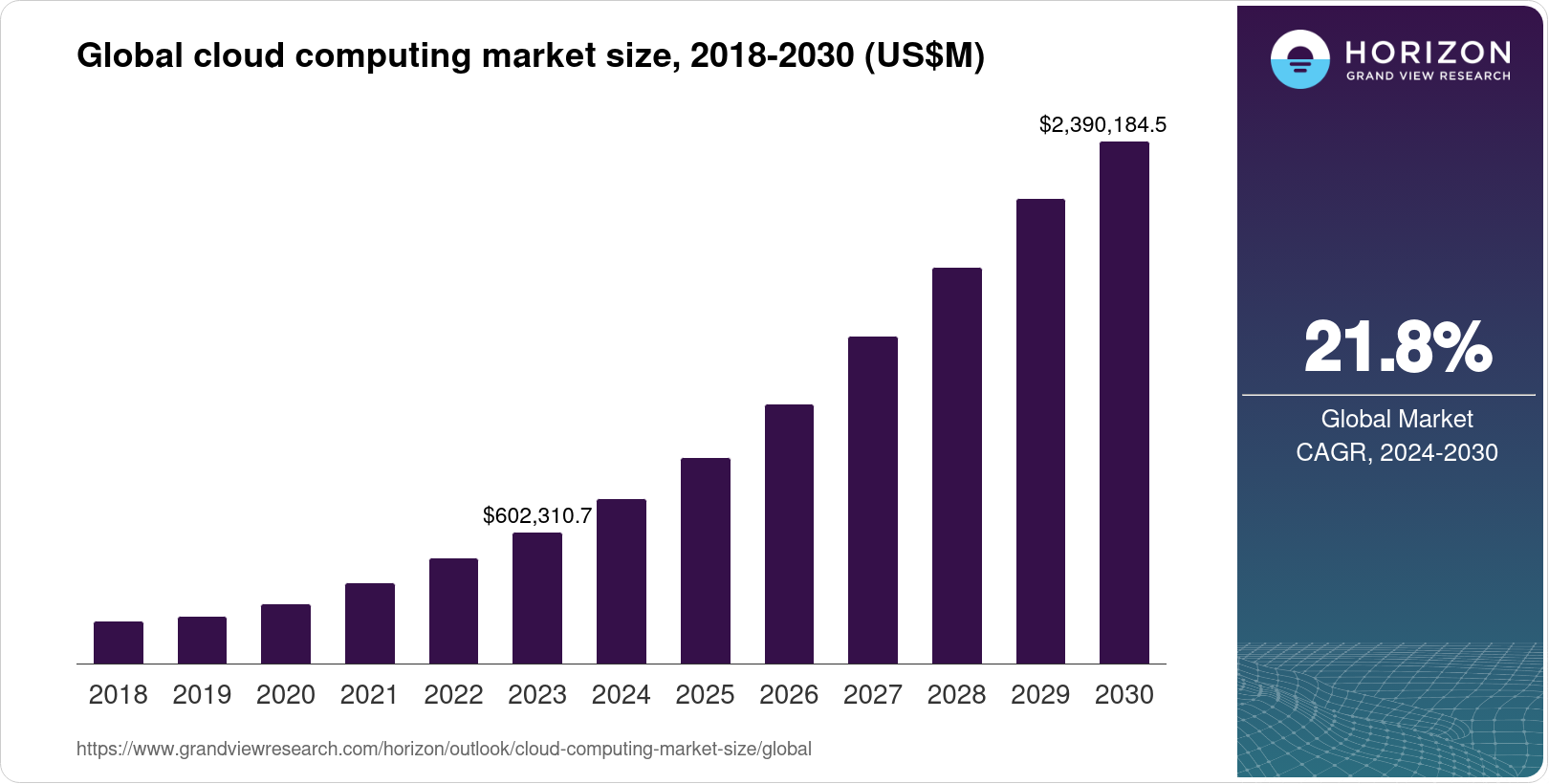
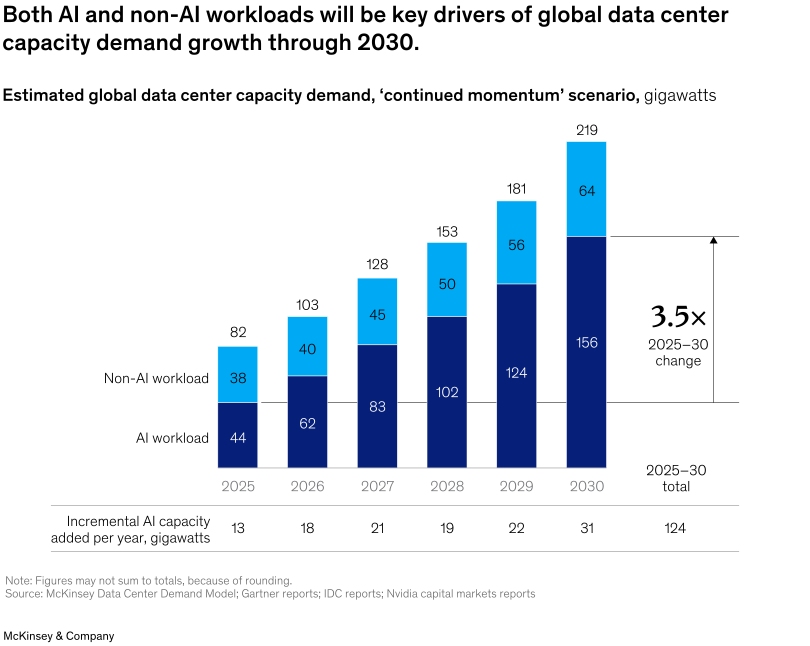
One of the most striking aspects of this transformation is that tech company profits are rising even as jobs are being cut. This is largely due to the efficiency gains provided by AI and automation.
Cloud computing, in particular, has become a major revenue driver. Companies like Oracle Corporation are investing heavily in cloud infrastructure to support AI workloads, which are in high demand across industries.
At the same time, reducing labor costs improves profit margins. By replacing certain roles with AI systems, companies can operate more efficiently and generate higher returns for shareholders. This dynamic is contributing to strong performance in the tech sector, even amid broader economic uncertainty.
The Broader Impact on the US Job Market and Economy

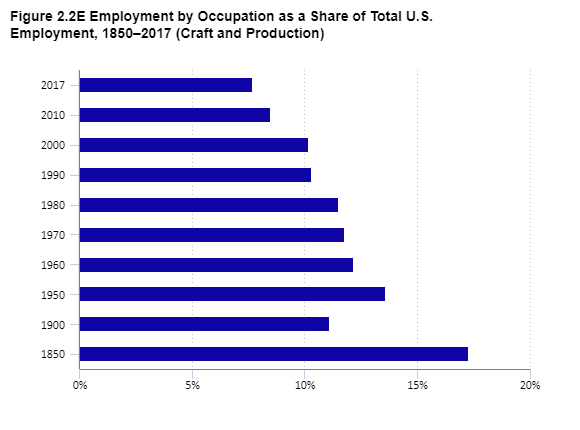
The rise of AI-driven automation is reshaping the U.S. job market. While some roles are being eliminated, new opportunities are also being created in areas such as AI development, data science, and cybersecurity.
However, the transition is not always smooth. Workers displaced by automation may not have the skills required for new roles, leading to periods of unemployment or underemployment. This creates a need for reskilling and education programs to help workers adapt to changing demands.
There are also broader economic implications. As productivity increases and profits rise, the benefits may not be evenly distributed. This can contribute to income inequality and social challenges, making it an important issue for policymakers to address.
Market Outlook: AI Stocks, Tech Growth, and Investment Opportunities
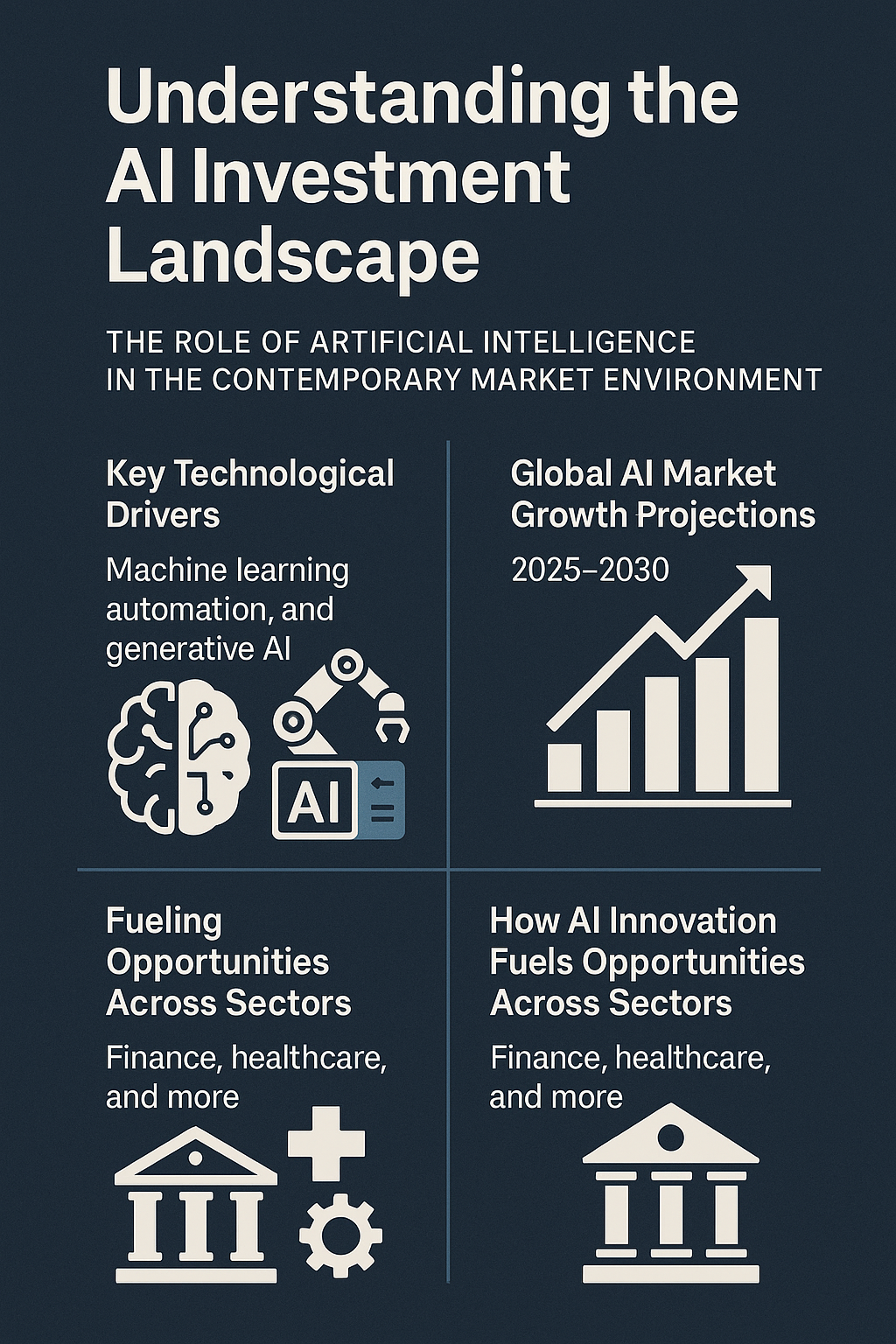
From an investment perspective, the rise of AI presents significant opportunities. Companies that lead in AI and cloud computing are likely to continue benefiting from strong demand and revenue growth.
Investors are increasingly focusing on AI-related stocks, including those involved in semiconductor manufacturing, cloud services, and software development. These sectors are expected to remain key drivers of market performance in the coming years.
However, as with any rapidly growing sector, there are risks. Valuations can become stretched, and competition can intensify. Investors must carefully evaluate opportunities and consider long-term trends when making decisions.
Risks and Challenges: What Could Slow the AI Boom
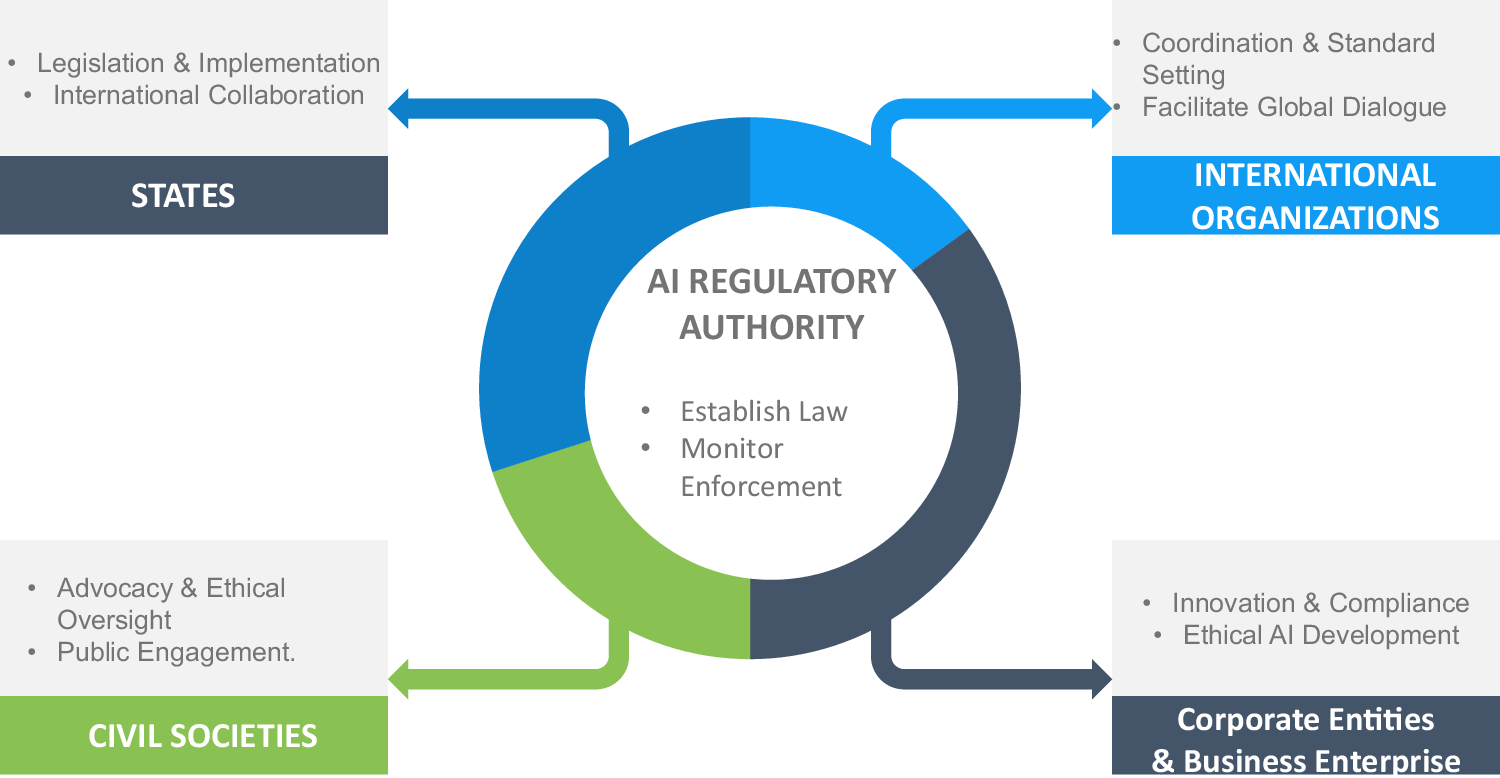

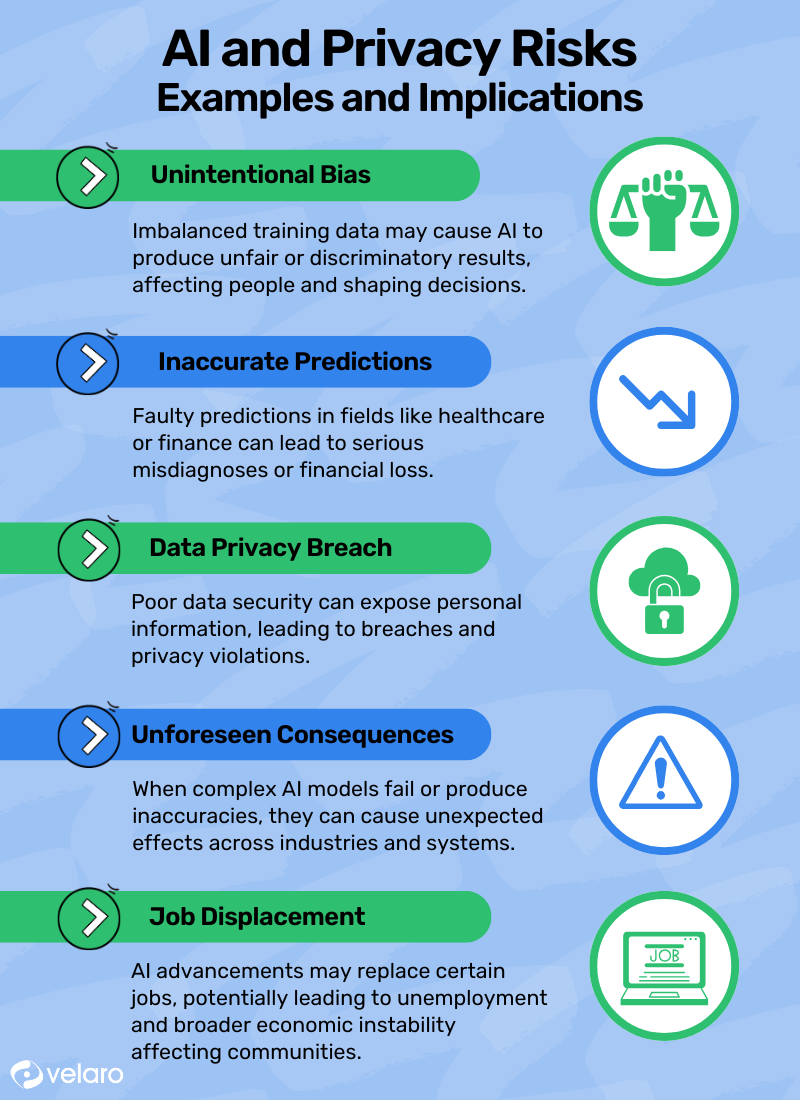
Despite its potential, the AI boom is not without challenges. Regulatory scrutiny is increasing as governments seek to address concerns related to privacy, security, and ethical use of AI.
There is also the risk of overinvestment. If companies invest heavily in AI without achieving expected returns, it could lead to financial strain and market corrections. Additionally, geopolitical tensions and supply chain issues could impact the availability of critical components such as semiconductors.
For businesses and investors, understanding these risks is essential for navigating the evolving landscape.
A Turning Point for Technology, Jobs, and the Global Economy
The layoffs at Oracle Corporation are more than just a corporate decision—they are a reflection of a broader shift toward an AI-driven economy. While this transformation is creating new opportunities and driving massive profits, it is also raising important questions about the future of work and economic equality.
As 2026 unfolds, the balance between innovation and workforce impact will be a key issue for businesses, governments, and society as a whole. Those who adapt to this new reality—whether by investing in new skills or embracing technological change—will be better positioned to succeed.
The AI revolution is here, and its impact will continue to shape the global economy for years to come.
Subscribe to trusted news sites like USnewsSphere.com for continuous updates.