US Economy at a Turning Point: Falling Mortgage Rates and Policy Signals Spark New Growth Hopes in 2026 is quickly becoming one of the most closely watched developments across financial markets, housing sectors, and policymaking circles in the United States. After years of aggressive rate hikes and economic uncertainty, recent data suggests a potential shift—one that could reshape borrowing, spending, and investment behavior across the country.
At the center of this shift is a noticeable decline in mortgage rates, which have fallen to their lowest levels in several recent spring seasons. This drop is not happening in isolation. It reflects broader signals from policymakers, inflation trends, and global economic conditions. For millions of Americans—from first-time homebuyers to seasoned investors—this moment could represent a critical turning point.
Falling Mortgage Rates Are Reviving Housing Market Momentum


The most immediate impact of declining mortgage rates is being felt in the housing market. After a prolonged slowdown caused by high borrowing costs, lower rates are now encouraging buyers to re-enter the market. Mortgage applications have started to rise again, signaling renewed confidence among consumers.
Lower rates mean reduced monthly payments, which significantly improve affordability. For many potential homeowners who were previously priced out, this shift opens new opportunities. It also benefits existing homeowners who are considering refinancing to lower their interest costs.
However, supply constraints remain a challenge. Inventory levels in many U.S. regions are still tight, which could push home prices higher even as borrowing becomes more affordable. This creates a complex dynamic where affordability improves on one side but remains constrained on another.
Policy Signals Suggest a Shift in Economic Direction

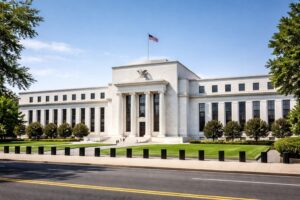
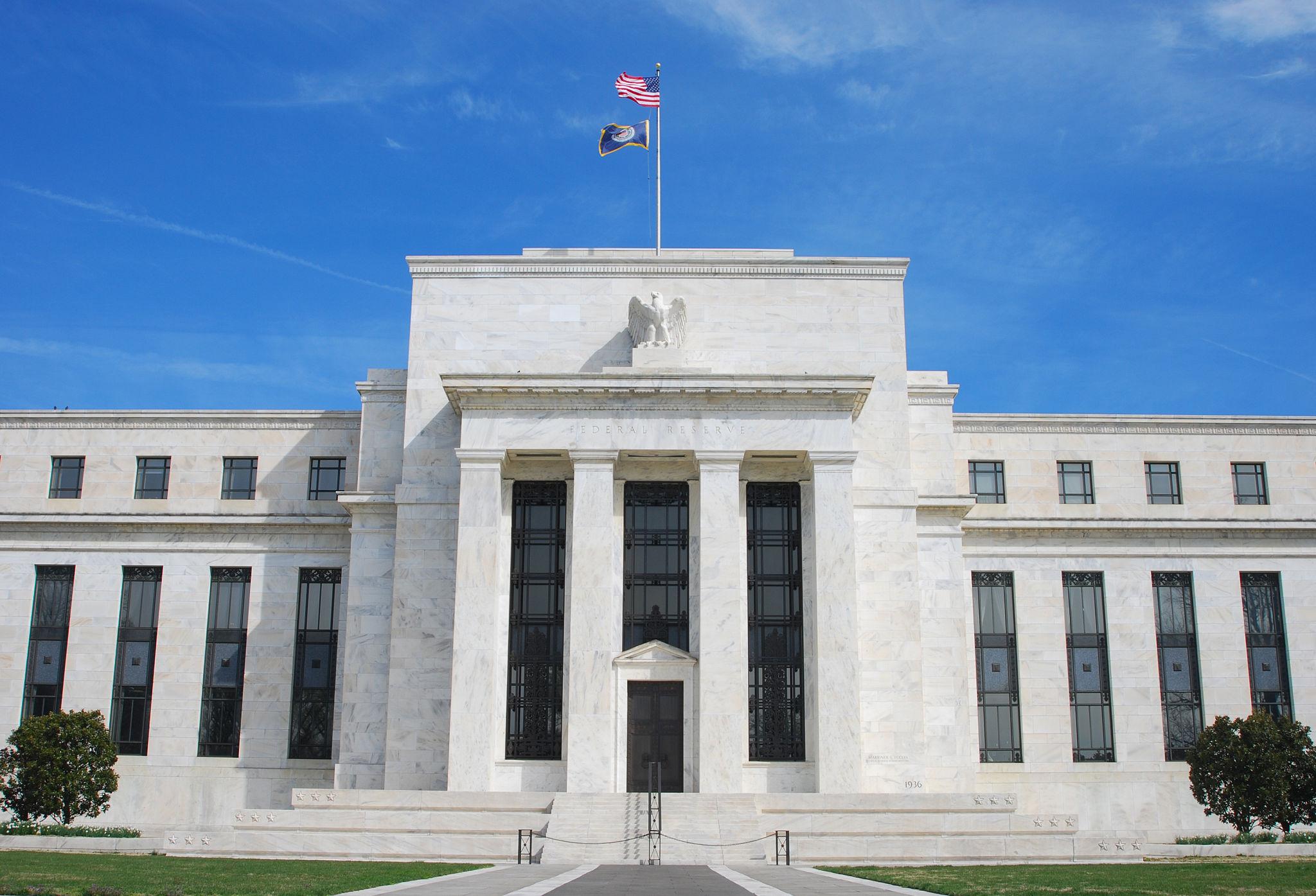
A key driver behind falling mortgage rates is the evolving stance of policymakers, particularly the Federal Reserve. After a period of tightening monetary policy to combat inflation, recent signals indicate a more balanced approach focused on sustaining growth while keeping inflation under control.
Markets are increasingly interpreting these signals as a sign that rate hikes may have peaked, with potential rate cuts on the horizon if economic conditions stabilize. This shift in expectations is influencing bond yields, which directly impact mortgage rates.
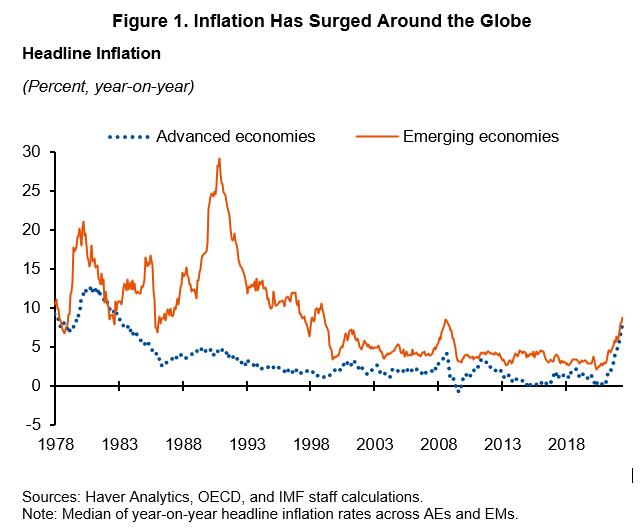
At the same time, policymakers remain cautious. Inflation, while easing, has not completely disappeared as a concern. This means any policy adjustments will likely be gradual, aiming to avoid triggering new economic imbalances.
Consumer Behavior Is Beginning to Shift Again
As borrowing costs decline, consumer behavior is starting to adjust. Spending patterns, which had slowed under higher interest rates, are showing signs of recovery. Big-ticket purchases such as homes, cars, and durable goods are gradually picking up.
For many households, lower mortgage rates translate into increased financial flexibility. This can lead to higher discretionary spending, which in turn supports broader economic growth. Retail sectors, travel industries, and service providers may all benefit from this renewed consumer activity.
However, consumer sentiment remains mixed. While some are optimistic about improving conditions, others are still cautious due to lingering concerns about inflation, job security, and global uncertainties. This balance between optimism and caution will play a crucial role in shaping the pace of economic recovery.
Financial Markets React to Changing Economic Signals


Financial markets are closely monitoring these developments, and their reactions provide important insights into future expectations. Lower mortgage rates and shifting policy signals have contributed to increased activity in both equity and bond markets.
Stock markets, particularly sectors tied to housing and consumer spending, have shown renewed strength. Real estate companies, homebuilders, and financial institutions are among those benefiting from improved conditions.
Meanwhile, bond markets are reflecting expectations of a more stable rate environment. Declining yields are not only influencing mortgage rates but also shaping investment strategies across asset classes. Investors are recalibrating portfolios to align with what could be a new economic phase.
Risks and Uncertainties Still Loom
Despite the positive signals, several risks remain that could influence the trajectory of the U.S. economy. Inflation, although moderating, still poses a potential threat if it resurges unexpectedly. Global geopolitical tensions and supply chain disruptions could also impact economic stability.
Another key concern is the labor market. While employment levels have remained relatively strong, any significant slowdown could affect consumer spending and overall growth. Additionally, high levels of household debt could limit the extent of economic expansion.
There is also the possibility that falling mortgage rates could reignite housing price inflation, creating affordability challenges once again. Policymakers will need to carefully balance growth and stability to avoid repeating past cycles of boom and bust.
What This Means for Homebuyers, Investors, and the Economy
For homebuyers, the current environment presents both opportunities and challenges. Lower mortgage rates improve affordability, but limited housing supply may keep prices elevated. Timing and market selection will be critical factors in making smart decisions.
Investors, on the other hand, may find opportunities in sectors linked to housing, consumer spending, and financial services. However, they must remain cautious and consider potential risks, including policy changes and global economic factors.
From a broader perspective, the U.S. economy appears to be entering a transitional phase. The combination of easing rates, improving sentiment, and policy adjustments could support sustainable growth if managed carefully.
A Defining Moment for the US Economy
The current economic landscape suggests that the United States may be at a pivotal turning point. Falling mortgage rates and evolving policy signals are creating conditions that could support renewed growth and stability.
However, this transition is not guaranteed. It will depend on how effectively policymakers manage inflation, how resilient consumers remain, and how global conditions evolve. For now, the signs are encouraging, but vigilance and adaptability will be key.
Staying informed about these changes is essential—not just for understanding the economy, but for making smarter financial decisions in a rapidly evolving environment.
Subscribe to trusted news sites like USnewsSphere.com for continuous updates.