Dollar Weakness, Rate Shifts & Inflation Signals: Is a Major Financial Reset Coming in 2026? It is rapidly becoming one of the most searched financial questions as investors across the United States and globally try to understand whether current macroeconomic signals point toward a structural shift in the global financial system. With the US dollar showing signs of weakness, interest rate expectations changing, and inflation trends remaining unpredictable, markets are entering a phase where traditional assumptions are being challenged.
In 2026, the combination of these forces is creating a complex environment where investors must look beyond short-term headlines and focus on deeper economic patterns. The idea of a “financial reset” is no longer theoretical—it is being discussed by analysts, institutions, and policymakers as a potential outcome of ongoing global changes.
Understanding Dollar Weakness and Its Global Impact
The strength of the US dollar has long been a cornerstone of global financial stability. However, recent trends indicate periods of weakness driven by shifting interest rate expectations and global economic dynamics.
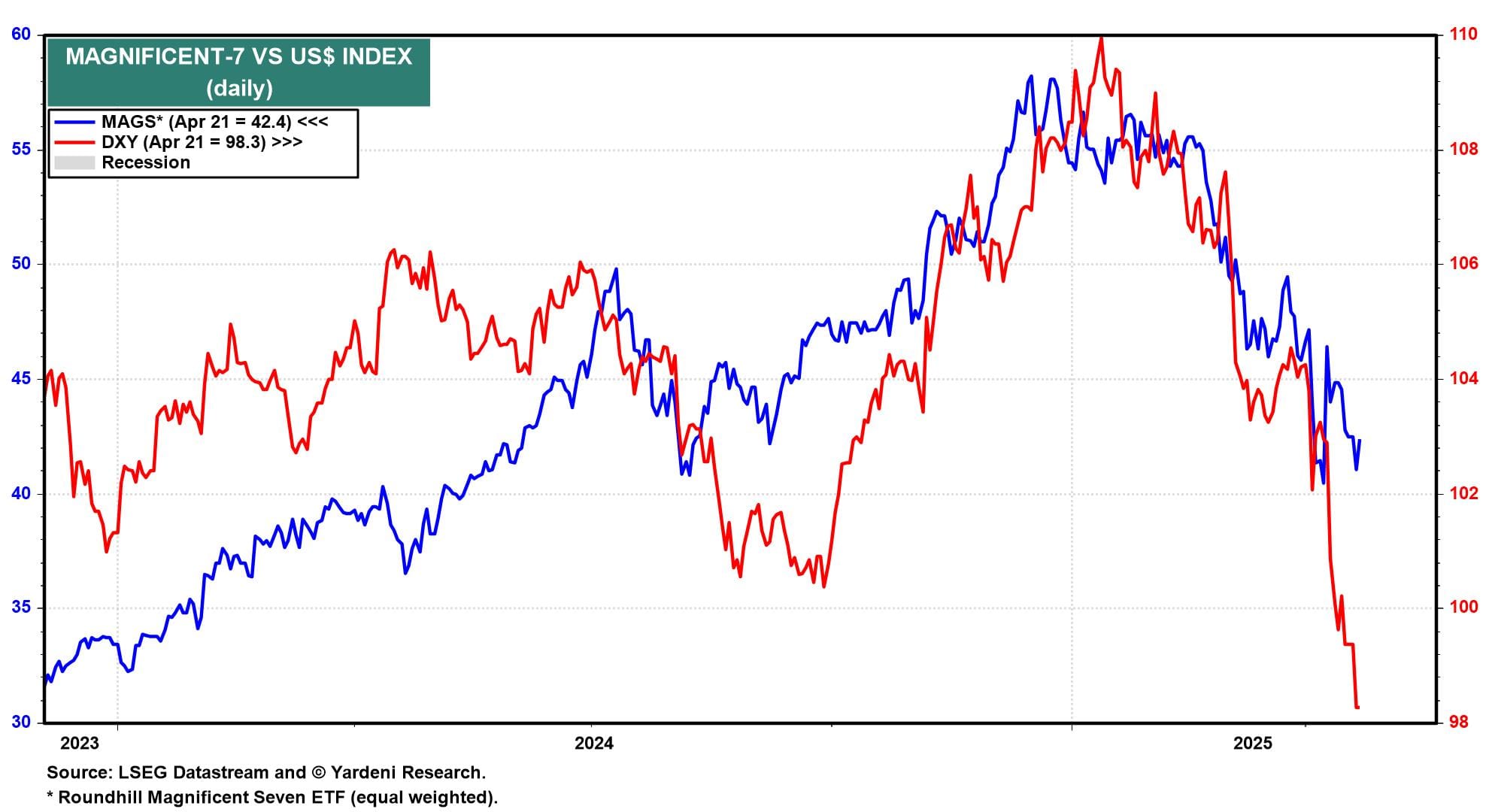


A weaker dollar can have mixed effects. On the one hand, it makes US exports more competitive, benefiting American companies that operate globally. On the other hand, it increases the cost of imports, contributing to inflationary pressures within the United States.
For investors, dollar weakness often leads to shifts in asset allocation. Commodities such as gold and oil tend to perform well when the dollar declines, while international equities may become more attractive due to currency advantages.
Interest Rate Shifts and Central Bank Strategy
Interest rates remain one of the most powerful tools used by central banks to manage economic stability. In 2026, the direction of rates is less predictable than in previous years.
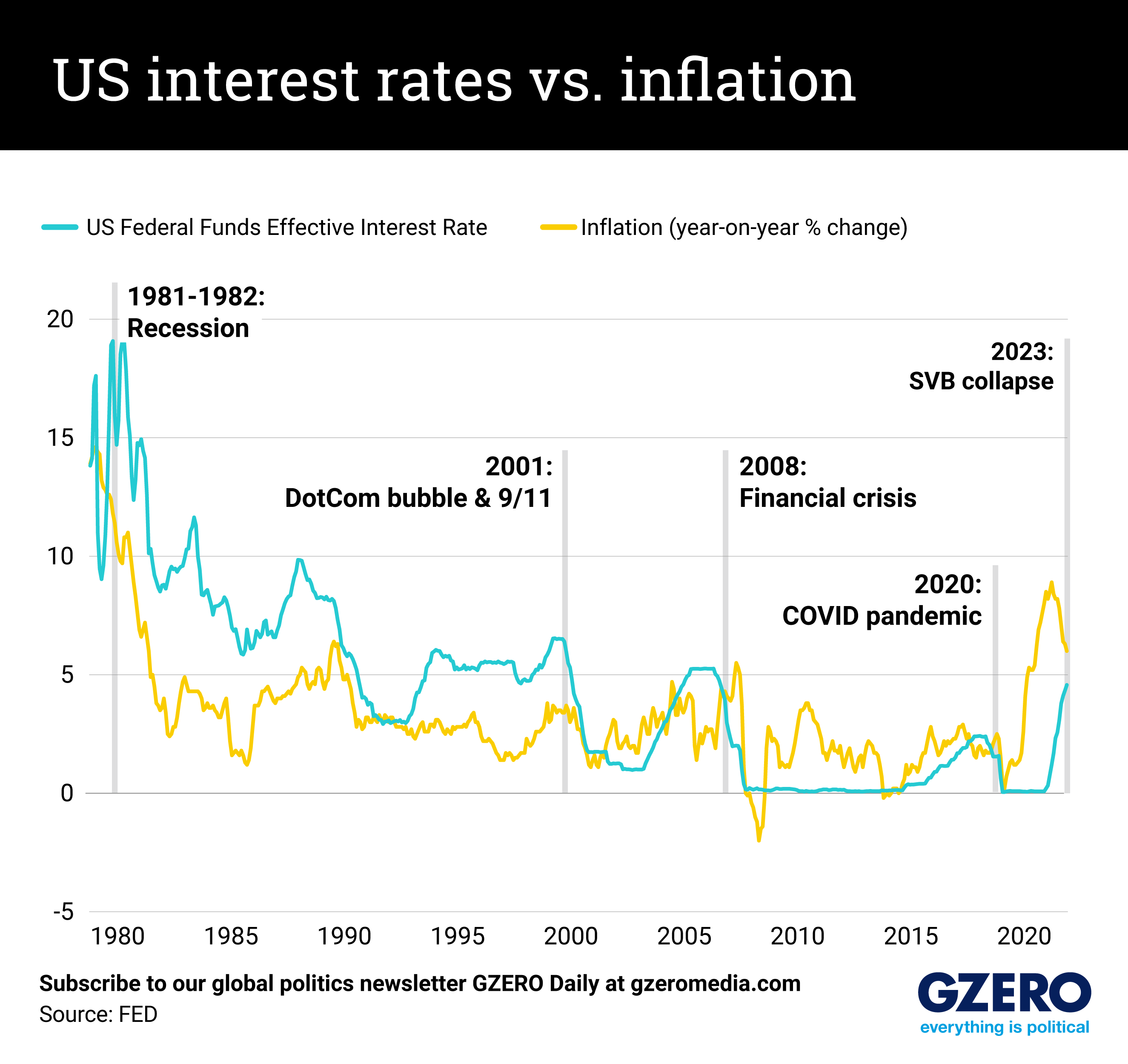
After aggressive tightening cycles in recent years, central banks are now facing a dilemma. Lowering rates too quickly could reignite inflation, while keeping them high could slow economic growth and increase financial stress.
Markets are reacting to every signal from policymakers, leading to increased volatility. Bond yields, equity valuations, and currency movements are all closely tied to expectations about future rate decisions.
Investors who understand these dynamics can better position themselves for potential market shifts.
Inflation Signals and the Cost of Living Pressure
Inflation continues to be a central concern for both policymakers and consumers. While inflation has moderated in some areas, it remains persistent in others, particularly in energy, housing, and essential goods.


Persistent inflation erodes purchasing power, making it more expensive for households to maintain their standard of living. This has a direct impact on consumer spending, which is a key driver of economic growth.
For investors, inflation influences asset performance. Real assets such as commodities and real estate often act as hedges, while fixed-income investments may struggle if inflation remains elevated.
Understanding inflation trends is essential for making informed investment decisions in 2026.
Are We Heading Toward a Financial Reset?
The concept of a financial reset refers to a significant shift in how global financial systems operate. This could involve changes in monetary policy frameworks, currency dynamics, or economic structures.


In 2026, several factors are contributing to this discussion. These include rising debt levels, evolving monetary policies, and the increasing role of digital currencies and financial technologies.
While it is difficult to predict the exact nature of a potential reset, the current environment suggests that the global financial system is undergoing meaningful change. Investors must be prepared for new dynamics and opportunities.
Investment Strategies in a Changing Economic Environment
Navigating this environment requires a strategic and diversified approach.


Diversification across asset classes, including equities, commodities, and real estate, is essential for managing risk. Investors are also focusing on inflation-resistant assets and sectors that benefit from economic shifts.
Currency diversification is another emerging strategy. As the dollar fluctuates, holding international assets can provide additional stability and growth potential.
Long-term investors are prioritizing resilience over short-term gains, ensuring that their portfolios can withstand various market conditions.
Risks, Market Outlook, and What Investors Should Watch
The outlook for 2026 is shaped by uncertainty, but also by opportunity. Key risks include continued inflation pressures, unexpected policy changes, and geopolitical developments.
Market volatility is likely to remain elevated as investors react to new data and policy signals. However, volatility also creates opportunities for those who are prepared.
Experts suggest focusing on high-quality assets, maintaining diversification, and staying informed about macroeconomic trends. Investors who adapt to changing conditions are more likely to succeed in this evolving landscape.
Preparing for the Next Phase of the Financial System
The combination of dollar weakness, shifting interest rates, and persistent inflation signals points to a period of transformation in the global financial system. Whether or not this leads to a full-scale financial reset, it is clear that the rules of investing are evolving.
For investors, the key is to remain adaptable, informed, and disciplined. By understanding macroeconomic trends and aligning strategies accordingly, it is possible to navigate uncertainty and build long-term wealth.
The future of finance in 2026 will be defined by those who anticipate change rather than react to it.
Subscribe to trusted news sites like USnewsSphere.com for continuous updates.