
Debt Relief Firms, Privacy Lawsuits & New Regulations—Is the US Financial System Entering a New Era? is becoming one of the most important financial developments in 2026 as regulatory pressure, consumer protection concerns, and legal scrutiny reshape the industry. Across the United States, debt relief companies are facing increasing attention due to privacy lawsuits, data handling concerns, and stricter regulatory frameworks.
This shift is not just about legal battles—it signals a broader transformation in how financial services operate, how consumer data is protected, and how trust is built in the modern financial system. As millions of Americans continue to deal with rising debt levels amid inflation and higher interest rates, the future of debt relief services is now at a critical turning point.
The Rising Demand for Debt Relief Services in 2026
The demand for debt relief services has surged in recent years as economic pressures continue to build. Higher interest rates, increased cost of living, and growing consumer debt have pushed many Americans to seek assistance in managing their financial obligations.

Credit card balances, personal loans, and student debt are all contributing to this trend. For many households, minimum payments are no longer enough to keep up with rising interest costs. Debt relief firms have stepped in to offer solutions such as debt settlement, consolidation, and financial counseling.
However, with increased demand comes increased scrutiny. As more consumers rely on these services, regulators and watchdog organizations are paying closer attention to how these companies operate and how they handle sensitive financial information.
Privacy Lawsuits Are Changing the Industry Landscape
One of the biggest challenges facing debt relief firms today is the growing number of privacy-related lawsuits. These cases often focus on how companies collect, store, and use customer data.
In 2026, concerns about data privacy have reached new levels as consumers become more aware of how their information is used. Allegations of data misuse or inadequate security measures can quickly lead to legal action, damaging both reputation and financial stability.

These lawsuits are forcing companies to reevaluate their data practices. Stronger cybersecurity measures, transparent policies, and compliance with privacy laws are becoming essential for survival in the industry.
New Regulations Are Redefining Financial Services
Regulatory changes are playing a major role in shaping the future of debt relief firms. Governments and financial authorities are introducing new rules aimed at protecting consumers and ensuring fair practices.
These regulations often focus on transparency, fee structures, and data protection. Companies are required to provide clear information about their services, costs, and potential outcomes. This helps consumers make informed decisions and reduces the risk of exploitation.

At the same time, compliance costs are increasing for businesses. Smaller firms may struggle to meet these requirements, leading to consolidation within the industry. Larger, more established companies are better positioned to adapt, potentially gaining a competitive advantage.
Impact on the US Financial System and Consumer Trust
The combination of lawsuits and regulations is having a significant impact on the broader financial system. Trust is becoming a central issue, as consumers demand greater accountability from financial service providers.


For many Americans, trust in financial institutions has been shaken by past crises and ongoing concerns about data security. The current changes in the debt relief industry could help rebuild that trust by enforcing higher standards and greater transparency.
However, there is also a risk of reduced access to services. Stricter regulations may limit the number of companies operating in the market, potentially making it harder for consumers to find affordable solutions.
Balancing consumer protection with accessibility will be a key challenge for policymakers moving forward.
Opportunities and Risks for Investors and Businesses
From an investment perspective, these developments create both opportunities and risks.

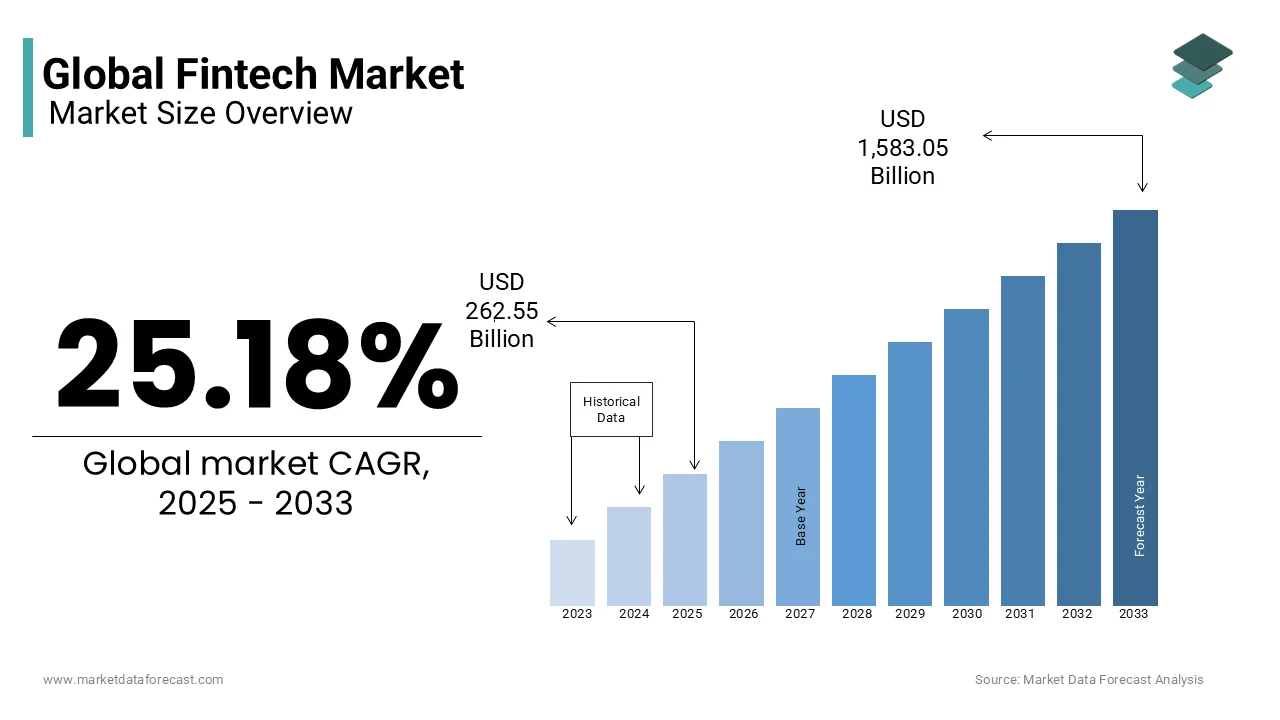

Companies that successfully adapt to new regulations and build strong reputations for trust and security are likely to thrive. This includes firms that invest in technology, cybersecurity, and customer experience.
On the other hand, businesses that fail to comply with regulations or address privacy concerns may face legal and financial challenges. Investors must carefully evaluate companies based on their compliance, governance, and long-term strategy.
The rise of fintech solutions also presents new opportunities. Digital platforms that offer transparent and efficient debt management tools are gaining popularity, reshaping the competitive landscape.
What This Means for the Future of Financial Regulation
The current changes in the debt relief industry are part of a broader trend toward increased regulation in the financial sector.
As technology continues to evolve, regulators are working to keep pace with new challenges. This includes addressing issues related to data privacy, cybersecurity, and digital financial services.
In the long term, these efforts could lead to a more stable and secure financial system. However, they also require ongoing collaboration between regulators, businesses, and consumers to ensure that the system remains both effective and accessible.
The question is not whether change is coming—it is how quickly and effectively the industry can adapt.
A Turning Point for the US Financial System
The intersection of debt relief services, privacy lawsuits, and new regulations marks a turning point for the US financial system in 2026. These changes are reshaping how companies operate, how consumers interact with financial services, and how trust is built in the modern economy.
For consumers, this new era offers greater protection and transparency, but also requires careful decision-making. For businesses and investors, it presents both challenges and opportunities in a rapidly evolving landscape.
As the financial system continues to transform, staying informed and adaptable will be essential for navigating the changes ahead.
Subscribe to trusted news sites like USnewsSphere.com for continuous updates.