
Wall Street reacts as BlackRock caps investor withdrawals — what this means for the $2 trillion private credit boom is quickly becoming one of the most closely watched financial developments of the year. The decision by the world’s largest asset manager to limit withdrawals from a major private credit fund has sparked fresh debate across the United States financial system about liquidity risks, investor behavior, and the long-term stability of the fast-growing private lending industry.
BlackRock’s move came after investors attempted to withdraw roughly $1.2 billion from a private credit fund managing around $26 billion in assets. The fund’s rules allow redemptions of only 5% of total assets each quarter, meaning only about $620 million could be withdrawn immediately. The rest of the withdrawal requests were deferred, triggering concern among market participants and drawing widespread attention from Wall Street analysts, economists, and financial media outlets.
Although redemption limits are common in private credit funds, the scale of investor withdrawal requests has raised an important question: Is the private credit market facing its first major stress test after years of explosive growth?
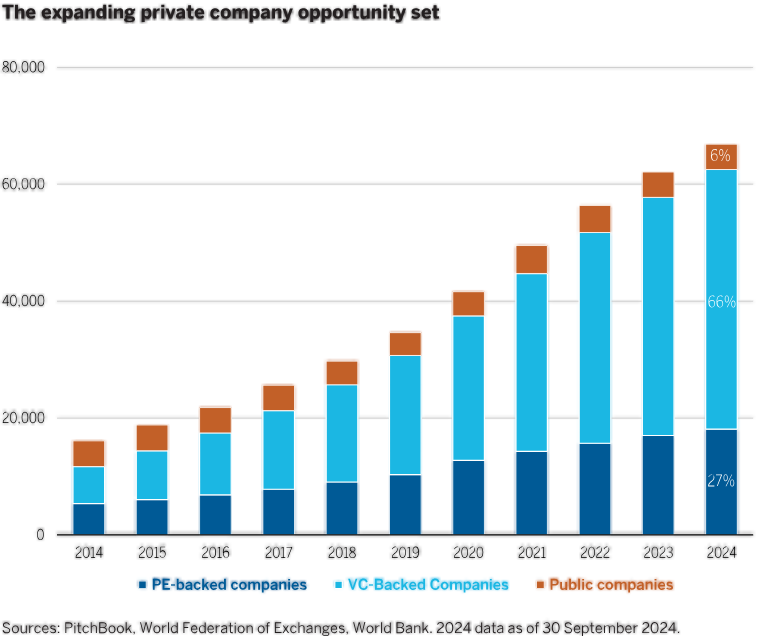
The broader private credit sector has expanded rapidly over the last decade and is now estimated to exceed $2 trillion globally, making it one of the most influential forces in modern finance.
Why BlackRock Limited Withdrawals From Its Private Credit Fund
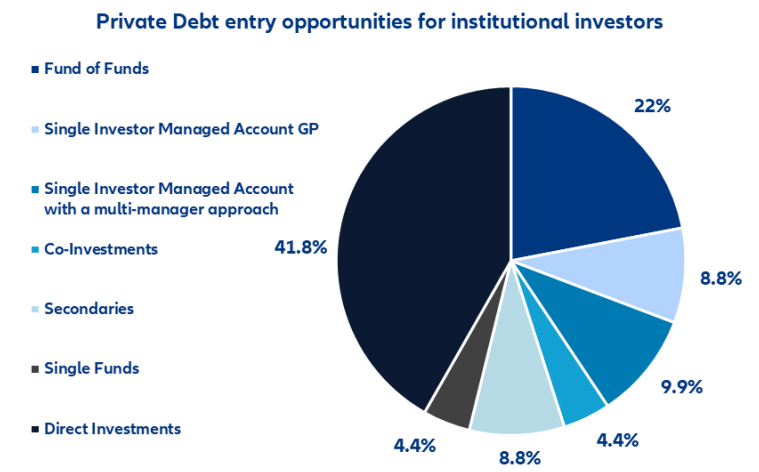
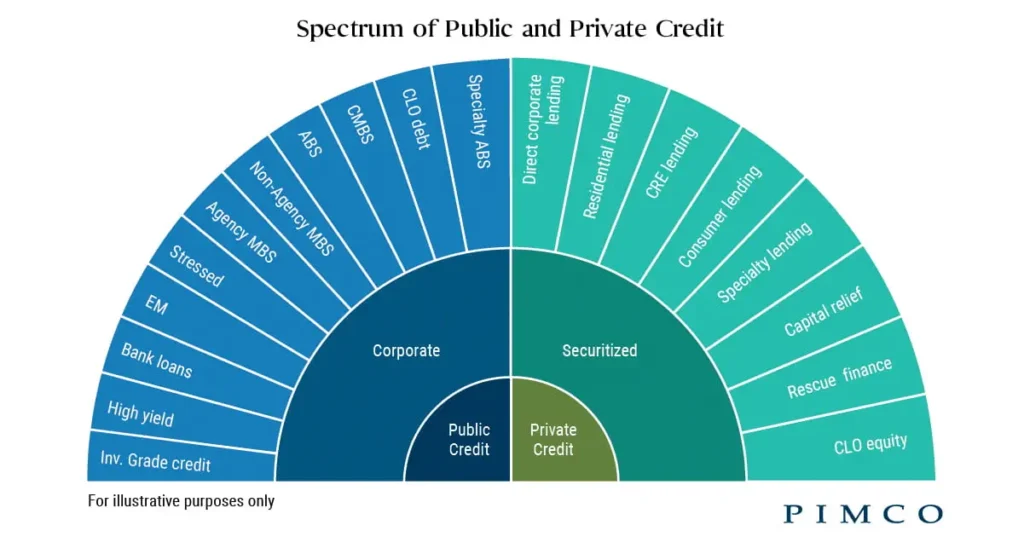
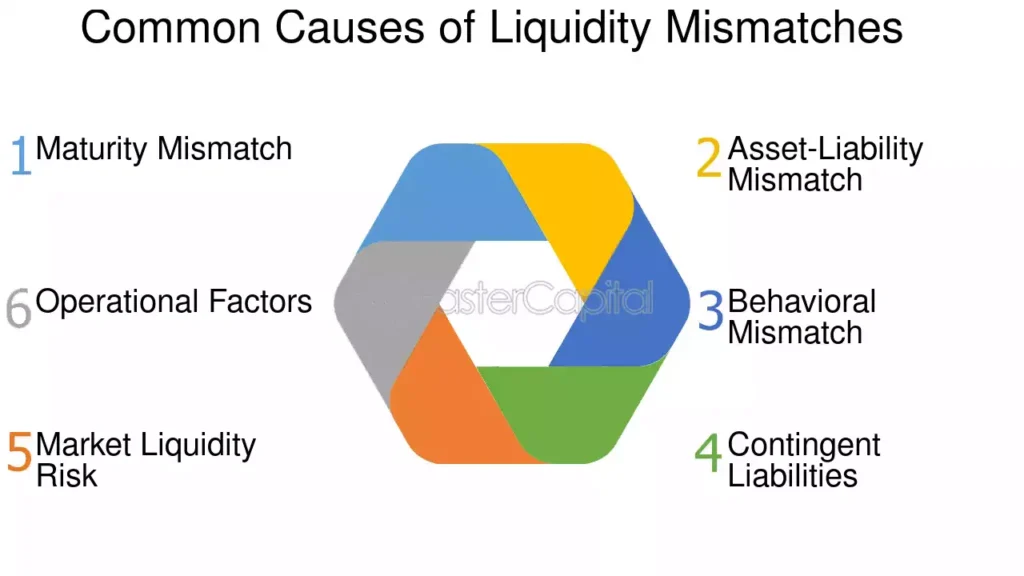
BlackRock introduced the withdrawal cap primarily to protect long-term investors and prevent sudden asset sales that could damage the fund’s value. Private credit funds typically invest in loans to mid-size corporations, many of which are not publicly traded and do not have liquid secondary markets. Unlike stocks or bonds, these loans cannot be quickly sold without significant discounts.
Because of this structure, many private credit funds operate with quarterly redemption limits. These limits are designed to ensure the fund can meet investor withdrawals without disrupting its lending portfolio.
In BlackRock’s case, the fund received withdrawal requests equal to more than 9% of its total assets, significantly higher than the allowed redemption threshold. By enforcing the limit, the company avoided having to sell loans prematurely or alter the fund’s long-term investment strategy.
While the decision was consistent with the fund’s rules, the timing drew attention from investors because private credit has become such a large and influential segment of global capital markets. Even a small signal of stress can generate significant reactions across Wall Street.
Wall Street Reacts as BlackRock Caps: The Rise of the $2 Trillion Private Credit Industry
Private credit has transformed from a niche investment strategy into a dominant force in global finance. The sector expanded rapidly after the 2008 financial crisis, when new regulations forced traditional banks to reduce risky lending activities.
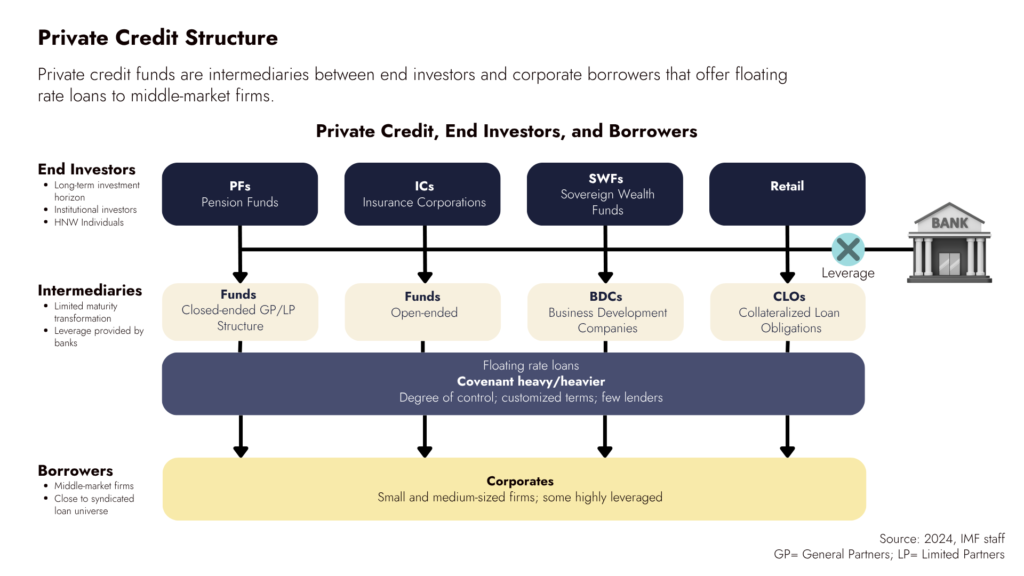
As banks pulled back, large asset managers stepped in to fill the gap. Firms like BlackRock, Apollo, Blackstone, Ares, and KKR began offering direct loans to companies that might otherwise struggle to obtain bank financing.
Institutional investors—including pension funds, insurance companies, and sovereign wealth funds—were drawn to private credit because it often delivers higher yields than traditional bonds. During the era of ultra-low interest rates, these returns made private lending extremely attractive.
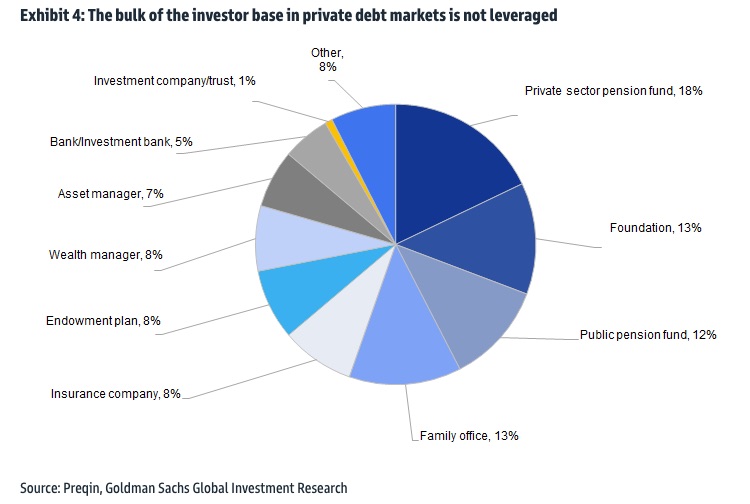
According to industry estimates, private credit assets grew from around $500 billion in 2010 to more than $2 trillion by 2026. The expansion was fueled by strong investor demand, low default rates, and the search for income-producing investments.
However, the rapid growth of this market has also raised concerns among regulators and economists about potential risks. Because private credit funds operate outside the traditional banking system, they are sometimes described as part of the “shadow banking” sector.
Wall Street’s Immediate Reaction to the Withdrawal Cap
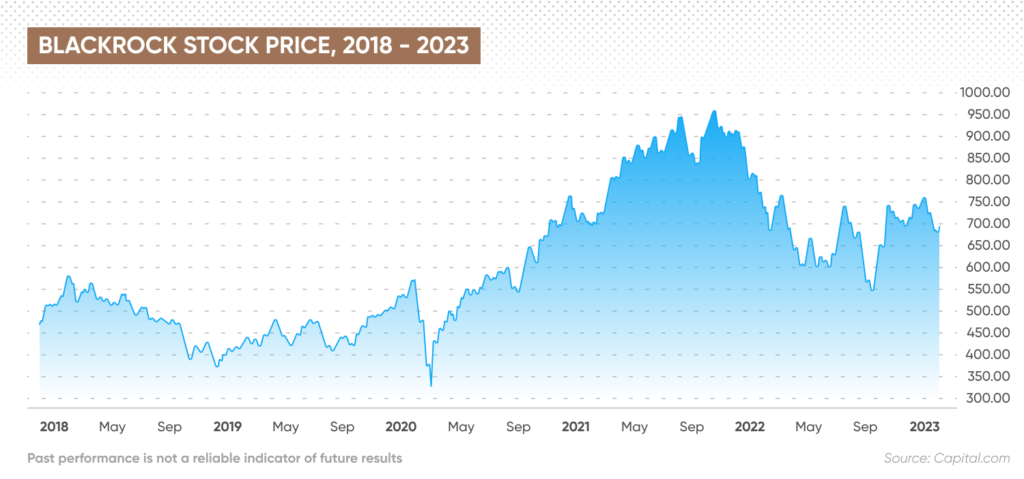
The market reaction to the news was swift. Shares of BlackRock declined significantly in the days following the announcement as investors reassessed potential risks tied to the company’s private lending exposure.
Other alternative asset managers also experienced volatility as traders began questioning whether similar redemption pressures could emerge across the industry.
Financial analysts emphasized that redemption limits are not unusual in private markets, but the event served as a reminder that private credit funds operate differently from traditional mutual funds. Investors accustomed to daily liquidity may underestimate the time required to exit positions in private loan portfolios.
Despite the initial market reaction, some experts believe the decision actually demonstrates strong risk management. By enforcing redemption rules, BlackRock prevented a scenario in which the fund might have been forced to sell loans at unfavorable prices.
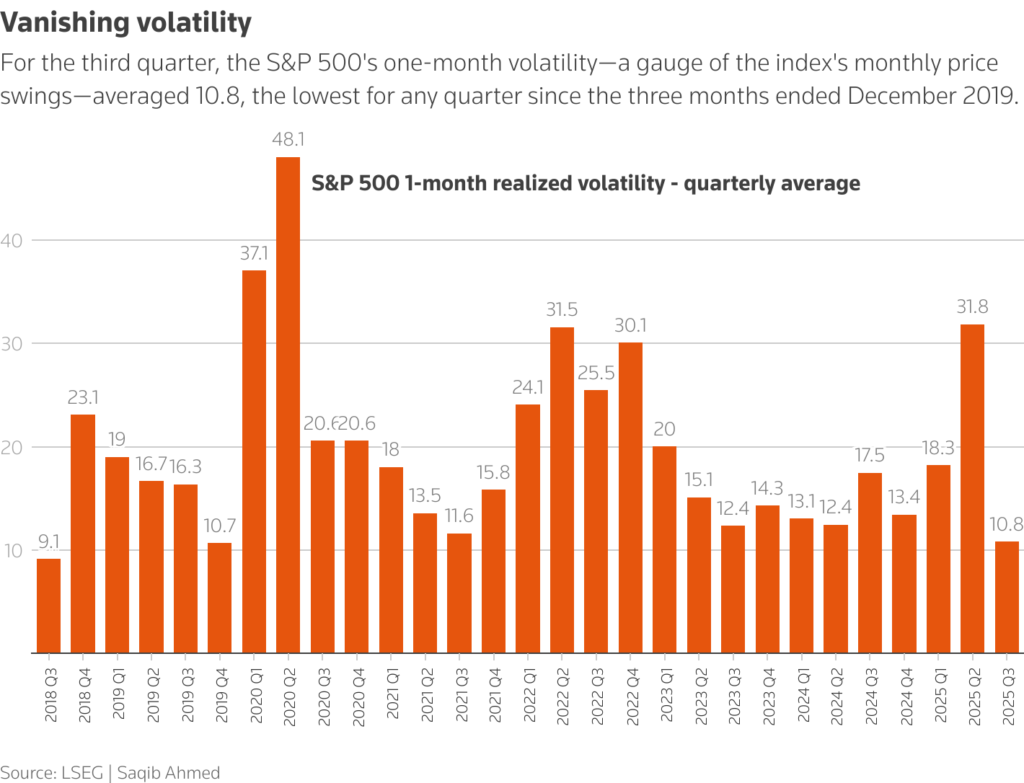
Still, the incident has prompted deeper discussions on Wall Street about how resilient the private credit market will be during periods of economic uncertainty.
Interest Rates, Economic Pressure, and Investor Concerns
The timing of the withdrawal requests is closely linked to broader economic conditions. Over the past two years, higher interest rates have significantly increased borrowing costs for companies that rely on private credit financing.
As interest expenses rise, some borrowers may face greater financial pressure, which can increase the risk of loan defaults. Although default rates remain relatively manageable, investors are paying closer attention to credit quality across the sector.
At the same time, global financial markets are adjusting to a new environment in which interest rates remain higher than the levels seen during the previous decade. This shift is forcing investors to reconsider how much risk they are willing to take in alternative investments.
Private credit funds often promise stable income and strong returns, but they also rely heavily on the health of the underlying companies receiving loans. If economic growth slows or corporate earnings weaken, investor sentiment toward private lending strategies could change quickly.
For this reason, the BlackRock withdrawal cap has become a symbolic moment for the industry. It highlights the challenges of balancing investor liquidity with long-term lending commitments.
Potential Regulatory and Systemic Implications
The rapid expansion of private credit has already attracted the attention of financial regulators in the United States and Europe. Policymakers are increasingly examining how non-bank lending institutions might affect financial stability.
Some regulators argue that the private credit industry provides valuable financing for businesses and strengthens economic growth. Others warn that the sector could create hidden vulnerabilities if liquidity pressures spread across multiple funds simultaneously.
The BlackRock situation may intensify these discussions. When investors attempt to withdraw large sums at the same time, funds must rely on redemption limits or temporary restrictions to maintain stability.
While such measures are designed to protect investors, they can also signal underlying tension in the financial system. If similar events occur across several major funds, regulators may push for stricter oversight of private credit markets.
For now, however, most analysts believe the industry remains fundamentally stable. Large asset managers have diversified portfolios and strong risk controls that can help absorb short-term investor pressure.
Market Outlook: What Investors Should Watch Next
Looking ahead, several factors will determine whether the current situation remains an isolated event or signals broader changes in private credit markets.
One key indicator will be investor behavior. If redemption requests continue to rise across multiple funds, it could indicate growing concern about credit risk.
Another important factor is the health of corporate borrowers. Rising default rates could place pressure on fund returns and potentially trigger additional investor withdrawals.
Interest rate trends will also play a crucial role. If borrowing costs stabilize or decline, private credit investments may regain momentum as attractive income-generating assets.
Finally, regulatory developments could shape the industry’s future. Governments and central banks are increasingly monitoring alternative lending markets to ensure that systemic risks remain under control.
Despite the recent headlines, many investment professionals believe private credit will continue to play an important role in global finance. The sector has become deeply integrated into corporate funding structures, making it unlikely to disappear even if short-term volatility increases.
Conclusion
BlackRock’s decision to cap withdrawals from its $26 billion private credit fund has become a defining moment for the rapidly growing private lending industry. The move underscores the delicate balance between investor liquidity and long-term loan investments that characterize private credit strategies.
As the market continues to evolve, investors will be watching closely for signs of broader stress or renewed confidence. The coming months could reveal whether this event represents a temporary adjustment or the beginning of a more significant shift in how private credit funds operate.
With trillions of dollars now invested in private lending, even small developments can have major implications for global financial markets. For investors, the key lesson may be that understanding liquidity structures is just as important as evaluating potential returns.
Subscribe to trusted news sites like USnewsSphere.com for continuous updates.