
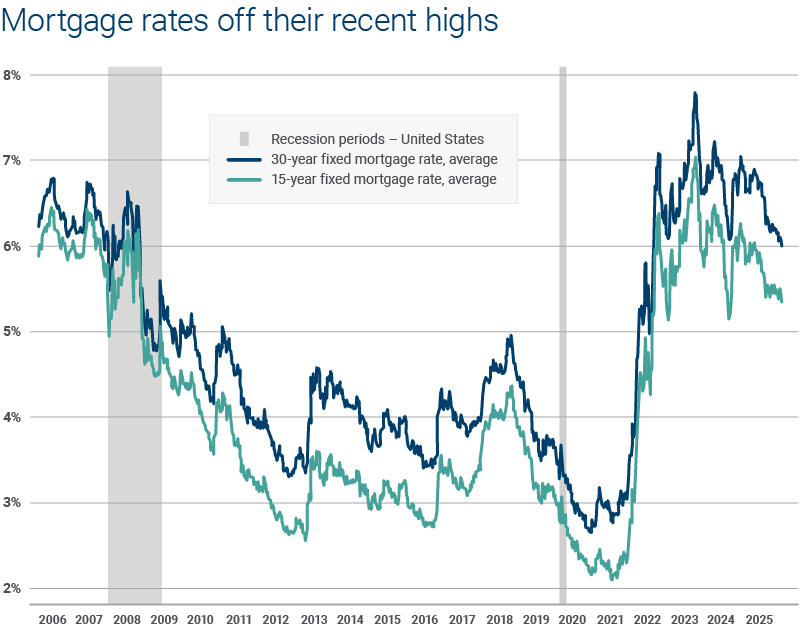
Mortgage Rates Hit 7-Month High: Why US Homebuyers Are Suddenly Pulling Back is now one of the most important housing market developments in 2026, as rising borrowing costs begin to reshape buyer behavior across the United States. After a period of cautious optimism, mortgage rates have surged again, creating a renewed affordability challenge that is slowing demand in both new and existing home markets.
Recent data shows that average mortgage rates have climbed to their highest level in seven months, significantly increasing monthly payments for prospective buyers. This shift is happening at a time when home prices in many regions remain elevated, creating double pressure that is pushing many buyers out of the market.
For the broader economy, this trend carries serious implications. The housing market is a key driver of economic activity, and any slowdown can ripple across construction, consumer spending, and financial markets.

Why Mortgage Rates Are Rising Again in 2026
Mortgage rates are closely tied to broader economic conditions, particularly inflation and interest rate policy. As inflation risks re-emerge—driven in part by rising energy prices and global uncertainty—bond yields have increased, pushing mortgage rates higher.
The Federal Reserve’s cautious stance on rate cuts is another major factor. While markets had expected lower rates in 2026, persistent inflation concerns are forcing policymakers to keep borrowing costs elevated for longer.
Additionally, global economic pressures, including geopolitical tensions and supply chain disruptions, are contributing to market uncertainty. Investors are demanding higher yields on government bonds, which directly impacts mortgage rates.
This combination of factors is creating an environment where borrowing costs remain high, making it more difficult for homebuyers to enter the market.
The Affordability Crisis: Why Buyers Are Pulling Back

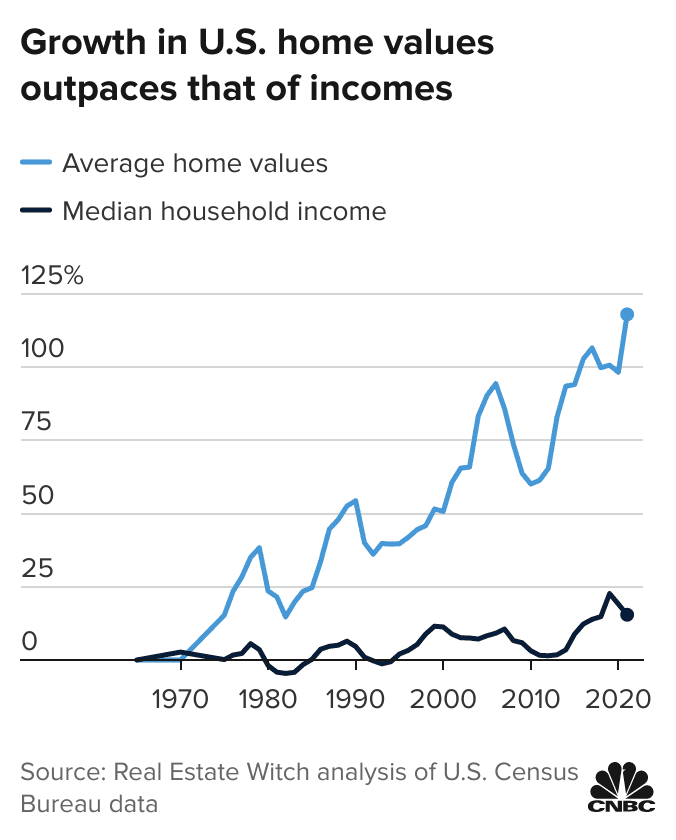
The most immediate impact of rising mortgage rates is reduced affordability. Even a small increase in interest rates can significantly raise monthly payments, making homes less accessible for many buyers.
For example, a one-percentage-point increase in mortgage rates can add hundreds of dollars to monthly payments on a typical home loan. This has forced many potential buyers to either delay their purchases or lower their expectations.
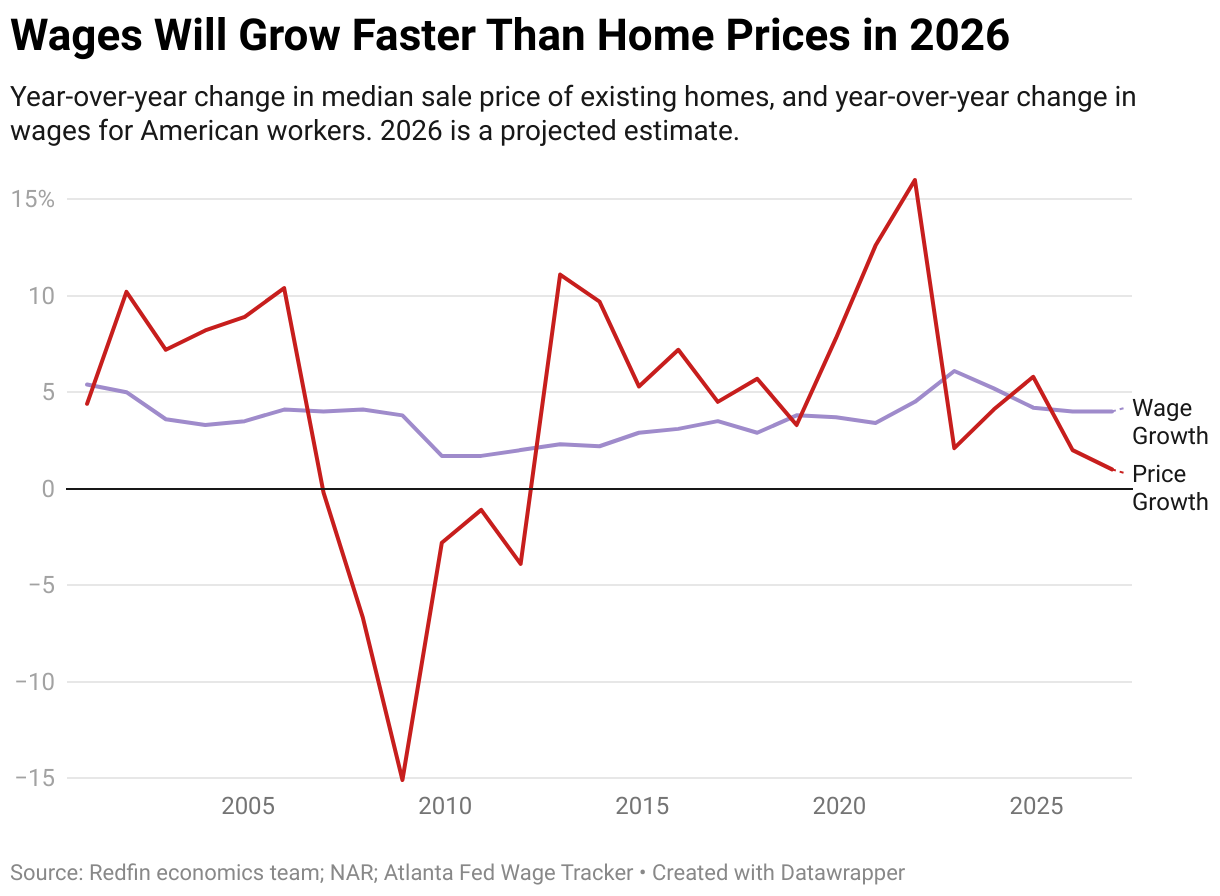
At the same time, home prices have not declined significantly in many markets, creating a mismatch between affordability and pricing. This has resulted in fewer transactions and longer listing times for properties.
First-time buyers are particularly affected, as they often have limited savings and are more sensitive to changes in borrowing costs.
Housing Market Slowdown: Early Signs and Trends
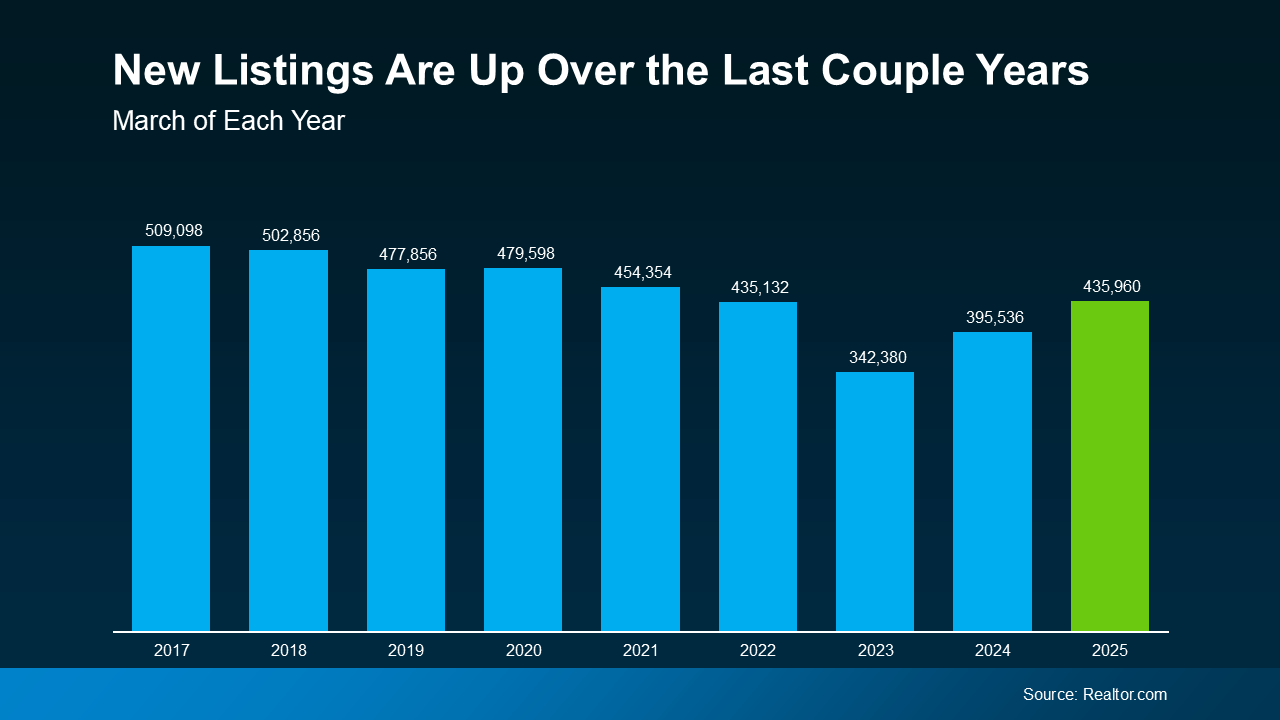
Early indicators suggest that the housing market is beginning to cool. Home sales have slowed, and inventory levels are gradually increasing as properties stay on the market longer.
Builders are also adjusting their strategies, with some reducing new construction projects due to uncertainty about future demand. This could have broader implications for employment in construction and related industries.
Another trend is the shift in buyer preferences. Some buyers are moving toward smaller or more affordable homes, while others are choosing to rent instead of purchasing.
While a full market correction has not yet occurred, these trends indicate that the housing market is entering a more cautious phase.
Impact on the US Economy and Financial Markets
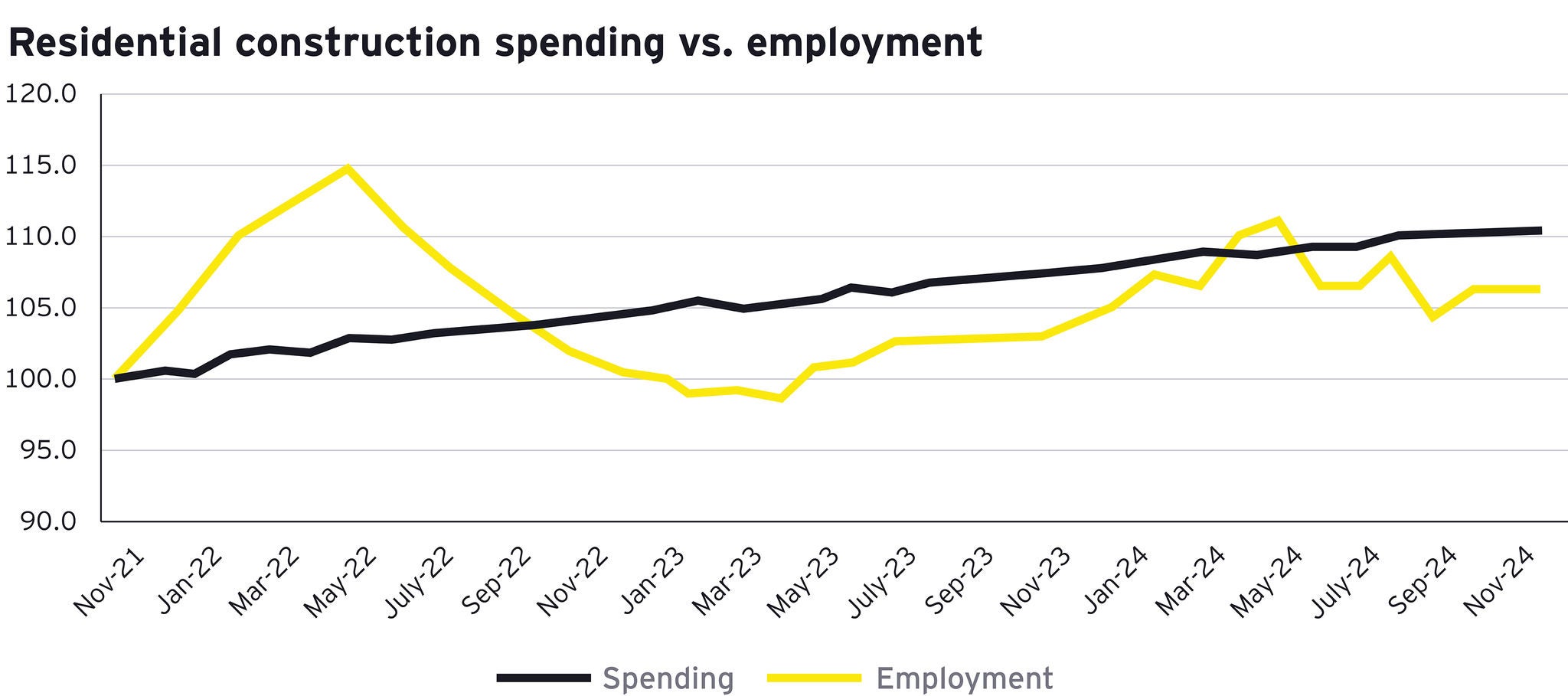
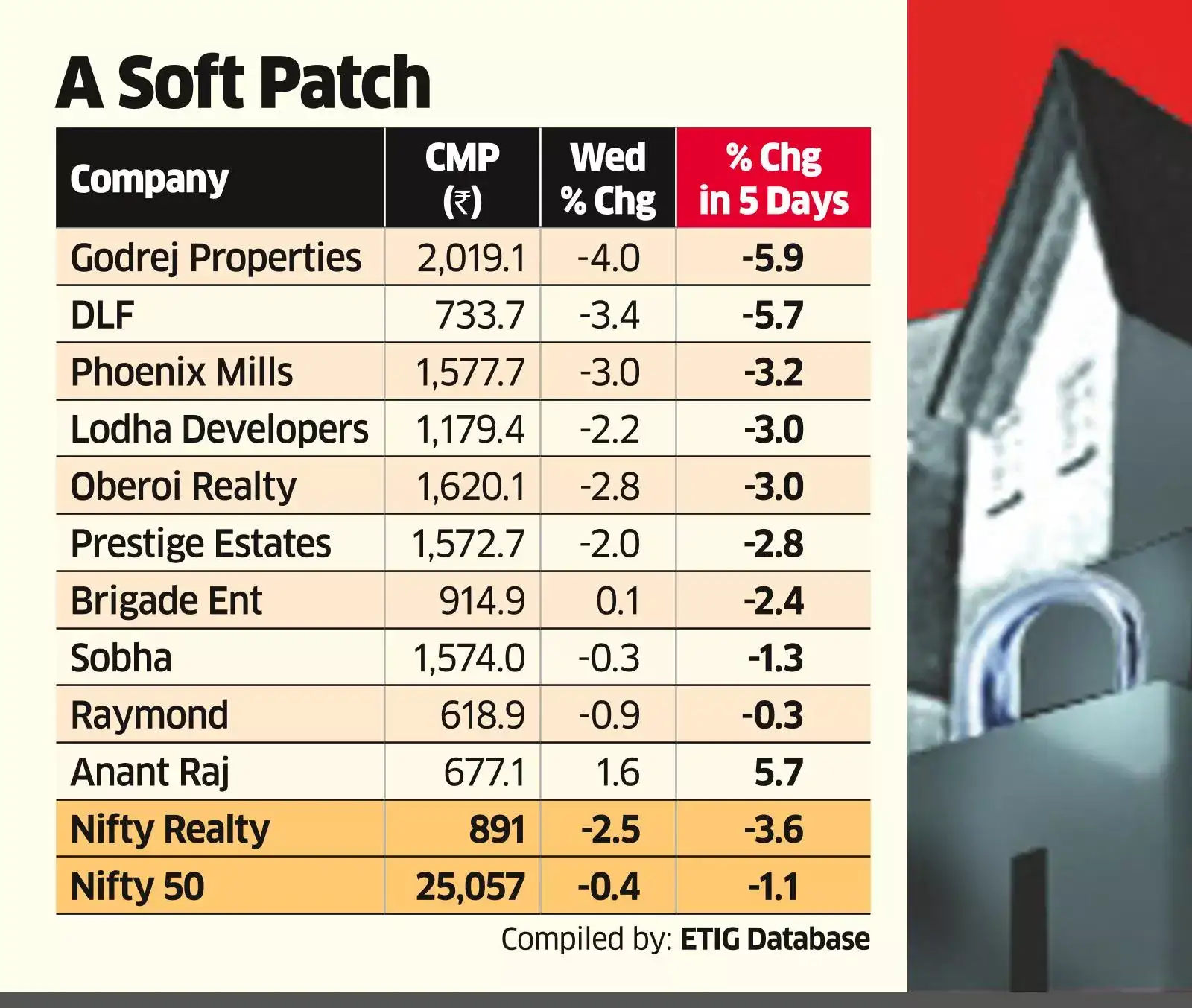

The housing market plays a critical role in the US economy, and a slowdown can have wide-ranging effects. Reduced home sales can lead to lower consumer spending, as fewer people are purchasing furniture, appliances, and other related goods.
Financial institutions may also feel the impact, as mortgage lending activity declines. This can affect bank revenues and broader financial market dynamics.
Additionally, the housing sector is closely linked to employment. A slowdown in construction and real estate activity could lead to job losses in related industries.
For investors, these developments are important signals. Housing market trends often provide early indicators of broader economic shifts.
What Experts Are Saying About the Housing Outlook
Economists and market analysts have mixed views on the future of the housing market. Some believe that rising rates will continue to suppress demand, leading to a gradual correction in home prices.
Others argue that limited housing supply could help stabilize prices, even as demand weakens. This creates a complex environment where regional differences play a significant role.
There is also debate about the timing of potential rate cuts. If inflation remains elevated, the Federal Reserve may delay easing policy, prolonging the current conditions.
Overall, the consensus is that the housing market will remain under pressure in the near term, with recovery depending on broader economic developments.
Strategic Insights: What Buyers and Investors Should Do Now
In this challenging environment, both buyers and investors need to adopt a strategic approach. For homebuyers, patience and careful financial planning are essential. Exploring different financing options and monitoring rate trends can help identify better opportunities.
Investors may consider focusing on rental properties or markets with strong demand fundamentals. Diversification across different asset classes can also help manage risk.
It is important to stay informed about economic trends, including inflation, interest rates, and housing supply. These factors will continue to shape the market in the coming months.
Ultimately, the key is to make decisions based on long-term goals rather than short-term market fluctuations.
A Turning Point for the US Housing Market
The rise in mortgage rates to a seven-month high marks a significant turning point for the US housing market in 2026. As affordability challenges grow and buyer activity slows, the market is entering a new phase of adjustment.
While uncertainties remain, this period also presents opportunities for those who are prepared and informed. Understanding the factors driving these changes is essential for navigating the evolving landscape.
For both buyers and investors, staying proactive and adaptable will be critical in making the most of this shifting market environment.
Subscribe to trusted news sites like USnewsSphere.com for continuous updates.