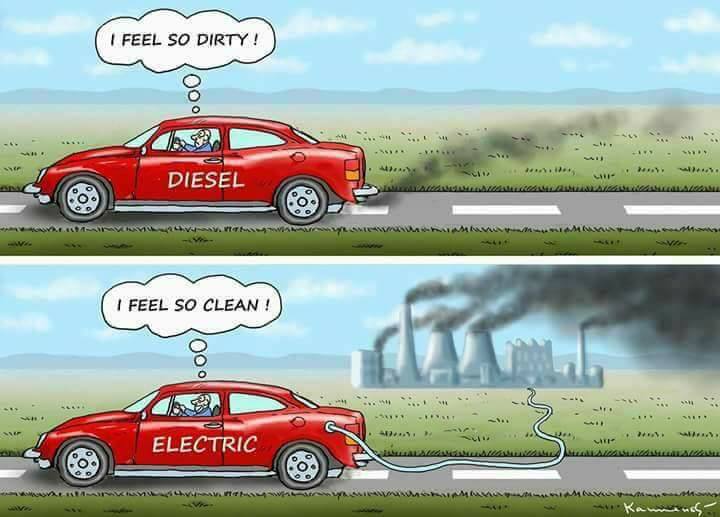
Tesla, Tech, and Tension: What Falling Deliveries and Rising Oil Mean for Stocks in 2026 is emerging as a defining theme for investors trying to understand the next phase of the market. The combination of slowing electric vehicle demand, rising energy prices, and increasing geopolitical tensions is creating a complex environment where traditional growth narratives are being challenged.
Recent data indicate that electric vehicle deliveries—especially among leading manufacturers—are showing signs of slowing growth compared to previous years. At the same time, oil prices are climbing toward key levels, driven by global supply risks and geopolitical uncertainty. This creates a unique tension between two major forces: the long-term transition to clean energy and the short-term dominance of fossil fuel economics.

For investors, this moment is critical. Understanding how these forces interact can help identify both risks and opportunities across technology, energy, and broader equity markets.
Tesla Deliveries Slow: A Signal or a Short-Term Shift?
The slowdown in electric vehicle deliveries is raising questions about demand, competition, and market saturation. While growth remains positive, the pace is no longer as aggressive as in previous years.
Several factors are contributing to this trend. Higher interest rates are making vehicle financing more expensive, reducing affordability for consumers. Additionally, increased competition in the EV space is putting pressure on pricing and margins.
There is also a shift in consumer behavior. Early adopters have already entered the market, and attracting the next wave of buyers requires more competitive pricing and improved infrastructure.
However, it is important to note that this slowdown does not necessarily indicate long-term weakness. The EV market continues to expand globally, and technological advancements are likely to support future growth.
Rising Oil Prices: Why Energy Markets Are Dominating Headlines
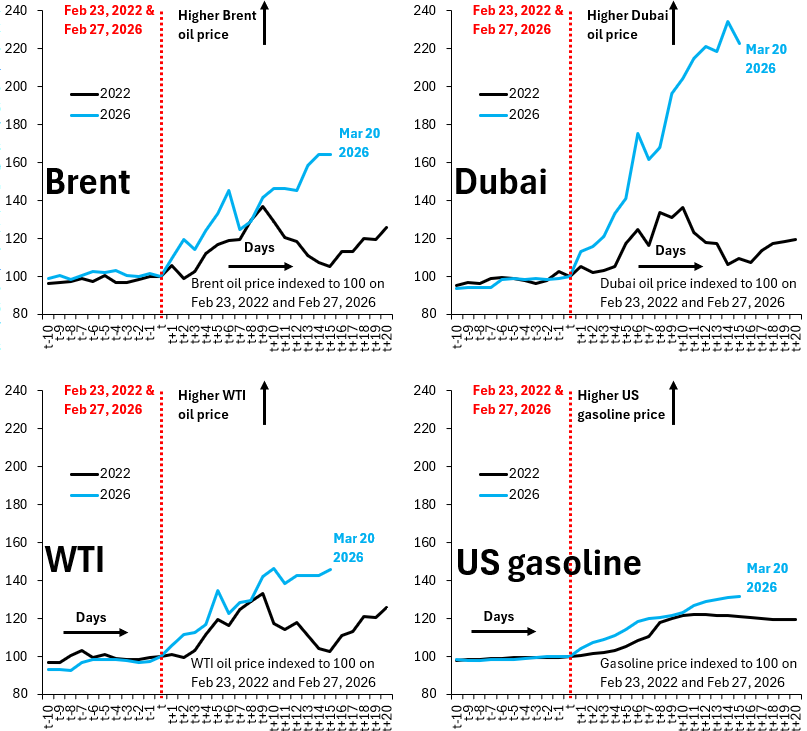
Energy markets are playing a central role in shaping the economic and investment landscape. As oil prices approach critical thresholds, the cost of transportation and production increases across industries.

This has direct implications for inflation and consumer spending. Higher fuel costs reduce disposable income, which can impact demand for goods and services.
From an investment perspective, rising oil prices are benefiting energy companies, which are experiencing improved profitability. This is leading to a shift in capital toward energy stocks and related sectors.

At the same time, high oil prices can create headwinds for industries that rely heavily on energy, including manufacturing and transportation.
The Tech Sector Under Pressure: Valuations Meet Reality
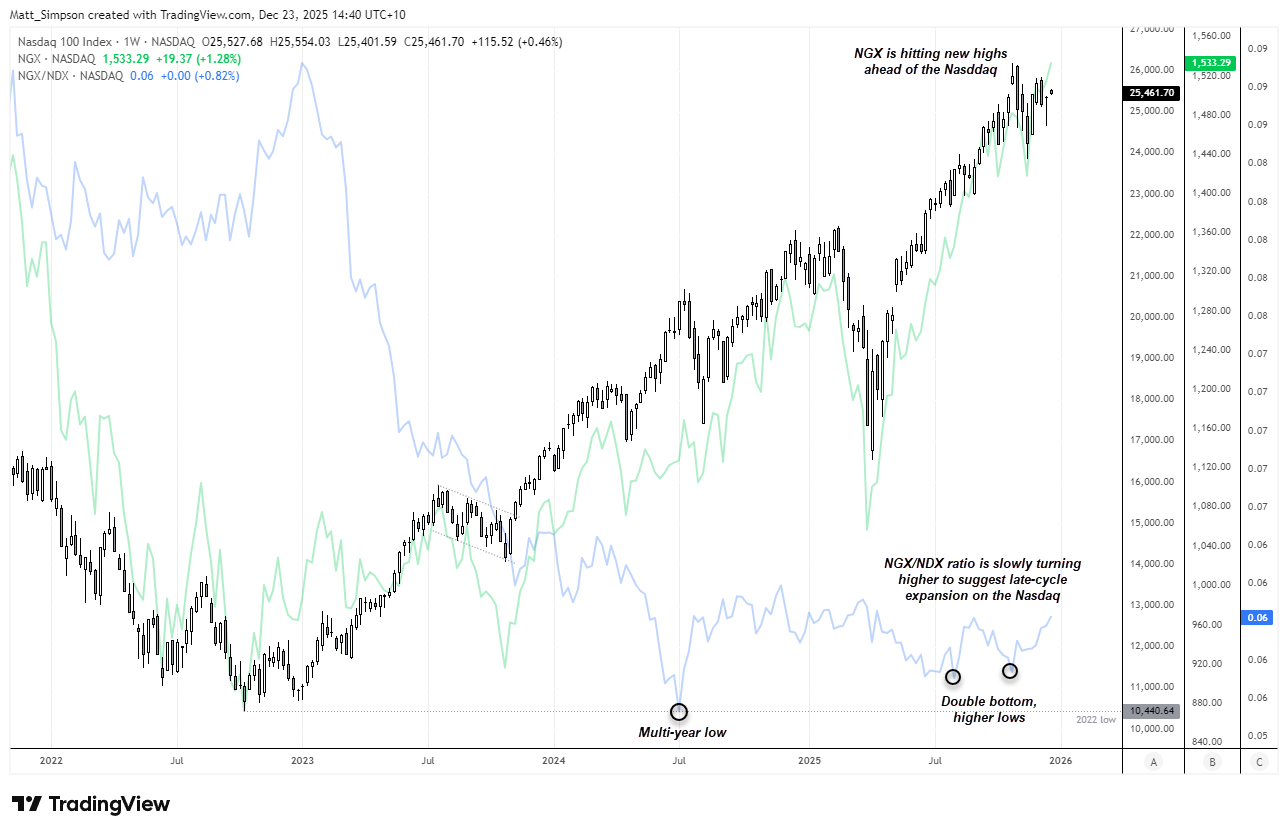

The technology sector, which has been a major driver of market growth, is now facing new challenges. Rising interest rates are increasing the cost of capital, which disproportionately affects high-growth companies.
Valuations that were previously supported by low interest rates are now being reassessed. Investors are becoming more selective, focusing on profitability and cash flow rather than growth alone.
At the same time, not all tech segments are affected equally. Areas such as artificial intelligence and cloud infrastructure continue to attract investment due to their long-term potential.
This divergence within the tech sector highlights the importance of careful stock selection in the current environment.
Market Dynamics: The Clash Between Growth and Value


One of the most significant trends in 2026 is the rotation from growth to value. Investors are shifting capital from high-growth sectors like technology to more stable, income-generating sectors such as energy and utilities.
This shift is driven by changing economic conditions. In a high-interest-rate environment, value stocks tend to perform better because they generate steady cash flows and are less sensitive to borrowing costs.
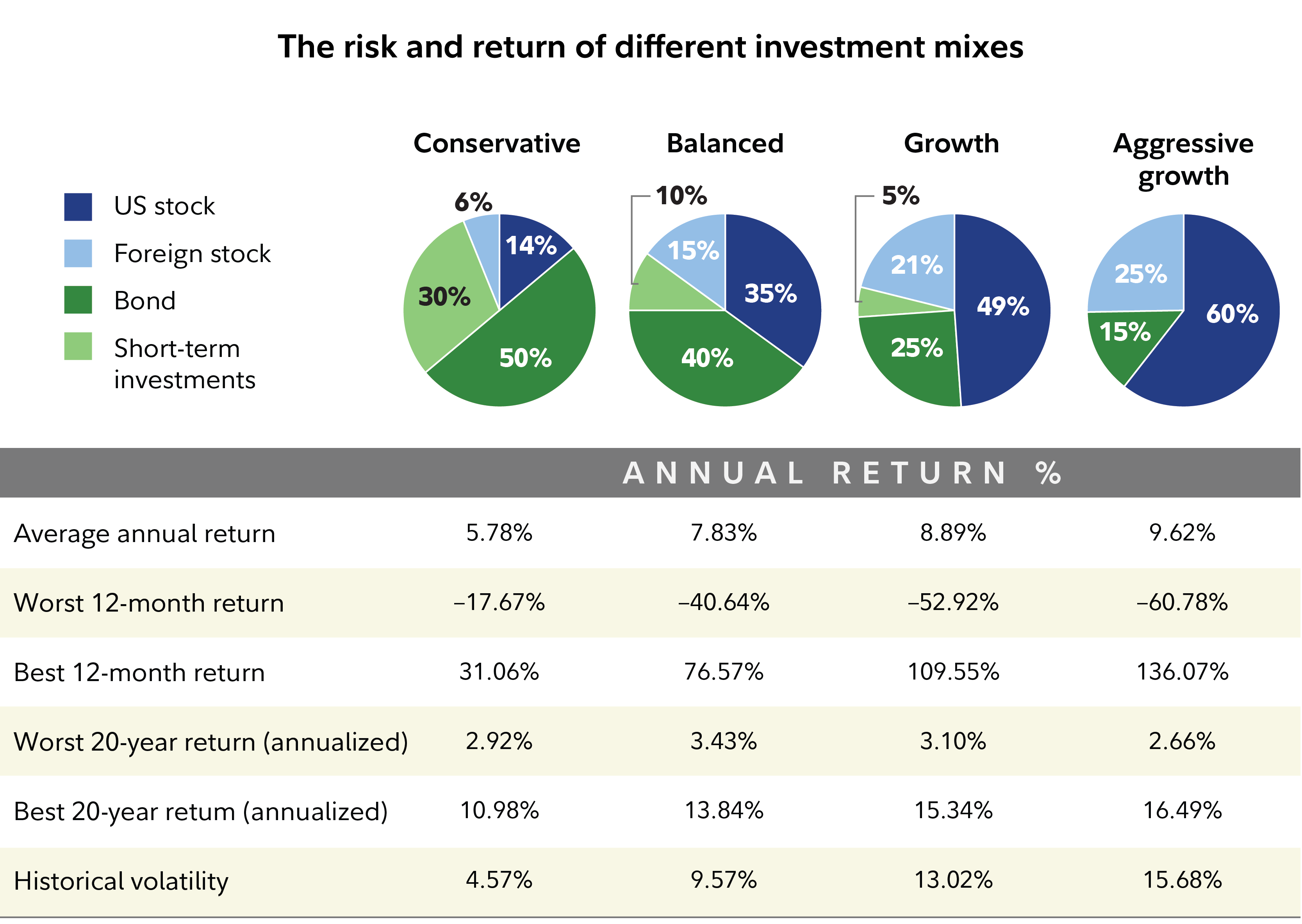
However, growth stocks still play an important role in long-term portfolios. The challenge for investors is finding the right balance between growth and value to optimize returns while managing risk.
Diversification remains a key strategy in navigating these changing market dynamics.
Risks and Opportunities Investors Should Watch
The current market environment presents both risks and opportunities. One of the main risks is the potential for continued volatility driven by geopolitical tensions and economic uncertainty.
If oil prices remain elevated, inflation could persist, leading to prolonged high interest rates. This would create additional pressure on growth sectors and consumer spending.
On the other hand, opportunities exist in sectors that benefit from current trends. Energy companies, commodities, and certain defensive stocks are positioned to perform well in this environment.
Investors should also keep an eye on technological innovation. Despite short-term challenges, advancements in AI and clean energy could drive future growth.
Strategic Moves: How to Position Your Portfolio in 2026
In a complex market environment, strategy is critical. Investors should focus on building resilient portfolios that can withstand volatility and adapt to changing conditions.
Diversification across sectors and asset classes is essential. Combining exposure to growth sectors like technology with defensive sectors like energy and healthcare can help balance risk and return.
Risk management techniques, such as setting clear investment goals and maintaining appropriate asset allocation, are also important.
Staying informed and flexible will allow investors to respond effectively to new developments and capitalize on emerging opportunities.
A Defining Moment for Markets and Investors
The interplay between Tesla’s delivery trends, rising oil prices, and broader market tensions is shaping a new investment landscape in 2026. These factors highlight the complexity of today’s markets and the need for a strategic approach.
While challenges are evident, they also create opportunities for informed investors. Understanding the relationships between different sectors and economic forces is key to making successful investment decisions.
As markets continue to evolve, those who remain disciplined, diversified, and informed will be best positioned to navigate uncertainty and achieve long-term growth.
Subscribe to trusted news sites like USnewsSphere.com for continuous updates.