
How to Protect Your Money During Market Crashes is one of the most searched financial questions in the United States during periods of volatility, and the answer lies in combining risk management, diversification, and disciplined investing strategies used by top investors. Market crashes are inevitable, but losing money doesn’t have to be.
Right now, this topic matters more than ever. With rising geopolitical tensions, fluctuating interest rates, and increasing market volatility in 2026, investors across the US are actively searching for ways to safeguard their wealth. History shows that those who prepare early not only survive crashes but often come out stronger.
In this article, you will learn proven strategies used by top US investors, how to protect your portfolio step-by-step, key risks to avoid, and actionable financial insights that can help you grow wealth even during uncertain times.
Protect Your Money During Market Crashes: Understanding Market Crashes and Why They Happen
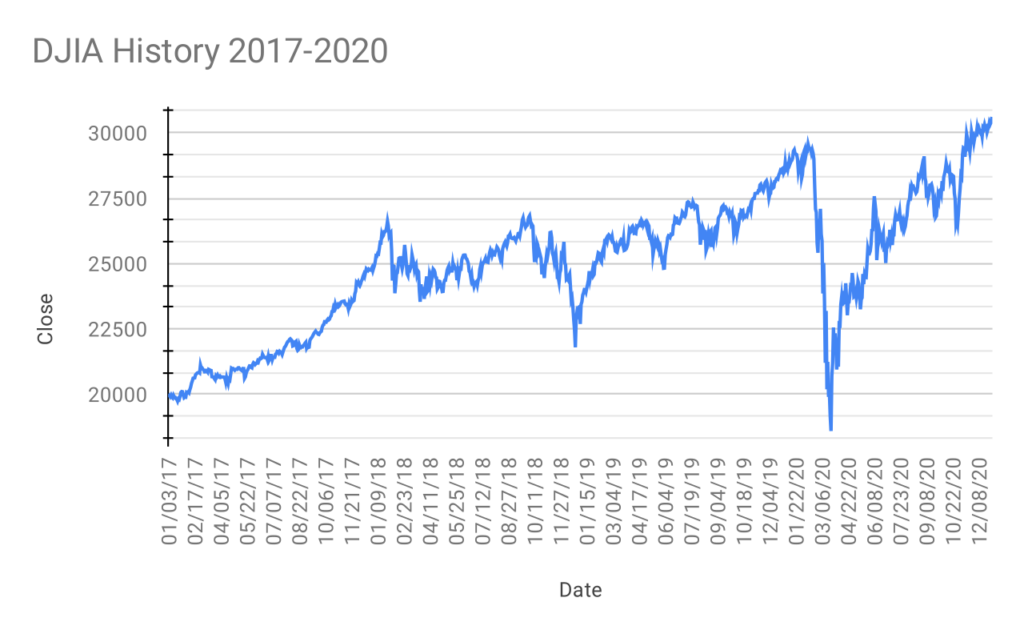
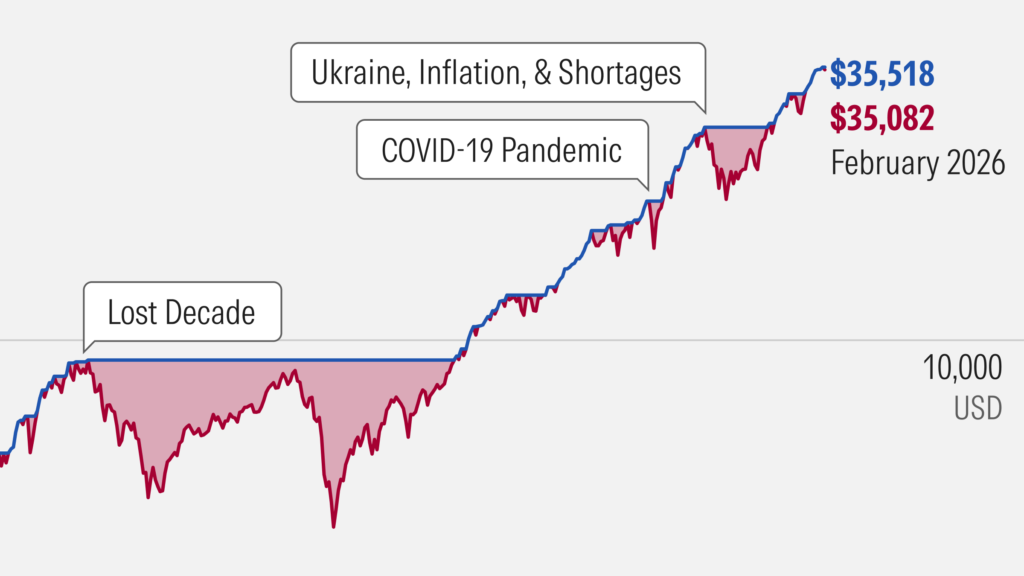
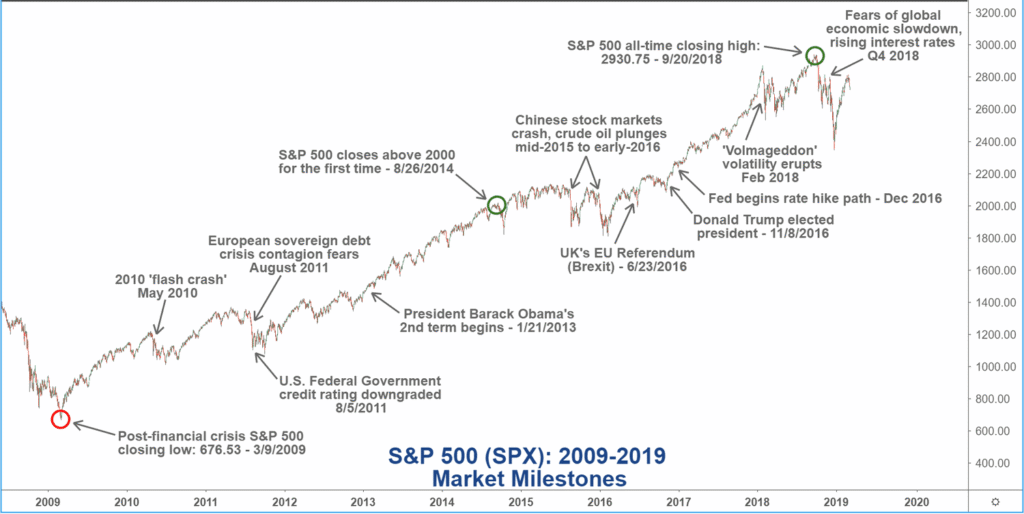
Market crashes occur when stock prices fall sharply in a short period, often triggered by economic shocks, geopolitical tensions, or financial system instability. Examples like the 2008 financial crisis and the 2020 COVID crash show how quickly wealth can erode.
In the US market, crashes are often linked to rising interest rates, inflation spikes, or sudden global conflicts that disrupt supply chains and investor confidence. These factors cause panic selling, which accelerates the decline.
However, experienced investors understand one key principle: crashes are temporary, but decisions made during crashes have long-term consequences. The goal is not to predict crashes but to prepare for them.
How Top Investors Protect Their Money Step-by-Step
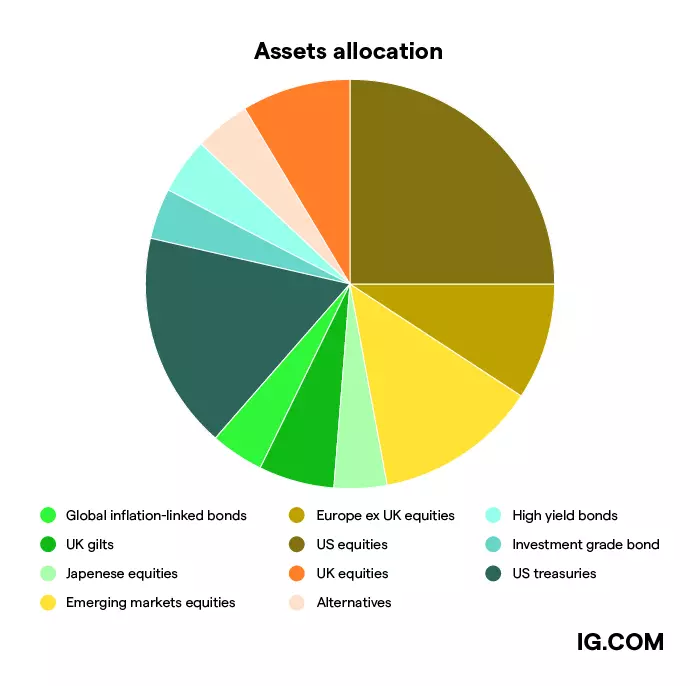
The first step is diversification. Top investors spread their money across different asset classes like stocks, bonds, real estate, and commodities. This reduces risk because not all assets fall at the same time.
The second step is maintaining liquidity. Smart investors keep a portion of their portfolio in cash or cash equivalents. This allows them to survive downturns without selling assets at a loss and also take advantage of buying opportunities.
The third step is focusing on quality investments. Blue-chip companies with strong balance sheets tend to recover faster after crashes. Investors prioritize businesses with consistent earnings and low debt.
The fourth step is disciplined investing. Instead of panic selling, successful investors follow long-term strategies such as dollar-cost averaging, which involves investing regularly regardless of market conditions.
Benefits and Risks of Crash Protection Strategies
One major benefit is capital preservation. By reducing exposure to high-risk assets, investors can avoid significant losses during downturns.
Another benefit is opportunity creation. Investors with cash reserves can buy undervalued stocks when prices are low, leading to higher returns when markets recover.
However, there are also risks. Holding too much cash can reduce overall returns, especially during bull markets. Similarly, over-diversification can dilute gains.
Timing the market is another common risk. Many investors try to exit before a crash and re-enter at the bottom, but this is extremely difficult and often leads to missed opportunities.
Financial Impact and Cost Breakdown
Consider an investor with a $100,000 portfolio. During a typical market crash, stocks may fall by 20–30%. Without protection, this could reduce the portfolio value to $70,000.
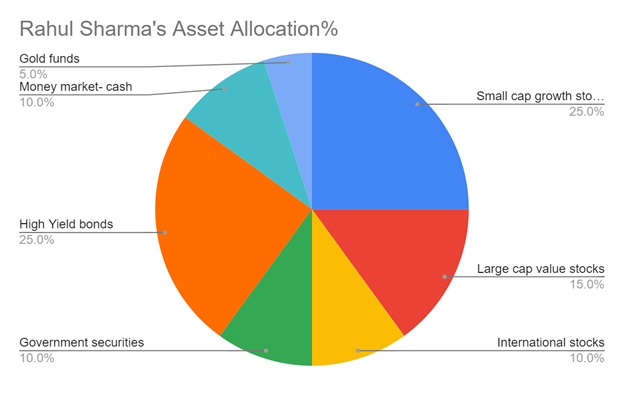
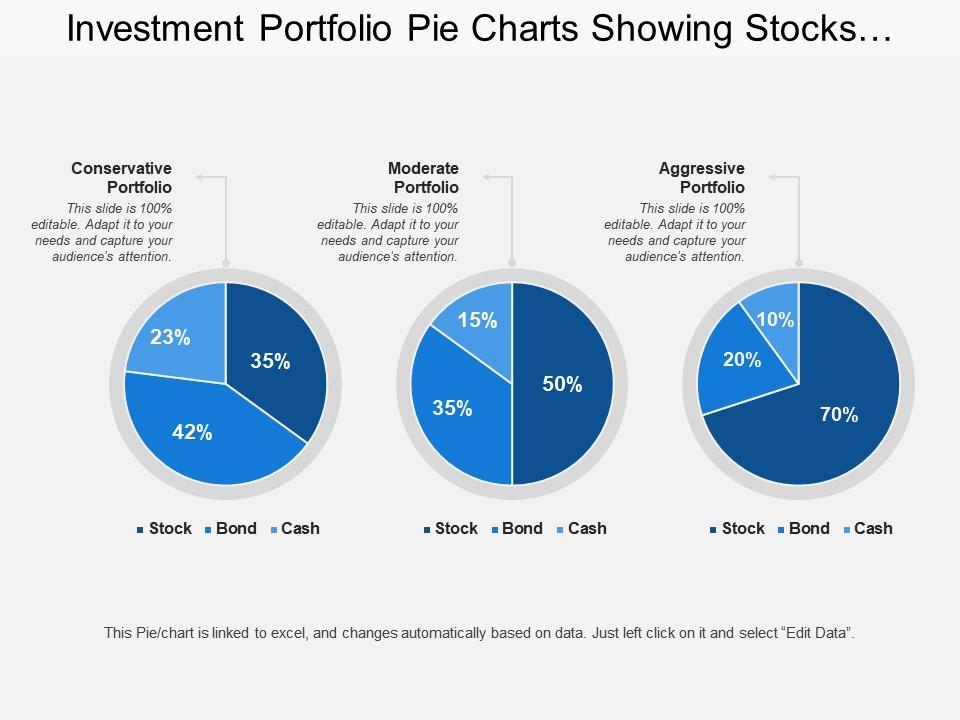
Now compare this with a diversified portfolio:
- 60% stocks ($60,000)
- 20% bonds ($20,000)
- 10% gold ($10,000)
- 10% cash ($10,000)
If stocks fall 30%, the loss is $18,000 instead of $30,000, significantly reducing overall damage.
Additionally, having $10,000 in cash allows the investor to buy discounted assets, potentially doubling returns during recovery phases.
Transaction costs, taxes, and inflation should also be considered. Frequent trading increases costs, while inflation erodes cash value over time.
Comparing Different Protection Strategies
Diversification is the most widely used strategy because it balances risk and reward. Compared to keeping all money in stocks, it provides stability during downturns.
Hedging strategies, such as investing in gold or defensive stocks, offer additional protection but may limit upside potential during strong markets.
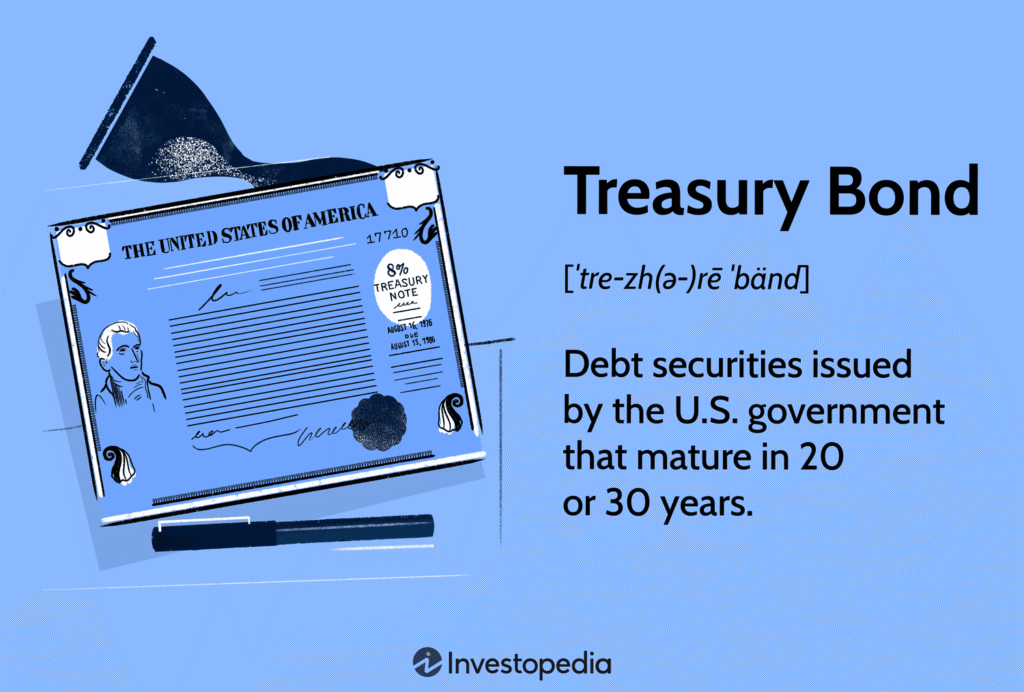
Another alternative is moving to bonds or fixed-income assets. While safer, these often provide lower returns compared to equities over the long term.
The best approach combines multiple strategies rather than relying on a single method.
Expert Tips Used by Top US Investors
Top investors focus on long-term thinking. They avoid emotional decisions and stick to their investment plans even during market panic.
They also continuously monitor economic indicators such as inflation, interest rates, and corporate earnings to adjust their strategies accordingly.
Another key strategy is rebalancing portfolios regularly. This ensures that asset allocation remains aligned with financial goals and risk tolerance.
Frequently Asked Questions
What is the safest investment during a market crash?
Safe investments typically include US Treasury bonds, gold, and cash equivalents. These assets tend to hold value or even rise during market downturns.
However, no investment is completely risk-free. The safest strategy is a balanced portfolio that includes both defensive and growth assets.
Should I sell my stocks during a crash?
Selling during a crash often locks in losses. Most top investors recommend holding quality stocks and avoiding panic decisions.
Instead, focus on long-term fundamentals and consider buying more if valuations become attractive.
How much cash should I keep in my portfolio?
Financial experts often recommend keeping 10–20% of your portfolio in cash or liquid assets.
This provides flexibility to handle emergencies and take advantage of investment opportunities during market dips.
Is gold a good hedge against market crashes?
Gold is widely considered a safe-haven asset and often performs well during economic uncertainty.
However, it should be used as part of a diversified strategy rather than the sole investment.
Can beginners protect their money during crashes?
Yes, beginners can protect their money by following simple strategies such as diversification, regular investing, and avoiding emotional decisions.
Using index funds and ETFs is also a beginner-friendly approach to reduce risk.
What is the biggest mistake investors make during crashes?
The biggest mistake is panic selling. Emotional reactions often lead to poor financial decisions and long-term losses.
Sticking to a well-defined strategy is crucial for success.
Conclusion
Protecting your money during market crashes is not about avoiding risk completely but managing it intelligently. By diversifying investments, maintaining liquidity, and focusing on long-term goals, investors can minimize losses and even create opportunities for growth.
Looking ahead, market volatility is likely to remain a constant feature of the global economy. Investors who adopt disciplined strategies and stay informed will be better positioned to navigate uncertainty and build lasting wealth.
Subscribe to trusted news sites like USnewsSphere.com for continuous updates.