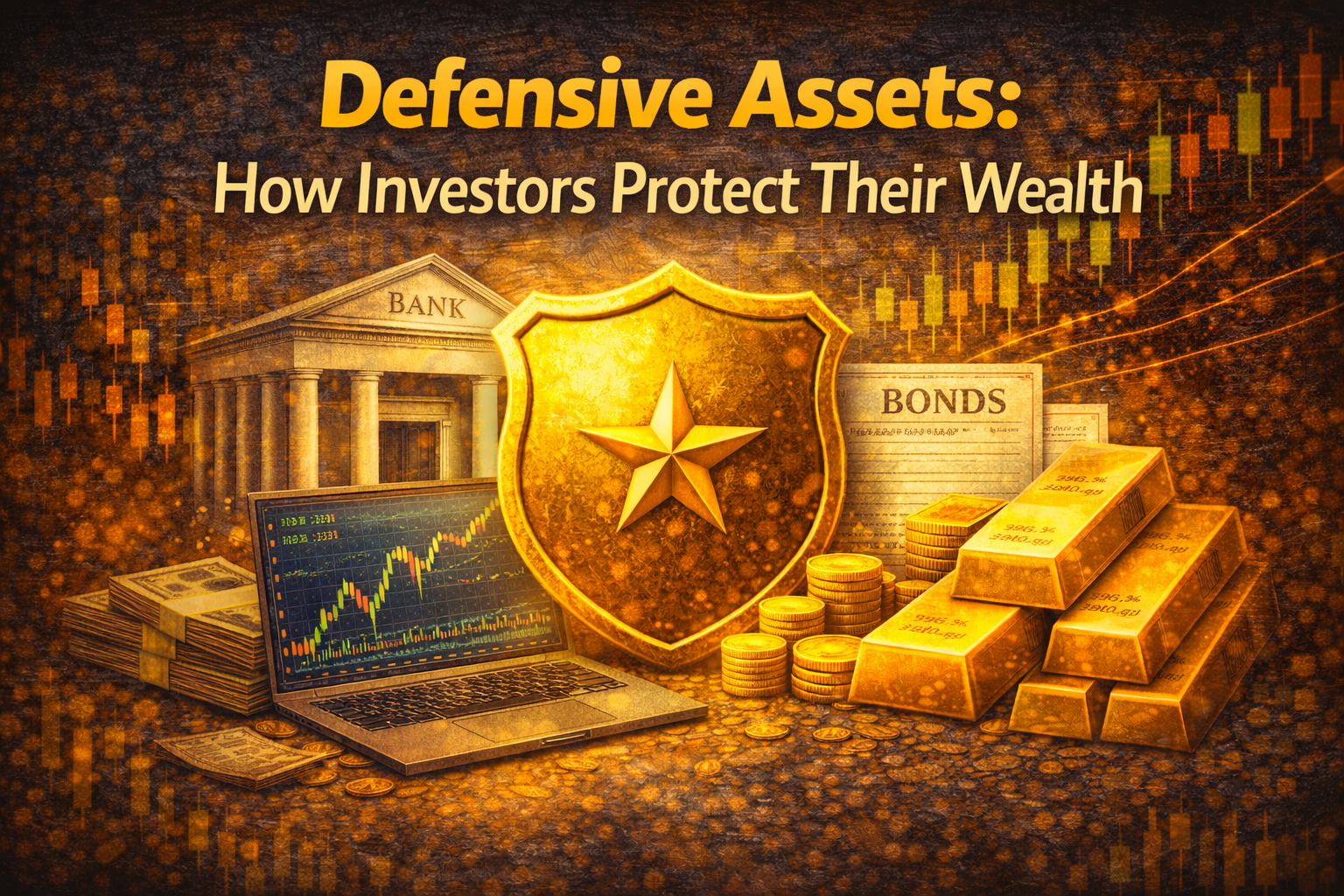
Market Breakdown: 5 Key Signals Showing Why Smart Money Is Turning Defensive Right Now is becoming one of the most important narratives in financial markets as institutional investors quietly shift their strategies in response to rising uncertainty. In 2026, the market environment has changed dramatically—what once was driven by growth and optimism is now increasingly shaped by caution, risk management, and capital preservation.
Recent data shows that volatility is rising, inflation risks are re-emerging, and global tensions are putting pressure on energy markets and supply chains. At the same time, expectations for interest rate cuts are fading, forcing investors to reassess valuations across major asset classes.
This shift is not random. Historically, when “smart money”—including hedge funds, institutions, and experienced investors—begins to turn defensive, it often signals bigger underlying risks in the market. Understanding these signals can help investors position themselves ahead of potential market moves.

Rising Market Volatility Signals Growing Uncertainty
Market volatility is one of the clearest indicators of investor sentiment, and in 2026, it is trending higher. Sudden swings in stock prices, increased trading volume, and spikes in volatility indexes all point to growing uncertainty.
This volatility is being driven by multiple factors, including geopolitical tensions, inflation concerns, and shifting monetary policy expectations. As uncertainty increases, investors become more cautious, leading to rapid changes in market behavior.
For long-term investors, volatility can create opportunities. However, it also requires careful risk management and a disciplined approach to investing.
Interest Rate Uncertainty Is Reshaping Investment Strategies


Interest rates play a central role in determining asset valuations, and current uncertainty around rate policy is creating challenges for investors. While markets previously expected rate cuts, persistent inflation risks are delaying these expectations.
Higher interest rates increase the cost of borrowing and reduce the present value of future earnings, which can negatively impact stock prices—especially in growth sectors.
At the same time, rising bond yields are making fixed-income investments more attractive. This is leading to a shift in capital from equities to bonds, reflecting a more defensive investment approach.
Energy Prices and Inflation Are Driving Defensive Moves
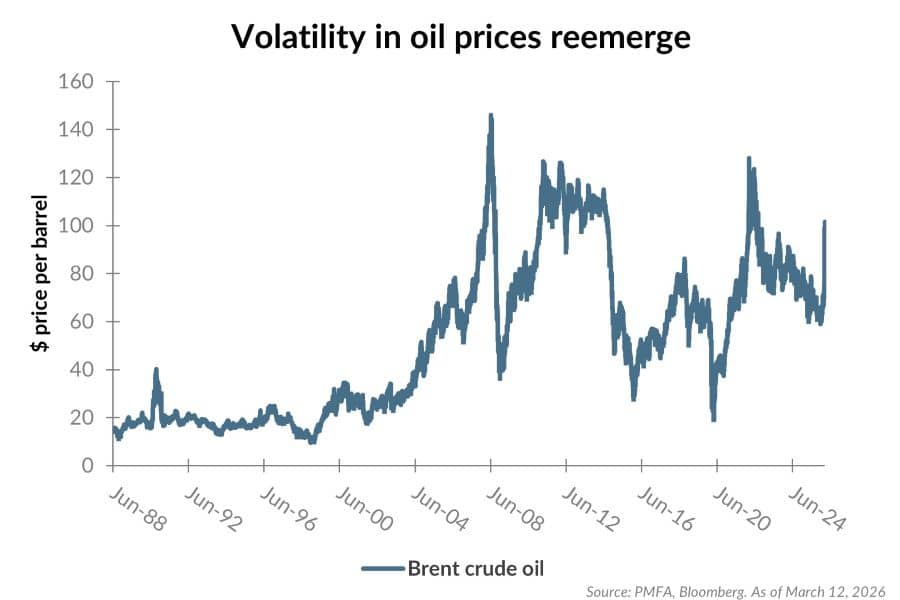
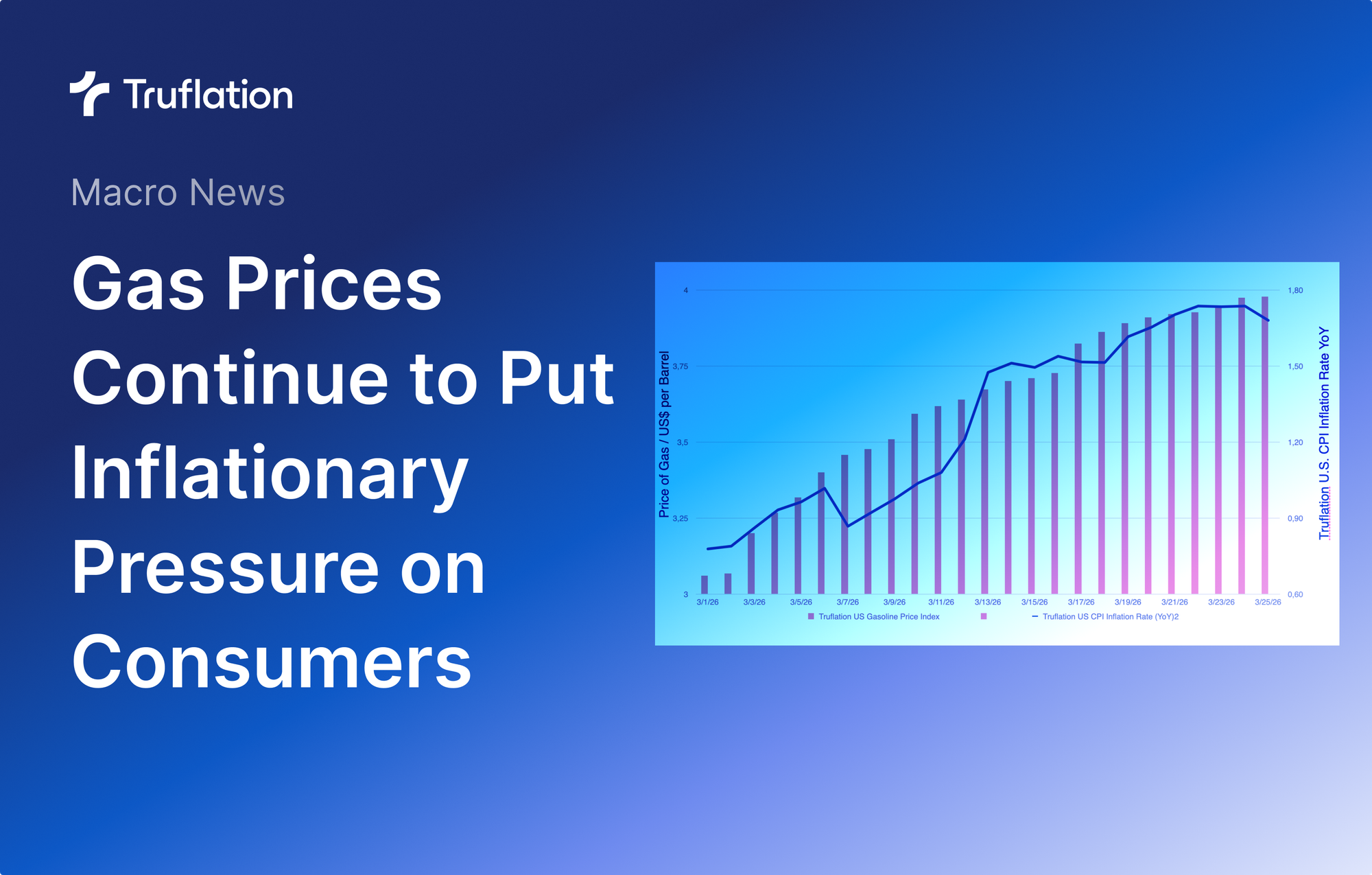
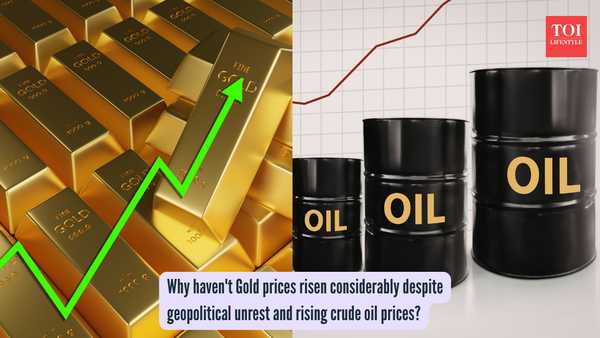
Energy prices are once again at the center of market dynamics. As oil prices rise, they contribute to inflationary pressures across the economy, affecting everything from transportation to manufacturing.
This creates a challenging environment for central banks and increases uncertainty for investors. Persistent inflation can lead to prolonged high interest rates, which in turn impact economic growth and market performance.
In response, many investors are moving toward assets that perform well during inflation, such as commodities and energy stocks. This shift reflects a broader trend of prioritizing stability and protection over aggressive growth.
Slowing Economic Growth Is Raising Recession Concerns
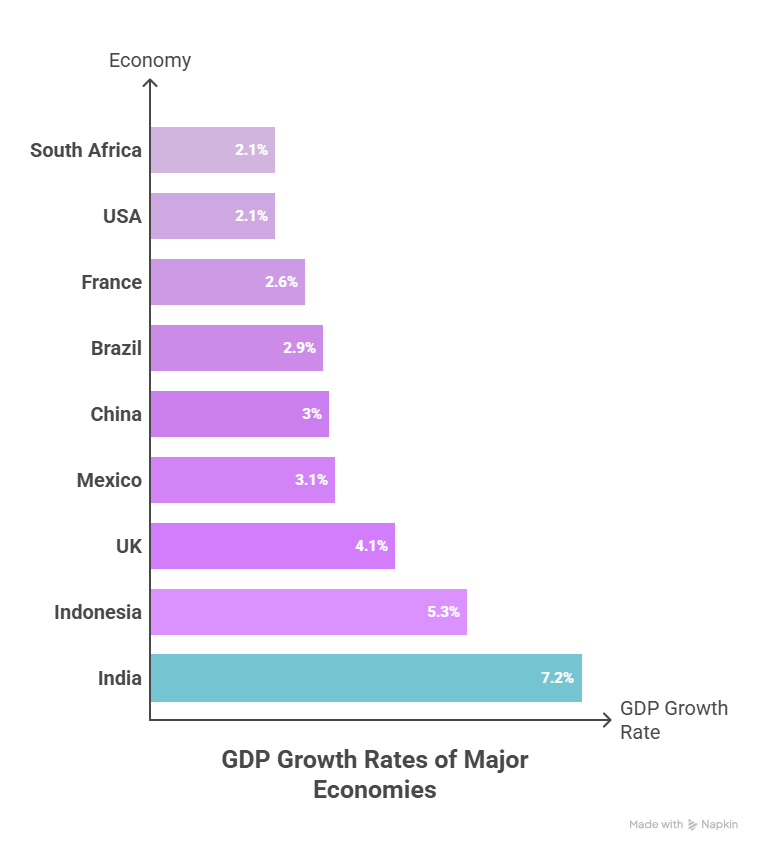


Economic growth is showing signs of slowing, which is increasing concerns about a potential recession. Higher borrowing costs, reduced consumer spending, and declining business investment are contributing to this trend.
For companies, slower growth can lead to weaker earnings, which may put pressure on stock prices. This is particularly concerning for sectors that rely on strong economic expansion.
Investors are closely monitoring economic indicators such as employment data, consumer confidence, and manufacturing activity. These signals provide insights into the health of the economy and potential future trends.
Smart Money Rotation: Where Institutional Investors Are Moving
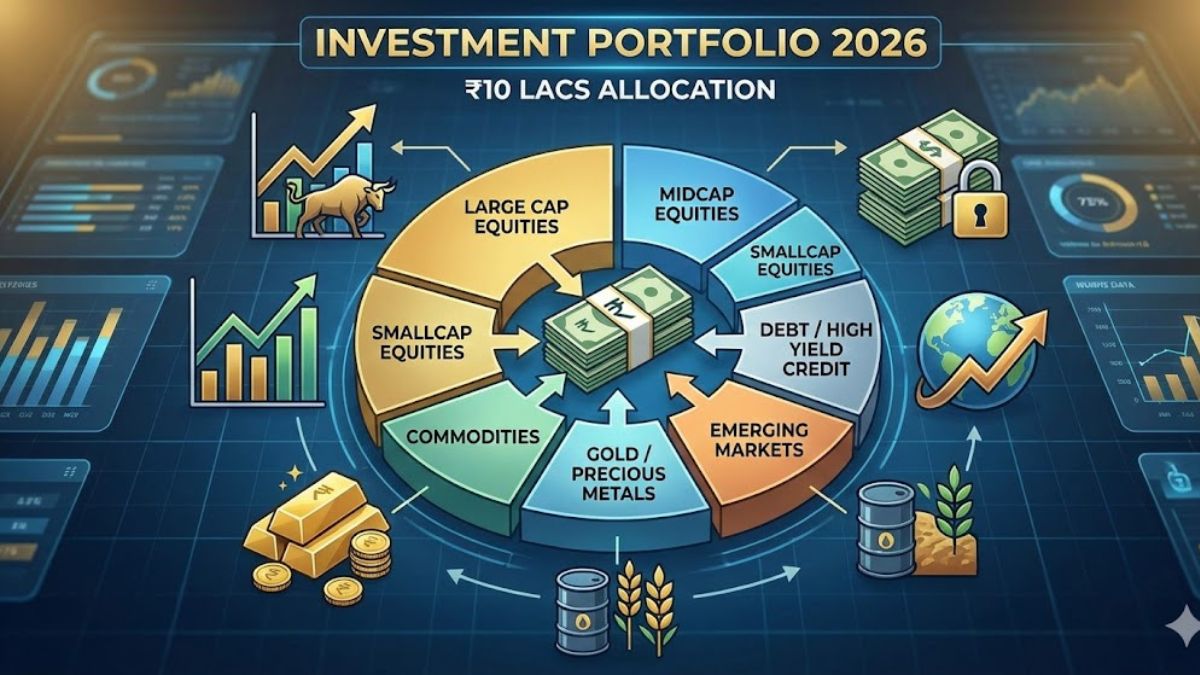
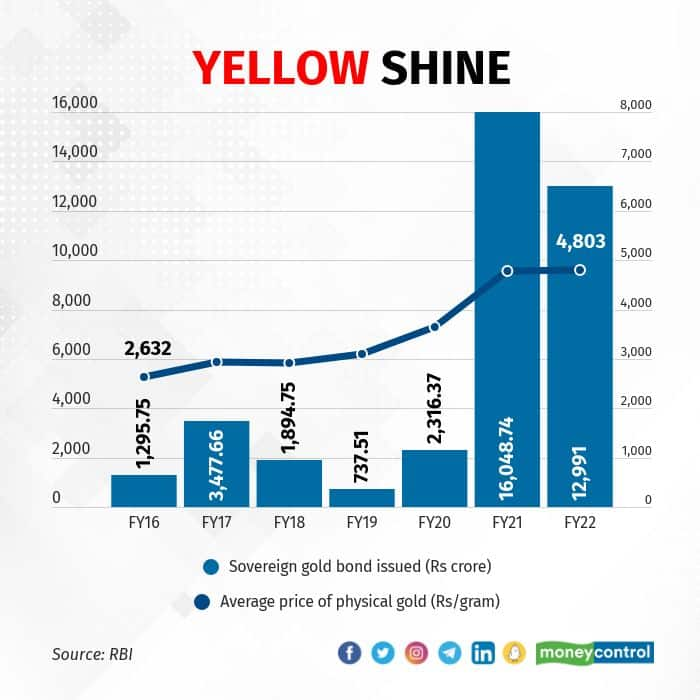

Institutional investors are adjusting their portfolios to reflect current market conditions. This includes increasing allocations to defensive assets such as bonds, gold, and cash.
Defensive sectors like healthcare, utilities, and consumer staples are also attracting attention due to their stability during economic downturns. These industries provide essential services, making them less sensitive to economic cycles.
At the same time, exposure to high-risk assets is being reduced. This shift highlights the importance of diversification and risk management in uncertain markets.
Understanding where smart money is moving can provide valuable insights for individual investors.
Key Takeaways: How Investors Can Navigate This Market
In a changing market environment, adaptability is crucial. Investors should focus on building resilient portfolios that can withstand volatility and uncertainty.
Diversification across asset classes and sectors is one of the most effective strategies for managing risk. Balancing exposure to growth and defensive assets can help optimize returns while reducing downside risk.
It is also important to stay informed about economic developments and market trends. This allows investors to make data-driven decisions and respond effectively to changing conditions.
Maintaining a long-term perspective is essential. While short-term volatility can be challenging, disciplined investing can lead to sustainable growth over time.
Reading the Signals Before the Market Moves
The current shift toward defensive strategies among institutional investors is a signal that should not be ignored. Rising volatility, interest rate uncertainty, inflation pressures, and slowing growth are all contributing to a more cautious market environment.
For investors, this is not a time for panic but for preparation. Understanding the signals and adapting strategies accordingly can help navigate uncertainty and identify opportunities.
Markets will continue to evolve, but those who stay informed, disciplined, and flexible will be best positioned to succeed.
Subscribe to trusted news sites like USnewsSphere.com for continuous updates.