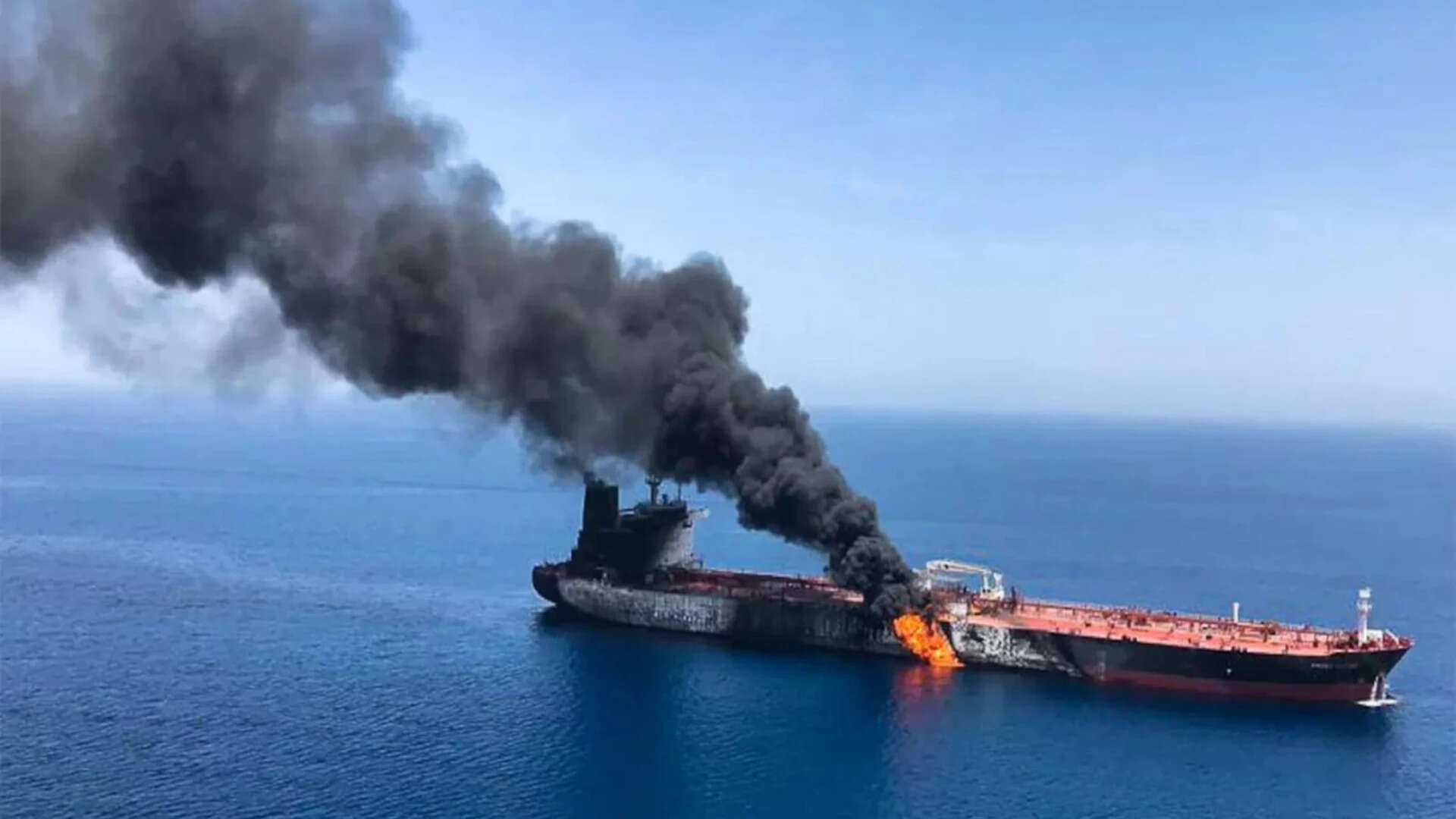
Global Trade at Risk: How Middle East Conflict Could Disrupt Oil Supply Chains and Impact US Markets is rapidly becoming one of the most critical economic stories of 2026, as escalating geopolitical tensions in the Middle East are already sending shockwaves through global energy markets, trade routes, and investor sentiment in the United States.
Over the past week, financial markets have reacted sharply to rising instability in the region, with the Dow Jones Industrial Average falling nearly 1,000 points and oil prices surging to multi-month highs. Investors are increasingly concerned that disruptions in oil supply chains could trigger broader economic consequences, including inflation spikes, delayed interest rate cuts, and heightened volatility across global markets.
Rising Middle East Tensions and Their Immediate Market Impact
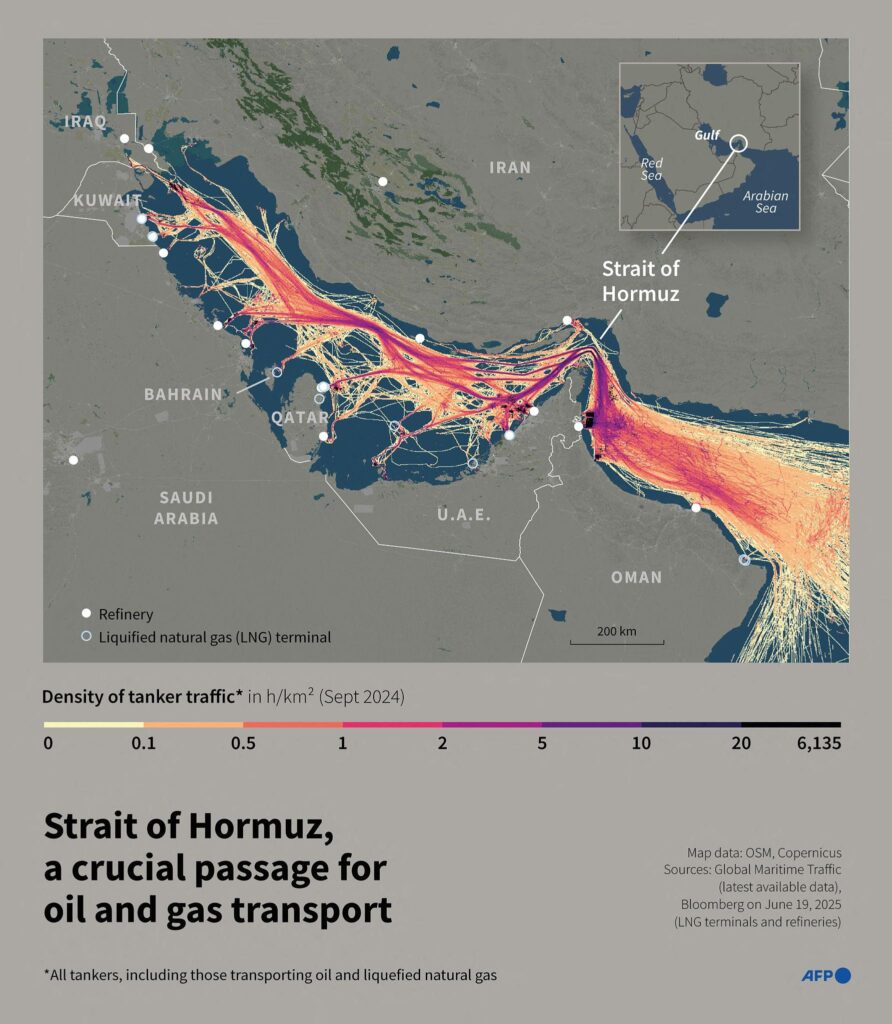
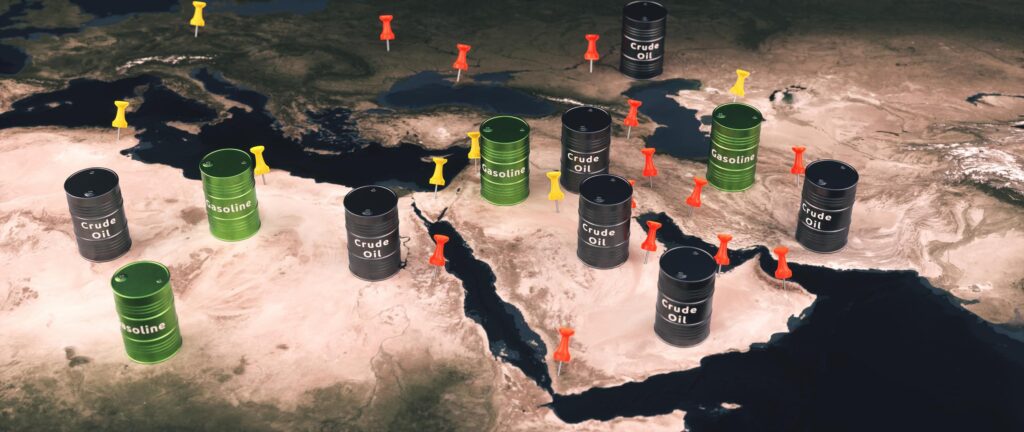
The recent escalation in Middle East tensions has created a ripple effect across global financial systems. The region is responsible for nearly one-third of the world’s oil supply, making it one of the most strategically important areas for energy stability.
As tensions intensified, crude oil prices jumped significantly, reflecting fears of supply disruptions. Brent crude and WTI crude benchmarks both saw sharp upward movements, signaling that traders are pricing in geopolitical risk premiums.
US markets reacted quickly. Major indices like the S&P 500 and Nasdaq declined as investors shifted away from risk assets. This kind of reaction is typical during geopolitical crises, where uncertainty drives capital toward safer investments such as gold, US Treasury bonds, and cash.
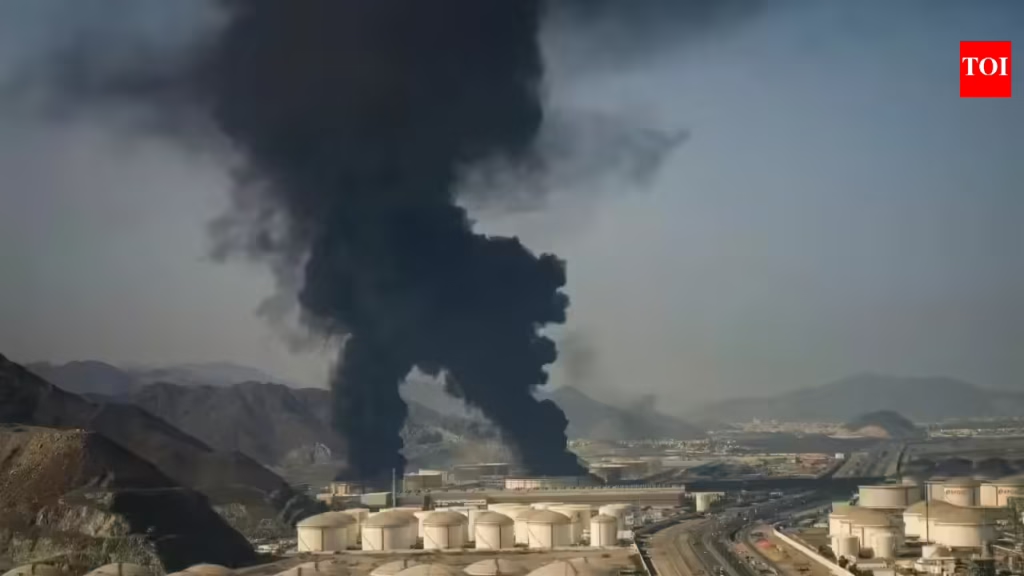
The key concern right now is not just current disruption, but the possibility of escalation. If tensions expand or key shipping routes are affected, the consequences could be far more severe.
Oil Supply Chains Under Pressure: Why It Matters Globally
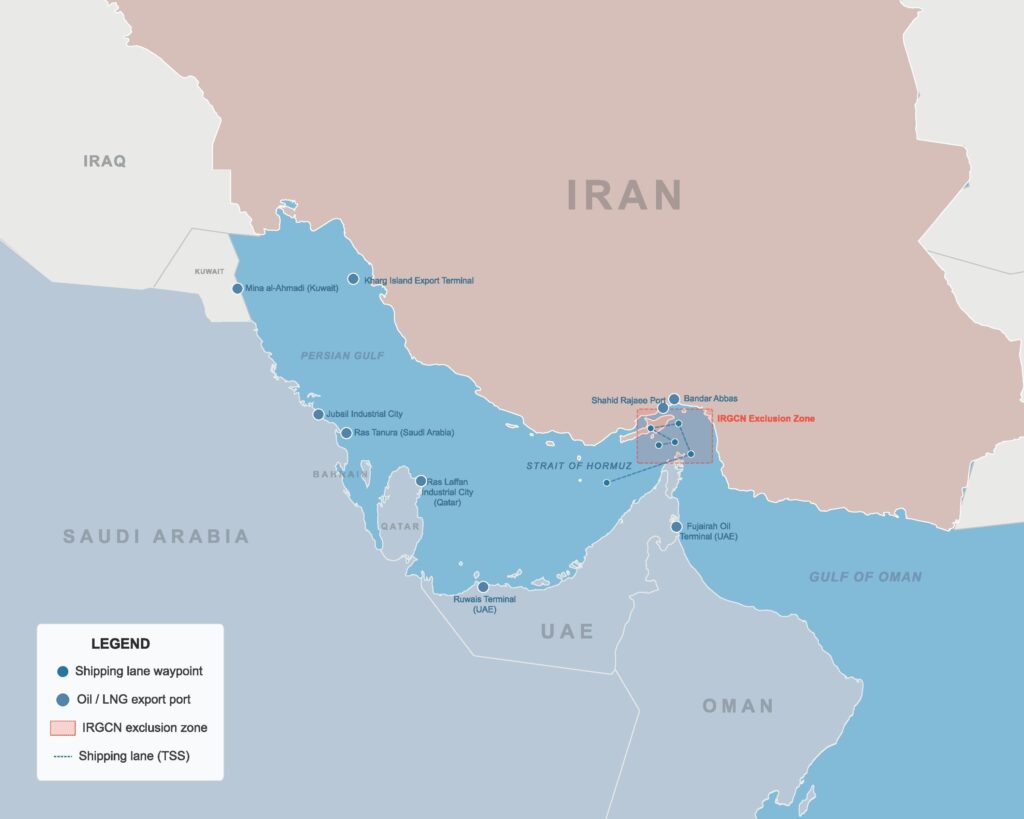
Oil supply chains are complex, interconnected systems that rely heavily on stability in key transit points such as the Strait of Hormuz. This narrow waterway alone handles a significant portion of the world’s oil shipments.
Any disruption in this region can lead to:
- Delayed shipments
- Increased transportation costs
- Supply shortages in major economies
Even minor disruptions can cause price spikes because global oil markets operate on tight supply-demand balances. When uncertainty increases, companies and countries begin stockpiling, which further drives prices upward.
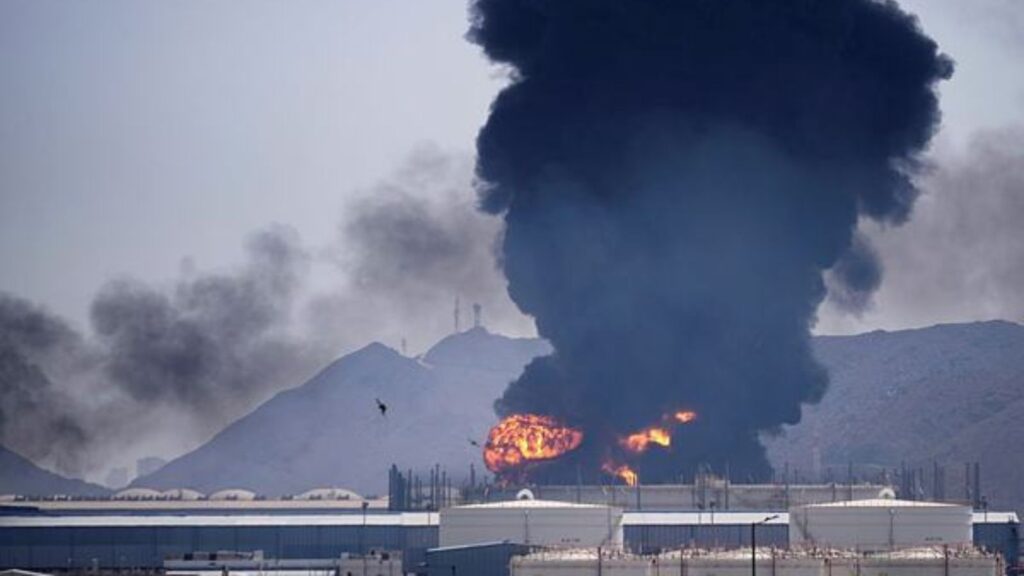
For the United States, while domestic production has increased over the years, the country is still deeply integrated into global oil markets. This means that global price shocks directly affect US fuel prices, transportation costs, and ultimately consumer inflation.
The current situation is particularly sensitive because it comes at a time when inflation has not yet fully stabilized, making any additional pressure from oil prices a major concern.
How Higher Oil Prices Could Trigger Inflation Again
One of the biggest risks tied to rising oil prices is the return of inflationary pressure. Energy costs are a foundational component of the global economy, influencing everything from manufacturing to food prices.
When oil prices rise:
- Transportation costs increase
- Production expenses go up
- Consumer prices follow
In the US, inflation has shown signs of moderating, but recent developments threaten to reverse that progress. Gasoline prices are often one of the most visible indicators for consumers, and any sharp increase can quickly impact sentiment and spending behavior.
If inflation rises again, it could complicate the Federal Reserve’s policy path. The central bank has been cautiously evaluating when to begin rate cuts, but persistent inflation driven by energy costs could delay those decisions.
This creates a challenging environment where economic growth may slow while inflation remains elevated — a scenario often referred to as “stagflation risk.”
Market Volatility and Investor Behavior During Crisis
Market volatility has surged in response to geopolitical developments. Investors tend to react quickly to uncertainty, leading to sharp sell-offs followed by sudden rebounds.
Recent trading sessions have shown:
- Increased volatility in equities
- Strong demand for safe-haven assets
- Sector rotation toward energy stocks
Interestingly, while broader markets declined, energy companies have benefited from rising oil prices. This divergence highlights how different sectors respond differently to geopolitical events.
Institutional investors, often referred to as “smart money,” are closely monitoring developments and adjusting portfolios accordingly. Many are increasing exposure to defensive sectors while reducing risk in high-growth or speculative assets.
Retail investors, on the other hand, may find themselves reacting emotionally, which can lead to poor decision-making during volatile periods.
Understanding these patterns is crucial for navigating the current market environment.
Global Trade Risks and Supply Chain Disruptions
Beyond oil, the conflict poses a broader threat to global trade. The Middle East is a key hub for international shipping routes, connecting Asia, Europe, and North America.
Any disruption in these routes can lead to:
- Delays in goods delivery
- Increased shipping costs
- Supply chain bottlenecks
The global economy is still recovering from previous supply chain disruptions seen during the pandemic years. A new wave of disruptions could amplify existing challenges, especially in industries like manufacturing, electronics, and consumer goods.
For Europe, which relies heavily on imported energy, the risks are even more pronounced. Higher energy costs could strain economies already dealing with slow growth.
For the US, the impact may be less direct but still significant, particularly through increased costs and reduced global demand.
Market Outlook: What Happens Next?
Looking ahead, the direction of global markets will largely depend on how the situation in the Middle East evolves.
There are three possible scenarios:
Stabilization Scenario
If tensions ease, oil prices may stabilize, and markets could recover quickly. This would support economic growth and allow the Federal Reserve to continue its current policy trajectory.
Prolonged Tension Scenario
If the situation remains uncertain but does not escalate, markets may stay volatile, with oil prices remaining elevated. This would create a challenging environment for investors and policymakers.
Escalation Scenario
If tensions escalate significantly, leading to actual supply disruptions, the impact could be severe:
- Oil prices could spike sharply
- Inflation could rise rapidly
- Global markets could face deeper corrections
At this stage, markets are pricing in moderate risk, but any sudden escalation could change sentiment dramatically.
Risks Investors Should Watch Closely
There are several key risks that investors should monitor in the coming weeks:
- Oil price movements and supply disruptions
- Federal Reserve policy signals
- Inflation data trends
- Global shipping and trade route stability
- Market volatility indicators
Staying informed and avoiding emotional decisions will be critical during this period.
A Critical Moment for Global Markets
The current situation highlights how interconnected global markets have become. A regional conflict can quickly evolve into a global economic issue, affecting everything from fuel prices to stock market performance.
For US investors, the key takeaway is to remain cautious but informed. While volatility creates risks, it also presents opportunities for those who understand market dynamics.
As the situation continues to develop, staying updated with reliable information and maintaining a long-term perspective will be essential.
Subscribe to trusted news sites like USnewsSphere.com for continuous updates.