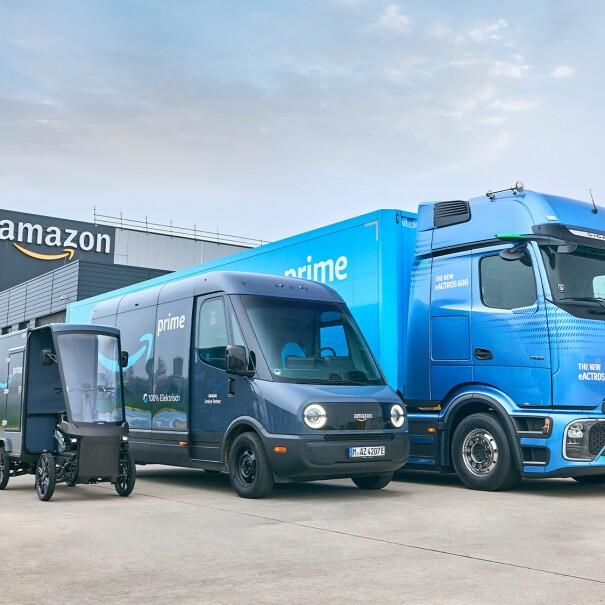
Amazon’s Logistics Disruption Is Reshaping the Shipping Industry
Amazon’s Logistics Disruption: How Its New Shipping Strategy Is Crushing FedEx and UPS Stocks is rapidly becoming one of the most important business and investing stories in 2026. What started as an internal delivery network has evolved into a full-scale logistics powerhouse led by Amazon—and it’s now directly challenging legacy shipping giants like FedEx and UPS.
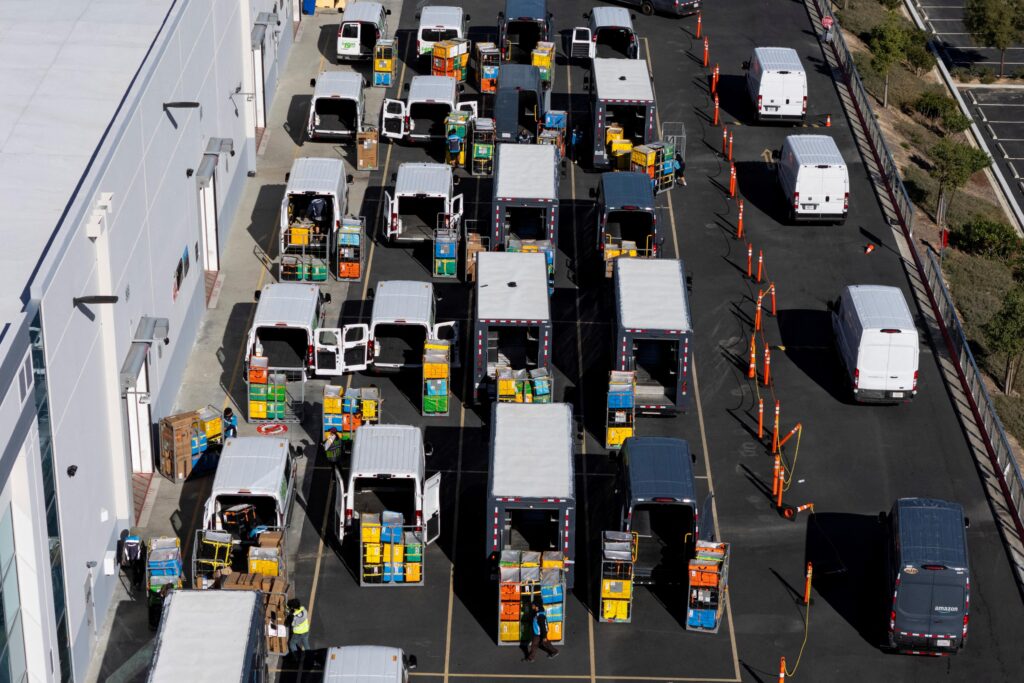
Over the past year, Amazon has expanded its supply chain services beyond its own marketplace, offering shipping and logistics solutions to external businesses. This strategic shift is more than just expansion—it’s disruption. Investors are now watching closely as Amazon’s growing control over delivery networks begins to impact the revenue and stock performance of traditional carriers.
This article breaks down the latest developments, what’s driving Amazon’s aggressive push into logistics, and what it means for investors, businesses, and the future of global shipping.

Amazon’s New Shipping Strategy: From Retailer to Logistics Giant
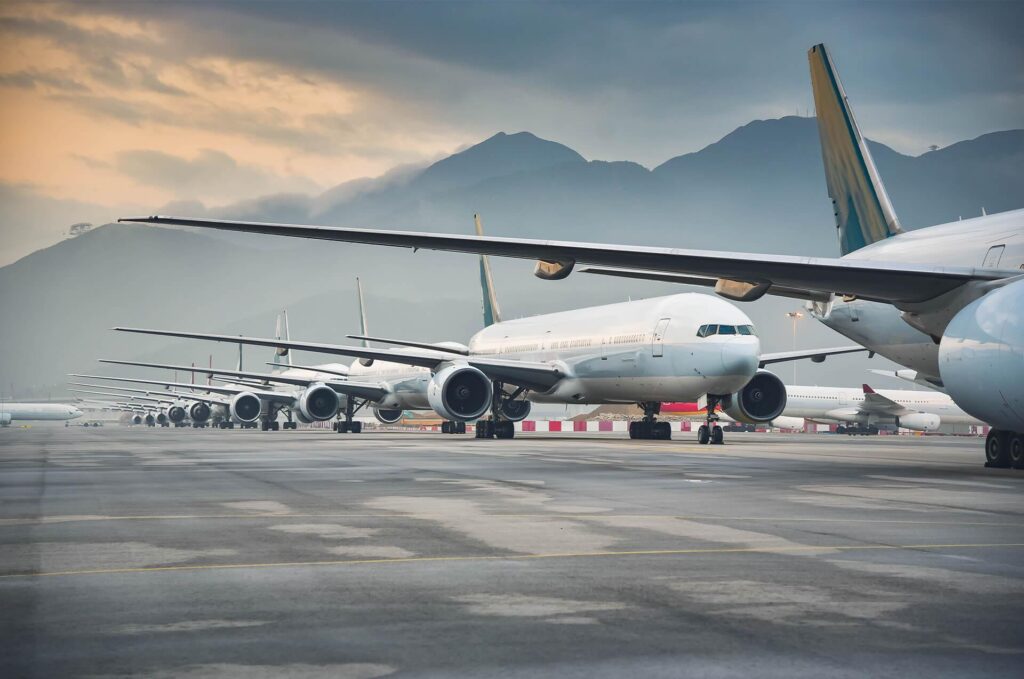
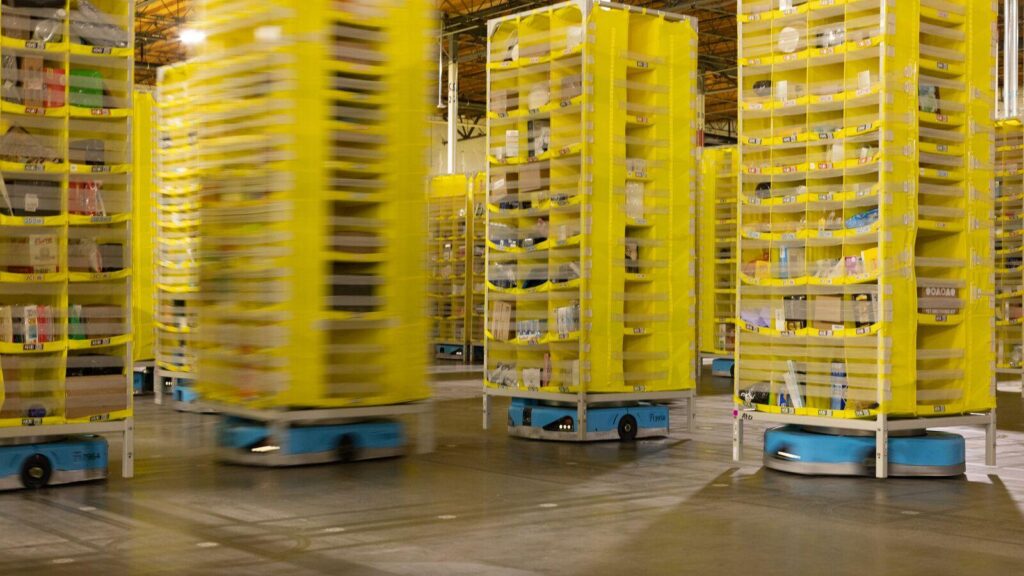
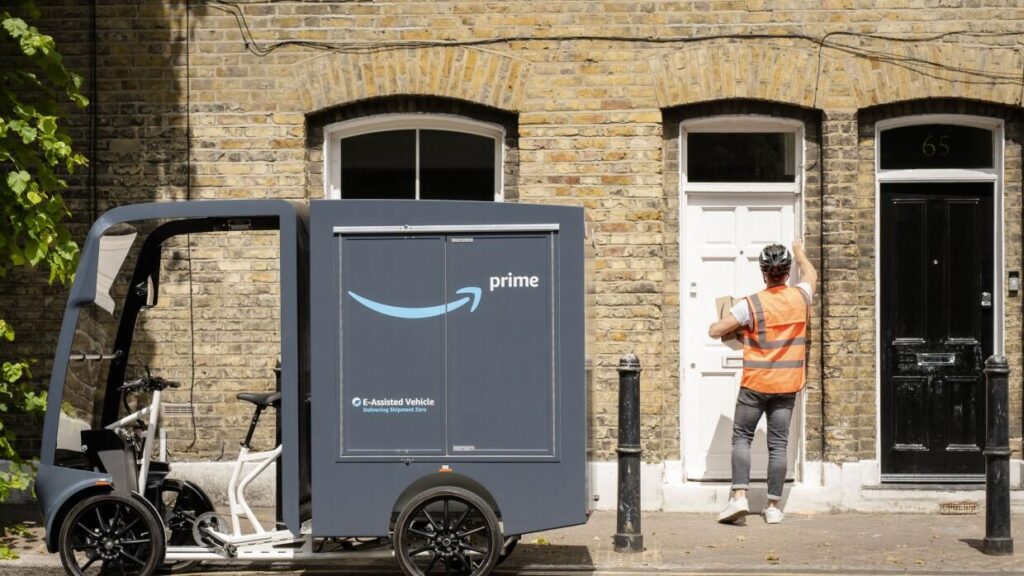
Amazon’s transformation into a logistics powerhouse didn’t happen overnight. Over the past decade, the company has invested billions into building its own delivery infrastructure—air cargo fleets, delivery vans, warehouses, and last-mile distribution systems.
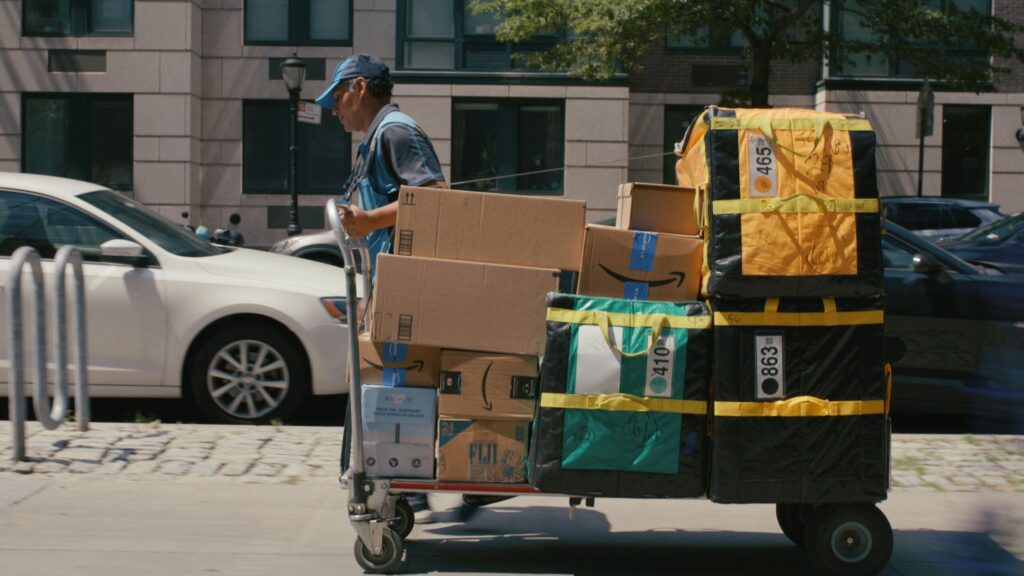
Now, Amazon is taking things a step further. Its latest strategy involves offering end-to-end supply chain services to third-party sellers and even non-Amazon businesses. This includes warehousing, transportation, and last-mile delivery—essentially replicating the services traditionally dominated by FedEx and UPS.
The key advantage Amazon brings is integration. Because it already controls massive volumes of e-commerce shipments, it can operate at scale and optimize costs more efficiently than competitors. This allows Amazon to offer competitive pricing while maintaining fast delivery speeds—something businesses find extremely attractive.
Why FedEx and UPS Are Feeling the Pressure
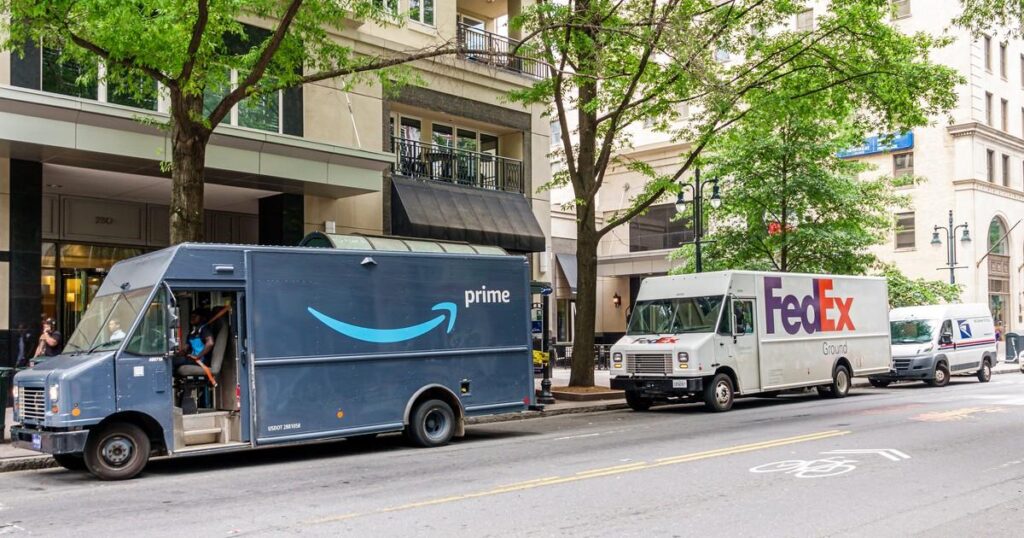
The rise of Amazon’s logistics network is directly impacting the business models of FedEx and UPS.
Historically, both companies relied heavily on e-commerce growth—much of which came from Amazon itself. However, as Amazon began building its own delivery network, it reduced its reliance on these carriers. This shift has led to declining shipment volumes from one of their largest former clients.
At the same time, Amazon’s move into third-party logistics means it is no longer just reducing dependency—it is actively competing. Investors have reacted quickly to this change, with both FedEx and UPS experiencing stock pressure amid concerns about future revenue growth.
Another key issue is cost structure. Traditional carriers operate with higher fixed costs and legacy systems, making it harder for them to compete with Amazon’s more flexible and technology-driven approach.
Market Reaction: What Investors Are Seeing in 2026
The stock market response to Amazon’s logistics expansion has been significant.
Shares of FedEx and UPS have shown increased volatility as analysts reassess their long-term growth prospects. Concerns about losing market share to Amazon have led to cautious outlooks from investors.
Meanwhile, Amazon’s stock narrative is evolving. While its retail business remains strong, its logistics division is increasingly seen as a separate growth engine—similar to how Amazon Web Services (AWS) transformed the company’s profitability in the past.
Investors are now asking a critical question: Could Amazon dominate logistics the same way it dominates e-commerce?
The Bigger Picture: How This Impacts Global Supply Chains
Amazon’s logistics expansion is not just a company story—it’s a shift in how global supply chains operate.
By offering integrated logistics services, Amazon is reducing the complexity for businesses that rely on multiple vendors for shipping, storage, and fulfillment. This creates a more streamlined and efficient system—but also concentrates power within a single company.
For small and medium-sized businesses, this can be both an opportunity and a risk. On one hand, they gain access to world-class logistics infrastructure. On the other hand, they become increasingly dependent on Amazon’s ecosystem.
Globally, this shift could lead to consolidation in the logistics industry, with fewer players controlling a larger share of the market.
Risks and Challenges in Amazon’s Logistics Expansion
Despite its advantages, Amazon’s logistics strategy is not without risks.
First, the capital investment required to build and maintain such a vast network is enormous. Warehouses, aircraft, and delivery fleets require continuous funding and operational efficiency.
Second, regulatory scrutiny is increasing. Governments in the United States and Europe are closely monitoring Amazon’s expansion to ensure fair competition. Any regulatory action could impact its growth trajectory.
Finally, competition is not standing still. FedEx and UPS are investing heavily in automation, AI-driven logistics, and efficiency improvements to remain competitive.
What This Means for You
If you’re a consumer, Amazon’s logistics expansion likely means faster deliveries and potentially lower shipping costs. The competition it creates could push the entire industry to improve service quality.
For business owners, Amazon’s logistics services offer new opportunities to scale operations without building your own infrastructure. However, relying too heavily on a single platform could create long-term risks.
For everyday Americans, this shift reflects a broader trend: technology companies are increasingly reshaping traditional industries—and that impacts jobs, prices, and economic stability.
Investor Takeaway
From an investment perspective, this is a classic disruption story.
Amazon represents growth and innovation, while FedEx and UPS represent established players adapting to change. Investors should consider diversification—balancing exposure to both disruptors and traditional companies.
Watching key metrics such as shipment volumes, operating margins, and capital expenditures will be critical in evaluating which companies are winning this battle.
Future Outlook
Looking ahead, Amazon’s logistics ambitions are unlikely to slow down.
The company is expected to continue expanding its services, potentially entering new markets and offering even more advanced supply chain solutions. If successful, it could redefine the logistics industry globally.
At the same time, FedEx and UPS will continue to adapt. Strategic partnerships, technology investments, and operational improvements could help them remain competitive.
The outcome of this competition will shape the future of shipping—not just in the United States, but around the world.
A New Era in Logistics and Competition
Amazon’s entry into the logistics space marks the beginning of a new era in global shipping. By leveraging technology, scale, and integration, it is challenging long-standing industry leaders and redefining how goods move across the world.
For investors, businesses, and consumers, this transformation presents both opportunities and risks. The key is staying informed, understanding the trends, and making strategic decisions based on data—not emotion.
As the logistics battle between Amazon, FedEx, and UPS continues, one thing is clear: the industry will never be the same again.
Subscribe to trusted news sites like USnewsSphere.com for continuous updates.