
Wall Street Panic Signal Rising: Fear Gauge Spikes as Meta Crash Triggers Tech Selloff is now dominating financial headlines as investors react to one of the most intense short-term volatility spikes seen in recent months. A sharp decline in Meta Platforms has triggered a broader tech selloff, sending shockwaves across global markets and pushing the CBOE Volatility Index—commonly known as the “fear gauge”—to elevated levels.
This sudden market reaction is not just about one company. It reflects deeper concerns about valuations, AI spending, interest rates, and the sustainability of Big Tech growth. Investors across the USA and global markets are now questioning whether this is a short-term correction—or the beginning of a larger shift.
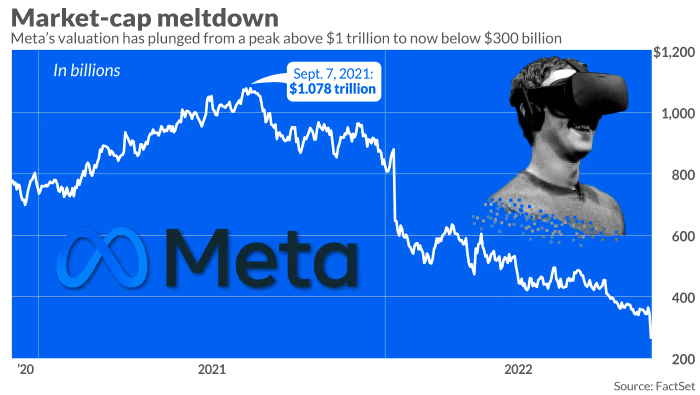
Wall Street Panic, Meta Crash Sends Shockwaves Across Big Tech
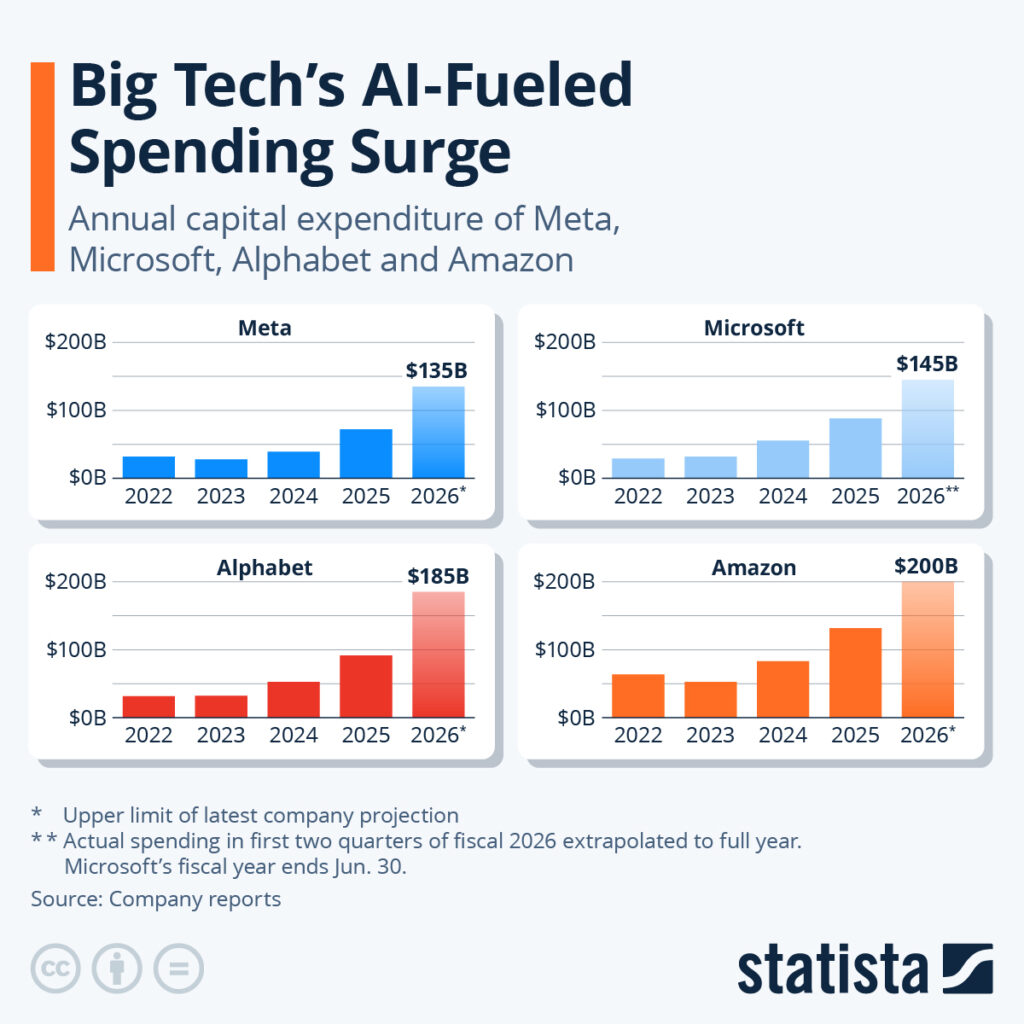
The recent drop in Meta’s stock price has acted as a trigger point for broader weakness in the tech sector. After reporting concerns around rising costs—especially related to artificial intelligence infrastructure and metaverse investments—investors quickly reassessed risk exposure.
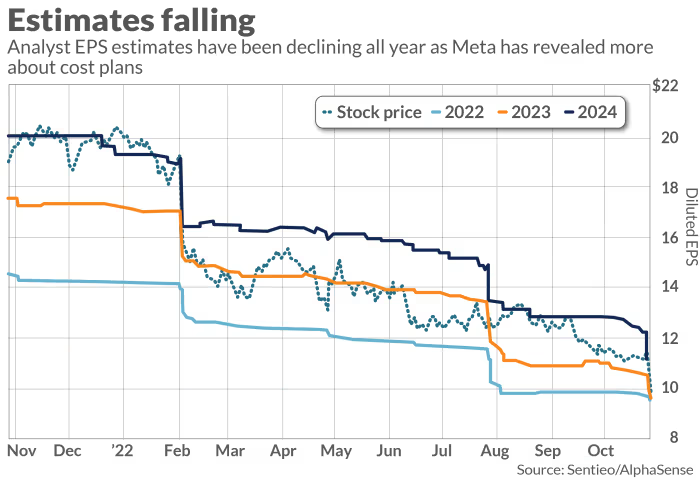
Meta’s decline erased billions in market value within hours. This rapid selloff spread to other major technology stocks, including companies heavily tied to AI growth narratives. When a mega-cap stock like Meta weakens, it often leads to a domino effect because of its heavy weighting in major indices like the NASDAQ Composite.
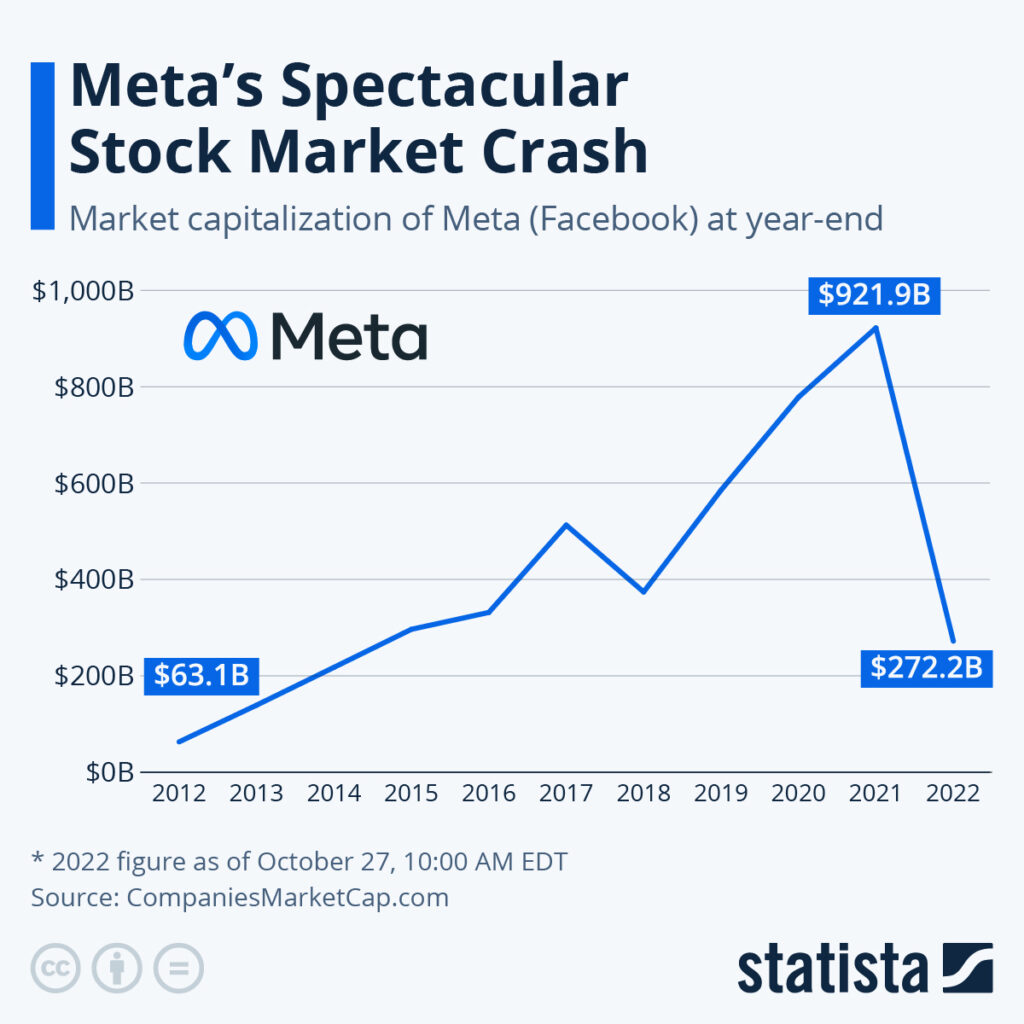
Market participants are particularly sensitive to any signs that Big Tech earnings may not justify their high valuations. Even minor disappointments can lead to aggressive selling, as seen in this case. The reaction suggests that investor confidence in long-term growth projections is becoming more fragile.
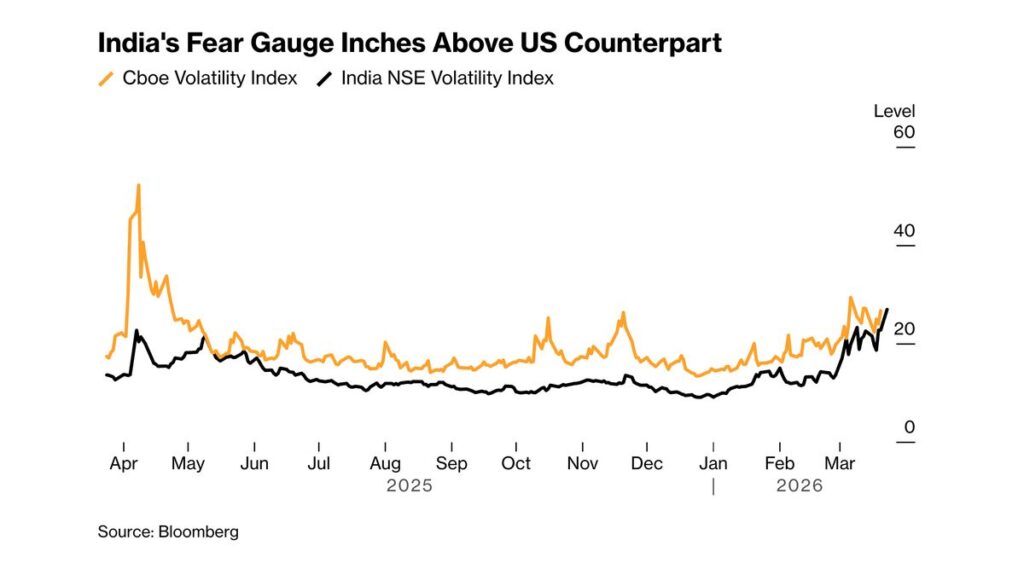
Fear Gauge (VIX) Surges: What It Means for Markets
The spike in the VIX is one of the clearest indicators of rising panic. The index measures expected volatility in the S&P 500 and is often used as a real-time sentiment tracker.
When the VIX rises sharply, it signals that traders are rushing to buy protection through options—essentially preparing for more downside. Historically, VIX spikes above key levels (like 20 or 25) have coincided with increased uncertainty and market pullbacks.
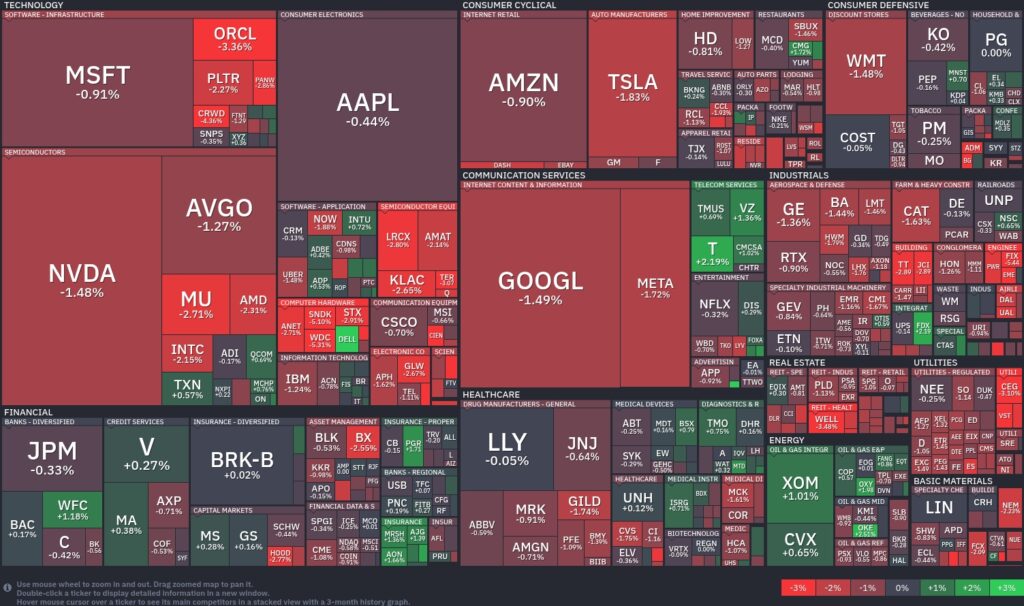
This recent surge indicates that institutional investors are hedging aggressively. It also suggests that short-term volatility may remain elevated, especially if additional negative catalysts emerge.
For retail investors, this environment can feel chaotic. However, for experienced traders, rising volatility often creates opportunities—particularly in options trading and short-term momentum strategies.
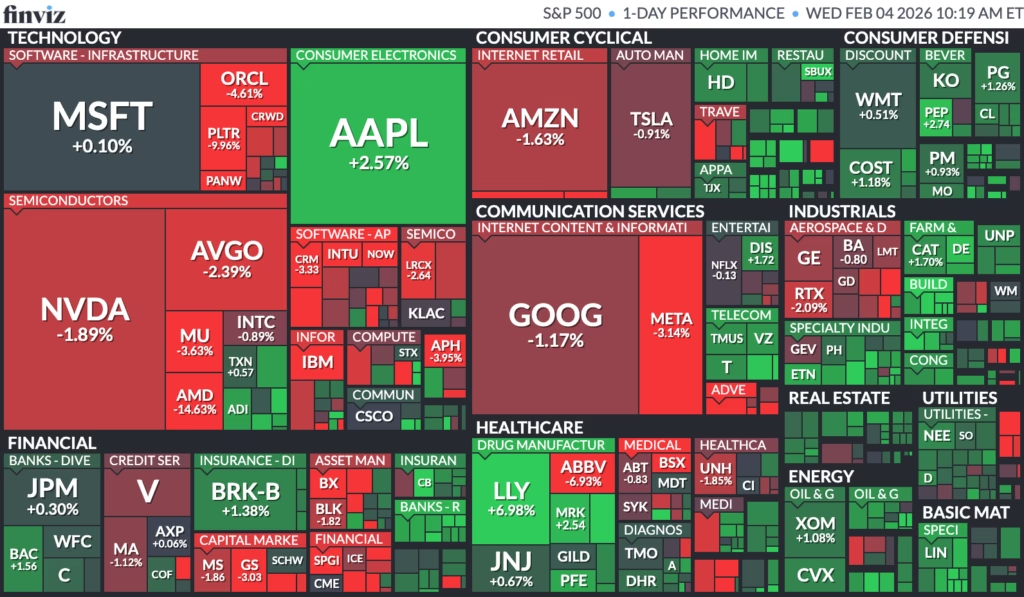
Key Drivers Behind the Tech Selloff
Several underlying factors are amplifying the current market reaction beyond just Meta’s earnings concerns.
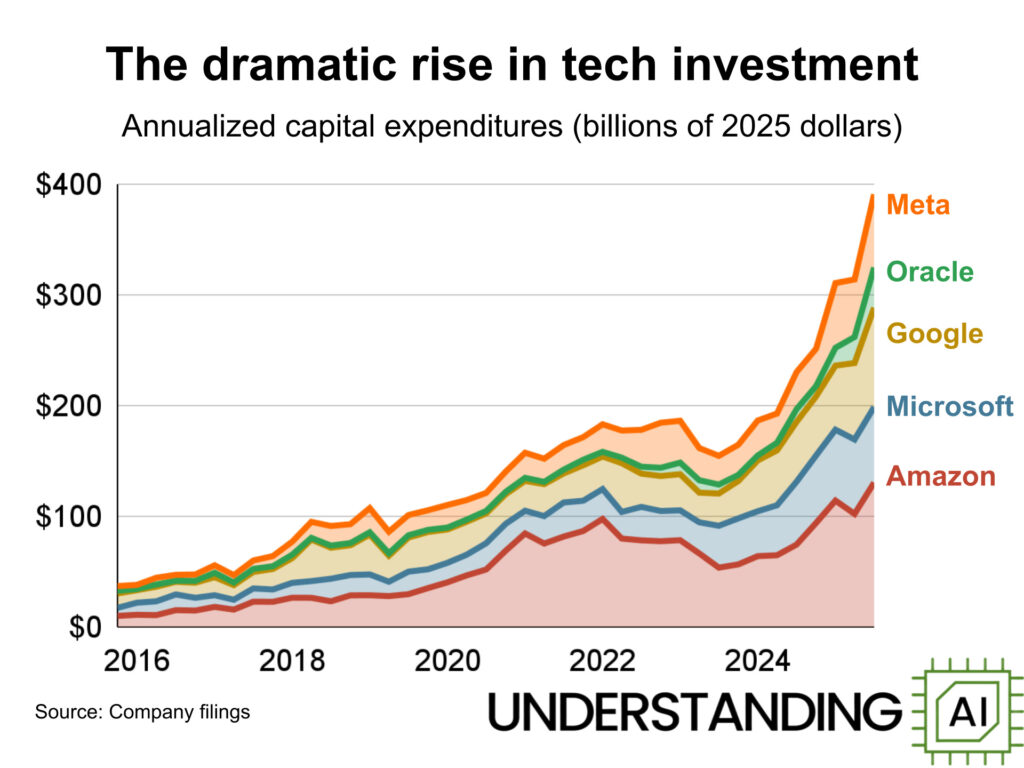
One major driver is the rising cost of AI development. Companies are investing billions into infrastructure, including data centers and chips, which is putting pressure on profit margins. While AI promises long-term growth, the short-term financial burden is becoming more visible.
Another factor is interest rate uncertainty. The Federal Reserve continues to maintain a cautious stance on rate cuts. Higher rates reduce the present value of future earnings, which disproportionately affects high-growth tech stocks.
Additionally, valuation concerns are resurfacing. Many tech stocks have rallied significantly over the past year, driven by AI optimism. This has left them vulnerable to corrections when expectations are not met.
Finally, global macroeconomic risks—including geopolitical tensions and slowing economic indicators—are adding another layer of uncertainty. Together, these factors are creating a perfect storm for increased volatility.
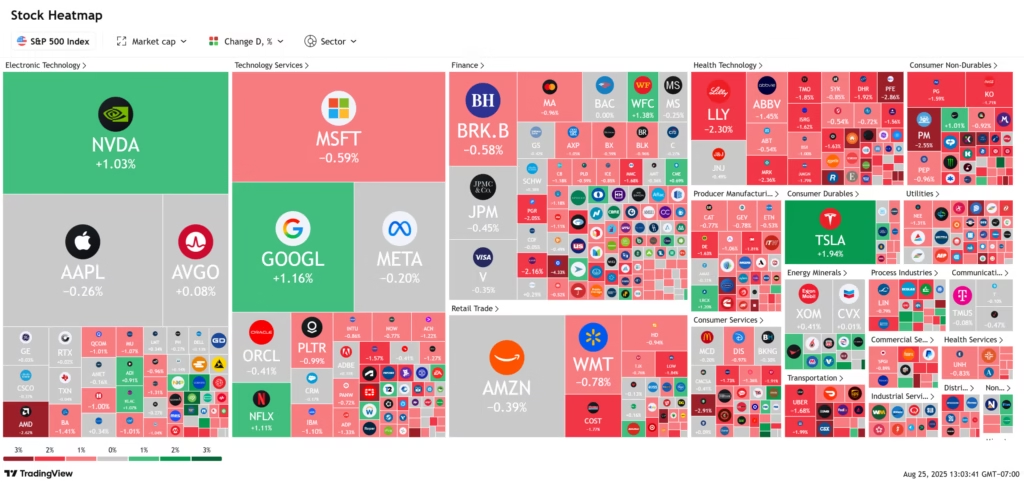
Market Data Snapshot: What Investors Are Watching
Here’s a simplified breakdown of the key market signals currently driving sentiment:
| Indicator | Recent Trend | What It Signals |
|---|---|---|
| Meta Stock | Sharp decline | Weak earnings confidence |
| NASDAQ | Broad selloff | Tech sector pressure |
| VIX Index | Spike upward | Rising fear and volatility |
| Treasury Yields | Elevated | Rate concerns persist |
| AI Spending | Increasing | Margin pressure risk |
This data highlights a shift from optimism to caution. Investors are no longer focusing solely on growth potential—they are now balancing it against profitability and risk.

Expert Opinions: Is This a Correction or a Warning Sign?
Market analysts are divided on what this means for the future.
Some experts believe this is a healthy correction after an extended rally. They argue that periodic pullbacks are necessary to reset valuations and create sustainable growth. According to this view, the long-term outlook for tech remains strong, especially with continued AI adoption.
Others, however, see this as a warning sign. They point out that multiple risk factors are converging at once—high valuations, rising costs, and macro uncertainty. If earnings across the tech sector begin to disappoint, the selloff could deepen.
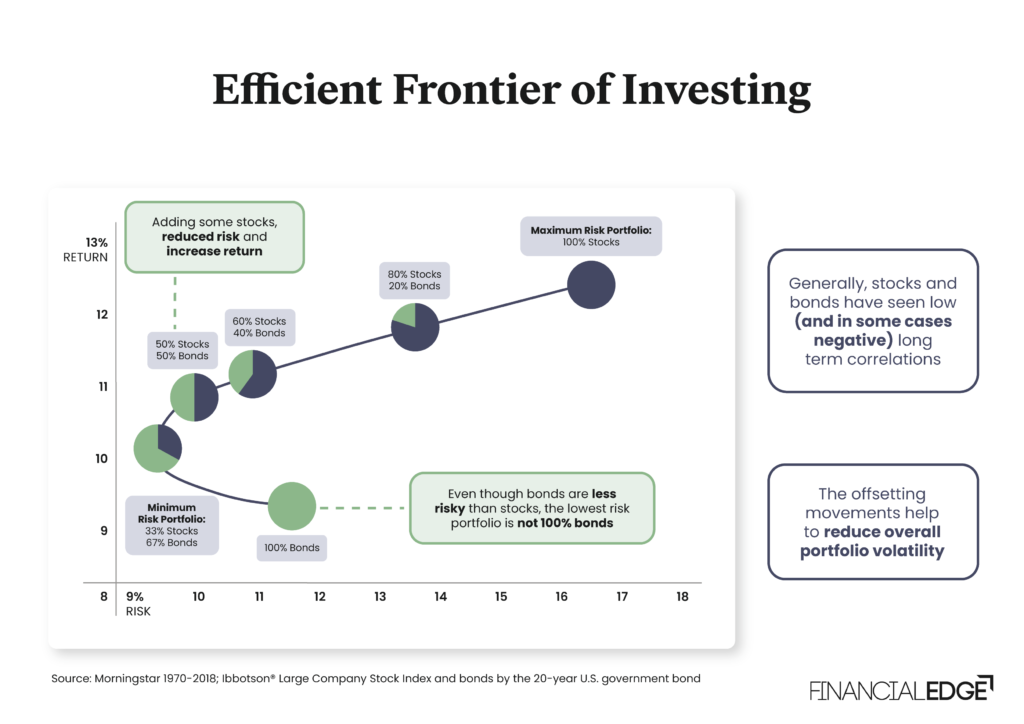
Institutional investors are increasingly cautious. Many are rotating capital into safer assets such as utilities, healthcare, and bonds. This defensive positioning suggests that large players are preparing for potential downside risks.
Market Outlook: What Happens Next?
Looking ahead, the direction of the market will depend on several key developments.
Earnings reports from other major tech companies will be critical. If similar trends emerge—rising costs and slowing growth—the selloff could intensify. On the other hand, strong results could stabilize sentiment.
Inflation data and Federal Reserve policy decisions will also play a major role. Any Signal of rate cuts could provide relief to growth stocks and reduce volatility.
Another important factor is investor psychology. Markets are highly sensitive to sentiment, and fear can spread quickly. If the VIX remains elevated, it may signal prolonged uncertainty.
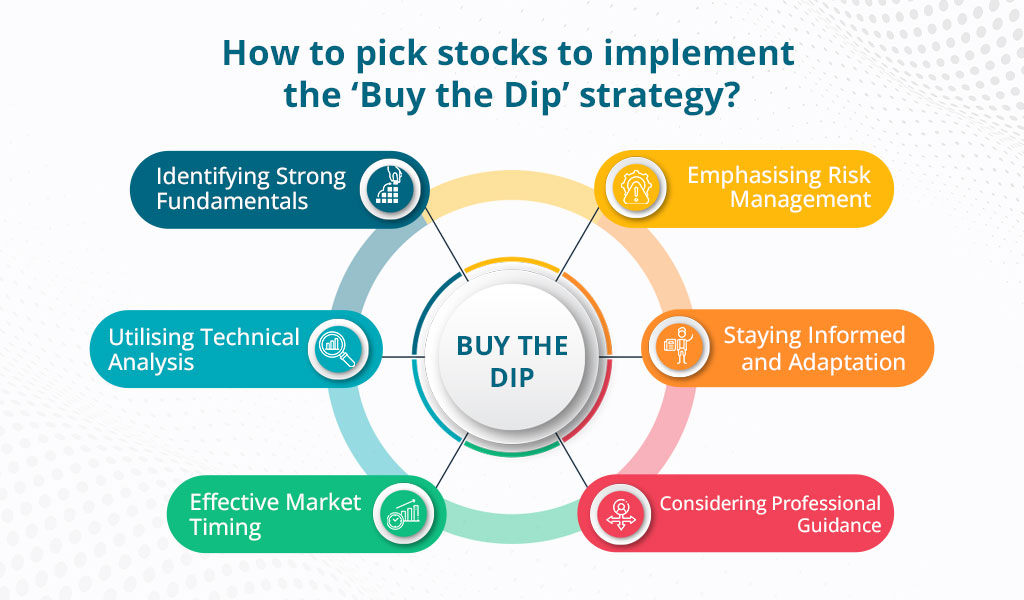
For investors, this is a time to stay informed and disciplined. Panic selling often leads to losses, while strategic decision-making can uncover opportunities even in volatile markets.
Final Thoughts: A Critical Moment for Tech Investors
The recent events surrounding Meta and the broader tech selloff mark a critical moment for financial markets. The surge in the VIX reflects growing uncertainty, but it also highlights the importance of understanding market dynamics.
This is not just about one company—it’s about how the entire tech ecosystem is evolving under new pressures. From AI investment costs to macroeconomic challenges, the landscape is changing rapidly.
For long-term investors, this could be an opportunity to reassess portfolios and identify high-quality companies at better valuations. For short-term traders, volatility presents both risks and rewards.
One thing is clear: the market is entering a more complex phase where data, discipline, and strategy matter more than ever.
Subscribe to trusted news sites like USnewsSphere.com for continuous updates.