Oil, Trade Tensions, and Iran Conflict: How Global Supply Risks Could Impact US Trade and Gas Prices in 2026 is rapidly becoming one of the most critical economic stories shaping the global market today. In 2026, rising geopolitical tensions involving Iran, disruptions in key shipping routes, and increasing pressure on global oil supply chains are creating ripple effects across the US economy. From gasoline prices at the pump to inflation and trade balances, the consequences are already being felt by consumers and investors alike.
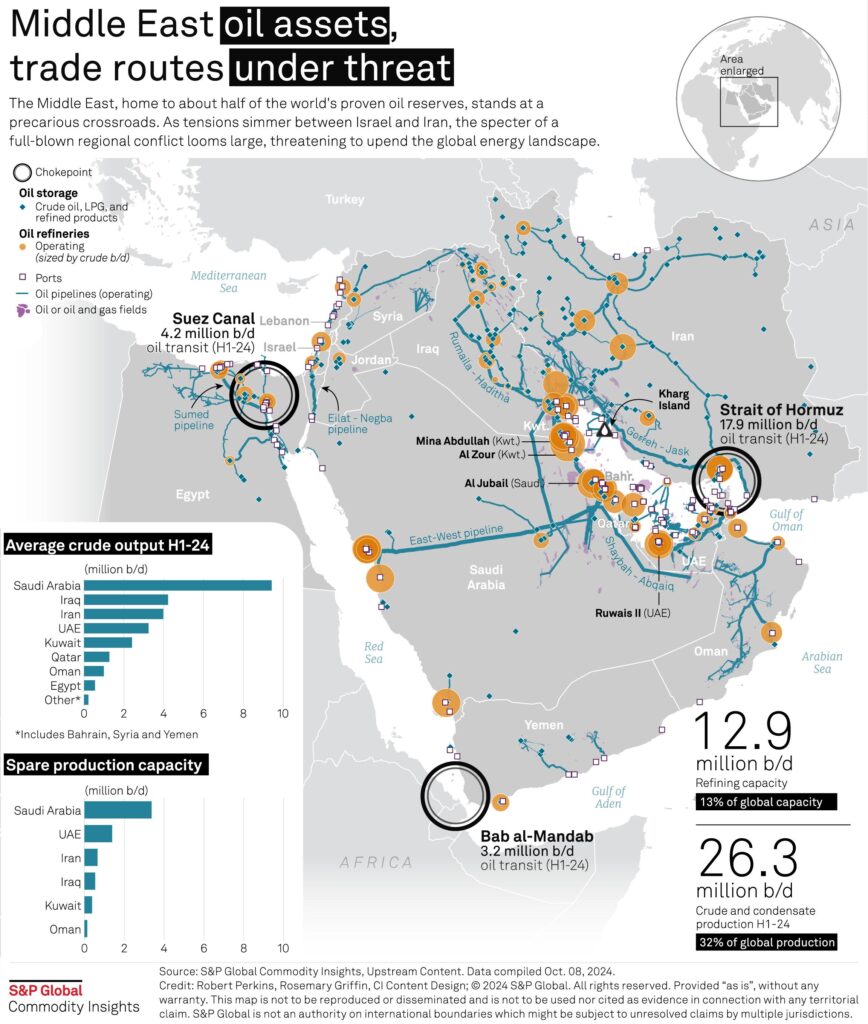
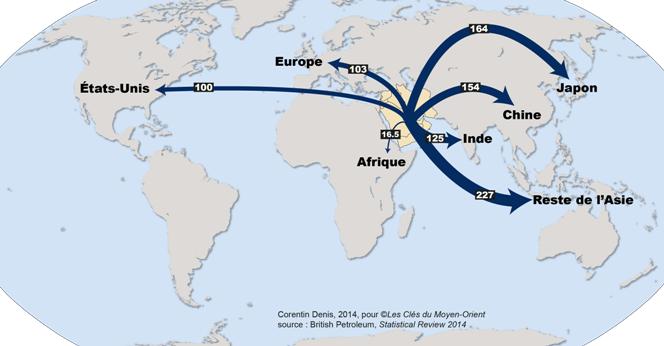
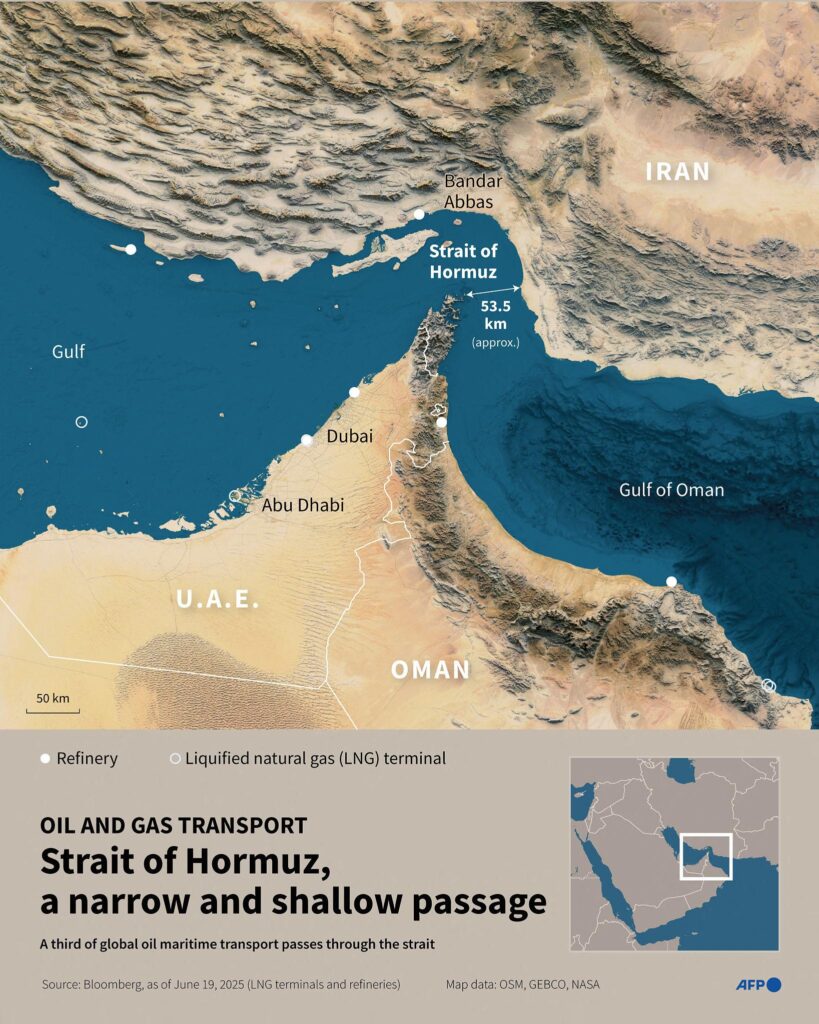
Recent developments show that energy markets are reacting sharply to uncertainty in the Middle East. Oil prices have surged intermittently as investors assess risks to supply routes such as the Strait of Hormuz, a vital artery through which a significant portion of the world’s oil flows. Combined with broader trade tensions and shifting global alliances, these dynamics are creating a volatile environment that could redefine energy markets and economic stability in the United States.
Why the Iran Conflict Is Driving Global Oil Volatility
The Iran conflict has once again placed the global energy market on edge. The Middle East remains the world’s most critical oil-producing region, and any disruption—real or perceived—can send prices soaring. Iran’s strategic position near the Strait of Hormuz gives it significant influence over global oil flows, making geopolitical tensions in the region particularly impactful.
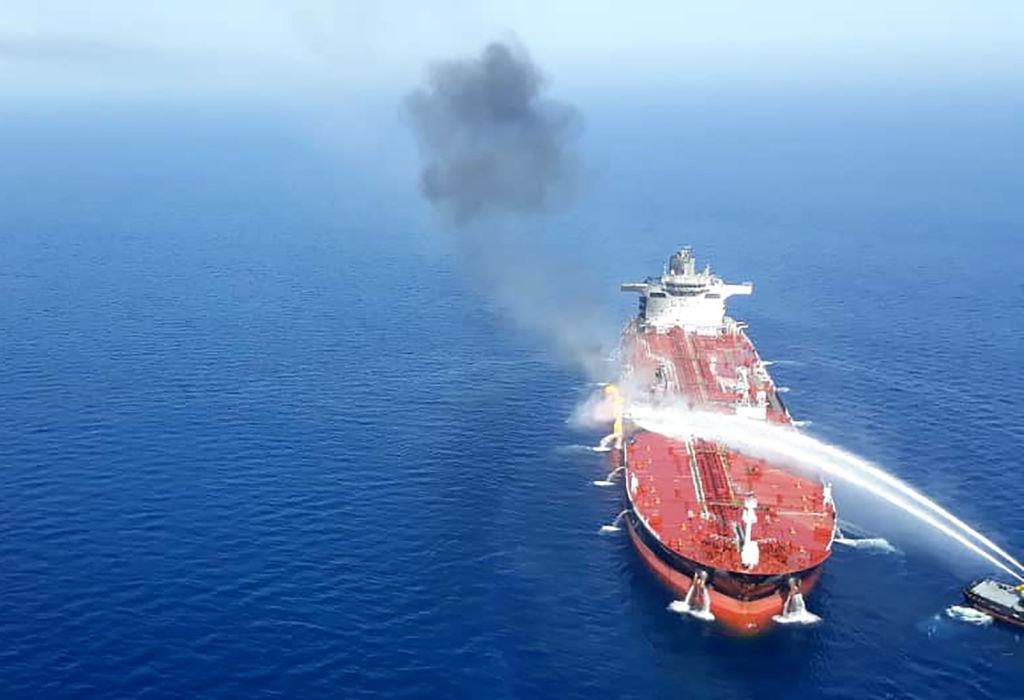
Even minor escalations can trigger major price swings because traders price in risk immediately. Insurance costs for oil shipments increase, shipping routes may be altered, and supply chains become less efficient. These factors collectively contribute to higher global oil prices, which directly affect US imports and domestic fuel costs.
Moreover, the involvement of global powers and shifting alliances adds another layer of complexity. Markets are not only reacting to current events but also to potential future scenarios, making volatility a constant feature of oil trading in 2026.
How Global Supply Disruptions Affect US Gas Prices
The United States, despite being a major oil producer, is not immune to global supply shocks. Oil is a globally traded commodity, and prices are influenced by international supply and demand dynamics. When supply is threatened in the Middle East, global prices rise—and American consumers feel the impact almost immediately.
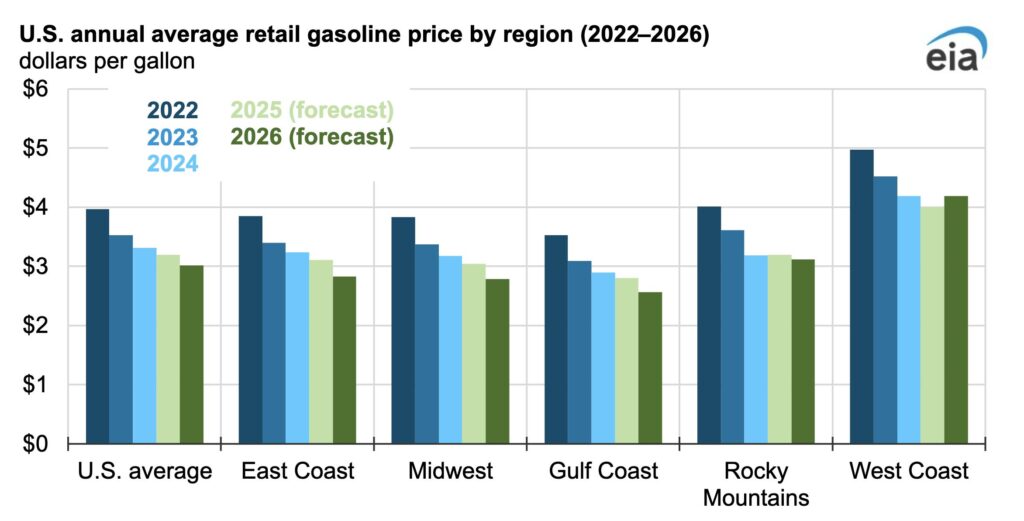
Gasoline prices at the pump are closely tied to crude oil costs. When oil prices increase, refineries pay more for raw materials, and those costs are passed on to consumers. This is why even distant geopolitical events can lead to higher fuel prices in US cities within days or weeks.
In 2026, early data suggest that fuel price volatility is becoming more frequent. Seasonal demand, combined with geopolitical risks, is creating sharp price fluctuations that are affecting household budgets and transportation costs. For businesses, higher fuel costs translate into increased shipping expenses, which can further drive inflation.
Trade Tensions and Their Impact on Global Energy Markets
Trade tensions are adding another layer of uncertainty to the global energy market. Disputes between major economies, including tariff changes and sanctions, are affecting how oil is produced, transported, and sold. These tensions can disrupt established trade routes and force countries to seek alternative suppliers.
For the United States, this means navigating a complex web of economic and geopolitical relationships. Changes in trade policy can influence energy imports and exports, impacting domestic prices and economic growth. Sanctions on oil-producing nations can reduce global supply, while trade disputes can slow economic activity and reduce demand.
In 2026, the combination of trade tensions and geopolitical conflicts is creating a fragile environment where even small disruptions can have outsized effects. Investors and policymakers are closely monitoring these developments to anticipate potential shocks to the system.
Economic Impact: Inflation, Consumer Spending, and Market Reactions
Rising oil prices have a direct impact on inflation, which remains a key concern for the US economy in 2026. Energy costs are a significant component of overall inflation, and increases in fuel prices can quickly translate into higher costs for goods and services.
Consumers are particularly sensitive to fuel prices because they affect daily expenses such as commuting and transportation. As gas prices rise, discretionary spending often declines, which can slow economic growth. Businesses, facing higher operational costs, may pass those costs on to consumers or reduce investment.
Financial markets are also reacting to these developments. Energy stocks may benefit from higher prices, while sectors sensitive to fuel costs, such as transportation and manufacturing, may face pressure. This creates opportunities and risks for investors navigating the current environment.
Market Outlook: What Experts Expect for Oil and Gas Prices in 2026
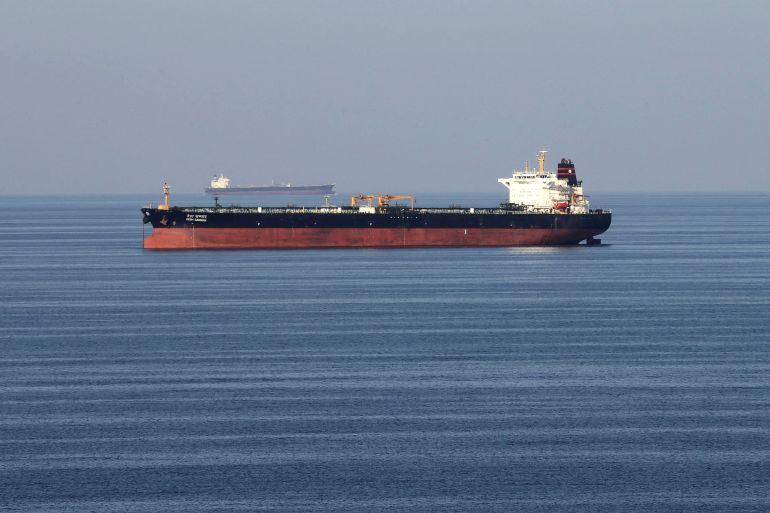
Experts are divided on the future of oil prices, but most agree that volatility will remain a defining feature of the market in 2026. Some analysts predict that prices could remain elevated if geopolitical tensions persist and supply constraints continue. Others believe that increased production and alternative energy sources could help stabilize the market.
One key factor to watch is the response of major oil-producing countries. Decisions by organizations like OPEC and actions by US shale producers will play a significant role in determining supply levels. Additionally, technological advancements and shifts toward renewable energy could influence long-term trends.
For investors, this means staying informed and being prepared for rapid changes. Diversification and risk management are essential strategies in an environment where market conditions can shift quickly.
What This Means for Investors, Businesses, and Everyday Americans
The intersection of oil, trade tensions, and geopolitical conflict is creating a complex landscape for investors, businesses, and consumers. For investors, energy stocks and commodities may offer opportunities, but they also come with increased risk. Understanding market dynamics and staying updated on global events is crucial.
Businesses must adapt to changing cost structures and supply chain challenges. Companies that can manage these risks effectively may gain a competitive advantage. Meanwhile, consumers are adjusting their spending habits in response to rising costs, highlighting the broader economic impact of energy market volatility.
In the long term, these challenges could accelerate the transition to alternative energy sources and reshape global energy markets. However, in the near term, the focus remains on navigating uncertainty and managing risk.
Navigating a Volatile Energy Future
The events of 2026 are a reminder of how interconnected the global economy has become. Oil markets, trade policies, and geopolitical conflicts are all deeply intertwined, and their combined impact is shaping the economic landscape in real time.
For the United States, the challenge lies in balancing energy security, economic growth, and global stability. While uncertainty remains high, informed decision-making and strategic planning can help mitigate risks and uncover opportunities.
As the situation continues to evolve, staying informed and understanding the broader implications will be essential for anyone looking to navigate this complex environment—whether as an investor, business owner, or consumer.
Subscribe to trusted news sites like USnewsSphere.com for continuous updates.