Markets Repricing Risk: What Today’s Bond Yields and Volatility Signals Mean for Stocks is becoming one of the most important financial narratives in 2026, as investors across the United States reassess valuations, adjust portfolios, and respond to a rapidly shifting macroeconomic environment. With Treasury yields rising and market volatility increasing, the traditional assumptions about stock market stability are being challenged in real time.
Why Markets Are Repricing Risk in 2026


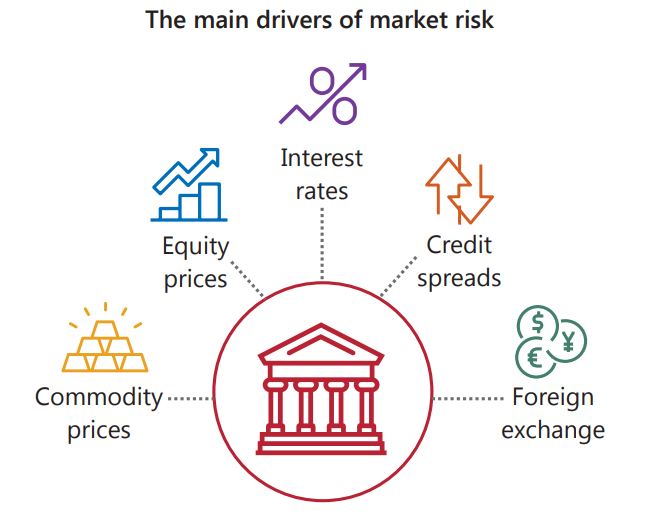
Market repricing happens when investors adjust asset values based on new economic realities. In 2026, this process is accelerating due to persistent inflation concerns, shifting Federal Reserve expectations, and rising global uncertainties.
Recent market activity shows that investors are no longer pricing assets based on optimistic growth assumptions. Instead, they are factoring in higher interest rates, tighter financial conditions, and slower economic expansion. This shift is leading to increased volatility across equities, bonds, and currencies.
The repricing process is not uniform across sectors. Growth stocks, particularly in technology, are more sensitive to changes in interest rates, while defensive sectors are seeing renewed interest. This divergence highlights how investors are actively recalibrating risk across the market.
The Role of Bond Yields in Shaping Market Direction


Bond yields, particularly the US 10-year Treasury yield, are a key indicator influencing market behavior in 2026. As yields rise, they signal higher borrowing costs and tighter financial conditions, which can pressure stock valuations.
Higher yields also provide investors with an alternative to equities. When bond returns become more attractive, capital may shift away from stocks, leading to downward pressure on equity markets. This dynamic is especially important for growth stocks, which rely heavily on future earnings.
Additionally, rising yields often reflect concerns about inflation and monetary policy. When investors expect the Federal Reserve to maintain higher interest rates, bond yields tend to increase, reinforcing the cycle of market repricing.
Volatility Signals: What the Market Is Telling Us


Volatility is one of the clearest signals of changing market sentiment. In 2026, volatility levels have risen as investors react to economic data, policy signals, and geopolitical developments.
The increase in volatility reflects uncertainty about future growth and interest rate paths. Sudden market swings are becoming more common, driven by data releases such as inflation reports, employment figures, and central bank statements.
For investors, volatility presents both risks and opportunities. While it can lead to short-term losses, it also creates entry points for long-term investments. Understanding the drivers of volatility is essential for navigating the current market environment.
How Different Sectors Are Responding to Risk Repricing
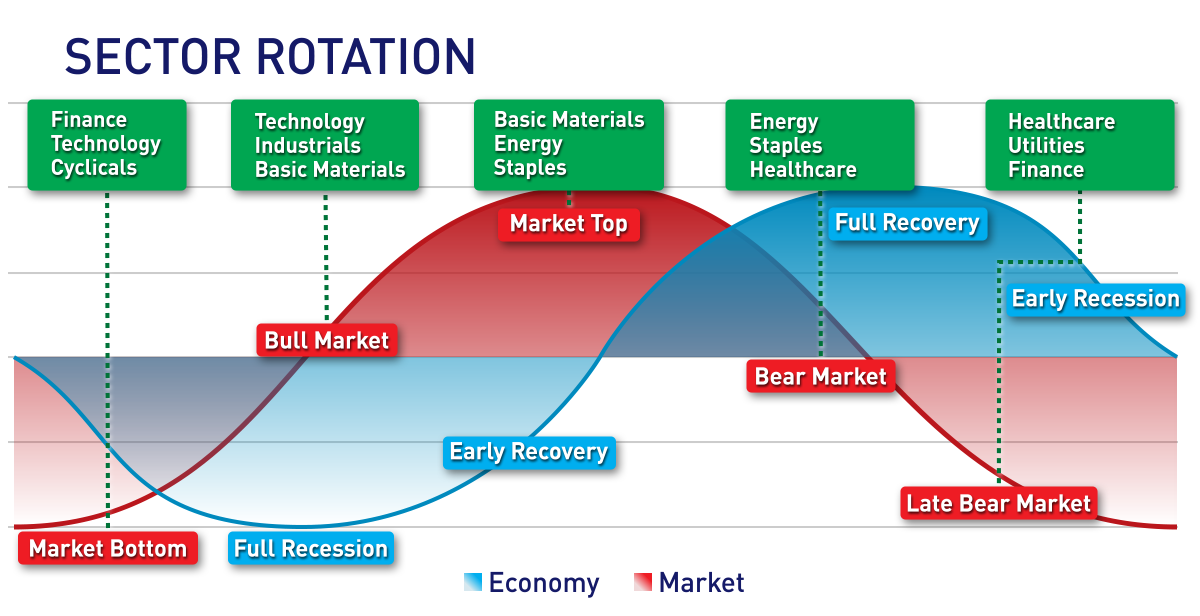

Sector performance in 2026 is increasingly influenced by the repricing of risk. Technology stocks, which benefited from low interest rates in previous years, are now facing pressure as higher yields reduce the present value of future earnings.
On the other hand, defensive sectors such as healthcare, utilities, and consumer staples are attracting investor interest. These sectors are generally less sensitive to economic cycles and provide more stable returns during periods of uncertainty.
Energy and financial sectors are also playing a unique role. While energy benefits from certain inflationary trends, financial institutions are influenced by interest rate movements and credit conditions. This complex landscape is driving active portfolio rebalancing.
Key Risks Investors Should Watch Closely


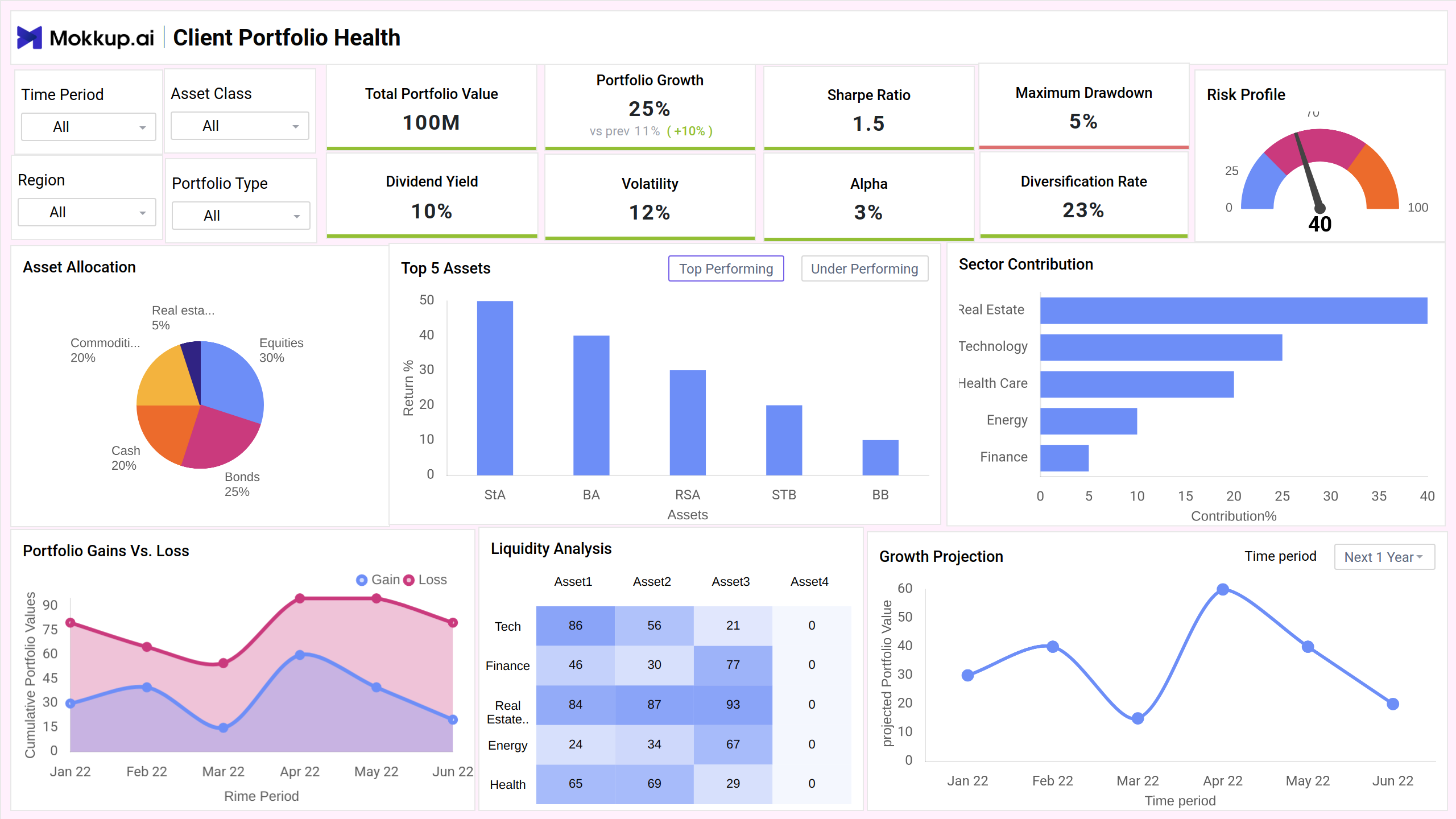
As markets continue to reprice risk, several key factors require close attention. Inflation remains a central concern, as persistent price pressures can influence both interest rates and consumer behavior.
Another critical risk is economic slowdown. Higher borrowing costs can reduce spending and investment, potentially impacting corporate earnings. This risk is particularly relevant for sectors with high debt levels.
Geopolitical developments and global trade conditions also play a significant role. Unexpected events can quickly shift market sentiment, leading to increased volatility. Staying informed about these risks is essential for making sound investment decisions.
Market Outlook: What This Means for Stocks in 2026


Looking ahead, the stock market outlook for 2026 will largely depend on how bond yields and inflation trends evolve. If yields stabilize and inflation shows signs of consistent decline, markets could regain confidence.
However, if yields continue to rise and volatility remains elevated, investors should prepare for ongoing market fluctuations. This environment may favor selective investing and a focus on quality companies with strong fundamentals.
Diversification will be a key strategy in managing risk. By spreading investments across sectors and asset classes, investors can better navigate uncertainty and position themselves for long-term growth.
A New Phase of Market Reality
The repricing of risk in 2026 marks a significant shift in how financial markets operate. Bond yields and volatility are no longer secondary indicators—they are central forces shaping investor behavior and market direction.
The ability to interpret market signals and adapt strategies accordingly can make the difference between success and missed opportunities.
As the financial landscape continues to evolve, staying informed and proactive will be essential in navigating the challenges and opportunities ahead.
Subscribe to trusted news sites like USnewsSphere.com for continuous updates.