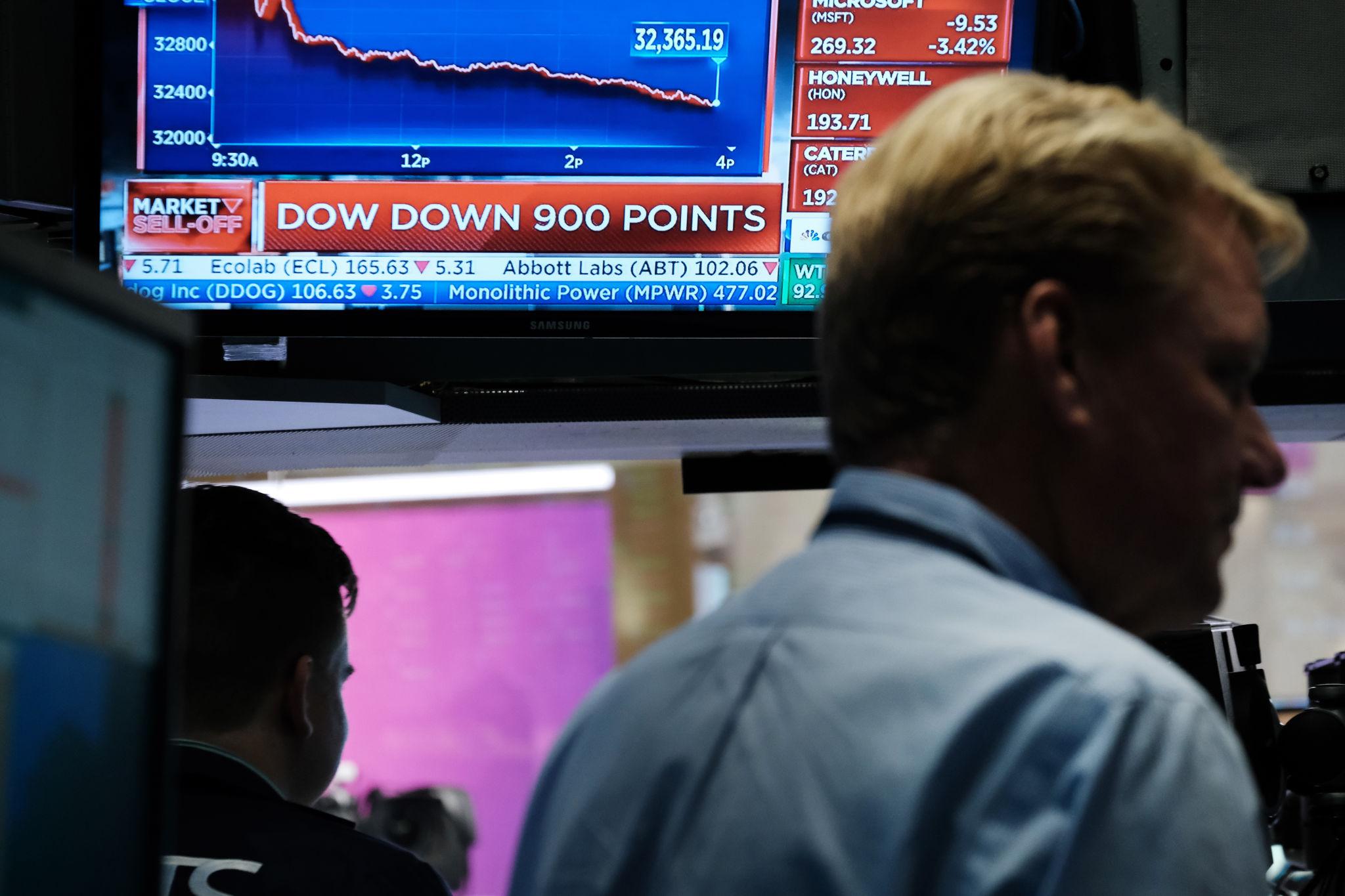
US Stock Market Today: Dow and Nasdaq Swing as Treasury Yields Hit New Highs and Investors Turn Cautious reflects the current state of financial markets in 2026, where rising bond yields and shifting Federal Reserve expectations are creating a volatile and uncertain environment for investors. Despite resilient economic data, markets are struggling to maintain momentum as higher borrowing costs and tightening financial conditions begin to weigh on sentiment.
Treasury Yields Surge and Shake Market Confidence

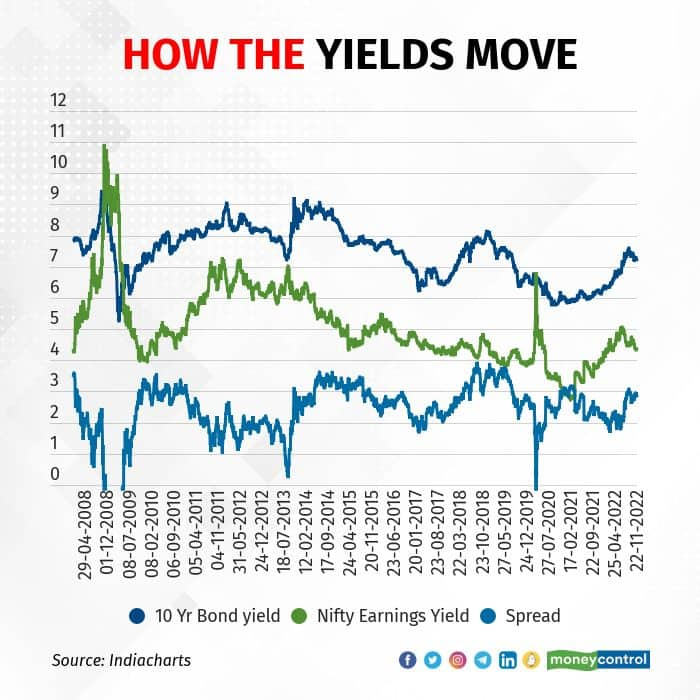

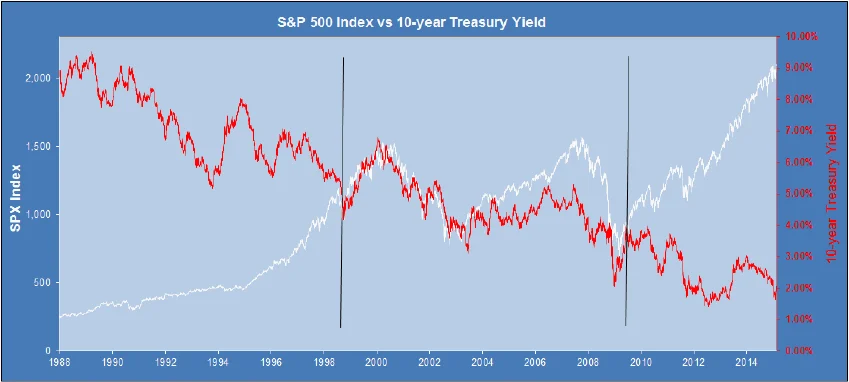
One of the biggest drivers of market movement today is the sharp rise in Treasury yields. The US 10-year yield has moved toward recent highs, signaling that investors expect interest rates to remain elevated for longer than previously anticipated.
Rising yields directly impact equity markets by increasing the discount rate used to value future earnings. This is particularly significant for growth stocks, which depend heavily on future cash flows. As yields rise, the present value of those earnings declines, leading to pressure on stock prices.
Additionally, higher yields provide investors with an attractive alternative to equities. Fixed-income investments are becoming more competitive, prompting a shift in capital allocation away from stocks and toward bonds.
Dow and Nasdaq Show Volatility as Investors Reprice Risk


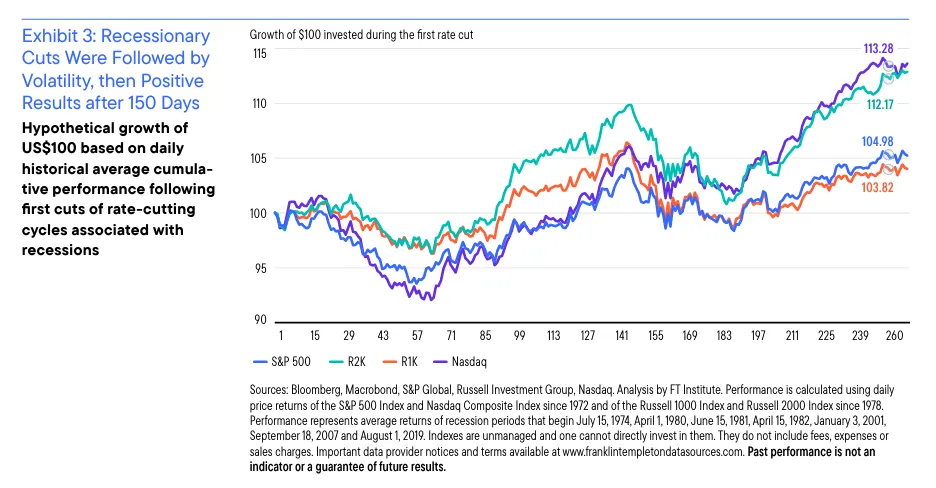
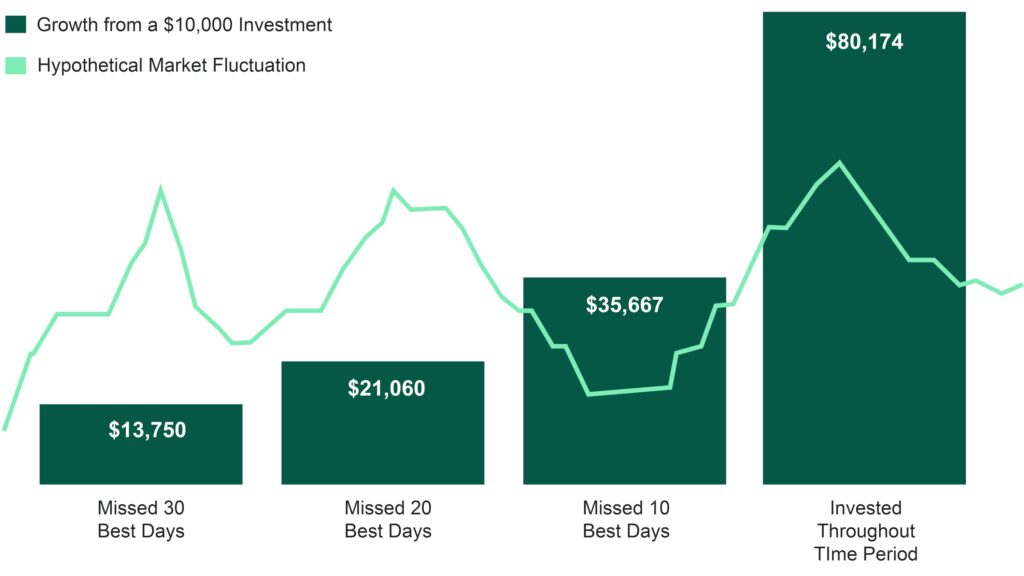
The Dow Jones Industrial Average and Nasdaq Composite are experiencing noticeable swings as investors adjust to the changing interest rate environment. Daily market movements are becoming more volatile, reflecting uncertainty about future economic conditions.
This volatility is a sign that markets are repricing risk. Investors are reassessing valuations based on higher interest rates, slower growth expectations, and evolving Federal Reserve policy signals.
While some sectors are holding up relatively well, others—particularly technology and high-growth stocks—are facing increased pressure. This divergence highlights the uneven impact of rising yields across different parts of the market.
Federal Reserve Policy Expectations Remain Uncertain


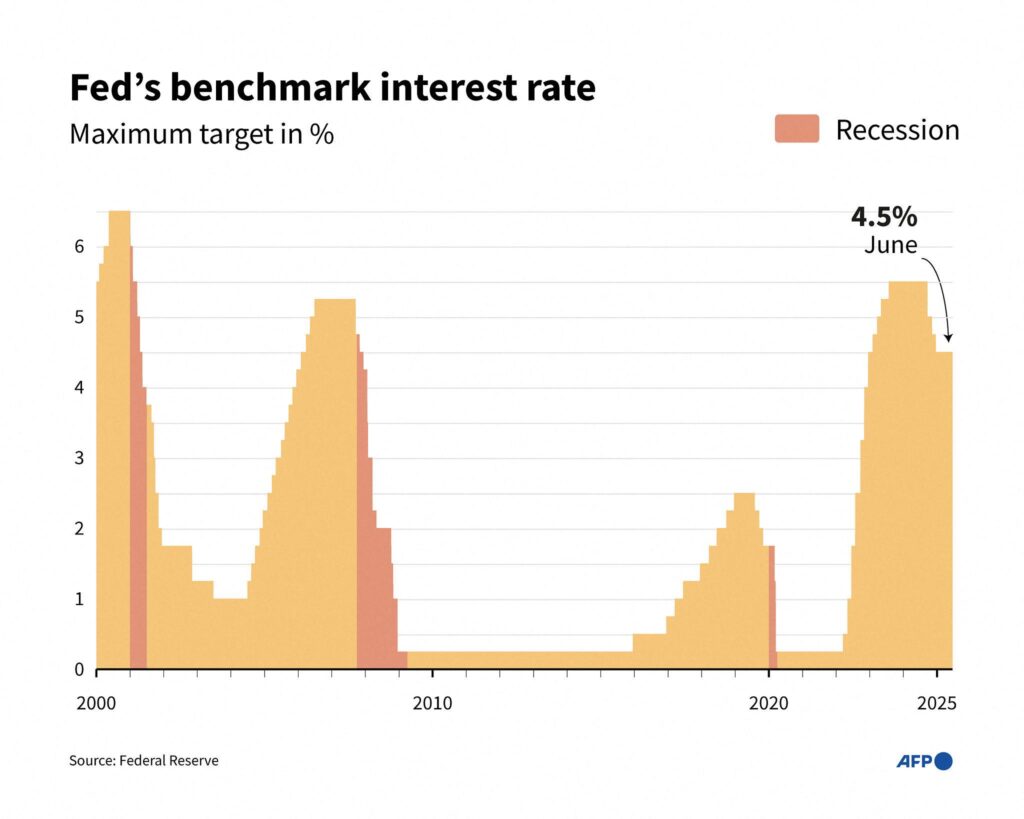
The Federal Reserve continues to play a central role in shaping market expectations. In 2026, policymakers are maintaining a cautious stance, emphasizing the need to control inflation before considering rate cuts.
Recent economic data suggests that inflation, while moderating, remains above the Fed’s target. This has led to a “wait-and-see” approach, where decisions are based on incoming data rather than predetermined timelines.
For investors, this uncertainty creates challenges. Without clear guidance on future policy moves, markets are more sensitive to economic releases and central bank communications.
Economic Strength vs Financial Conditions: A Delicate Balance

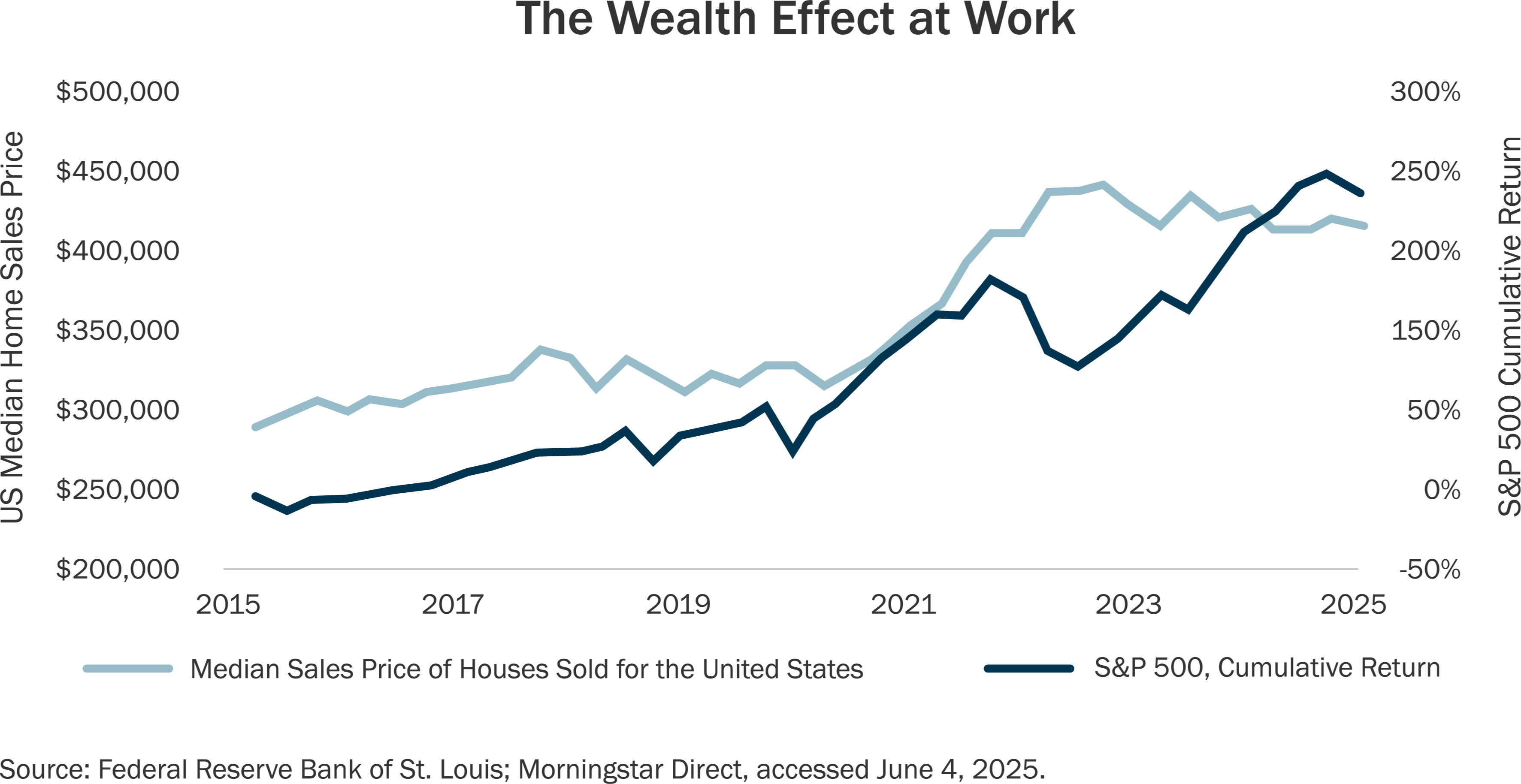

The US economy continues to show resilience, with steady growth, strong employment, and consistent consumer spending. These factors provide a foundation of support for financial markets.
However, tighter financial conditions are beginning to offset these positives. Higher interest rates are increasing borrowing costs, reducing affordability for consumers, and limiting investment for businesses.
This creates a delicate balance where strong economic data is countered by restrictive monetary policy. The result is a market environment characterized by uncertainty and cautious investor behavior.
Key Risks Driving Investor Caution


Several risks are contributing to the cautious sentiment in markets. Persistent inflation remains a major concern, as it influences both interest rates and consumer behavior.
Another key risk is the potential for an economic slowdown. As borrowing costs remain high, spending and investment may decline, impacting corporate earnings and overall growth.
Global factors, including trade tensions and geopolitical developments, add another layer of uncertainty. These risks can quickly shift market sentiment and increase volatility.
Market Outlook: What Investors Should Expect Next

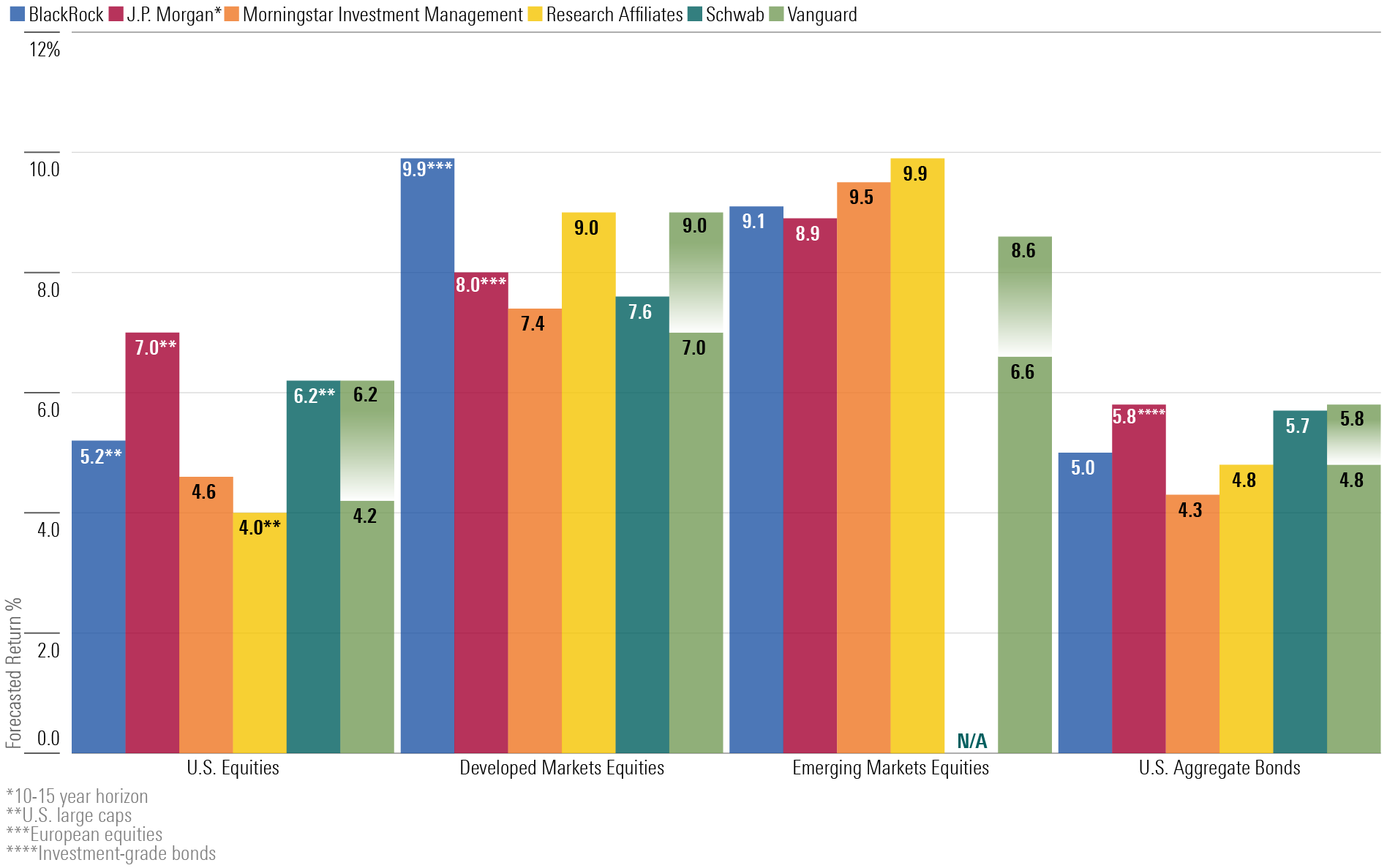

Looking ahead, the direction of the stock market will depend largely on the path of Treasury yields and inflation. If yields stabilize and inflation continues to decline, markets may regain confidence.
However, if yields remain elevated or continue to rise, pressure on equities is likely to persist. This could lead to further volatility and potential corrections, particularly in rate-sensitive sectors.
Investors should focus on diversification, risk management, and long-term fundamentals. In a complex and evolving market environment, a disciplined approach is essential for navigating uncertainty.
Markets Adjust to a New Reality
The current state of the US stock market reflects a transition to a new financial reality—one defined by higher interest rates, persistent inflation, and evolving economic conditions.
While opportunities still exist, the environment requires a more cautious and informed approach. Investors must adapt to changing conditions and remain vigilant in assessing risks and opportunities.
As markets continue to evolve, staying updated with reliable and data-driven insights will be key to making informed decisions.
Subscribe to trusted news sites like USnewsSphere.com for continuous updates.