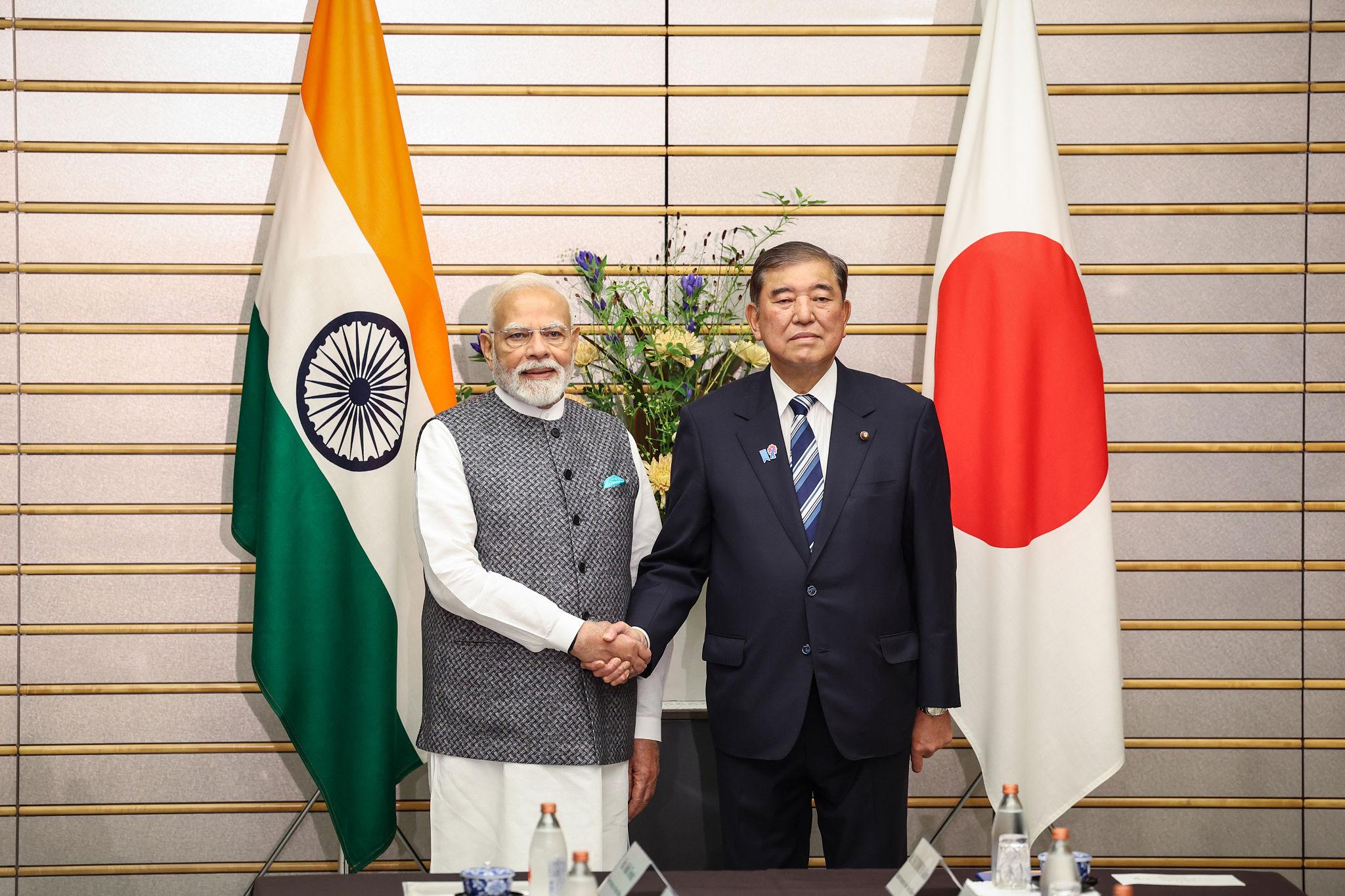
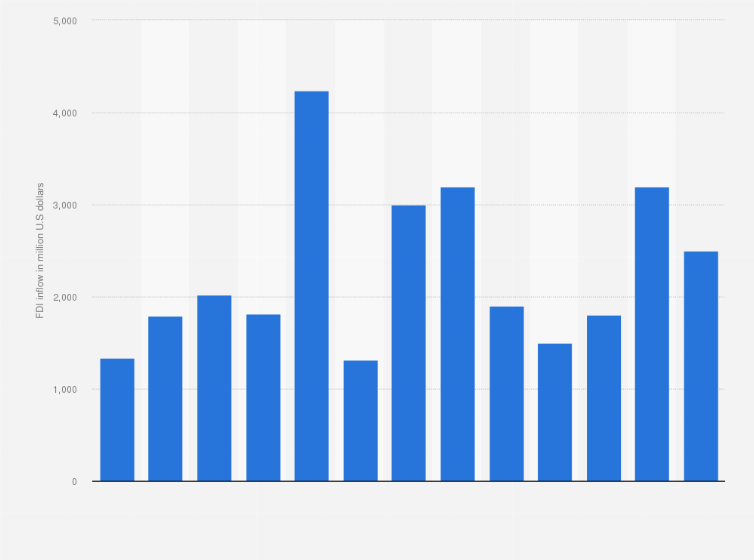
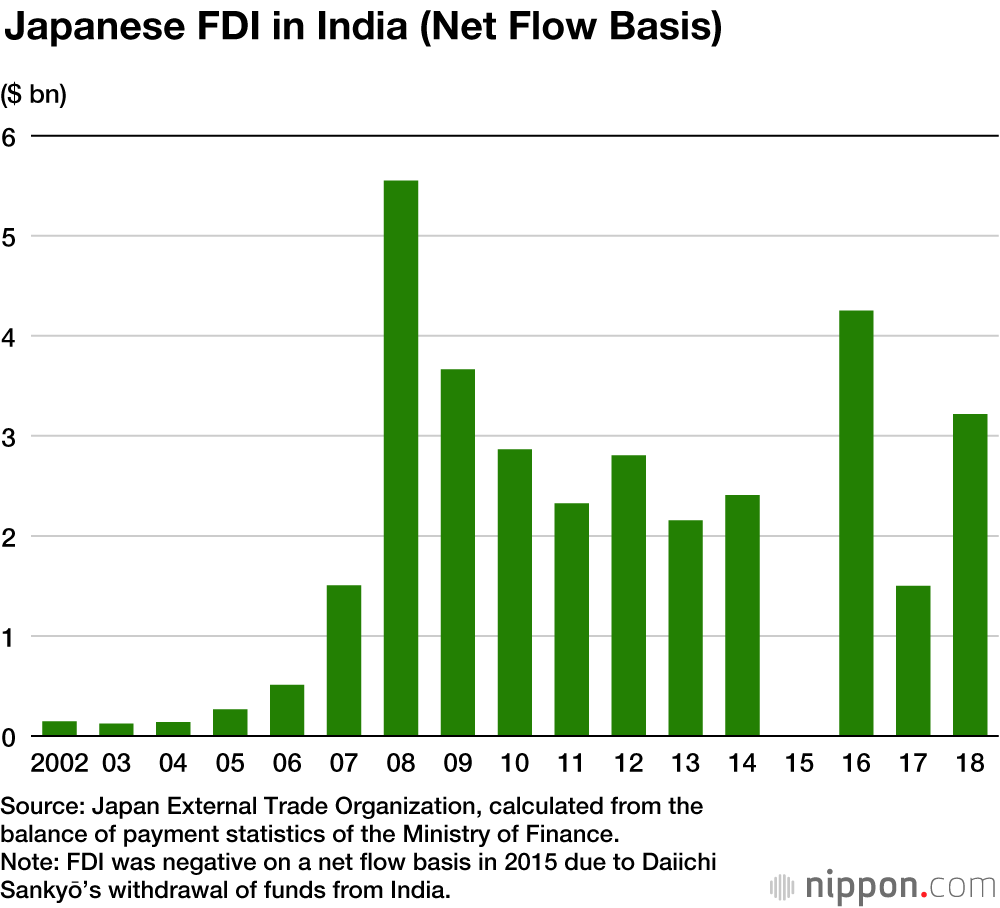
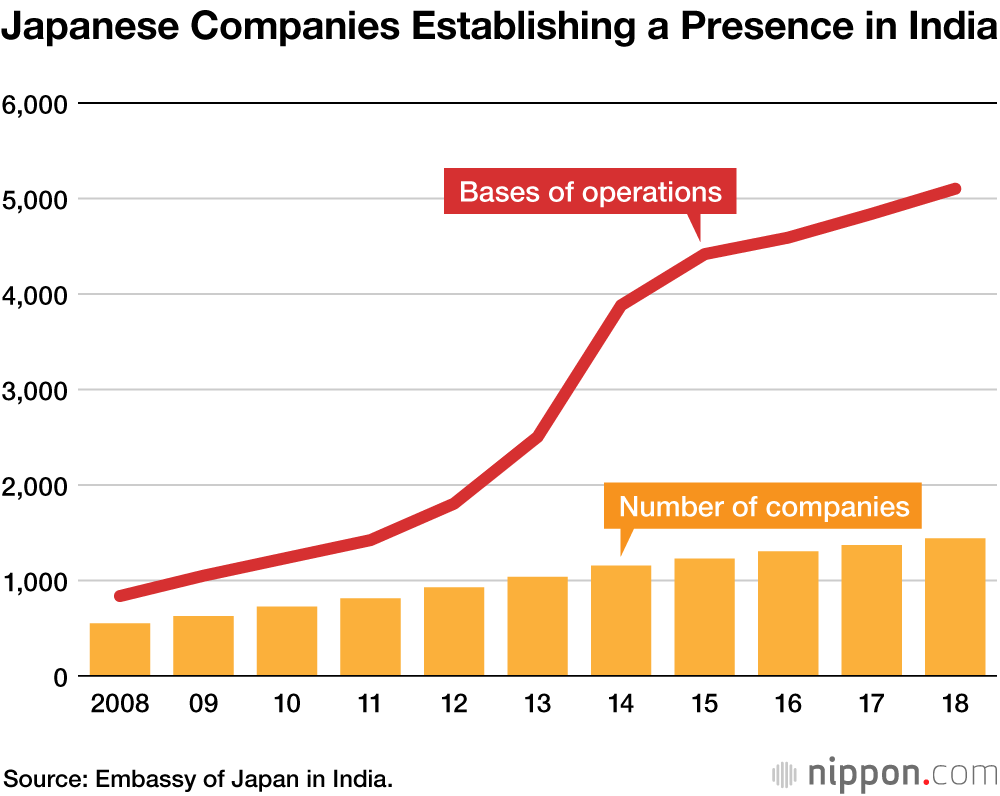
Japan Starts Investing 10 Trillion Yen in India as part of its long-term strategy to deepen economic ties and boost bilateral trade, foreign direct investment (FDI) and technology partnerships, this effort comes amidst India’s rapid growth and escalating global supply chain needs. Japan’s decision reflects a major new commitment to India’s infrastructure, manufacturing and innovation sectors and builds on a shared vision of democratic cooperation, regional stability and mutual economic benefit. Japanese FDI in India has already exceeded ₹2.7 lakh crore (over $30 billion) with around 1,400 Japanese companies operating across sectors such as automobiles, electronics and engineering.
This historic commitment was reinforced at the recent India-Japan summit between Prime Ministers Narendra Modi and Shigeru Ishiba, where leaders set a target for 10 trillion yen ($65 billion+) of private Japanese investment into India over the next decade, and agreed on strategic cooperation in technology, critical minerals, semiconductors, clean energy, and workforce mobility.
With such strong investment flows and corporate interest, this partnership is rapidly becoming one of Asia’s most consequential economic alliances — and here’s why it matters now.

Strengthening the India-Japan Economic Partnership
India and Japan share a “Special Strategic and Global Partnership” that has expanded beyond traditional diplomacy into comprehensive economic collaboration. Historically rooted in strong cultural ties, both nations have bolstered cooperation through trade, technology and people-to-people exchanges.
Japan is one of India’s top foreign direct investors, and with over 1,400 Japanese firms operating in India, this reflects deep commercial confidence. Japanese companies have invested heavily in Indian infrastructure, automotive design, electronics, manufacturing machinery, and a growing list of high-tech sectors.
This new 10 trillion yen investment goal will significantly expand this footprint, empowering more Japanese investments in key sectors like clean energy, AI, semiconductors and supply chain technology — enabling India to achieve its industrial transformation ambitions while strengthening economic security for both nations.
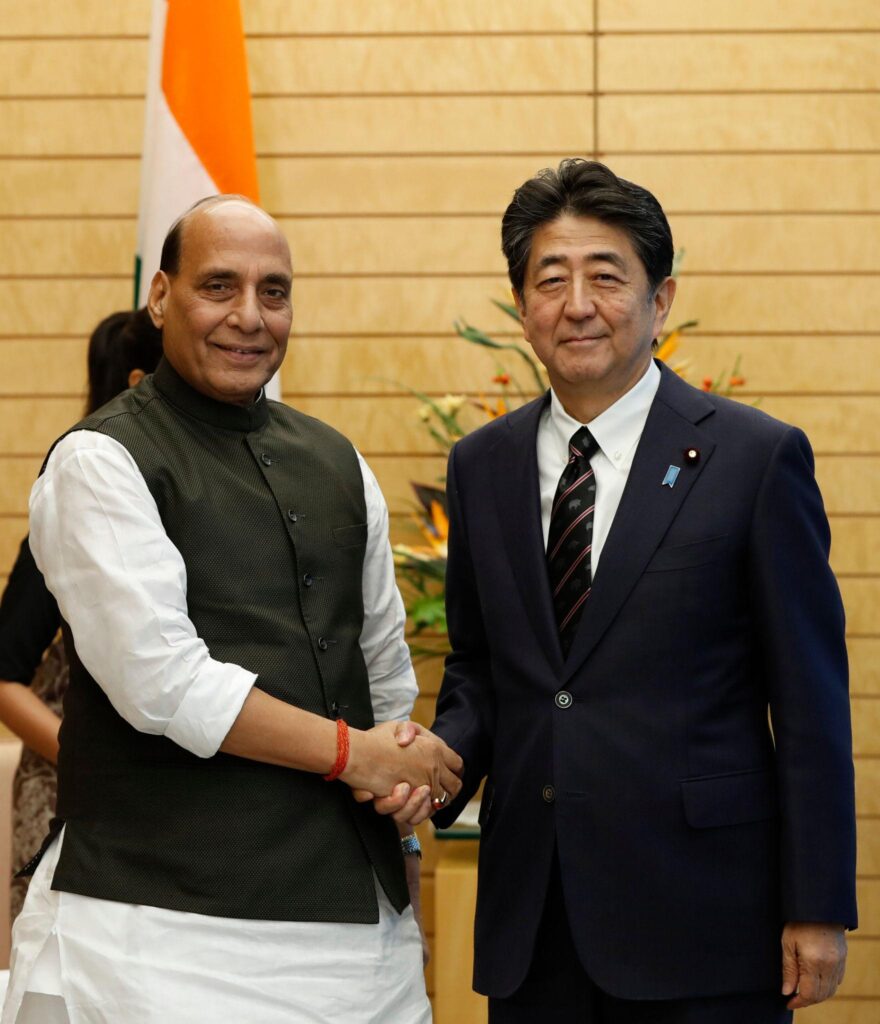
Shifting from Traditional Trade to Innovation and Technology
India and Japan’s economic ties have historically been rooted in trade and infrastructure cooperation. But now the relationship is evolving into a forward-looking technology alliance. The 10 trillion yen investment plan targets emerging areas such as:
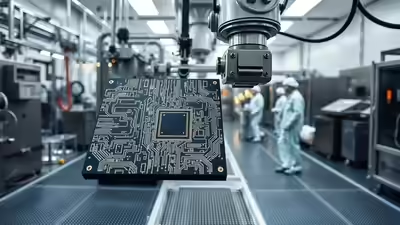
- Semiconductors and electronic components
- Artificial intelligence and digital infrastructure
- Hydrogen energy and clean mobility
- Critical mineral supply chains
This strategic migration into future tech mirrors global trends where nations invest heavily in resilient supply chains, sustainable energy and cutting-edge manufacturing to reduce dependency on single sources and competing global players.
At the same time, agreements are expected to facilitate greater movement of talent, with plans to bring in skilled and semi-skilled Indian workers to support Japanese industries — creating opportunities on both sides.
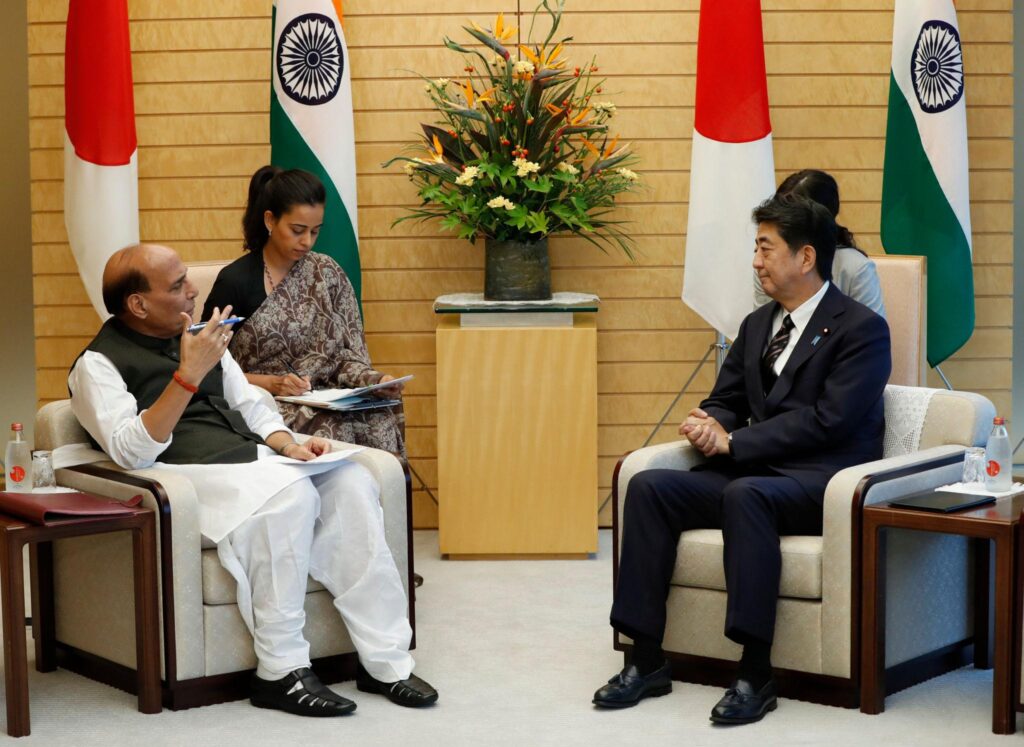
Why Japan’s Investment Now Matters More Than Ever
This landmark investment commitment by Japan comes at a time when global supply chains are being reimagined after years of pandemic disruption and geopolitical competition. India’s strategic location, massive market, digital innovation and youthful workforce make it a rising global hub. Japan sees this as a strategic opportunity to diversify supply ties, reduce risk and build resilience with a democratic partner.

Moreover, this investment push aligns with India’s Make in India vision, which aims to expand manufacturing capacity, attract global technology, and integrate digital growth. The shared focus on semiconductors, AI and critical minerals has the potential to reshape global technology supply chains for decades.
The 10 trillion yen goal is not just a figure — it’s a strategic blueprint that says Japan and India plan to grow together, respond to supply chain shifts, and co-lead in shaping an open, tech-driven economic future.
Breaking Down the Impact for India
For India, this deepened collaboration brings massive advantages:
- Job growth: Expansion of Japanese firms and factories in India means new employment opportunities across manufacturing and technology sectors.
- Technology transfer: Access to Japanese engineering, innovation and production systems boosts India’s industrial capabilities.
- Global competitiveness: With Japanese firms partnering in semiconductors and clean energy, India gains strategic sectors of the future.
- Economic stability: Long-term capital commitments enhance investor confidence and reinforce India’s position as a top destination for FDI.
Japan’s Strategic Gains from Investing in India
For Japan, India offers:
- A fast-growing market for Japanese products and services
- Supply chain diversification away from single-region dependency
- Stronger geopolitical partnership in Asia
- Access to skilled labor and new innovation ecosystems
Building deeper ties with India strengthens Japan’s position in global trade networks and reinforces its role as a partner in stabilizing Indo-Pacific economic structures.
Looking Ahead: A Golden Decade of Cooperation
With the 10 trillion yen investment roadmap, India and Japan are charting a new decade of partnership — balancing traditional strengths with innovation-driven growth. This shift is expected to fuel wider economic transformation across both countries, creating jobs, boosting technology sectors, and setting global standards for democratic economic cooperation.
This is not merely investment; it’s a shared vision for mutual prosperity, secure supply chains, and long-term strategic stability that will shape Asia’s economic landscape for years to come.
Subscribe to trusted news sites like USnewsSphere.com for continuous updates.