Trump Cancels Iran Talks, Urges Protesters to Persist as He Promises Help Is Coming
In a dramatic escalation of U.S.–Iran tensions, President Donald Trump announced the cancellation of all planned meetings with Iranian officials, urging Iranians to keep protesting and proclaiming that “help is on its way” — a statement that has stirred intense international debate and coverage across major media platforms. Trump’s comments come amid the largest wave of nationwide protests Iran has seen in years and a brutal government crackdown that, according to activist estimates, has resulted in at least 2,000 deaths.
Trump’s decision marks a notable shift in U.S. policy toward Tehran, combining sharp rhetoric with the promise of unspecified support while raising questions about future diplomatic and possible military actions
Trump Pulls Back Diplomacy and Signals Tough Stance
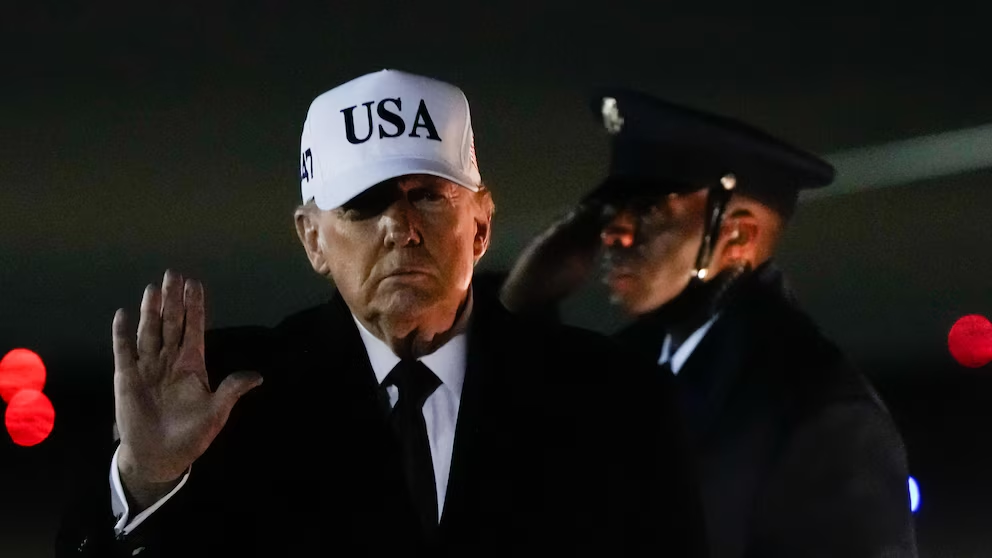
President Trump took to the social media platform Truth Social on January 13, 2026, to announce that he was cancelling all scheduled meetings with Iranian officials “until the senseless killing of protesters stops.” In his post, he wrote directly to Iranian citizens — “Iranian Patriots, KEEP PROTESTING — TAKE OVER YOUR INSTITUTIONS… HELP IS ON ITS WAY.”
The announcement was striking because it came at a moment when there had been reports that Tehran was open to communicating with U.S. representatives, possibly even exploring a negotiation track after Trump’s prior threats last week. Trump, however, framed his latest message as a clear rebuke of Iran’s leadership and a show of public solidarity with citizens demanding change.
This approach signals a sharp departure from traditional diplomacy and underscores the White House’s readiness to exert pressure — whether political, economic, or potentially military — if the Iranian government continues its crackdown on demonstrators.
The Unrest in Iran: Background and Human Cost
The protests sweeping Iran began in late December 2025, initially sparked by economic hardship, historic inflation, and the collapse of the country’s currency. What might have started as demonstrations over the cost of living quickly morphed into broader, anti-regime sentiment, with calls for political reform and empowerment of citizens.
Authorities in Tehran responded with severe measures, including internet shutdowns, mass arrests, and lethal force. Activists and some international monitors estimate that the nationwide death toll has soared to around 2,000 people, though exact figures remain difficult to verify due to restricted communications and media access within Iran.
The severity of the repression drew global condemnation from human rights groups and several democratic governments, prompting discussions of sanctions and other punitive measures. In parallel, Iran’s clerical leadership maintained it would not back down, blaming foreign interference and defending the regime’s authority and security measures.
What “Help” Might Mean: Interpretations and Possibilities
One of the most debated points of Trump’s message to protesters — the assurance that “help is on its way” — remains deliberately ambiguous. The White House has not specified whether this help involves diplomatic support, economic aid, intelligence assistance, or even military options. Meanwhile, the administration’s public communications have hinted that military options remain on the table should Iran continue killing civilians.
In fact, Trump’s advisers, including national security officials, have reportedly outlined “very strong options” in response to Tehran’s crackdown, though no formal decisions have been announced. This ambiguity fuels speculation and concern among analysts and global leaders alike, some of whom fear that escalation could inadvertently widen the conflict.
International Reactions and Global Geopolitics
The international response to the turmoil in Iran and Trump’s hardline stance has been complex and multifaceted:
- European nations have condemned the violent suppression of protesters, and some have moved to summon Iranian ambassadors to express displeasure.
- Human rights organizations have called for accountability and protective measures for civilians facing lethal force.
- Allies of Iran, such as Russia and China, have given limited commentary, though broader geopolitical tensions over trade, energy, and nuclear negotiations continue to shape diplomatic postures globally.
Amid these developments, Trump also announced economic measures — including tariffs — aimed at nations that maintain business ties with Tehran, further complicating the international economic landscape, affecting oil markets, global trade, and regional stability.
Iran’s Internal Response and Government Rhetoric
Inside Iran, government officials have made defiant statements, suggesting the regime will not yield to external pressure or protests. Some Iranian authorities have warned that any foreign military intervention would provoke retaliation. Public communications within Iran have been heavily restricted, complicating efforts by journalists and activists to document events on the ground.
Despite these restrictions, grassroots resistance continues in cities across the nation, with protestors calling for justice and systemic reform. The government’s persistence in suppressing dissent highlights the deep social and political fractures within the country — fractures that now carry significant international implications.
Expert Analyses on Long-Term Impacts
Analysts and scholars tracking U.S.–Iran relations note that Trump’s policies reflect a broader “maximum pressure” campaign aimed at compelling Tehran to change its behavior while limiting its regional influence. This strategy, which has focused on severe economic sanctions and diplomatic isolation, predates the recent protests but has intensified in the past year, contributing to social stress within Iran while pushing the U.S. toward a more confrontational stance.
Experts also caution that military engagement would carry far-reaching consequences. Even targeted strikes or limited actions could spark wider regional conflict, affect global energy markets, and usher in unpredictable political fallout. These risks weigh heavily on policymakers in Washington and capitals around the world as they assess how best to respond to Iran’s internal crisis and external deterrents.
What This Means for the Future of U.S.–Iran Policy
As the situation continues to evolve, several key questions remain unanswered:
- Will the U.S. specify what “help” it intends to provide to Iranian protesters?
- Could diplomatic channels reopen if violence subsides?
- Might direct military action be pursued if Tehran persists in lethal repression?
- How will this influence global stability, particularly in the Middle East?
Only time will tell how these high-stakes maneuvers will shape the trajectory of global politics. For now, Trump’s bold messaging and policy shifts underscore a significant moment in U.S.–Iran relations, one that could redefine regional dynamics and influence political movements inside Iran for years to come.
President Trump’s decision to cancel meetings with Iranian officials and publicly urge protesters to persist — paired with a promise that “help is on its way” — represents a turning point in U.S. engagement with Iran amid extraordinary unrest. With the death toll rising and diplomatic tensions escalating, the world watches closely as global leaders respond, activists continue their fight for change, and policymakers weigh the costs of further intervention. The full impact of Trump’s stance remains to be seen, but the moment is already being marked as one of the most consequential in recent Middle Eastern geopolitics.
Subscribe to trusted news sites like USnewsSphere.com for continuous updates.