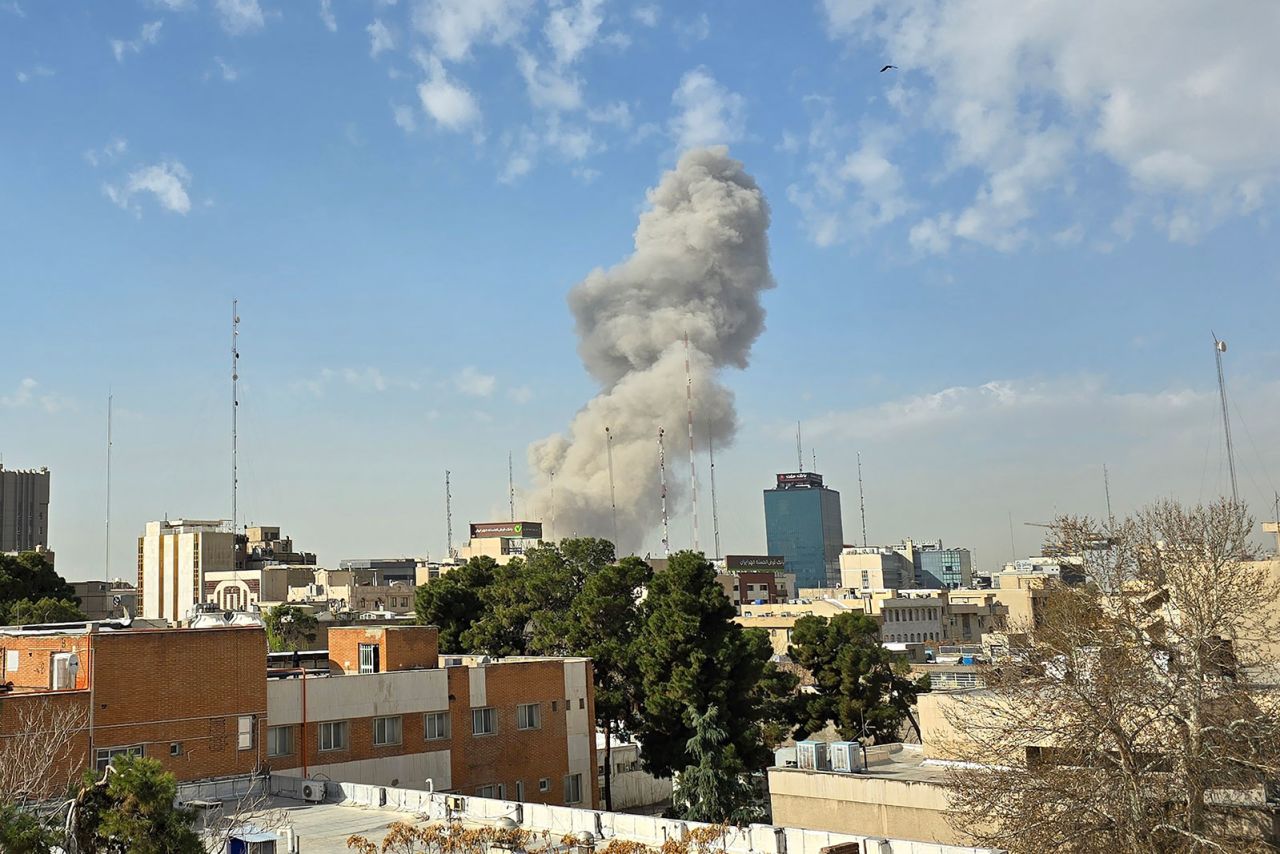
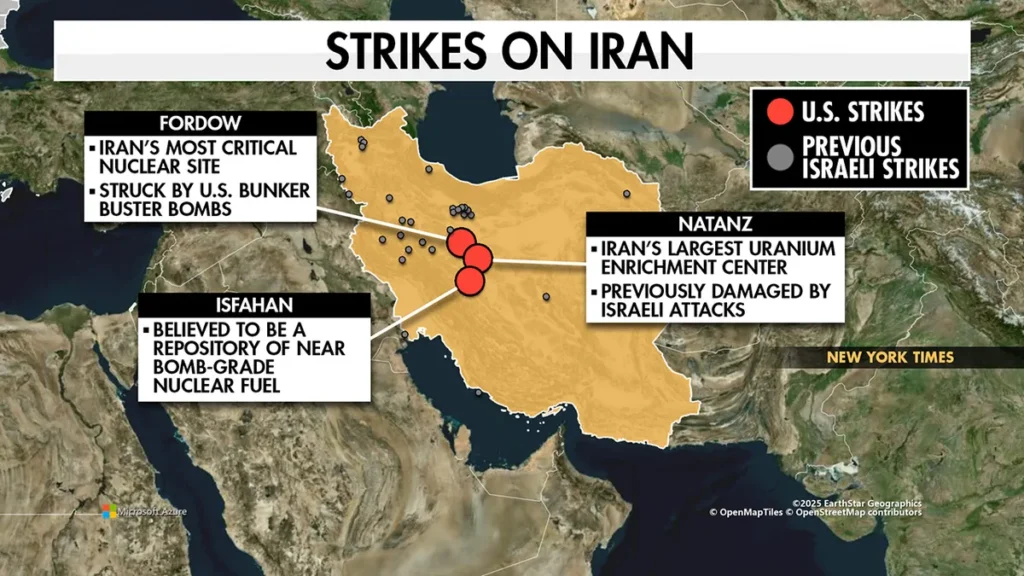
Israel and the United States have launched coordinated preemptive strikes against Iran, marking a dramatic escalation in Middle East tensions this weekend. Iranian cities, including Tehran, Isfahan, Karaj, and Qom, reported explosions as sirens wailed across the region — sparking fears of a wider confrontation. Officials in Jerusalem say the offensive aims to remove imminent threats posed by Iran’s nuclear and missile programs, while Washington’s involvement signals a deeper American commitment to regional security. This matters now because it dramatically alters the geopolitical balance and could trigger unprecedented retaliation.
Understanding the Preemptive Attack
Israeli Defense Minister Israel Katz confirmed that early Saturday morning, Israel initiated what leaders called a preemptive strike on Iranian territory, targeting military, government, and key strategic locations. Sirens blared across Israel as nationwide emergency protocols were activated. Simultaneously, explosions were heard in the Iranian capital, Tehran, as multiple missiles and guided munitions impacted their targets.
According to multiple verified reports, the United States also participated in the attack, with officials acknowledging that American forces struck targets inside Iran in coordination with the Israeli military. This combined offensive has been described as designed to disrupt explosive threats before they materialize, especially those related to Iran’s contested nuclear ambitions.
The Strategic Background Behind the Strikes
Tensions between Iran and Israel have simmered for years, driven largely by disputes over Tehran’s nuclear program and Iran’s long-range missile capabilities. In June 2025, earlier aerial escalations resulted in attacks on Iranian sites and reciprocal drone and missile launches that injured dozens in Israel. Those clashes foreshadowed the significant confrontation unfolding now.
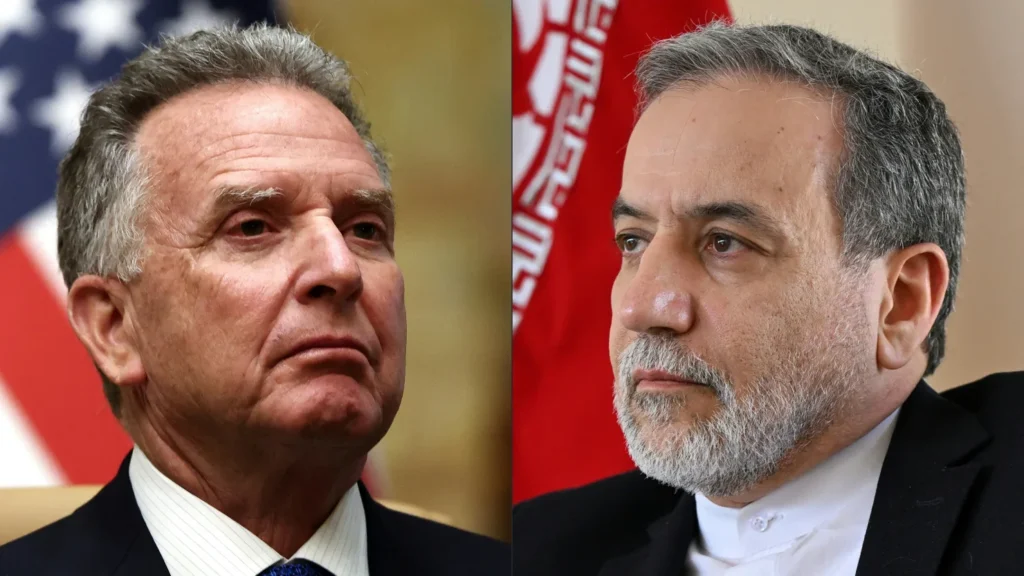
For weeks before the February 28 offensive, diplomatic negotiations between the United States and Iran showed signs of strain. US President Donald Trump publicly expressed frustration with stalled talks, emphasizing that he wanted a peaceful outcome but was prepared to resort to military action if necessary. As tensions escalated last week, Washington moved additional warships and military assets into Middle East waters — positioning for a potential strike.
Why This Matters Now: Geopolitical and Regional Impact
The joint Israeli-US strikes represent a major departure from previous Middle Eastern skirmishes, largely because both nations appear committed to preventive military action rather than awaiting future escalation. The implications are vast:
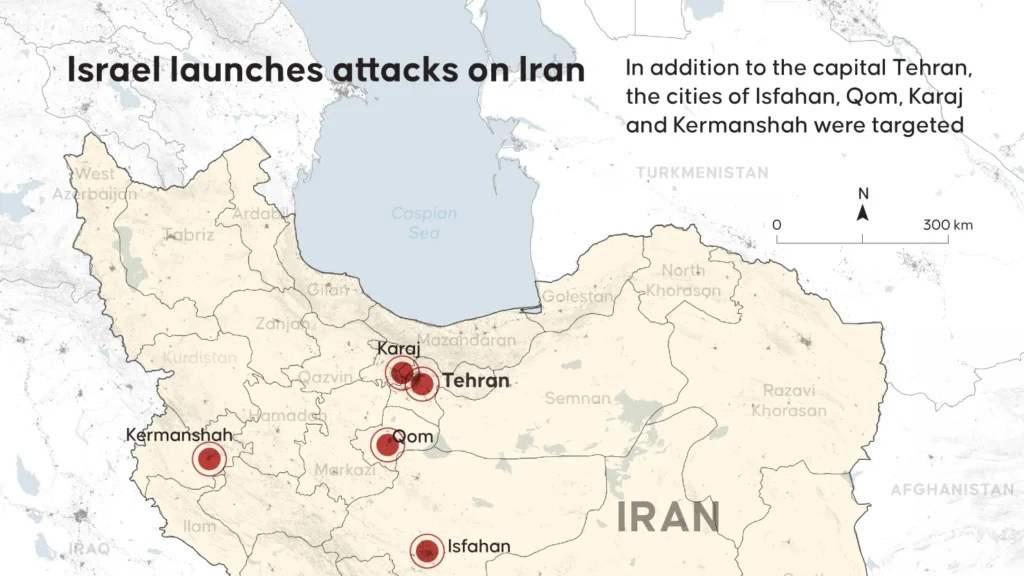
Regional Security Risks: Iran has already shut its own airspace and reportedly moved its Supreme Leader, Ayatollah Ali Khamenei, out of Tehran to a secure location amid fears of further attacks.
Global Political Fallout: Nations around the world are closely watching, and some neighboring states — including Iraq — have closed their airspace in response to the strikes.
Potential for Retaliation: Iranian officials have vowed that Tehran will respond forcefully to protect its sovereignty and military assets. The risk of extended conflict involving proxy militias and foreign alliances is now significantly elevated.
Experts warn that this could mark the beginning of a broader Middle Eastern confrontation — one that reshapes alliances, destabilizes energy markets, and affects global security frameworks.
Human Impact and Immediate Reactions
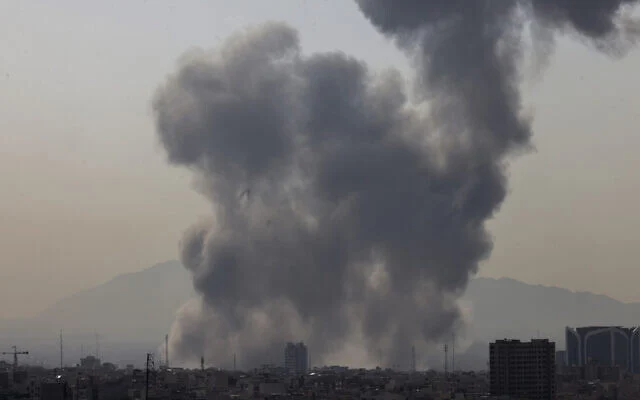
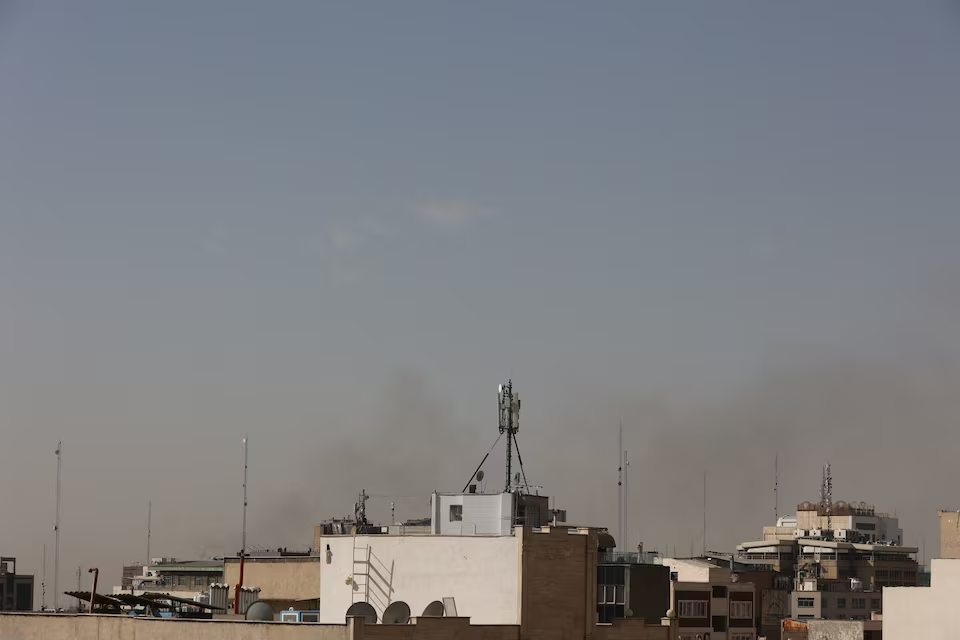
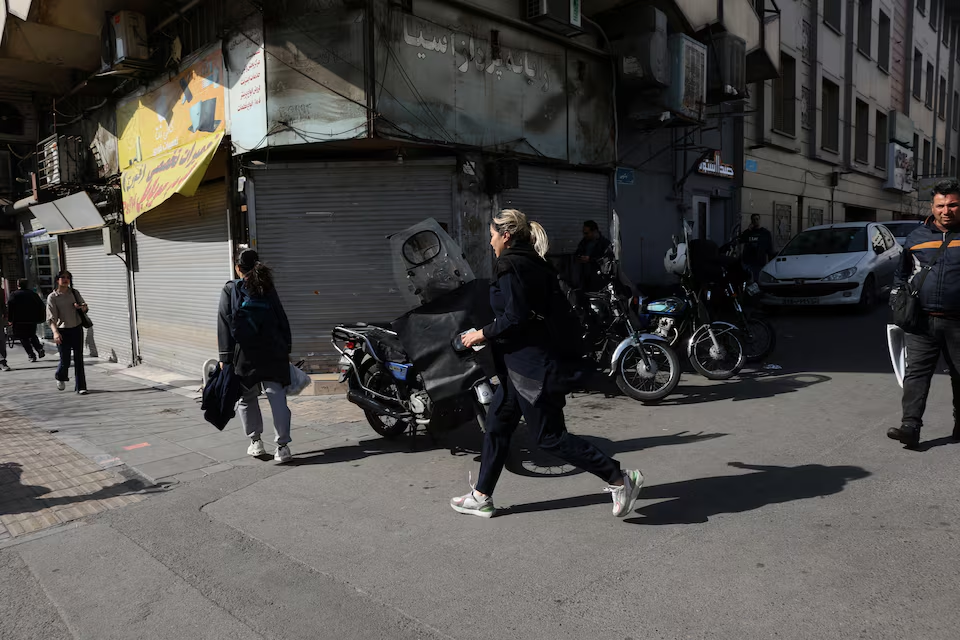
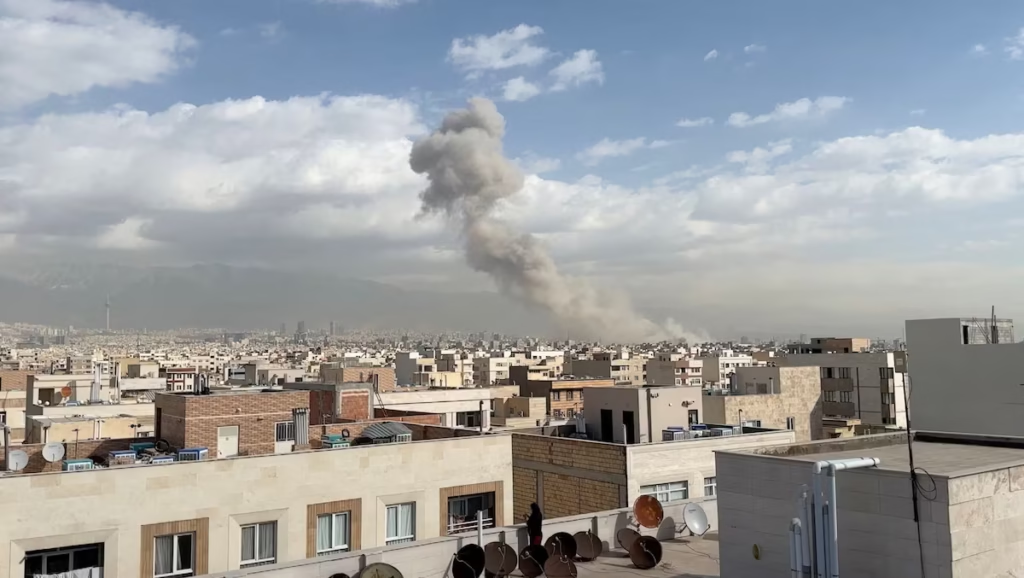
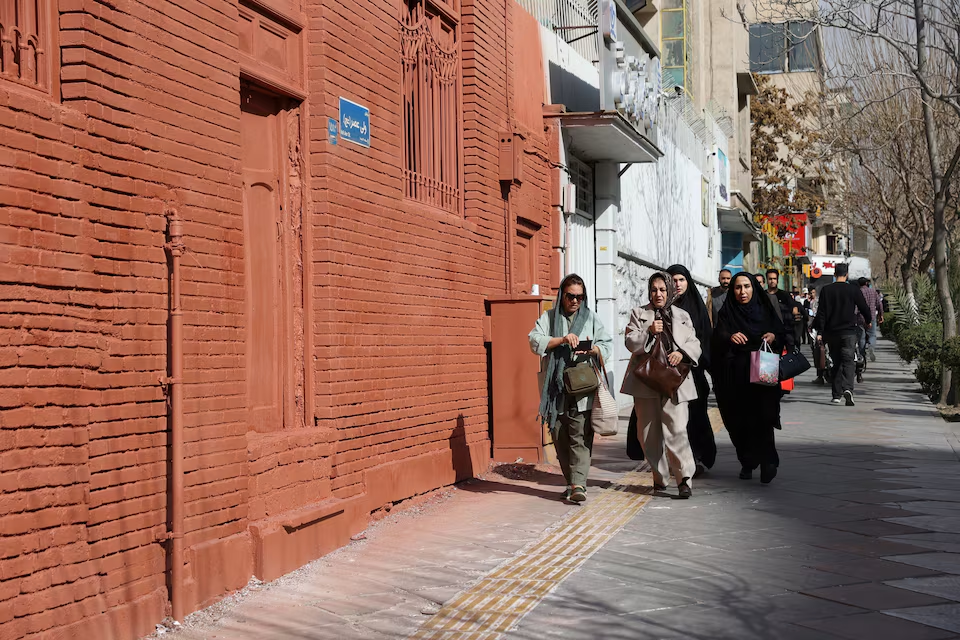
Although casualty figures remain unconfirmed, residents of Tehran and other major Iranian cities reported plumes of smoke and widespread chaos following the strikes. Israeli authorities have ordered public safety measures, including closures of schools, workspaces, and non-essential services, to prepare for possible Iranian counterattacks.
International responses are just beginning to take shape:
Some countries have called for emergency sessions at the United Nations to prevent further escalation.
Refugee and humanitarian agencies are already preparing for civilian displacement and crisis support.
Global markets have reacted with increased volatility, particularly in energy commodities.
Looking Ahead: What Comes Next
As of now, the situation remains fluid and evolving. Both Iran and the United States have refrained from detailed casualty reports, and global leaders are urging restraint while preparing for the possibility of a deeper conflict.
One thing is clear: this event will be studied for years as a defining moment in 21st-century geopolitics — one that could either depress tensions through diplomatic breakthroughs or spiral into broader confrontation.
Subscribe to trusted news sites like USnewsSphere.com for continuous updates.