UK Blocks Trump from Attacking Iran — What It Means for India and Diego Garcia
In a dramatic shift in global military diplomacy, the United Kingdom has refused former U.S. President Donald Trump’s request to use British military bases — including the crucial Indian Ocean installation at Diego Garcia — to launch strikes against Iran, a development that could ripple across world geopolitics and directly affect Indian strategic interests.
This unprecedented refusal by Prime Minister Keir Starmer’s government comes amid rising tensions between Washington and Tehran over nuclear negotiations and potential military confrontation. The decision marks a significant recalibration of UK-US military cooperation, raises questions about the effectiveness of alliances, and highlights India’s role in an increasingly complex security architecture in the Indo-Pacific.
What follows is an in-depth look at why this development matters, not just in Western capitals, but for South Asia and the global balance of power.
Why the UK Said “No” — Legal, Strategic, and Diplomatic Reasons
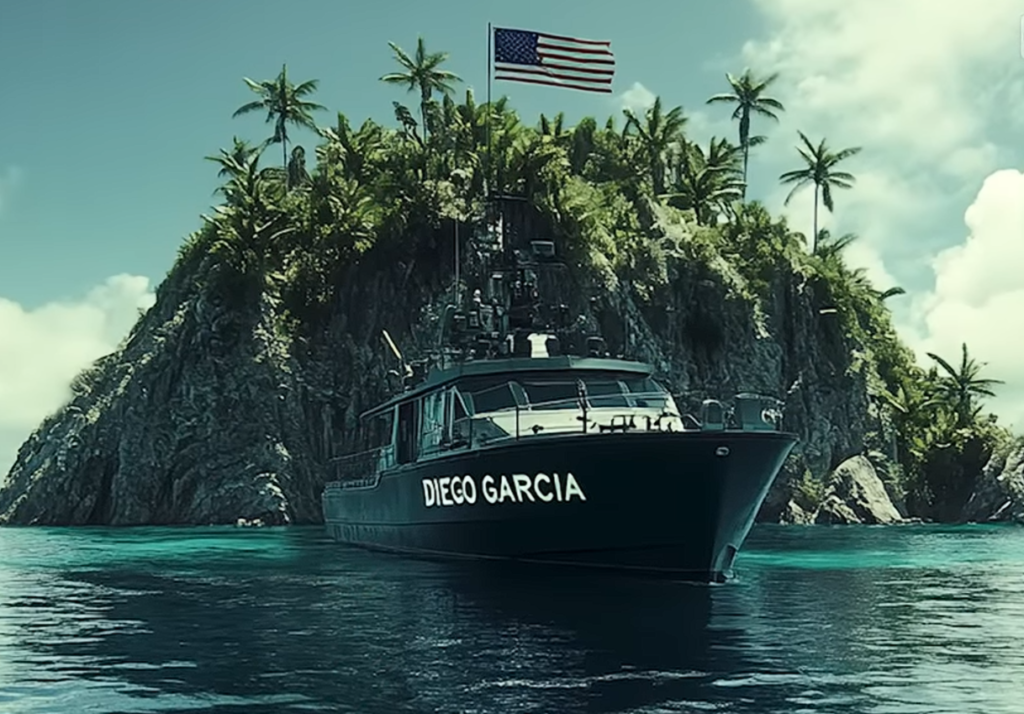
The UK’s decision to block access to its military assets for a possible U.S. attack against Iran did not come out of the blue. Multiple government sources indicate that Prime Minister Starmer’s administration was deeply concerned that permitting pre-emptive strikes from British soil and bases could violate international law and draw the UK into an unauthorised military action.
In public communication, UK officials cited:
- Legal concerns that unilateral bombardment would breach international norms unless authorised by the United Nations or parliament.
- Avoiding direct escalation in a conflict that could destabilise the Middle East further.
- Maintaining the UK’s strategic autonomy, even while remaining NATO’s closest partner.
These concerns extend to RAF bases in England, like RAF Fairford, as well as the joint UK-US base at Diego Garcia, which, under current treaties, requires formal UK clearance for offensive operations.
Starmer’s position underscores a rare moment where British strategic caution diverges from more assertive U.S. military planning, sharply redefining how allied military tools are leveraged in global conflicts.
The Trump Reaction — Escalation and U.S. Strategic Pushback
Former U.S. President Donald Trump’s reaction has been both vocal and highly critical. After the UK’s formal denial, Trump took to social media and diplomatic channels to admonish London, warning that withholding access to bases jeopardises Western security interests and weakens deterrence against Iran.
Trump called Starmer’s decision a “big mistake” and urged the UK not to cede control of strategic locations like the Chagos Islands, which include the Diego Garcia base. He reiterated that should Iran fail to reach a nuclear agreement, utilizations of bases like Diego Garcia would be essential for any pressure campaign to compel compliance.
The dispute has also spilled into ongoing debates over the Chagos Islands sovereignty deal, which had been negotiated between the UK and Mauritius and initially supported by the U.S. administration. Trump’s recent criticism signals potential shifts in that agreement, with broader implications for Indo-Pacific militarisation and alliance politics.
What Diego Garcia Really Means in Global Security
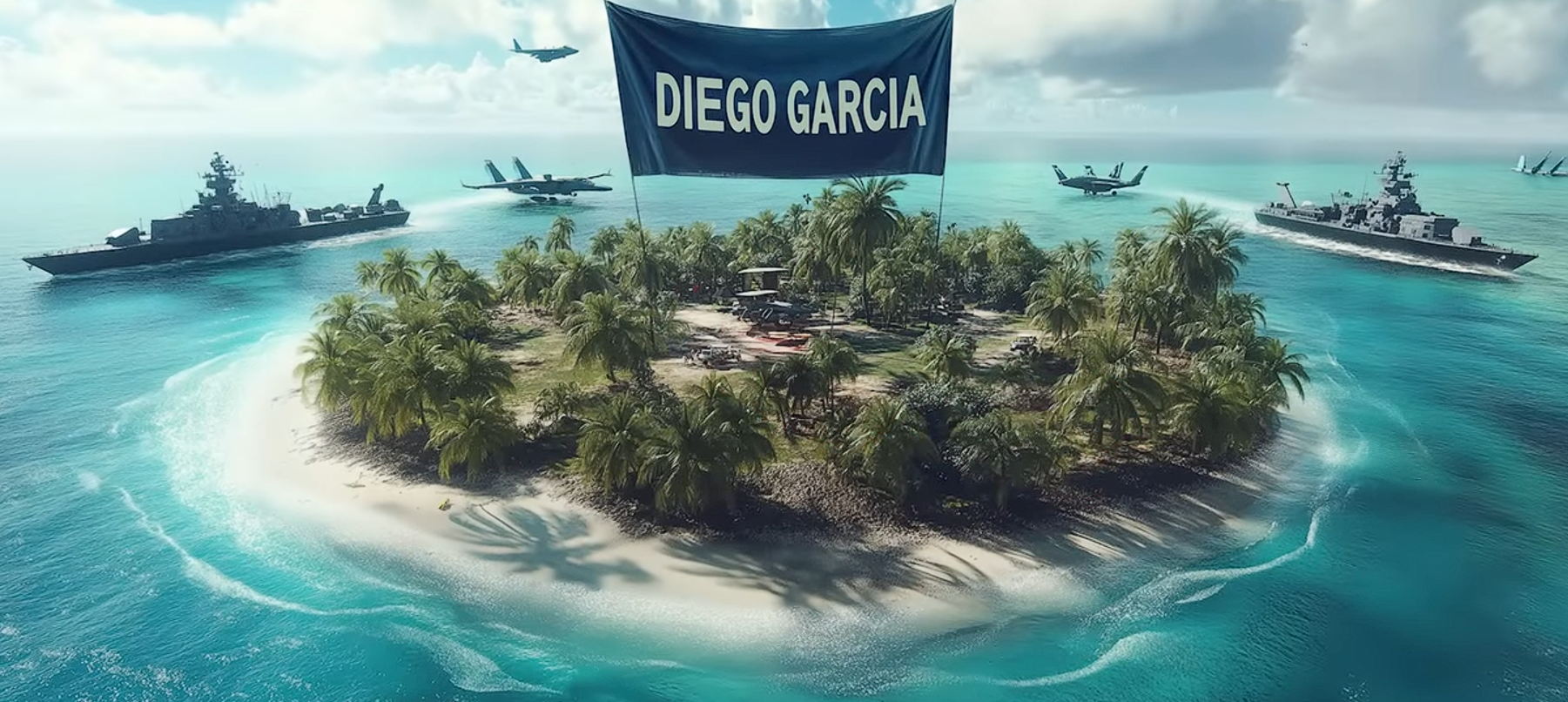
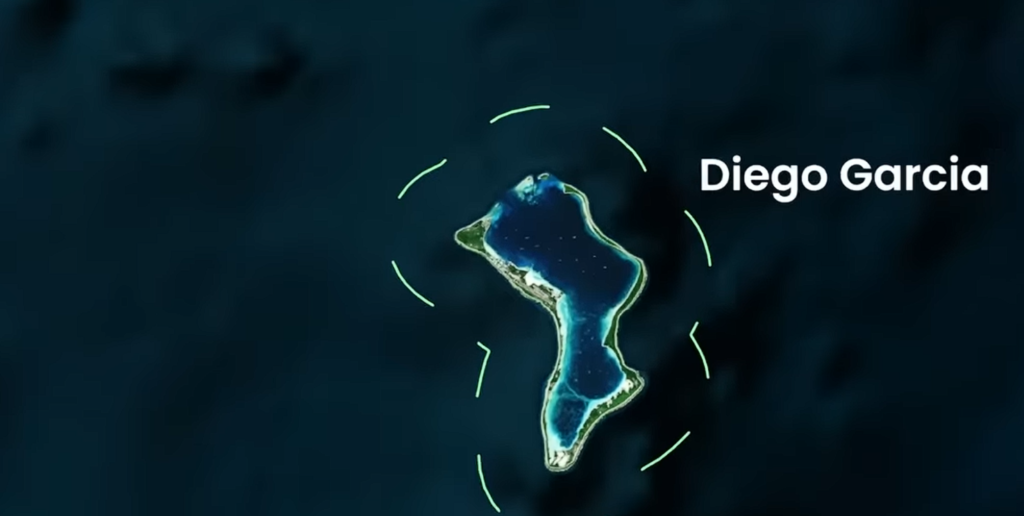
Diego Garcia — a remote atoll in the Indian Ocean — is far more than a dot on a map. It serves as one of the most strategically important military hubs in the world.
Under a 2025 treaty, the UK agreed to transfer sovereignty of the Chagos Archipelago to Mauritius, with Diego Garcia leased back to the UK (and thus accessible to the U.S.) for at least 99 years.
This arrangement enables:
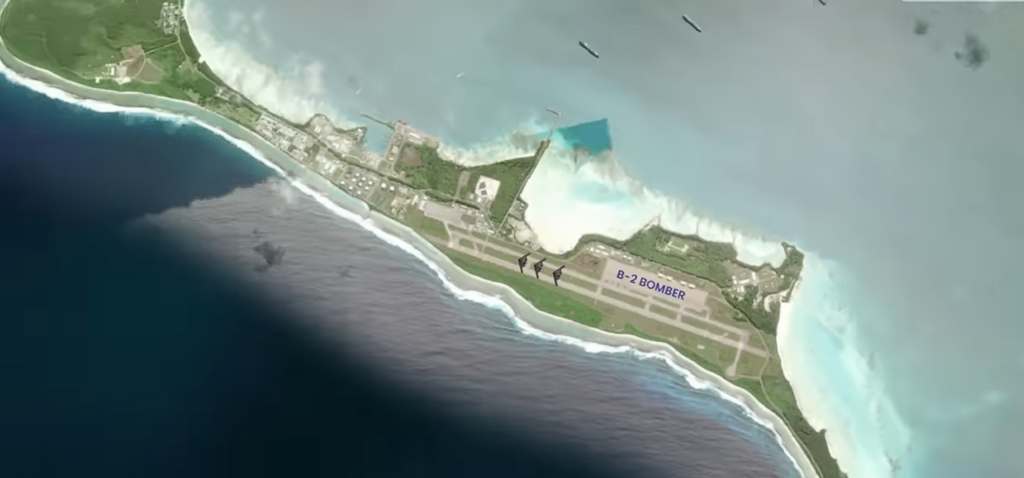
- U.S. and UK long-range bomber deployments for crises in the Middle East and Asia.
- Logistical support for humanitarian missions, as well as surveillance and rapid deployment forces.
- Projection of power across the Indian Ocean, which is an increasingly contested domain amid China’s Belt and Road Initiative and maritime competition.
Without unfettered access to Diego Garcia, U.S. planners would face significant hurdles in conducting rapid strikes against distant targets like Iran, requiring heavier reliance on carrier strike groups or bases further away, costing both time and lives.
Starmer’s block, therefore, has outsized consequences beyond Europe — it challenges how allied military logistics can be used in intense diplomaticrisk scenarios.
Impact on India — Strategic, Security, and Geopolitical Shifts
India’s strategic calculus is uniquely affected by this development, for three major reasons:
1. India’s Proximity and Regional Interests
India borders the Indian Ocean and has substantial interests in stability there. Any conflict involving Iran — whether a strike or retaliatory escalation — risks disrupting maritime trade routes that carry vital energy supplies and goods to Indian ports. Should global conflict erupt, India would need to reassess its naval posture to safeguard economic lifelines.
2. Relations with Iran and the U.S.
India has traditionally maintained balanced ties with both Iran and the United States:
- India has relied on Iranian facilities for connectivity projects.
- India cooperates with the U.S. on technology and defence frameworks as part of QUAD and bilateral strategic dialogues.
A rift between the U.S. and its allies over Iran potentially forces New Delhi to recalibrate its diplomatic posture to protect regional interests without alienating partners.
3. Security Architecture in the Indo-Pacific
With China’s growing footprint in the Indian Ocean — including military ties with Pakistan and port agreements in Gwadar and Hambantota — India watches all strategic shifts closely. The denial of base access to the U.S. signals that even long-standing alliances can change, prompting India to double down on its own defense planning and partnerships.
This also affects India’s future cooperation with Western security frameworks, including logistics support, intelligence sharing, and joint exercises.
Thus, the UK’s decision — while ostensibly about a British military base — touches Indian strategic horizons in profound ways.
The Iran Factor — Escalation, Deterrence, or Diplomacy?
Part of the reason for this entire controversy stems from Mounting Tensions Between the U.S. and Iran.
Iran recently warned that any foreign military action against it would be met with strong retaliation and that bases like Diego Garcia could be considered legitimate targets if attacked.
This intense rhetoric underscores the real danger, where any miscalculation could snowball into broader Middle Eastern and global conflict.
As a result, many diplomats, including UK Foreign Secretary Yvette Cooper, have publicly advocated for negotiations rather than military confrontation — emphasising that dialogue remains a more stable path forward.
This approach stands in stark contrast to military escalation pathways, illustrating a crucial divide in how global powers are choosing to respond to Iran’s nuclear ambitions and regional conduct.
Diplomatic Fallout — London, Washington, and Beyond
The immediate diplomatic fallout is already evident:
- UK Foreign Minister Yvette Cooper is scheduled to meet with U.S. Secretary of State Marco Rubio to ease tensions and coordinate future strategy.
- Trump’s criticism suggests strained U.S.-UK relations over defence cooperation — even with shared longstanding alliances, divergence on military decisions can create fractures.
- Other global players are watching closely, as this sets a precedent on how sovereign decisions interact with alliance obligations in times of crisis.
For countries around the world, especially in regions like South Asia and the Middle East, this episode reinforces that even powerful alliances must balance legal obligations, public opinion, and long-term strategic consequences.
A Turning Point or Temporary Blow?
Is the UK’s refusal a permanent shift in strategy or a temporary hurdle? The answer remains uncertain.
What matters now is how:
- Washington responds diplomatically — whether it seeks renewed dialogue with London, bypasses British assets through alternative theatres, or chooses de-escalation.
- Iran and regional actors react — particularly in deciding whether diplomacy or retaliation defines their next move.
- India and other partners adjust their strategic constellations, balancing interests with an evolving web of alliance commitments.
This episode is more than a military denial — it highlights how international relations are dynamic, interdependent, and sometimes unpredictable.
A New Era in Alliance Politics
The UK’s decision to block Donald Trump from using bases to potentially strike Iran signifies more than just a tactical refusal — it reveals changing global power dynamics.
From redefining alliance parameters to testing diplomatic boundaries and reshaping India’s strategic posture, this development illustrates a world where traditional military cooperation is weighed carefully against legal obligations, geopolitical risks, and long-term strategic interests.
It is an event that strategists, academics, and policymakers will analyse for years, not just for the headlines of the moment, but for understanding how alliances adapt — or fracture — under pressure.
As global tensions evolve, one thing is clear: decisions made in London, Washington, Tehran, and New Delhi will reverberate far beyond their capitals, shaping international security architecture in the decades ahead.
Subscribe to trusted news sites like USnewsSphere.com for continuous updates.