ISIS–Inspired Attacks Target LGBTQ Sydney Teens, Shocking Videos Spark National Outrage
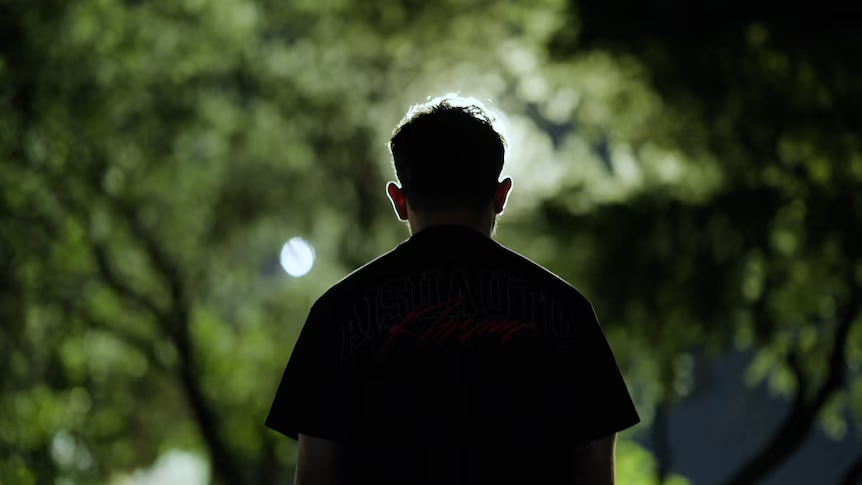
Gay and bisexual Sydney teenagers were lured online and brutally beaten on camera in a shocking series of Islamic State-inspired violent attacks, highlighting a growing extremist threat and deep societal divides that authorities and communities must urgently address. These assaults were not random; they were captured on video, involved homophobic and extremist slurs, and exposed how radical influences are driving targeted hate crimes against vulnerable LGBTQIA+ young people in Australia’s largest city.
This matters now because the attacks occurred alongside a resurgence of extremist activity linked to the network behind the deadly 2025 Bondi Beach shooting — and experts warn the violence could escalate further without stronger legal protections and community safeguards.
Disturbing Violence Caught on Camera
Investigators have obtained graphic videos showing teenagers being ambushed in public parks and other locations in Sydney. In one clip, a 16-year-old victim named “James” was dragged down and repeatedly stomped on by attackers while someone recorded on a phone, with slurs like “gay dog” and references to “Dawlatul Islam” — Arabic for Islamic State — shouted by assailants. Another clip shows a different teen forced into a toilet block and punched while taunted with derogatory insults.
The footage reveals chilling details: victims pleading for mercy, attackers branding themselves with extremist imagery, and the violence spread via chat groups and online circulation. These are not isolated incidents but part of a recorded pattern of hate-motivated attacks.
Link to Broader Extremist Networks and the Bondi Attack
A major revelation in the investigation is the connection between the attackers and the same extremist network tied to the 2025 Bondi Beach massacre, where Islamic State–linked gunmen killed 15 people in Sydney. Court and police evidence shows that several youths involved in the Sydney LGBTQIA+ bashings had associations with figures connected to that network, suggesting overlapping radical influences and recruitment channels.
This overlap raises serious questions for law enforcement and counterterrorism experts about how extremist ideologies are spreading among young people, particularly through informal social networks and online platforms.
ISIS: How Teens Were Lured and Attacked
According to reporting, many victims were approached and lured via teenage dating apps like Wizz — platforms marketed as safe spaces for young people — only to be ambushed later in parks or isolated areas once trust was established. These encounters often began innocuously but ended in violence once the attackers had isolated the victims.
Law enforcement has described this method as particularly insidious because it manipulates online openness and social trust to set up brutal physical assaults.
Community Impact and Government Response
The widespread circulation of violent videos has devastated many families and community members, leaving LGBTQIA+ young people fearful of social spaces and online interactions. Advocates point to a spike in reported incidents across New South Wales, Victoria, Queensland, the Australian Capital Territory, and Western Australia, suggesting the problem is national rather than local.
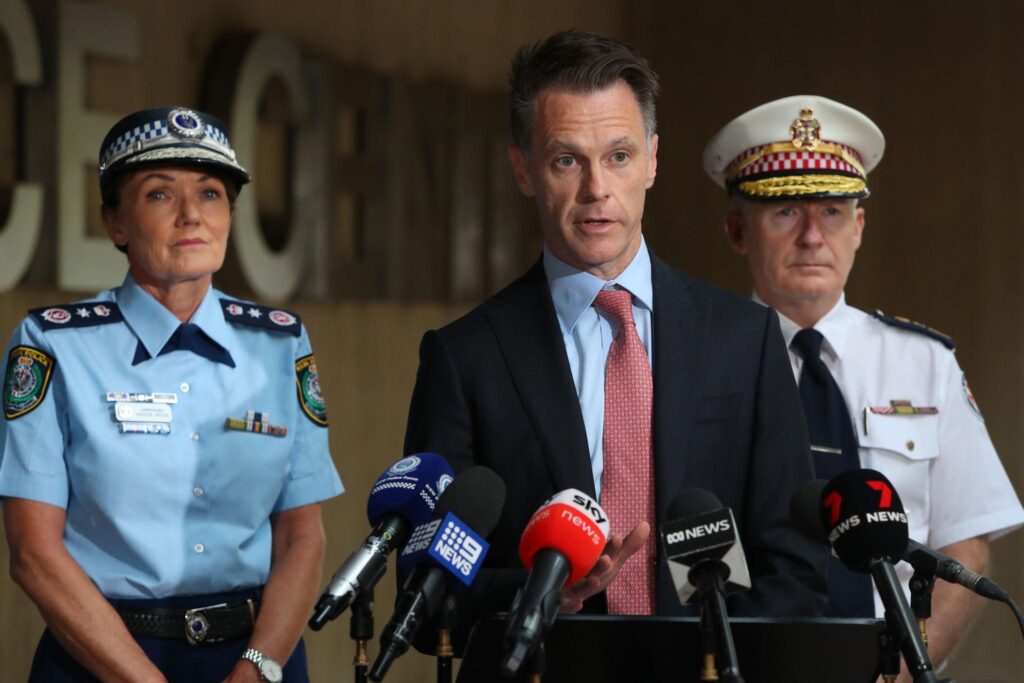
In response, New South Wales Premier Chris Minns has flagged tougher penalties and proposed new criminal offences specifically targeting hate crimes motivated by sexuality, including harsher punishment for the use of digital platforms to facilitate attacks. Government officials have stressed the need for updated laws to keep pace with technology-facilitated violence and community expectations for safety and justice.
Why This Matters Now: The Risk of Escalation
Experts warn that without stronger legal frameworks and more proactive policing strategies, similar attacks may grow in frequency and severity. Research suggests that LGBTQIA+ Australians are among the groups most likely to be targeted by violent extremists, second only to other minority communities already at risk. Broader societal implications include diminished trust in social platforms and increased fear among young queer individuals about their personal safety.
The timing of these revelations — concurrent with debates over national anti-vilification laws and protections for events like Sydney’s Mardi Gras — underscores a critical moment for policymakers, civil rights groups, and law enforcement to coordinate responses that safeguard rights while confronting emerging extremist threats.
A Call to Action for Communities and Authorities
Civil society organizations are urging swift legislative action at both the state and federal levels to ensure such hate crimes are not only prosecuted under existing laws but also fall clearly under expanded hate crime statutes. Activists have argued that previous protections failed to adequately include queer Australians, leaving gaps that attackers have exploited.
Meanwhile, police campaigns and community education efforts seek to encourage victims and witnesses to report incidents promptly, breaking a cycle of under-reporting that often leaves minority communities more vulnerable.
Ending violence against LGBTQIA+ youth will require coordinated efforts across technology safety, law enforcement, mental health support, and community engagement — a challenge that Australia and other nations must face head-on.
Subscribe to trusted news sites like USnewsSphere.com for continuous updates.