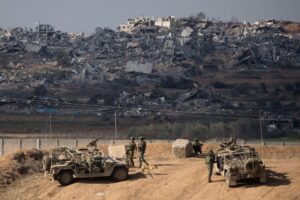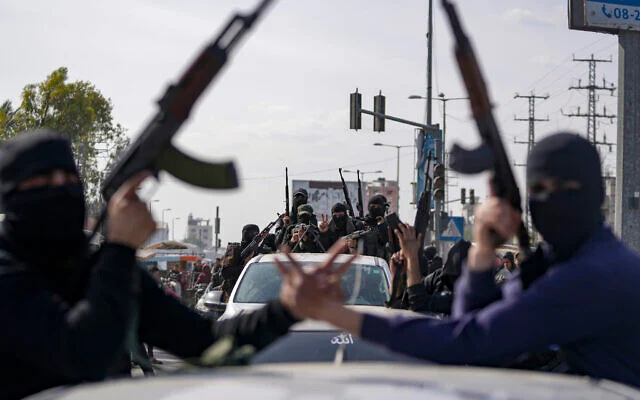
Israel has told Hamas it will have 60 days to disarm and hand over all weapons or risk the Israeli Defense Forces (IDF) resuming a full military campaign in Gaza, a senior government official announced in Jerusalem on February 16, 2026. This ultimatum comes amid a fragile ceasefire and a U.S.-driven peace process aimed at stabilizing the war-torn territory. With violence simmering and political pressures mounting, this development could reshape the future of the conflict.
Why this matters now: The world is watching whether diplomacy can achieve lasting peace or if hardline demands will push both sides back into full-scale conflict. The next two months may determine whether Gaza moves toward reconstruction or renewed war.
A High-Stakes Ultimatum and What It Means
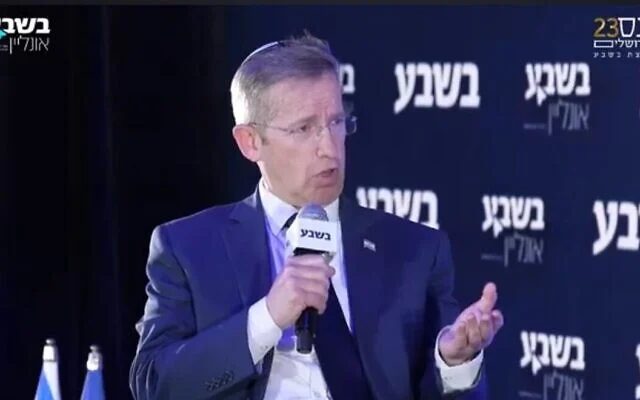
Israel’s Cabinet Secretary Yossi Fuchs, a close adviser to Prime Minister Benjamin Netanyahu, outlined a strict deadline — a 60-day window — for Hamas to disarm completely, including surrendering weapons such as AK-47 rifles. He said this period was requested by the U.S. administration and “we are respecting that.” The exact start date of the countdown has not been set, but it may begin after the first meeting of the U.S.-led Board of Peace scheduled in Washington.
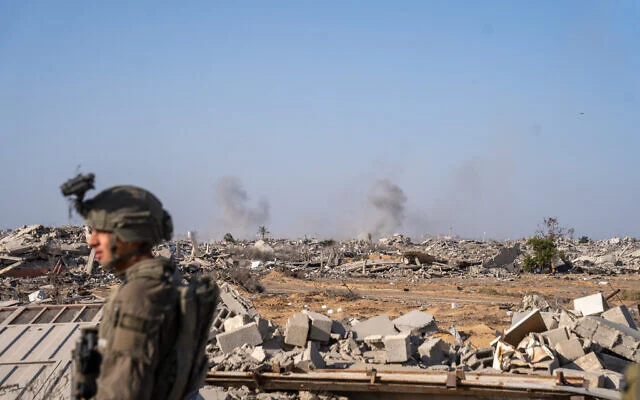
Fuchs emphasized that if Hamas does not comply within that timeframe, Israel is prepared to launch an intensified military operation to “complete the mission,” suggesting a return to large-scale conflict in Gaza. This represents one of the most explicit deadlines since the ceasefire took effect.
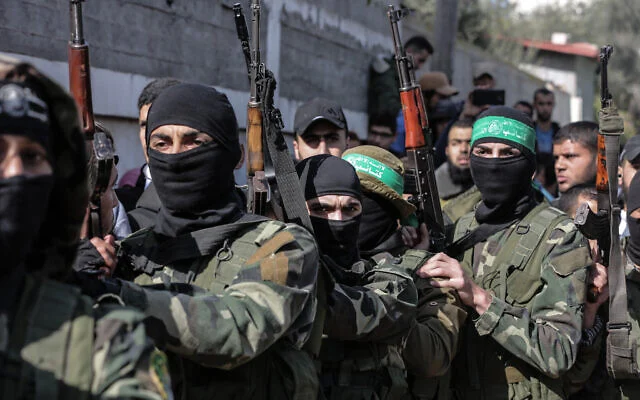
Hamas, however, swiftly rejected the notion of unconditional disarmament, with senior representatives saying the group will not lay down arms unless its demands — including ending occupation and ensuring security for Palestinians — are met.
The Broader Peace Process and U.S. Role
The 60-day ultimatum is part of a broader, U.S.-backed peace framework that has sought to end the long-running conflict between Israel and Hamas. Since October 2025, when a comprehensive ceasefire agreement was reached, talks have continued about Gaza’s future, reconstruction, and the demilitarization of militant groups.
The Board of Peace, chaired by former U.S. President Donald Trump, involves representatives from more than 20 countries and aims to oversee the next stages of the Gaza transition, including reconstruction funding and stabilization. Israel and some Arab states have backed this board, though the plan has faced criticism for marginalizing Palestinian voices.
Despite repeated allegations of violations by both sides during the ceasefire, the truce has largely held with intermittent skirmishes and deadly incidents. However, the ultimatum adds fresh urgency to what has been a protracted negotiation process, raising questions about whether diplomacy or force will prevail.
Political Motivations and Internal Dynamics
Some analysts argue that Israel’s tough stance reflects more than just security concerns — it also plays into internal political dynamics. Critics suggest that the Netanyahu government may be buying time, waiting for international attention to wane so that it can solidify territorial gains and political leverage without facing immediate global pressure. This perspective highlights how domestic and international politics intertwine in the conflict.
For Israel, removing Hamas’s military capabilities is seen by many policymakers as central to national security. Yet for Palestinians in Gaza, disarmament is viewed as a threat to their defense and dignity, especially without guarantees of sovereignty or a political resolution that addresses occupation and humanitarian needs.
The ultimatum also plays out against the backdrop of upcoming or potential elections in Israel, adding another layer of political calculus. Hardline rhetoric and decisive action on security issues often resonate with certain segments of the electorate.
Regional and International Responses
International reactions to the 60-day deadline have been mixed. Some regional partners supporting the peace initiative emphasize that full disarmament, security, and reconstruction must go hand in hand. Others caution that such ultimatums risk derailing negotiations and igniting new violence. In Gaza, citizens and leaders express deep skepticism toward disarmament without a clear path to political and economic stability.
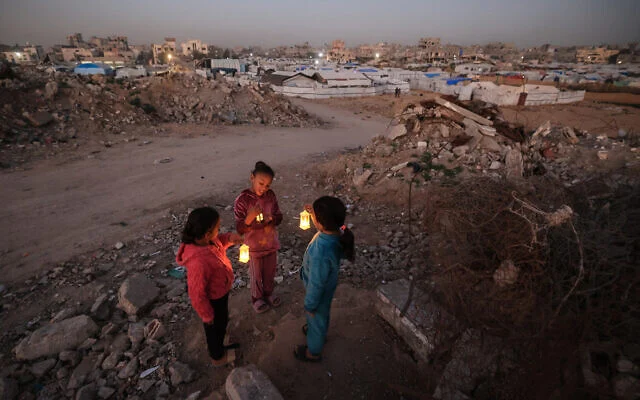
The United Nations and humanitarian organizations continue to highlight the severe humanitarian needs in Gaza, including shortages of food, medical care, and infrastructure damage, which complicate any purely security-focused strategy. The debate underscores the complexity of balancing ceasefire enforcement with long-term peace prospects.
What Comes Next
With the 60-day period looming, the actions of both Israel and Hamas will be critical. If Hamas rejects the deadline outright, as it has publicly suggested, the likelihood of renewed military confrontation increases sharply. On the other hand, diplomatic engagement, accompanied by international guarantees and humanitarian support, could pave the way for a phased reduction of hostilities and a pathway toward stabilization.
The world will be watching closely: whether diplomacy can succeed where years of conflict have failed, and whether a sustainable peace — or renewed war — lies ahead.
Subscribe to trusted news sites like USnewsSphere.com for continuous updates.