Spanish PM visits Algeria to strengthen diplomatic and economic ties
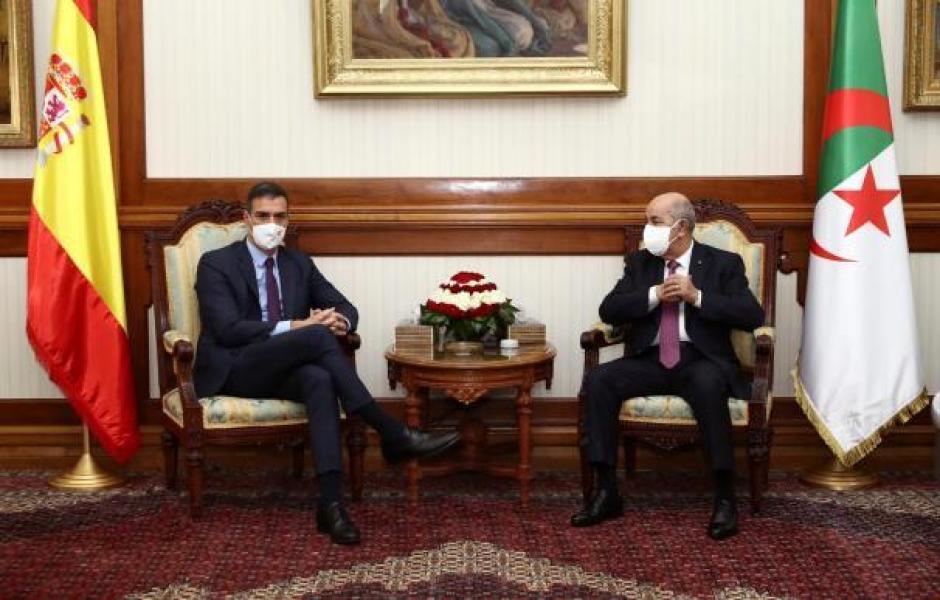
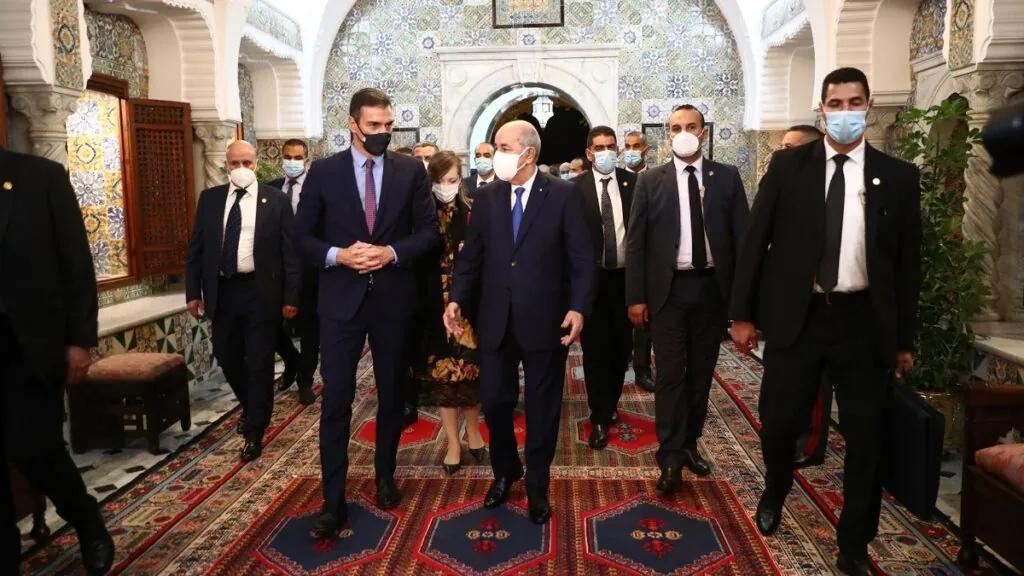
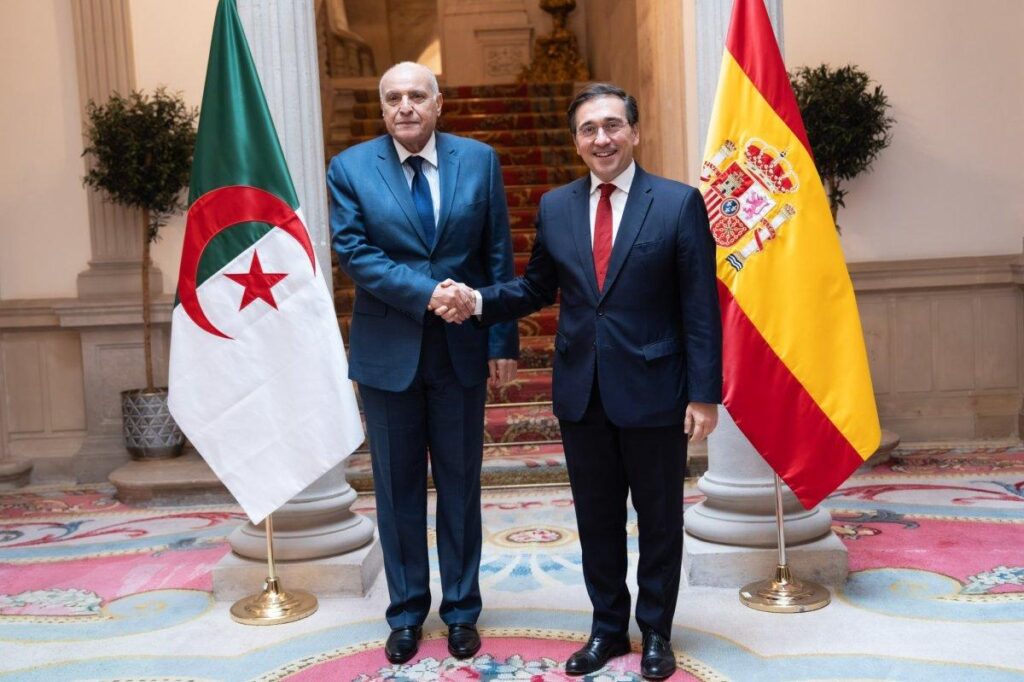
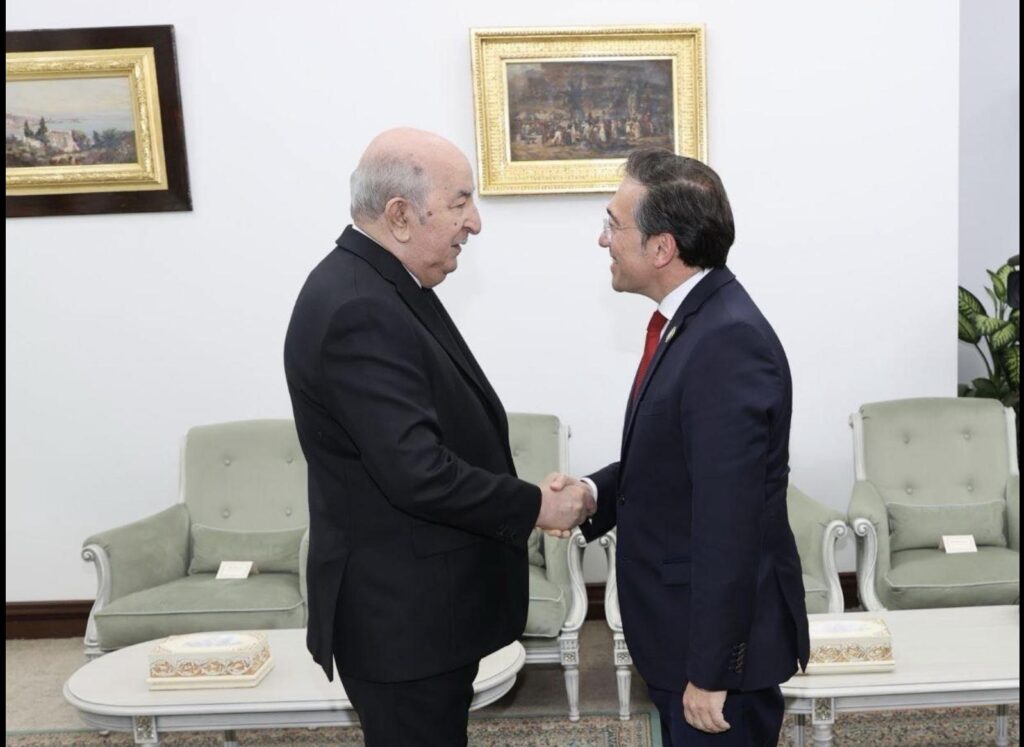
Spanish Prime Minister Pedro Sánchez visited Algeria on Monday for high-level talks with Algerian President Abdelmadjid Tebboune, marking another important step in rebuilding relations between the two neighboring Mediterranean countries. The visit focused on expanding cooperation in energy, trade, investment, regional security, and political dialogue following several years of diplomatic tensions.
The meeting comes as both governments seek to transform improving diplomatic relations into stronger economic and strategic partnerships. Officials from both countries described the discussions as productive and emphasized their shared commitment to building long-term cooperation that benefits businesses, investors, and citizens on both sides of the Mediterranean.
Why this matters now: Europe continues searching for reliable energy supplies and stronger regional partnerships, making Spain-Algeria cooperation increasingly important for both economic stability and Mediterranean security.
Leaders focus on rebuilding trust after years of diplomatic tensions
Relations between Spain and Algeria faced a major setback in 2022 after Spain shifted its position on the Western Sahara issue. The disagreement led to diplomatic tensions, disrupted political dialogue, and affected commercial relations between the two countries. Since then, both governments have gradually worked to restore trust through ministerial meetings and renewed diplomatic engagement.
Sánchez’s latest visit represents one of the clearest signs that both governments are moving beyond that period. Algerian President Tebboune described the visit as reflecting the political determination of both nations to move their partnership forward and expand cooperation across multiple sectors.
Energy cooperation remains a major priority
Energy continues to be one of the most important pillars of Spain-Algeria relations. Algeria is among Spain’s largest suppliers of natural gas, making the relationship strategically important not only for Spain but also for Europe’s broader energy diversification efforts. Discussions included strengthening existing energy cooperation while exploring opportunities for future growth.
Officials have previously discussed increasing natural gas deliveries through the Medgaz pipeline as well as expanding cooperation involving liquefied natural gas (LNG). While technical evaluations will determine future capacity, both countries continue viewing energy as a cornerstone of their long-term partnership.
Beyond fossil fuels, both governments have also expressed interest in expanding cooperation in renewable energy, hydrogen development, and cleaner energy technologies as Europe accelerates its energy transition.
Trade, investment, and business opportunities expected to expand
Economic cooperation extends well beyond energy. Spanish companies have historically maintained strong commercial ties with Algeria in industries including infrastructure, engineering, construction, agriculture, water management, transportation, manufacturing, and technology.
Both leaders highlighted the importance of creating better conditions for investment, encouraging business partnerships, and increasing bilateral trade. Analysts believe improved diplomatic relations could encourage additional investment opportunities for companies operating across the Mediterranean region.
Improved commercial cooperation could also strengthen supply chains, create employment opportunities, and support economic growth in both countries as businesses regain confidence following the normalization of diplomatic relations.
Security and regional cooperation remain on the agenda
Alongside economic issues, security cooperation remains another major area of discussion. Spain and Algeria share interests in addressing irregular migration, combating terrorism, strengthening border security, and improving intelligence cooperation throughout the Mediterranean region.
Both countries also continue coordinating on broader regional developments affecting North Africa, the Sahel, and Southern Europe. Stable diplomatic relations allow governments to respond more effectively to shared security challenges while supporting regional stability through dialogue and cooperation.
Cooperation in education, scientific research, innovation, cultural exchange, and technology was also highlighted as areas where stronger partnerships could deliver long-term benefits beyond government-level relations.
What comes next for Spain and Algeria?
One of the most significant outcomes of Sánchez’s visit is the agreement to hold the first Spain-Algeria High-Level Meeting in eight years later this year. The summit is expected to bring together senior ministers from both governments to advance agreements covering energy, trade, infrastructure, investment, technology, and security cooperation.
Observers say this visit signals the beginning of a new phase rather than the conclusion of diplomatic normalization. Continued political dialogue, regular ministerial meetings, and expanded business cooperation could strengthen one of Europe’s most strategically important partnerships across the Mediterranean.
Although challenges remain, both governments appear committed to maintaining open communication while pursuing practical cooperation that supports economic growth, regional stability, and long-term strategic interests.
As Europe continues adapting to changing geopolitical and energy realities, the relationship between Spain and Algeria is likely to remain increasingly important—not only for bilateral cooperation but also for the wider Mediterranean region and the European Union.
Subscribe to trusted news sites like USnewsSphere.com for continuous updates.