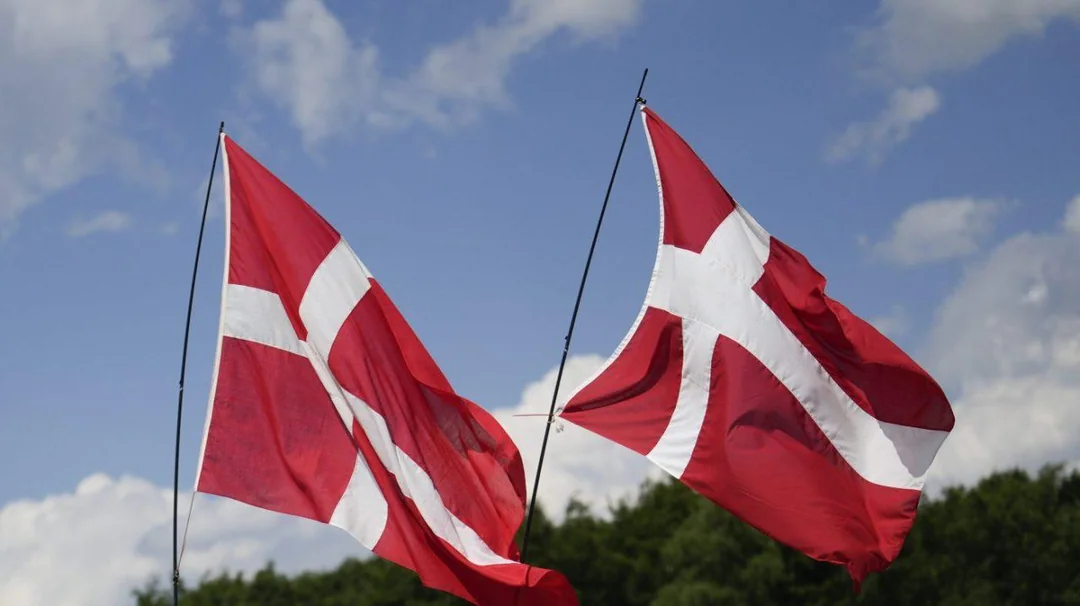
In an escalation that’s rattling global trade and alliances, Denmark and its European partners have forcefully rejected U.S. President Donald Trump’s threats to impose tariffs unless Greenland is handed over to the United States, a self-governing territory of the Kingdom of Denmark — and they made it clear they will never sell it. This matters now because the dispute has triggered coordinated European opposition, sparked large protests, and threatens to destabilize decades of NATO cooperation amid fears of economic coercion and geopolitical tension.
The controversy centers on Trump’s vow to levy tariffs starting at 10% on imports from Denmark and seven other European nations — rising to 25% by June — unless an agreement is struck that would allow the U.S. to acquire Greenland. European leaders, including Denmark’s prime minister and France’s president, have condemned the move as unacceptable and coercive, while diplomats warn it could weaken transatlantic relations and broader global stability.
A Sharp Breakdown With a Long-Standing Ally
Denmark, one of America’s closest partners in both NATO and international affairs, has responded to the tariff threats with firm resistance. Copenhagen’s government insists that Greenland is not for sale and that any decision regarding its future must be made by its people. Denmark’s foreign minister said that coercive threats “strengthen our resolve” rather than sway it, underscoring the diplomatic rupture with Washington.
Across Europe, leaders have rallied around Denmark’s position. French President Emmanuel Macron publicly called the tariff threats “unacceptable,” highlighting that no amount of pressure will influence sovereign decisions from Paris to Nuuk. In the UK, Prime Minister Keir Starmer echoed this stance, describing the tariffs as “completely wrong” and detrimental to allied cooperation.
Greenland’s Own Voice: “Not for Sale”
At the core of the crisis is Greenland’s identity as a semi-autonomous territory with its own political will. Thousands of Greenlanders have taken to the streets to protest perceived foreign interference, with demonstrators carrying banners telling the U.S. to “keep hands off” their land. Rejecting external control has become a profound symbol of self-determination.
Political sentiment on the island strongly favors autonomy or eventual full independence, and polls show a vast majority of residents oppose U.S. annexation. Denmark’s prime minister and Greenland’s leaders reiterated a shared belief that Greenland’s future should be decided by Greenlanders themselves — not Washington.
Why This Matters Now: NATO, Trade, and Global Stability
The tariff dispute has arrived at a sensitive moment. With the Arctic’s strategic importance rising due to climate change, natural resources, and military positioning, Greenland has become a key piece in geopolitical rivalries involving Russia, China, and Western alliances. Trump has framed his moves as necessary for national security, but European governments see the tariff ultimatum as economic coercion that undercuts trusted alliance networks.
The European Union has vowed to respond in a coordinated way and may use its own trade defense mechanisms to counter what it sees as unfair economic threats. There is also concern that these tensions could stall or derail broader U.S.–EU trade talks previously in progress, creating wider implications for global commerce and diplomacy.
Domestic U.S. Opposition and Internal Debate
The controversy isn’t confined to international capitals. Back in the United States, some lawmakers from both parties have criticized Trump’s approach, warning that treating allied nations with tariff threats could do long-term damage to trusted partnerships and harm American interests. Several U.S. legislators visited Copenhagen recently, affirming that most Americans do not support a forced acquisition of Greenland and urging diplomatic engagement rather than coercion.
The debate also touches on legal and constitutional limits: Congress plays a key role in trade policy, and critics have questioned whether unilateral tariff threats tied to territorial demands fall within presidential authority. These internal disagreements deepen the uncertainty surrounding U.S. actions and their ramifications.
The Big Picture: What Comes Next
As Europe’s unified rejection of tariff coercion grows stronger, diplomatic pressure will intensify to find a peaceful and legal resolution that honors international law, alliance commitments, and the will of Greenland’s population. The situation is not just about trade — it’s about trust among allies, the future of Arctic geopolitics, and the balance of power in a tense global landscape.
Scholars and strategists warn that mishandling the dispute could create lasting rifts in NATO and weaken Western cohesion at a time when cooperation on security, energy, and technology is critically important. Factor in Greenland’s resource potential and strategic location, and it’s clear why this confrontation has rapidly escalated beyond a simple disagreement.
Subscribe to trusted news sites like USnewsSphere.com for continuous updates.