France Aircraft Carrier Move Toward Hormuz Signals Rising Tensions
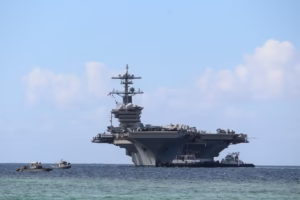
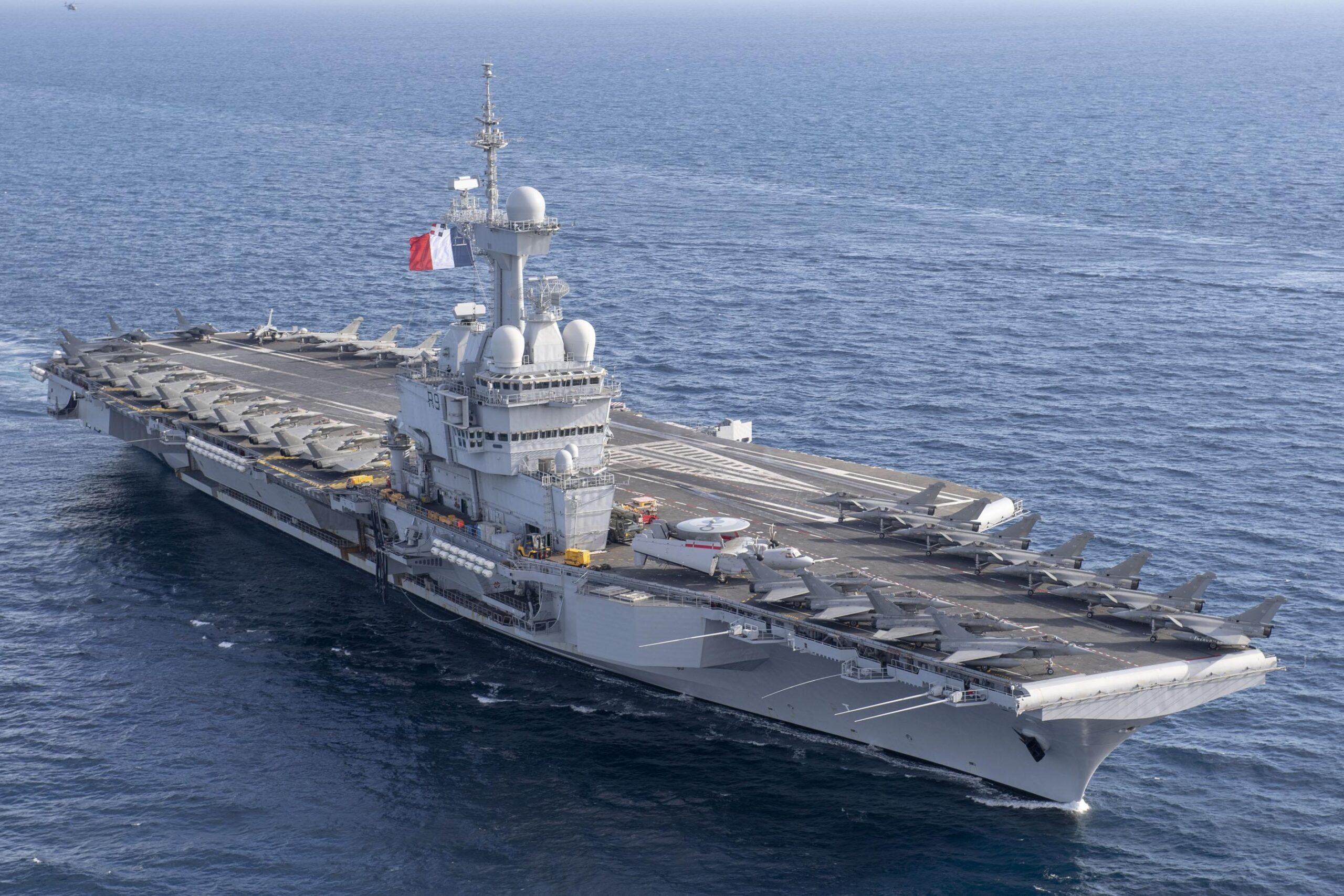
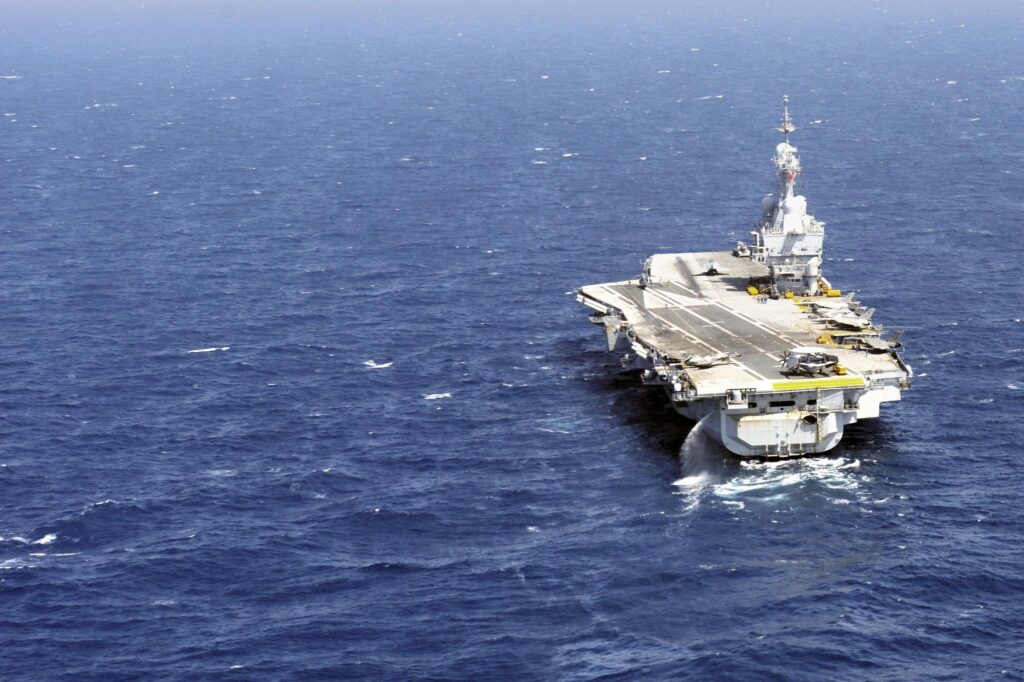
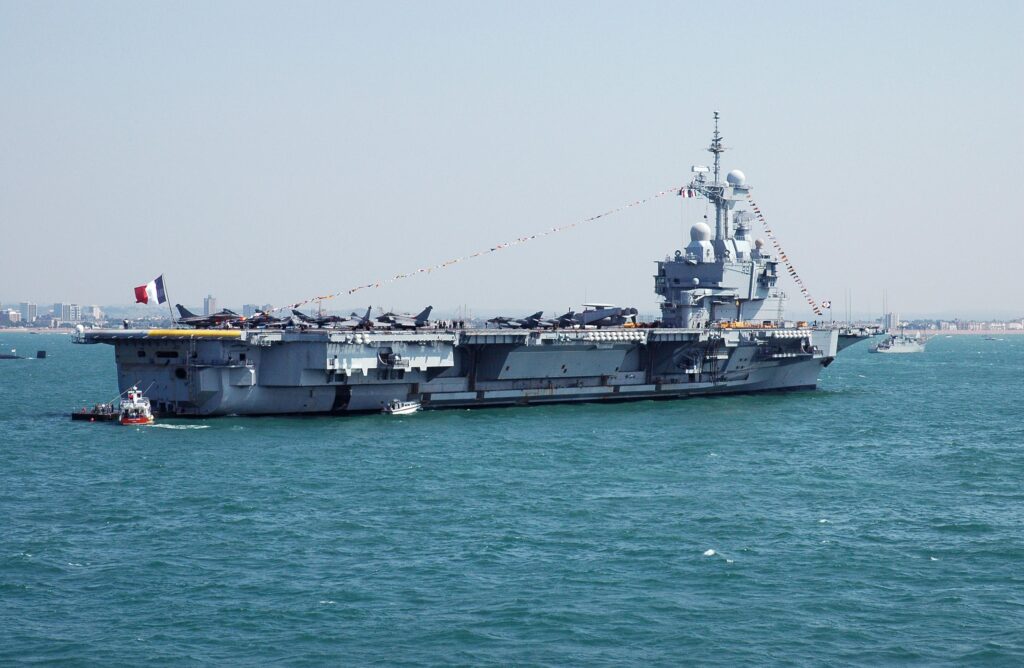
France’s aircraft carrier deployment toward the Strait of Hormuz is raising global security concerns as tensions in the region intensify. Reports indicate that France has repositioned its nuclear-powered naval asset closer to one of the world’s most critical oil routes. This move comes amid growing instability linked to regional conflicts and increased military activity.
The situation matters immediately because nearly 20% of the world’s oil supply passes through this narrow waterway. Any escalation could disrupt global energy markets, push oil prices higher, and impact economies worldwide—especially in the USA and Europe.
Why France Is Deploying Its Carrier Now
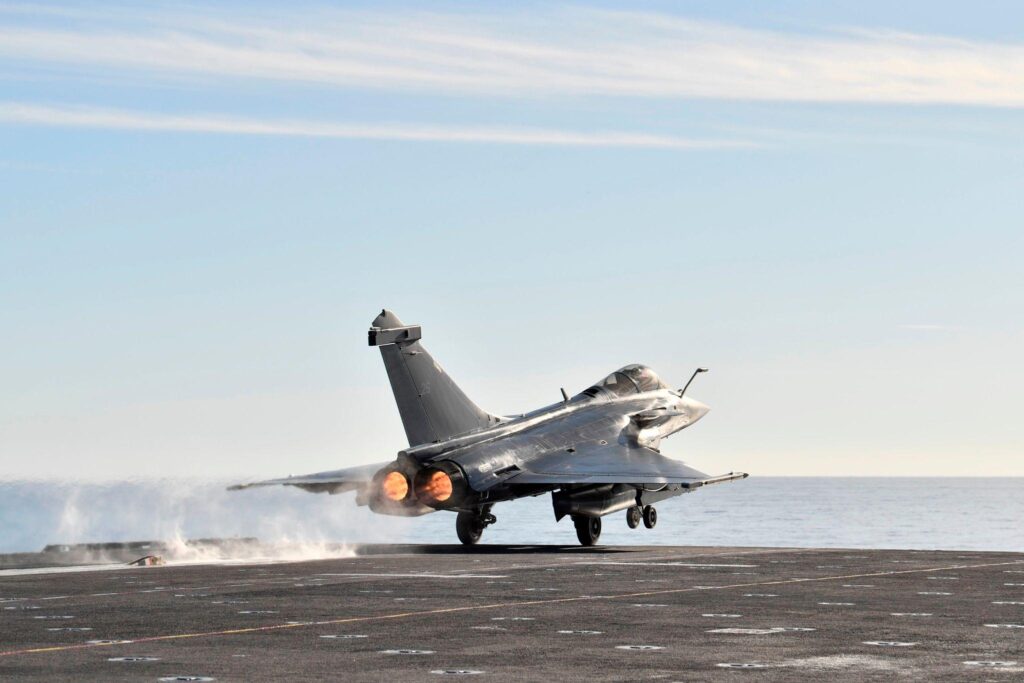
France’s decision is not random—it reflects a strategic response to rising geopolitical risks. The Middle East has seen increased military activity, including threats to shipping lanes and concerns about attacks on commercial vessels.
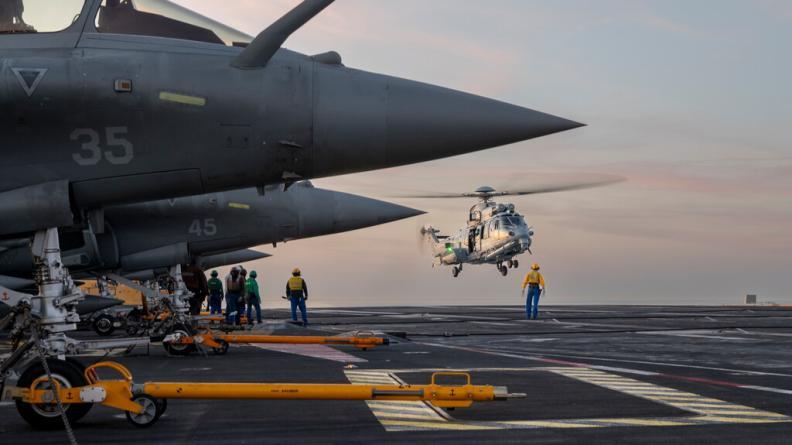
France aims to ensure freedom of navigation and protect international trade routes. The deployment of a nuclear-powered carrier allows rapid response, surveillance, and deterrence. This kind of positioning sends a clear signal: France is ready to protect its interests and support allies in maintaining stability.
Additionally, France has long maintained a military presence in the region. This move strengthens its role as a key security player alongside NATO partners and Western allies.
Why the Strait of Hormuz Is So Critical
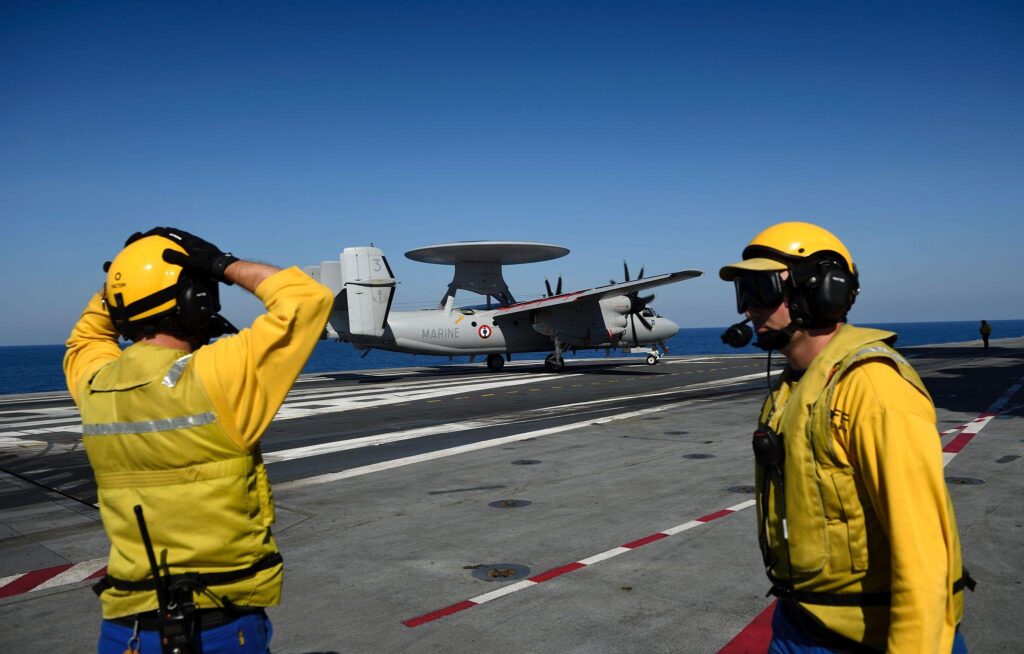
The Strait of Hormuz is one of the most strategically important waterways in the world. It connects the Persian Gulf to global shipping routes, making it essential for oil exports from countries like Saudi Arabia, Iraq, and the UAE.
Around 17–20 million barrels of oil pass through the strait daily, according to global energy estimates. Even minor disruptions can send shockwaves through global markets. That’s why military presence in the region often increases during times of tension.
If the strait were blocked or threatened, oil prices could spike rapidly, affecting fuel costs, inflation, and economic stability worldwide.
What This Means for Global Security and Trade
France’s carrier deployment is a clear sign that global powers are preparing for potential escalation. Increased naval presence often indicates concern over possible conflict or disruption.
For global trade, the risks are significant. Shipping companies may face higher insurance costs, delays, or rerouted shipments. This could slow down supply chains, affecting industries from energy to manufacturing.
For the United States and Europe, maintaining stability in this region is essential. Any disruption directly impacts fuel prices, logistics costs, and overall economic confidence.
Impact on Oil Prices and Financial Markets
Markets react quickly to geopolitical tensions, especially those involving energy supply routes. Even the announcement of military movements near the Strait of Hormuz can trigger volatility.
Oil prices tend to rise when risks increase. Investors anticipate potential supply disruptions, leading to higher demand for oil futures. This affects everything from gasoline prices in the USA to production costs globally.
Financial markets also respond with caution. Stocks in transportation, logistics, and energy sectors may fluctuate as uncertainty grows. Traders closely watch these developments for short-term and long-term signals.
Why This Matters Now
This development is happening at a time when global tensions are already elevated. Conflicts, economic uncertainty, and energy security concerns are all interconnected.
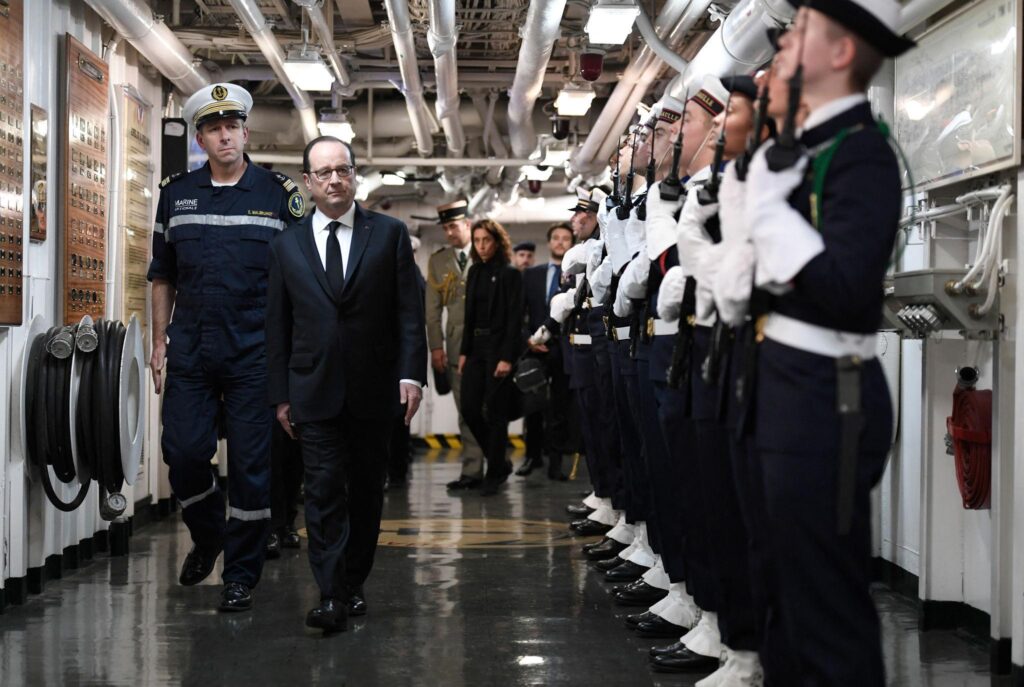
The deployment of a nuclear-powered carrier adds a new layer of seriousness. It suggests that major powers are preparing for worst-case scenarios, even if conflict is not immediate.
For everyday people, the impact may be indirect but real—higher fuel prices, increased costs of goods, and potential economic instability.
What Could Happen Next
Several outcomes are possible. The presence of military forces could stabilize the region by deterring aggressive actions. On the other hand, it could also increase tensions if miscalculations occur.
Diplomatic efforts will likely continue behind the scenes. Global leaders understand the importance of keeping the Strait of Hormuz open and secure.
Monitoring the situation closely is essential. Any further escalation, naval incidents, or disruptions could quickly change the global economic landscape.
Subscribe to trusted news sites like USnewsSphere.com for continuous updates.