Report Says Iran Protest Death Toll Reaches 12,000 in What Critics Call a Systematic Massacre
Since late December 2025, Iran has been gripped by the most intense nationwide protests in years, starting as demonstrations over economic collapse and swelling into broader demands for political change. New opposition reports are now claiming that the death toll from the government crackdown may exceed 12,000 people, an assertion that — if verified — would make this the deadliest internal repression in Iran’s modern history, dwarfing all previous estimates.
The staggering figure stems from an investigation by prominent Iranian opposition media operating outside the country, which says it collected data from cemeteries, forensic centers, and eyewitness accounts inside Iran. These claims, although not independently verified due to the Iranian government’s strict blackout of internet and communications, have rapidly spread globally and sparked intense international concern.
Origins of the Uprising: From Economic Crisis to Systemic Dissent
What began in Iran in late December 2025 as protests against soaring inflation, the collapse of the national currency, and crippling shortages quickly evolved into widespread political dissent. Citizens in all 31 provinces took to the streets, expressing not only economic frustration but also explicit calls for regime change.
The government’s response was swift and harsh. Security forces, including the Islamic Revolutionary Guard Corps (IRGC) and Basij militia, deployed live ammunition against demonstrators in cities from Tehran to Shiraz. Hospitals became overwhelmed with injured citizens, and the authorities shut down internet and phone networks across the country to limit the flow of information.
The Disputed Death Toll: 2,000 to 12,000 and Counting
Official statements from Iranian authorities acknowledge a significantly lower death toll, confirming approximately 2,000 killed, including security forces and protesters, and framing the violence as a result of foreign-backed “terrorists” rather than systemic repression.
However, opposition outlets such as Iran International have reported that the true number of fatalities may surpass 12,000, based on covert on-the-ground investigations and data acquisition from closed cities during the communication blackout. These outlets say the killings occurred largely over two consecutive nights in early January 2026, and argue the crackdown was orchestrated from the highest levels of Iran’s leadership.
Independent rights groups and nonprofits, including the Human Rights Activists News Agency (HRANA), provide significantly lower but still alarming figures — estimating hundreds to a few thousand deaths, while acknowledging that many more could be undocumented due to the communication shutdown.
Iran Protest: Human Rights Violations and On-the-Ground Accounts
Human rights organizations, including Amnesty International and Human Rights Watch, have condemned the Iranian crackdown, documenting the unlawful use of live fire, beatings, and mass arbitrary detentions. Their reports note that security forces have used rifles, shotguns, tear gas, and physical force against largely peaceful demonstrations, resulting in numerous civilian deaths and injuries.
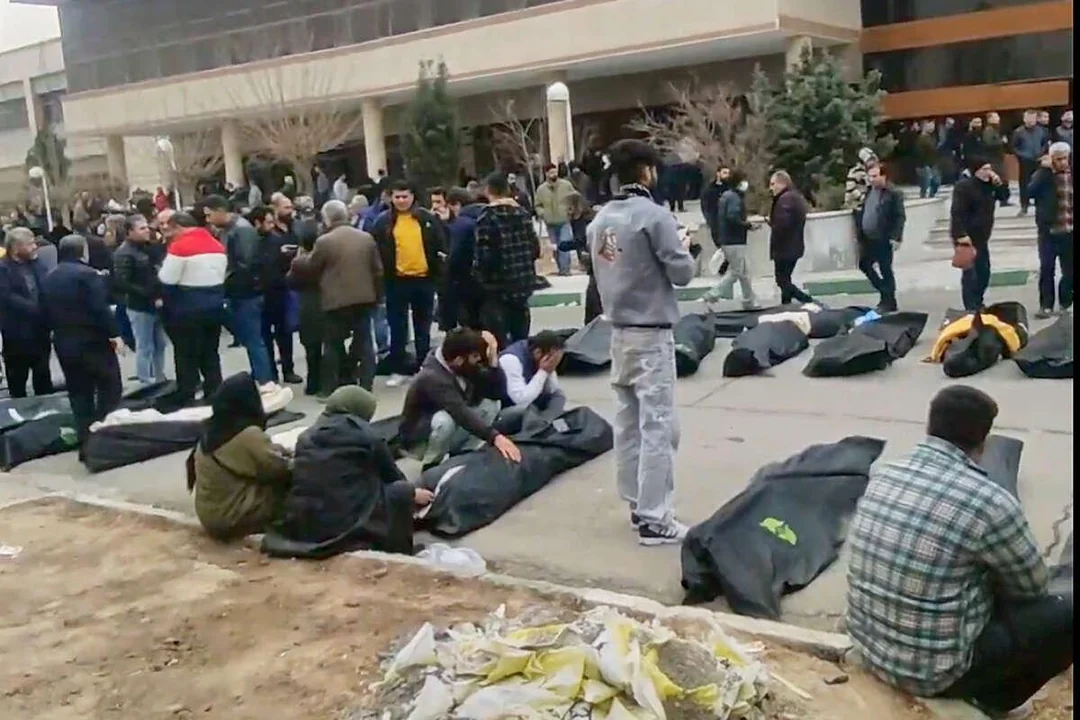
Eyewitness accounts collected before and after the internet blackout describe chaotic scenes, including funerals that turned into rallies, families pressured by authorities over cause-of-death narratives, and widespread fear among citizens attempting to communicate the situation beyond Iran’s borders. Videos shared on social media — though fragmented due to the blackout — depict bodies being removed from streets and hospitals, crowds chanting anti-government slogans, and clashes continuing in neighborhoods long after official curfews.
International Reaction and Escalating Tensions
The global response to the crisis has been intense. Western governments and human rights advocates have denounced the violence and urged Iran to respect fundamental freedoms. Some international voices have even suggested sanctions or diplomatic pressure, while others call for an immediate end to the use of lethal force against civilians.
At the same time, Iranian officials have deflected criticism, blaming the unrest on foreign interference and labelling protesters as extremists. High-ranking government spokespersons have warned against external involvement and have threatened broader military preparedness should other nations take aggressive actions against Tehran.
This mixture of domestic suppression and international posturing has deepened geopolitical stakes, with analysts warning that Iran’s internal crisis could reverberate well beyond its borders, affecting energy markets, regional alliances, and global diplomatic efforts.
What This Means for Iran’s Future and the Road Ahead
Experts and observers see the 2025–2026 protests as a potential inflection point for Iran — a moment where economic desperation fused with longstanding resentment toward an entrenched theocratic leadership. Whether the unrest continues to escalate, leads to systemic reform, or triggers an even harsher state response remains uncertain.
At the heart of this upheaval are ordinary Iranians who have endured years of hardship, from deepening inflation and unemployment to pervasive government crackdowns on dissent. The international community continues to monitor the situation closely, while analysts warn that incomplete data and restricted reporting from inside Iran make it difficult to fully grasp the scope of the crisis — particularly the true human cost.
A Nation at a Crossroads
The protests sweeping Iran represent one of the most significant public challenges to the country’s leadership in decades. Conflicting reports about the death toll — ranging from thousands acknowledged by official figures to upwards of 12,000 claimed by opposition sources — underscore both the intensity of the crackdown and the challenges facing those seeking transparency. As Iran continues to grapple with economic distress and mounting public discontent, the world watches a country at a crossroads between reform, repression, and potential transformation.
Subscribe to trusted news sites like USnewsSphere.com for continuous updates.