Peter Thiel’s Honduras Project: Neocolonial Ambition and Its Global Impact
Peter Thiel’s controversial charter city project in Honduras is being framed as a modern neocolonial billionaire fantasy with deep economic and political ramifications for the country’s sovereignty and everyday Hondurans.
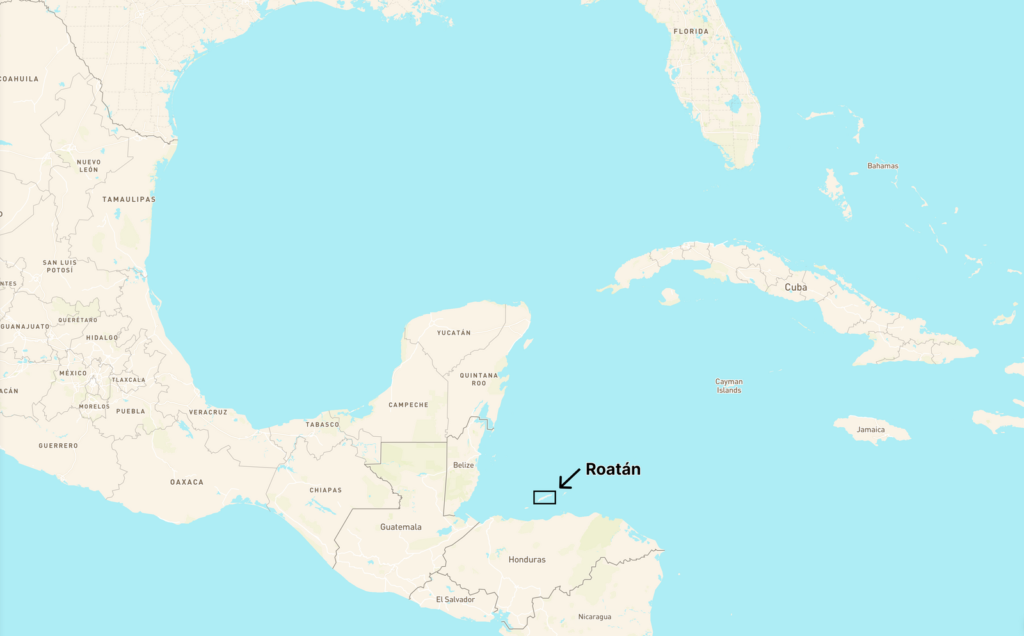
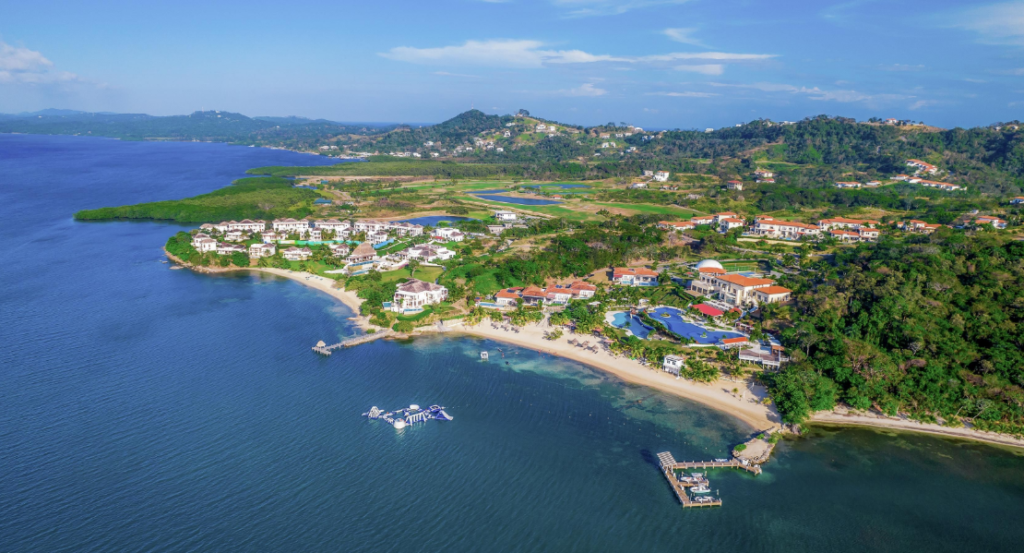
The project at the heart of this debate is Próspera, an experimental charter city on Roatán Island backed by top tech financiers, including Peter Thiel through firms like Pronomos Capital and Coinbase Ventures. Próspera and similar ventures aim to carve out semi-autonomous zones with their own government structures, legal systems, and tax regimes that are largely independent of Honduran law. Critics argue this model effectively undermines local sovereignty and reintroduces colonial-style control under the guise of innovation and economic development, making this a pressing international story.
Corporate City or Sovereignty Threat? Inside Próspera’s Vision
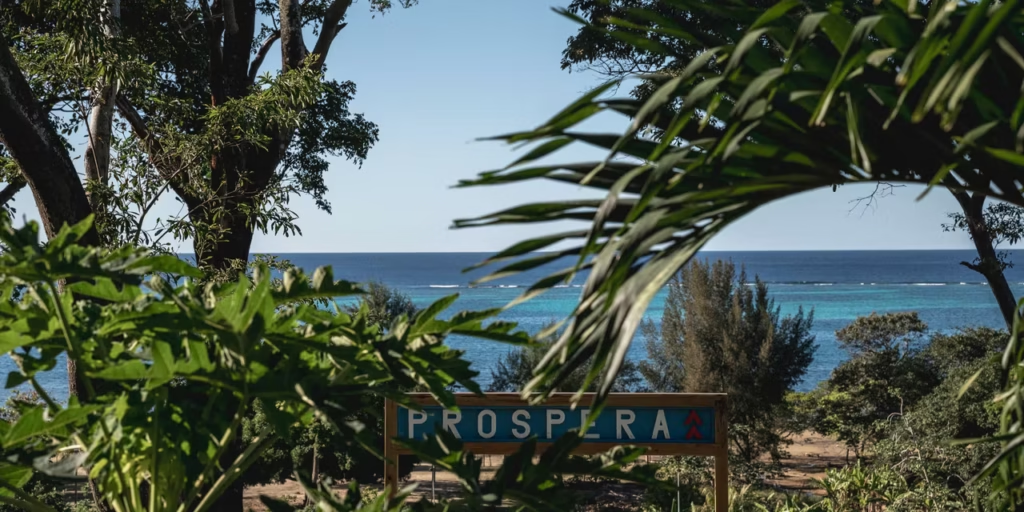
At first glance, Próspera markets itself as a forward-looking economic zone designed to attract global investment through low taxes, deregulated business environments, and modern infrastructure. For investors, this represents an opportunity to experiment with libertarian governance and technological integration in a controlled environment. Major backers like Peter Thiel see it as a blueprint for future cities where market forces can drive innovation without bureaucratic constraints.
However, local residents and critics paint a very different picture. They argue that Próspera’s legal autonomy removes accountability to Honduran institutions and citizens, leading to fears over land rights, environmental control, and equitable access to resources. These concerns are rooted in historical patterns where external powers have controlled territory and wealth at the expense of local populations. This clash highlights the ongoing tension between global capital ambitions and grassroots needs for democratic governance and social equity.
Why This Matters Now: Neocolonial Debate in the 21st Century
This story matters now because it reflects a broader trend where wealthy investors test models of private governance that skirt established state systems. In a global moment of rising inequality and political instability, the growth of semi-autonomous zones like Próspera raises urgent questions: Who benefits? Who is excluded? And critically, what happens when powerful individuals create jurisdictions that effectively operate beyond national law? These questions resonate far beyond Honduras, touching on global debates about democracy, imperial influence, and economic fairness.
Moreover, the Honduran government’s attempt to reassert control over these zones — including legal challenges and constitutional rulings against charter cities — underscores the evolving conflict between national sovereignty and private enterprise. These legal battles also influence how international investment treaties are viewed and may reshape future global governance norms.
The Economic Gamble: Investors and Local Realities
Supporters of Próspera emphasize potential economic benefits — jobs, foreign capital, and technological growth — that could theoretically help stimulate a stagnant economy. Companies operating within the zone could innovate in finance, biotech, and logistics without the heavy burden of traditional regulations. For tech leaders, this creates a laboratory for next-generation economic models that might later be exported worldwide.
Yet, economic data and local testimony suggest a stark contrast between promise and lived reality. Many Hondurans living near these charter zones report minimal improvements in infrastructure or services, while the majority of profits flow back to corporate investors. Meanwhile, nearby communities contend with environmental and resource challenges without the benefits promised by development proponents. This imbalance fuels criticism that Próspera, rather than uplifting local populations, mainly enriches foreign investors — exactly the pattern its critics label as neocolonial.
Political Power and Global Influence of Tech Elites
Peter Thiel represents just one among a cohort of tech financiers exploring similar ventures worldwide. From attempts at freedom cities in Greenland to private-run zones across Asia, there’s a growing interest among ultra-wealthy elites in establishing new forms of governance tailored to private capital interests. This trend speaks to broader anxieties about traditional state power, taxation, and regulation in an increasingly fragmented global economy.
This movement’s implications extend to international diplomacy and development policy. If successful, charter cities could alter how countries negotiate investment, labor standards, and human rights protections. Small nations with limited leverage might find themselves pressured to cede control in exchange for foreign capital, potentially creating new forms of dependency reminiscent of historical colonialism.
The Honduran Response and Broader Takeaways
Honduras has not accepted these developments passively. The national government and its Supreme Court have taken steps to limit or dismantle charter zone privileges, arguing that such arrangements are unconstitutional and threaten the nation’s legal integrity. These actions reflect a broader pushback against external influence and highlight the importance of preserving national sovereignty in an era of powerful global capital flows.
For global audiences, the Próspera case resonates as a cautionary tale about balancing innovation with ethical governance. It emphasizes that economic development must be inclusive and accountable to local populations, not just attractive to international investors. By grounding the debate in real economic, political, and human impacts, this story offers a deeper understanding of how modern power dynamics play out in communities around the world.
Subscribe to trusted news sites like USnewsSphere.com for continuous updates.