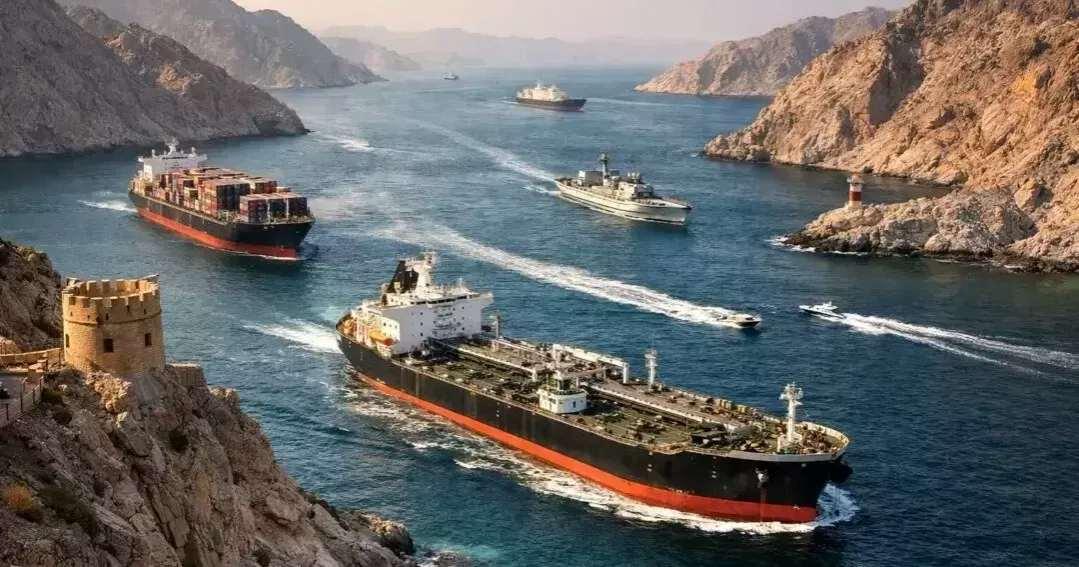
Donald Trump accuses Iran of attacking Indian ships, a charge that has quickly escalated tensions in an already fragile Middle East security environment. The allegation comes as concerns grow over maritime safety in the Strait of Hormuz, one of the world’s most important energy and trade routes. Iran has strongly denied the accusation, calling it baseless and politically motivated. The dispute has drawn international attention because Indian crew members were reportedly involved in recent incidents near the Gulf region. The situation matters now because any disruption in the Strait of Hormuz could affect global oil supplies, shipping costs, and international trade routes that are critical to economies across Asia, Europe, and North America.
Who Is Involved and What Happened?
The latest controversy centers on statements made by U.S. President Donald Trump, who publicly accused Iran of carrying out or supporting drone-related attacks against vessels linked to Indian interests near the Strait of Hormuz. Trump described the reported attacks as unacceptable and warned that regional security threats could not be ignored. According to multiple reports, the comments followed incidents involving ships carrying Indian crew members operating in waters near Oman and the Gulf region.
Iran responded swiftly through official channels, rejecting the accusation and stating that there was no evidence supporting the claim. Iranian representatives argued that the allegations were intended to shift attention away from other regional developments and insisted that Tehran was not responsible for attacks on Indian-linked vessels. The sharp exchange highlights the continuing lack of trust between Washington and Tehran.
Why the Strait of Hormuz Matters to the World
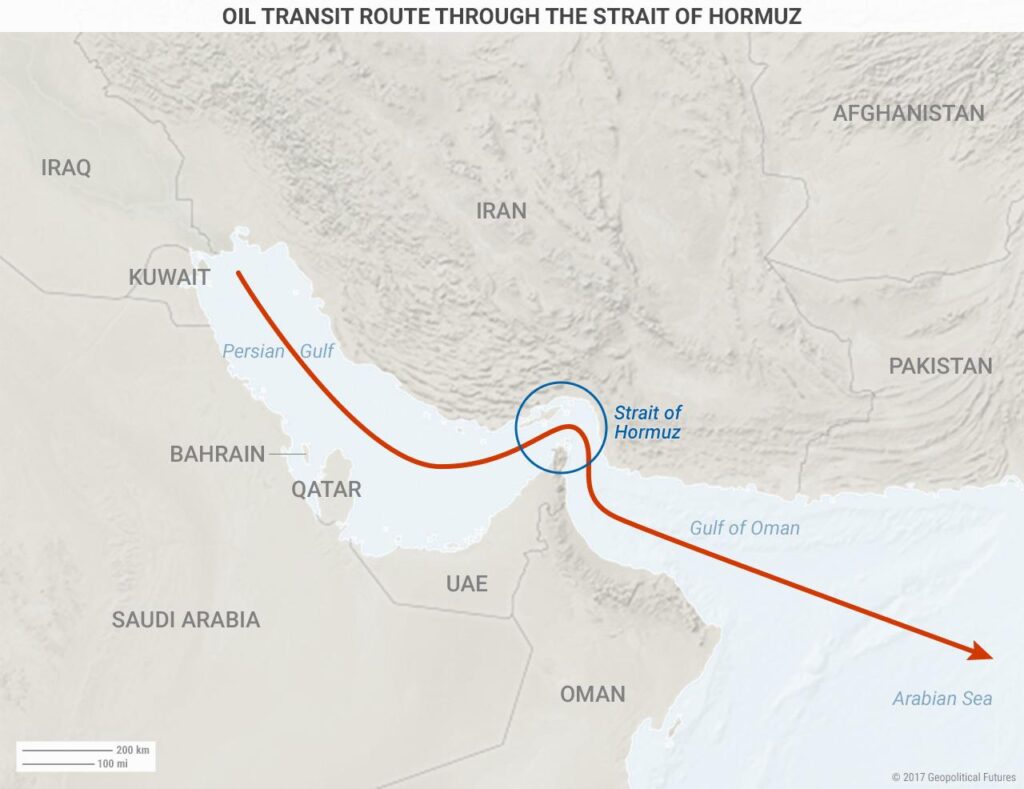
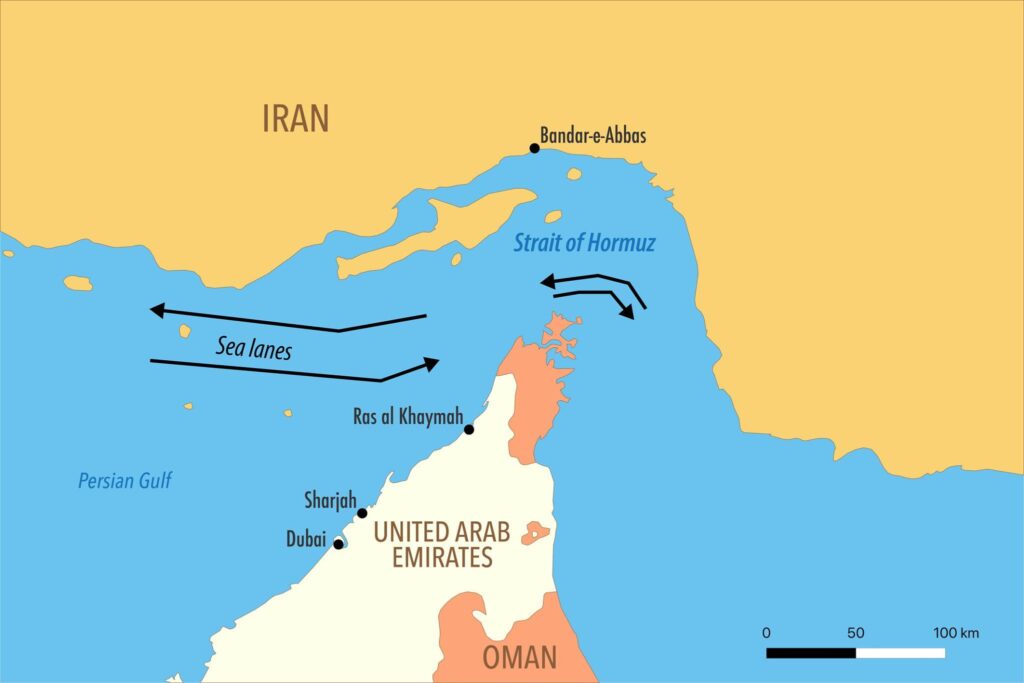
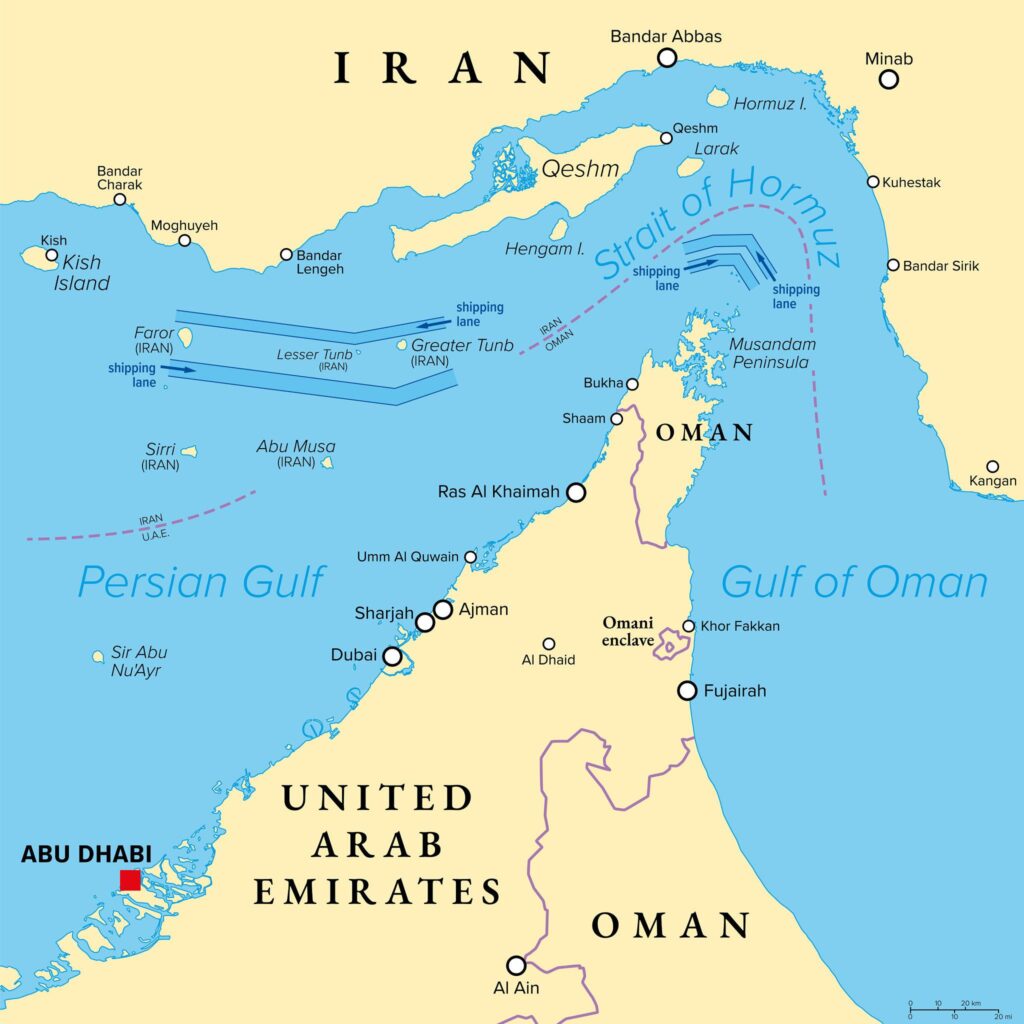
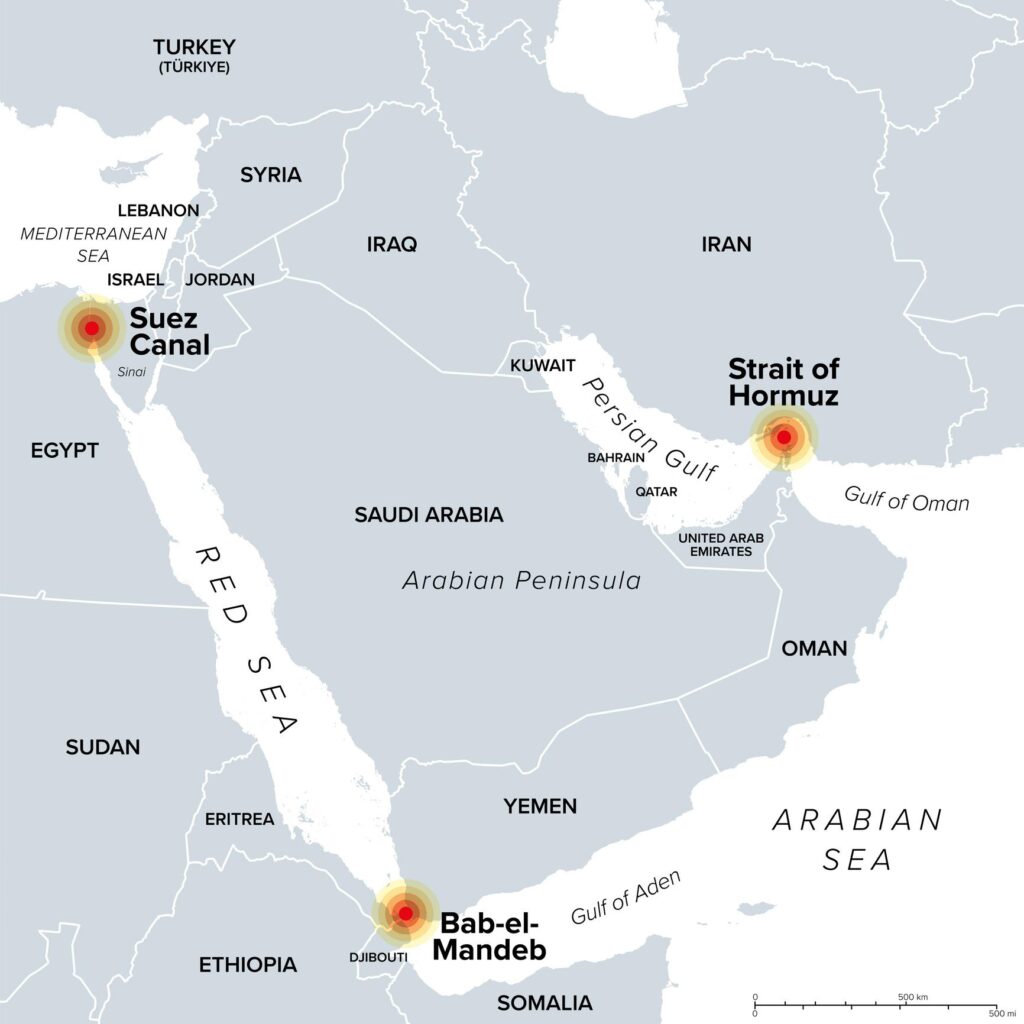
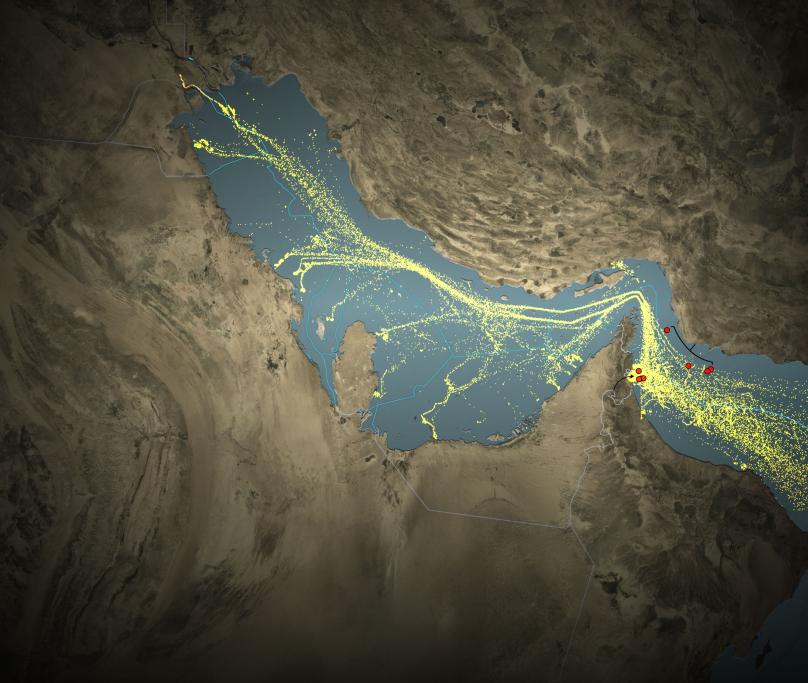
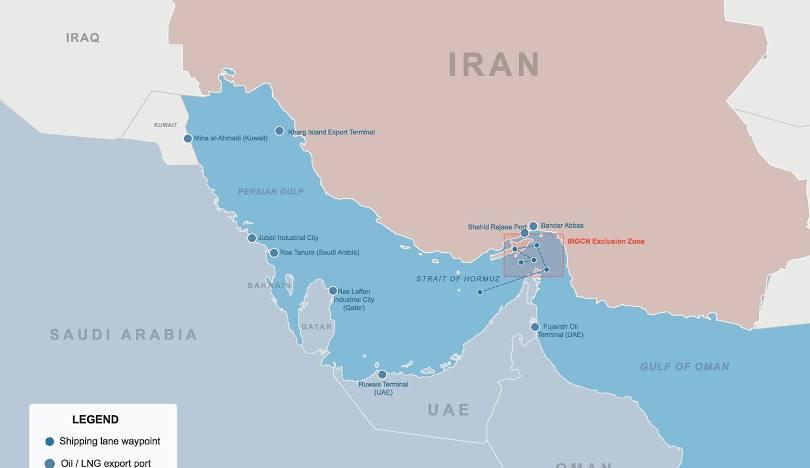
The Strait of Hormuz remains one of the most strategically important waterways on the planet. A significant portion of global oil exports passes through this narrow shipping route every day. Any military confrontation, attack, or security incident in the area can immediately influence energy markets and global economic sentiment.
For India, the route is particularly important because the country imports large amounts of crude oil from the Middle East. Many Indian commercial vessels and crews regularly operate in these waters. As a result, any threat to maritime security in the region becomes a matter of national and economic importance. Even limited disruptions can increase freight costs, insurance premiums, and energy prices.
Iran’s Response and Growing Diplomatic Tensions
Iran’s government has categorically denied Trump’s allegations and described them as unsupported by facts. Iranian officials have argued that accusations alone do not constitute evidence and have called for a more balanced examination of recent maritime incidents. The diplomatic response reflects Tehran’s effort to avoid further escalation while defending its position on the international stage.
The disagreement comes during a period when U.S.-Iran relations are already under significant strain. Reports indicate that negotiations, military incidents, and competing narratives have complicated efforts to reduce tensions. The latest accusations therefore risk creating additional obstacles to diplomatic engagement and regional stability.
Impact on India and International Shipping
India has closely monitored developments in the Gulf because thousands of Indian citizens work in maritime industries connected to the region. Any attack involving ships carrying Indian crew members naturally attracts attention from policymakers and security agencies.
Shipping companies are also watching the situation carefully. Increased geopolitical uncertainty often leads insurers and shipping operators to reassess risk levels. If tensions continue to rise, transportation costs could increase, affecting everything from fuel prices to consumer goods around the world. Maritime security experts frequently point to the Strait of Hormuz as a potential flashpoint capable of influencing global markets within hours.
Why This Matters Now
The timing of the allegations is significant because global markets remain highly sensitive to developments in major energy-producing regions. Investors, governments, and shipping companies are closely tracking any signs of escalation involving Iran, the United States, and commercial shipping routes.
Beyond the immediate diplomatic dispute, the episode underscores a larger challenge facing the international community: maintaining safe navigation through critical trade corridors while preventing geopolitical rivalries from disrupting economic stability. Whether new evidence emerges or diplomatic discussions ease tensions, the situation will remain a closely watched story in the days ahead.
What to Watch Next
The next phase of this story will likely depend on whether additional evidence is presented regarding the alleged attacks and how major governments respond. Observers will also watch for any statements from India, international maritime organizations, and regional allies.
If tensions continue to rise, the impact could extend beyond diplomacy and affect shipping, energy markets, and global trade flows. Conversely, a diplomatic breakthrough could help reduce uncertainty and restore confidence in one of the world’s most important maritime corridors. For now, the dispute between Washington and Tehran remains another reminder of how quickly geopolitical developments can influence international commerce and security.
Subscribe to trusted news sites like USnewsSphere.com for continuous updates.