U.S. Jets Intercept Russian Warplanes Near Alaska Coast in Air Defense Operation
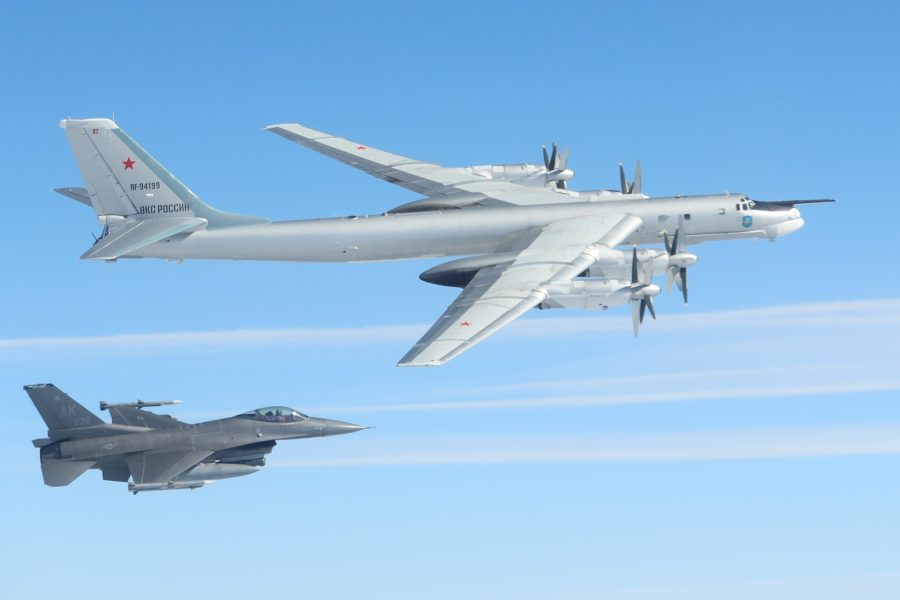
In a significant defense move, U.S. fighter jets intercepted Russian warplanes flying near Alaska’s Air Defense Identification Zone (ADIZ) as U.S. and Canadian forces tracked and monitored their approach for national security reasons. This action, carried out by the North American Aerospace Defense Command (NORAD), involved scrambling multiple American aircraft to identify and escort a group of Russian military planes until they left the internationally-defined defense zone. NORAD confirmed the aircraft remained in international airspace and did not enter sovereign U.S. or Canadian territory, but the event highlights ongoing strategic vigilance along a critical Arctic-adjacent frontier.
Why This Matters Now:
This incident comes amid elevated global military tensions and ongoing U.S.–Russia friction over broader geopolitical conflicts. While officials say these ADIZ encounters are routine, the frequency of such flights near North American borders underscores the importance of early detection and defense readiness in an era of shifting power balances.
What Happened Off the Alaskan Coast
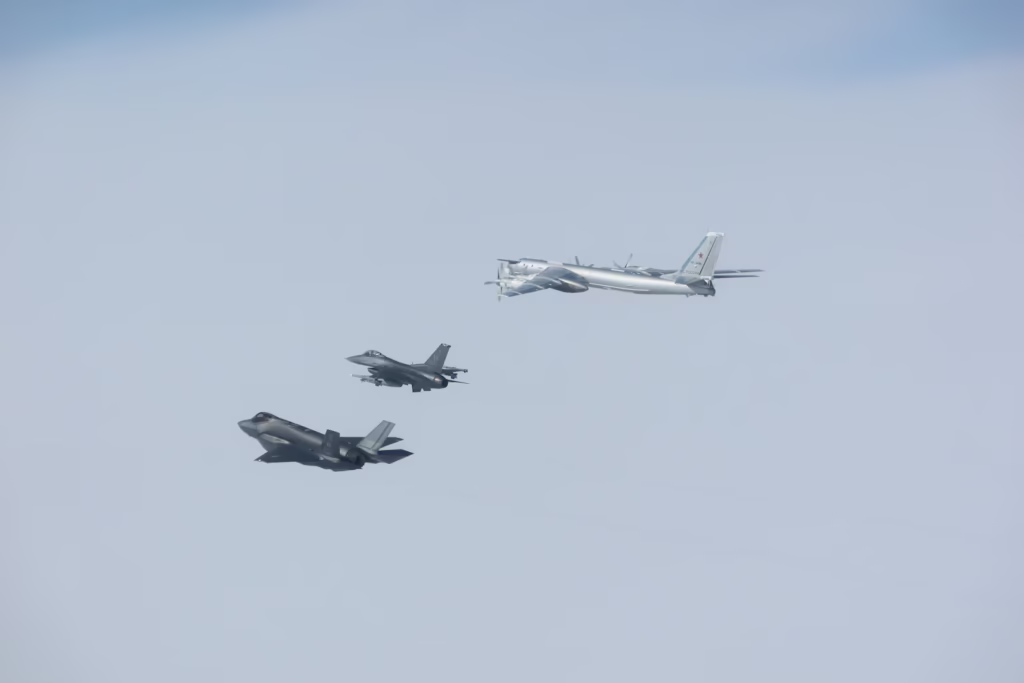
U.S. and Canadian defense forces responded on February 19–20, 2026, after NORAD radar systems detected five Russian military aircraft operating within the Alaska Air Defense Identification Zone (ADIZ). These included:
• Two Tu-95 long-range strategic bombers
• Two Su-35 advanced fighter jets
• One A-50 airborne early warning and control aircraft
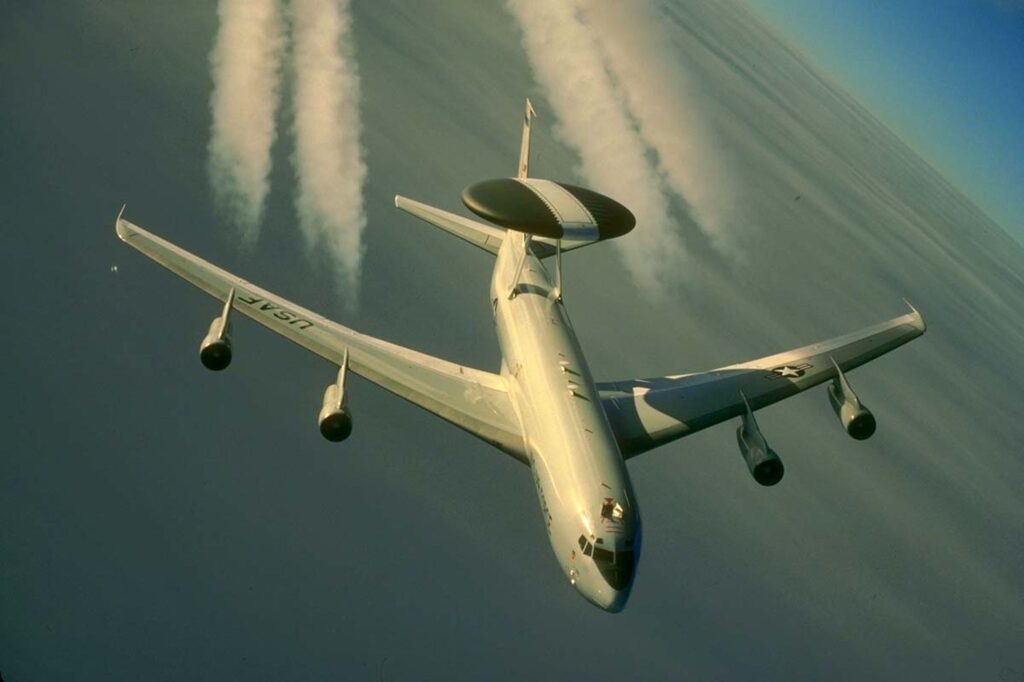
In response, NORAD launched two F-16 Fighting Falcons, two F-35 Lightning IIs, one E-3 AWACS early warning plane, and four KC-135 tanker aircraft to intercept, identify, and monitor the Russian formation. The escort continued until the aircraft exited the defined ADIZ boundary.
This approach ensures U.S. air defense forces maintain situational awareness and control of airspace approaching North America. Even though the Russian planes stayed beyond sovereign airspace, protocols require positive identification to protect national security and deter unknown or uncommunicated air operations.
Understanding the Alaska Air Defense Identification Zone (ADIZ)
The Alaska ADIZ is a designated stretch of international airspace that exists beyond the sovereign borders of the United States and Canada. Its purpose is to create a buffer where military and civilian aircraft must identify themselves before potentially entering sensitive airspace. Such zones are widely used by many countries as an early warning system.
Unlike sovereign territory, an ADIZ is not governed by international law and does not automatically restrict passage. Instead, it requires aircraft to communicate flight plans and identities so defense forces can rapidly distinguish friend from potential foe.
Routine detection of Russian long-range bombers and fighters in the Alaska ADIZ is not new, according to military officials. Similar intercepts occurred in previous years, and NORAD emphasizes that these encounters are typically not seen as an immediate threat, but they remain critical for maintaining preparedness.
Why the U.S. Responded With Force
NORAD’s quick deployment illustrates a layered defense strategy combining ground-based radar, airborne early warning systems, and fighter jets to monitor international approaches. The goal is not confrontation, but positive identification and deterrence. US fighter jets approach unidentified aircraft to determine their intent and ensure no unauthorized entry into U.S. or Canadian airspace.
This incident also demonstrates how interoperable defense systems help safeguard North American skies, with command responsibilities shared between the United States and Canada. The brief escort mission ensured close tracking and signaling that defense readiness is enforced even in peacetime operations.
Broader Context and Strategic Implications
The Alaska ADIZ is geographically close to Russia’s eastern military bases, making it one of the most active areas for Russian military aviation approaching North America. Over the past several years, NATO and NORAD have repeatedly scrambled jets to intercept Tu-95 bombers and advanced Russian fighters in this region.
While officials describe these encounters as regular procedures, geopolitical analysts note that such missions can serve dual purposes: both routine defense and diplomatic signaling of readiness. Frequent Russian flights near the ADIZ may be interpreted as tests of response times or broader strategic posturing.
The last few years have seen joint Russian–Chinese bomber patrols near Alaska, increased long-range patrols, and more frequent intercepts — factors that keep NORAD and U.S. Air Force units on high alert.
What This Means for U.S. National Security
For U.S. defense planners, these intercept missions reinforce the importance of constant surveillance and rapid response capabilities. Aircraft like the F-16 and F-35 fighters provide quick interception, while aircraft like the E-3 AWACS coordinate airspace awareness. These technologies allow NORAD to maintain a comprehensive picture of aerial movements near North America.
The incident underscores that even when no airspace violation occurs, vigilance is crucial. In an era of complex international tensions, NORAD’s protocols ensure that any movement near North American airspace is tracked, identified, and managed without escalation.
Why This Action Matters Now
This latest intercept follows a global environment of rising military activity and strategic competition, where aerial maneuvers often coincide with geopolitical tensions. Ensuring clear identification of military aircraft reduces the risk of miscommunication or accidental clashes, which could have far-reaching implications for global security.
By maintaining robust defense readiness and transparency in these patrols, NORAD sends a message that U.S. national security infrastructure remains vigilant and fully capable of responding to evolving international dynamics.
Subscribe to trusted news sites like USnewsSphere.com for continuous updates.