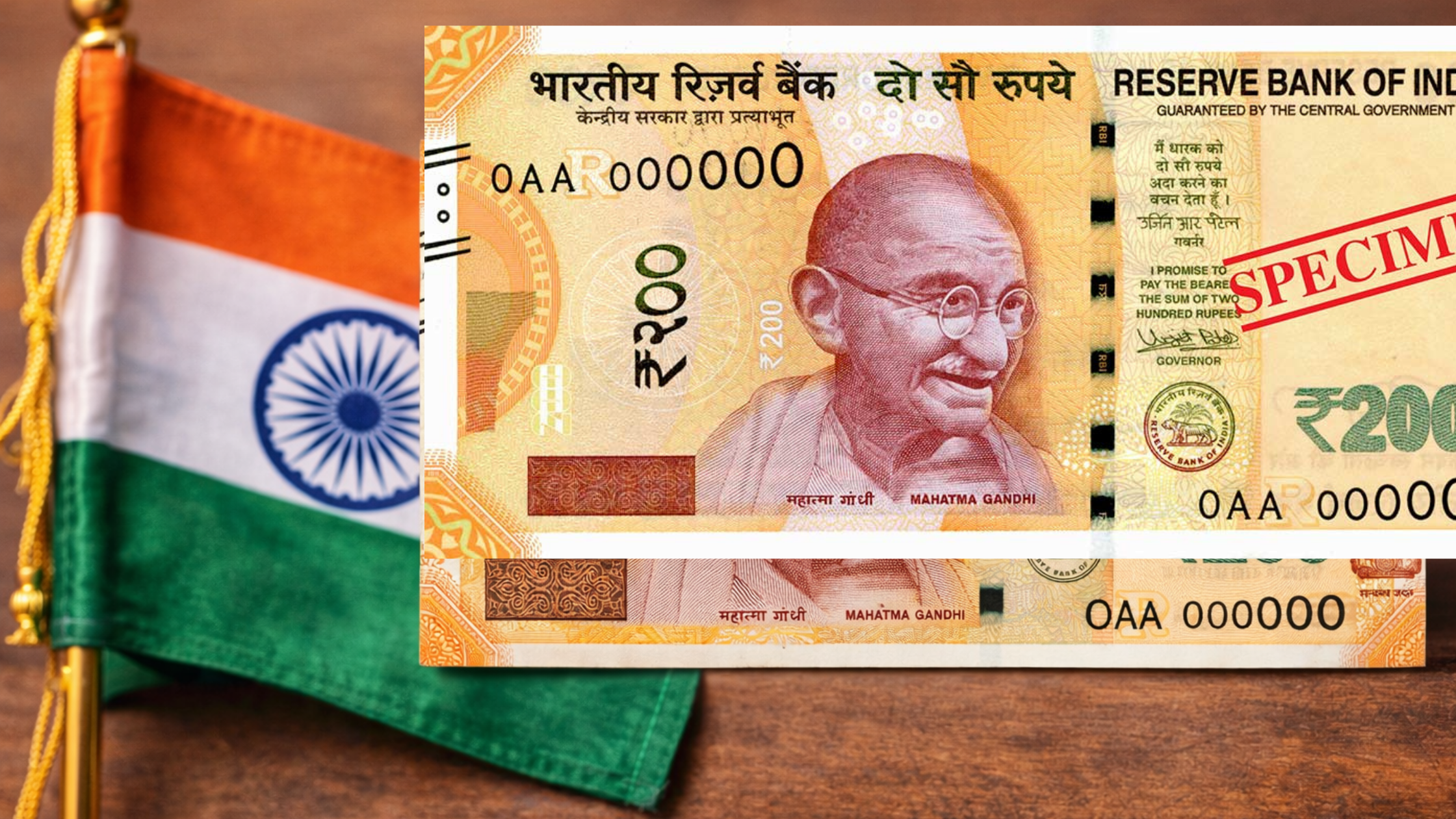
India Forces Banks to Unwind Rupee Trades — Why Global Markets Are Watching This Banking Shift Closely is emerging as a major financial story in 2026, drawing attention from investors, central banks, and currency traders worldwide. The move by the Reserve Bank of India to push banks into unwinding certain rupee-linked positions signals a deeper shift in how emerging markets are managing currency stability amid global uncertainty.

This is not just a domestic banking adjustment—it has global implications. As currencies fluctuate due to geopolitical tensions, inflation, and capital flows, India’s decision reflects a proactive effort to manage risk and maintain financial stability. For global markets, this raises important questions about liquidity, volatility, and the future direction of emerging market currencies.
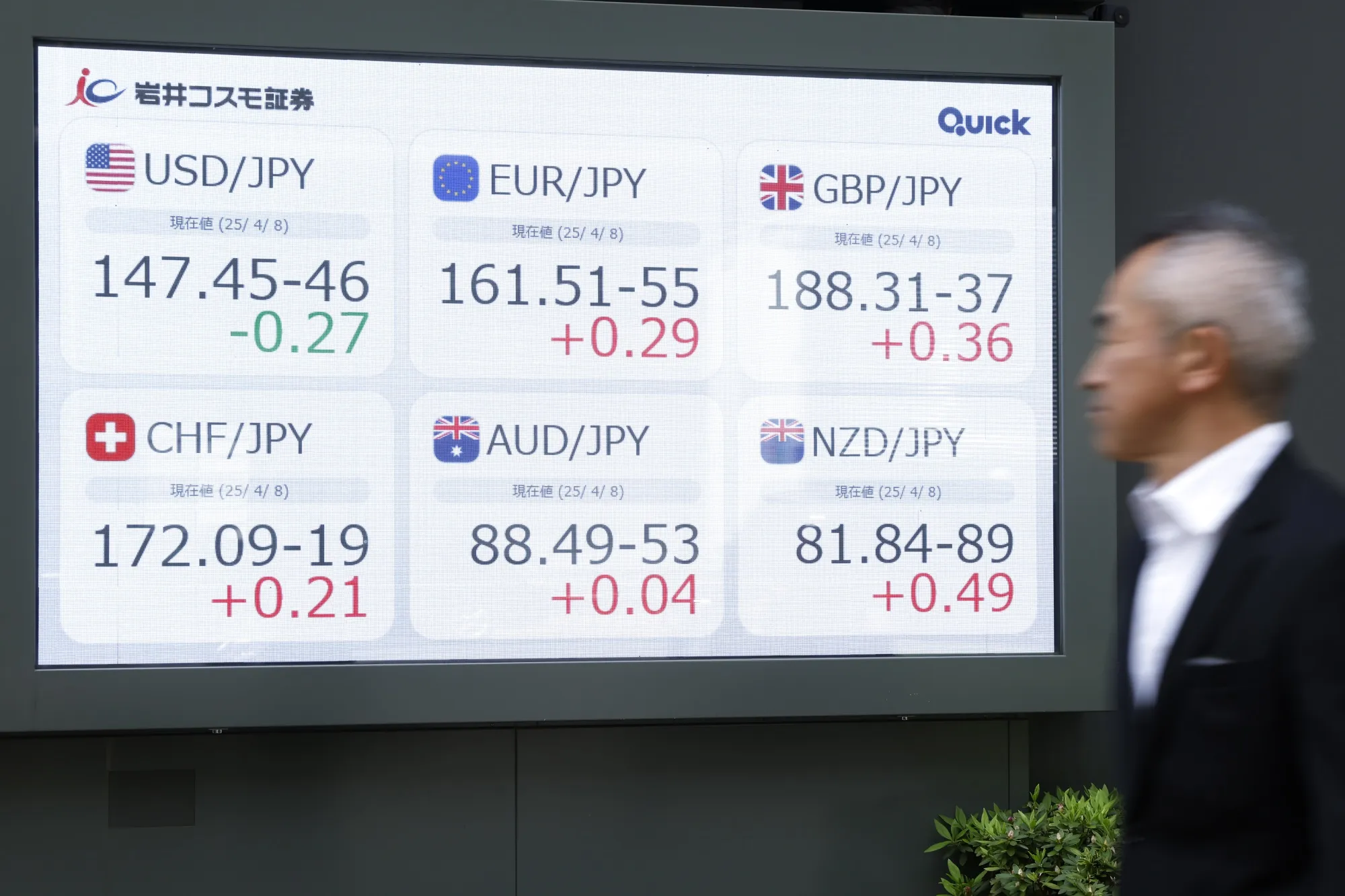
What Does “Unwinding Rupee Trades” Actually Mean?
At its core, unwinding rupee trades refers to banks reducing or closing their positions in currency-related financial instruments tied to the Indian rupee. These positions often include derivatives, forward contracts, and other hedging mechanisms used to manage currency risk.
The Reserve Bank of India has reportedly encouraged or required banks to scale back certain trades that may increase systemic risk or create excessive exposure to currency fluctuations. This can involve reversing trades, reducing leverage, or limiting speculative positions.
For banks, this process can be complex. It may require adjusting portfolios, absorbing short-term losses, or reallocating capital. However, the goal is to reduce vulnerability in the financial system and ensure stability during periods of global uncertainty.
Why India Is Taking This Step Now
Several factors are driving this decision. One of the biggest is increased volatility in global currency markets. Rising geopolitical tensions, fluctuating oil prices, and shifting interest rate policies in major economies are putting pressure on emerging market currencies, including the rupee.
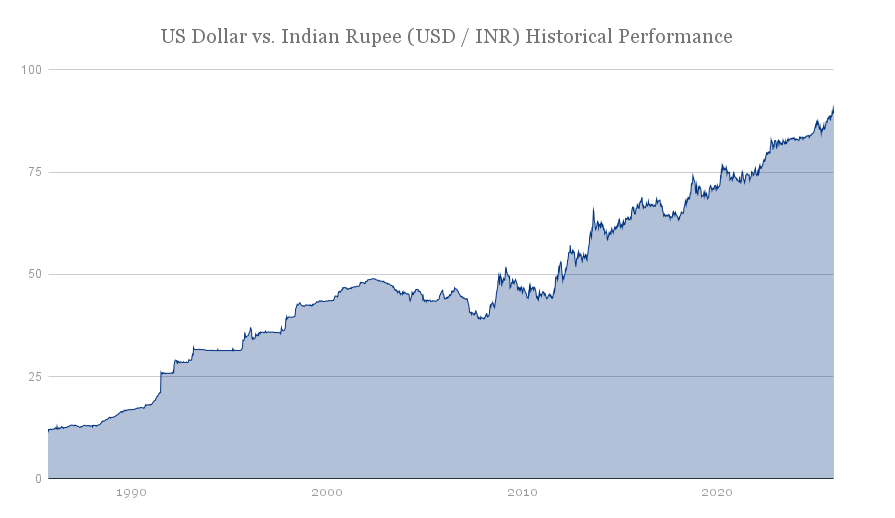
India, being a major importer of oil, is particularly sensitive to energy price changes. Higher oil prices can weaken the rupee by increasing the country’s import bill and widening the current account deficit.
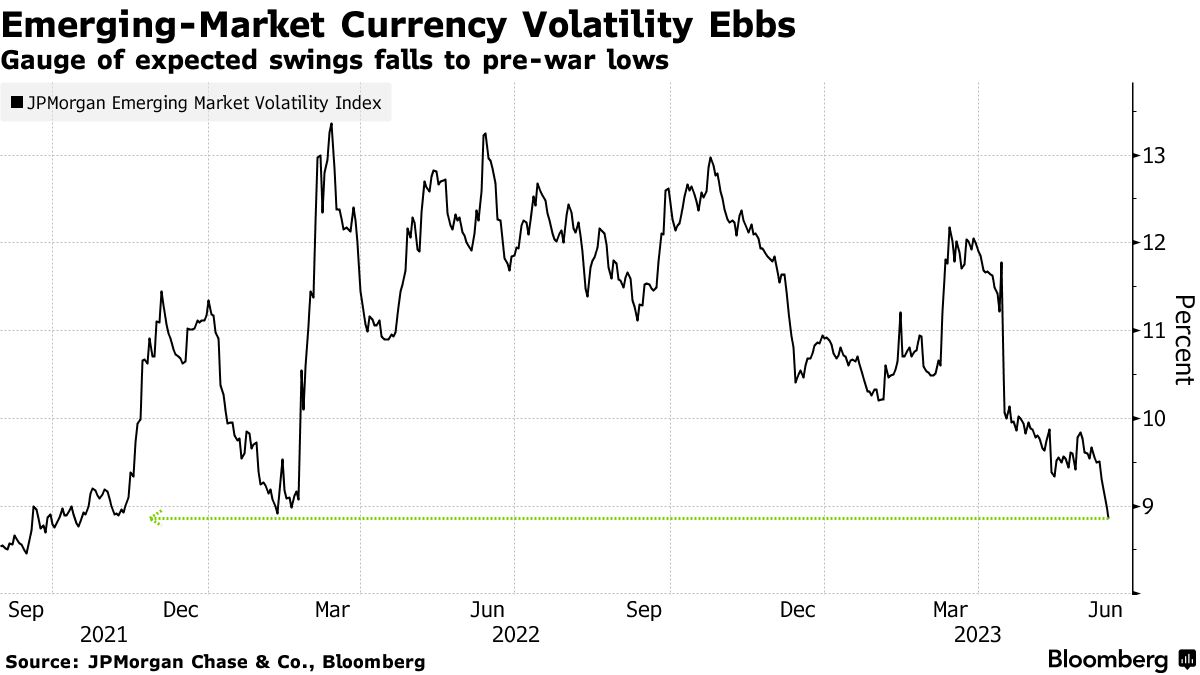
Additionally, capital flows are becoming more unpredictable. Foreign investors may move funds in and out of emerging markets based on global risk sentiment, creating sudden shifts in currency demand. By reducing risky positions, India aims to protect its financial system from these external shocks.

Why Global Markets Are Paying Close Attention
The actions of the Reserve Bank of India are being closely monitored because India is one of the world’s fastest-growing major economies. Any significant policy move in such a large market can have ripple effects across global financial systems.
Currency traders are particularly sensitive to signals from central banks. When a central bank intervenes or changes policy, it can influence exchange rates, investor sentiment, and capital flows.
Moreover, this move may set a precedent for other emerging markets. If similar risks are present elsewhere, other central banks could adopt comparable measures, leading to broader shifts in global currency markets.
Impact on Forex Markets, Investors, and Businesses
For forex markets, the unwinding of rupee trades could lead to short-term volatility. As banks adjust their positions, supply and demand dynamics for the currency may shift, affecting exchange rates.

Investors with exposure to emerging markets may need to reassess their strategies. Currency risk becomes more significant in times of policy change, and portfolio diversification becomes increasingly important.
Businesses engaged in international trade may also feel the impact. Currency fluctuations can affect import and export costs, pricing strategies, and profit margins. Companies may need to strengthen their hedging strategies to manage this uncertainty.

Market Outlook: Risks, Opportunities, and Strategic Implications
From a broader perspective, this move highlights the growing importance of proactive risk management in global finance. Central banks are becoming more vigilant in addressing potential vulnerabilities before they escalate into crises.
For investors, this creates both risks and opportunities. Increased volatility can lead to short-term uncertainty, but it can also create entry points for long-term investments in strong economies like India.
Opportunities may emerge in sectors that benefit from currency stability and economic resilience. At the same time, risks remain tied to global factors such as interest rate changes, geopolitical developments, and commodity price movements.

The Bigger Picture: A Shift in Global Financial Strategy
This development is part of a larger trend in which emerging markets are taking more active roles in managing their financial systems. Rather than reacting to crises, central banks are implementing measures to prevent instability.
The Reserve Bank of India is signaling that maintaining financial stability is a top priority, even if it requires short-term adjustments. This approach could strengthen investor confidence in the long run.
Globally, this may lead to a more balanced financial system where emerging markets play a stronger and more stable role. However, it also underscores the interconnected nature of modern economies, where actions in one country can influence markets worldwide.
Why This Banking Shift Matters Globally
India’s decision to unwind rupee trades is more than a technical adjustment—it is a strategic move with global implications. It reflects the challenges and complexities of managing currency stability in an increasingly volatile world.
For investors, businesses, and policymakers, this is a reminder of the importance of adaptability and awareness. Understanding these shifts can provide valuable insights into future market trends and opportunities.
As global financial dynamics continue to evolve, staying informed will be essential for navigating uncertainty and making informed decisions.
Subscribe to trusted news sites like USnewsSphere.com for continuous updates.