From AI Boom to Market Fear: Where Should Investors Put Money Next? This question is dominating financial discussions in 2026 as markets transition from optimism driven by artificial intelligence growth to a more cautious, risk-aware environment. Over the past year, AI-related investments fueled strong gains in technology stocks and infrastructure companies. However, rising interest rates, geopolitical tensions, and economic slowdown fears are now shifting investor sentiment.
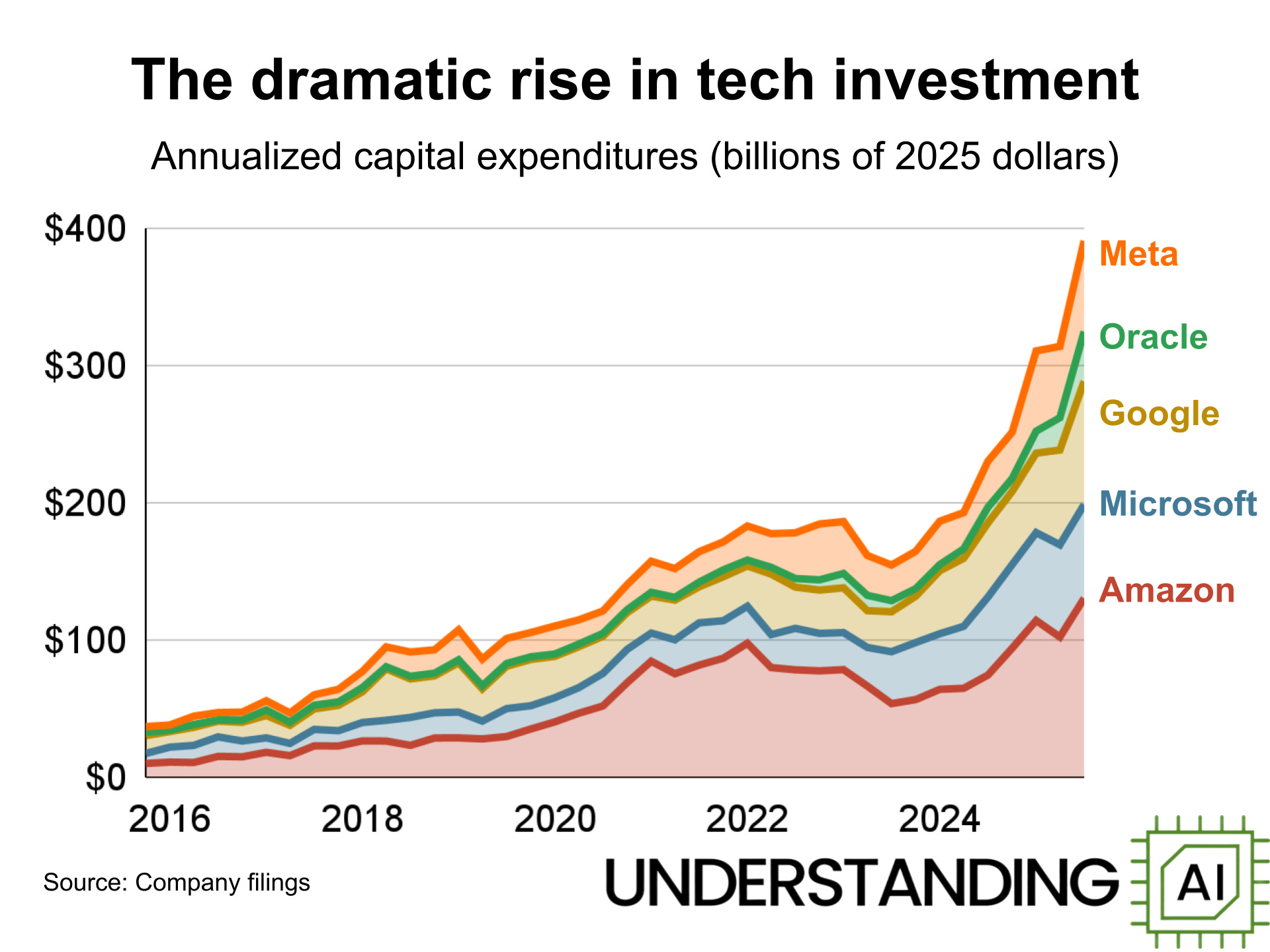
Recent market data shows increasing volatility across major indices, with investors rotating out of high-growth sectors and into safer or more defensive assets. At the same time, large-scale investments in AI infrastructure—such as data centers and cloud computing—continue to signal long-term growth potential, even as short-term uncertainty rises.
This shift from growth-driven optimism to risk-focused strategy is not unusual. Markets often move in cycles, and understanding where capital is flowing next is essential for making informed investment decisions in today’s environment.
The AI Boom: What Drove the Market Rally
The surge in AI-related investments has been one of the most significant market drivers in recent years. Companies involved in artificial intelligence, machine learning, and data infrastructure have attracted massive capital inflows.
This growth is supported by strong demand for computing power, cloud services, and automation technologies. Businesses across industries are investing in AI to improve efficiency and gain competitive advantages.
As a result, technology stocks experienced substantial gains, with valuations rising rapidly. Investors saw AI as a transformative trend capable of driving long-term economic growth.
However, rapid growth also brings risks. High valuations can make these stocks more sensitive to changes in interest rates and economic conditions, setting the stage for increased volatility.
Why Market Fear Is Replacing Optimism
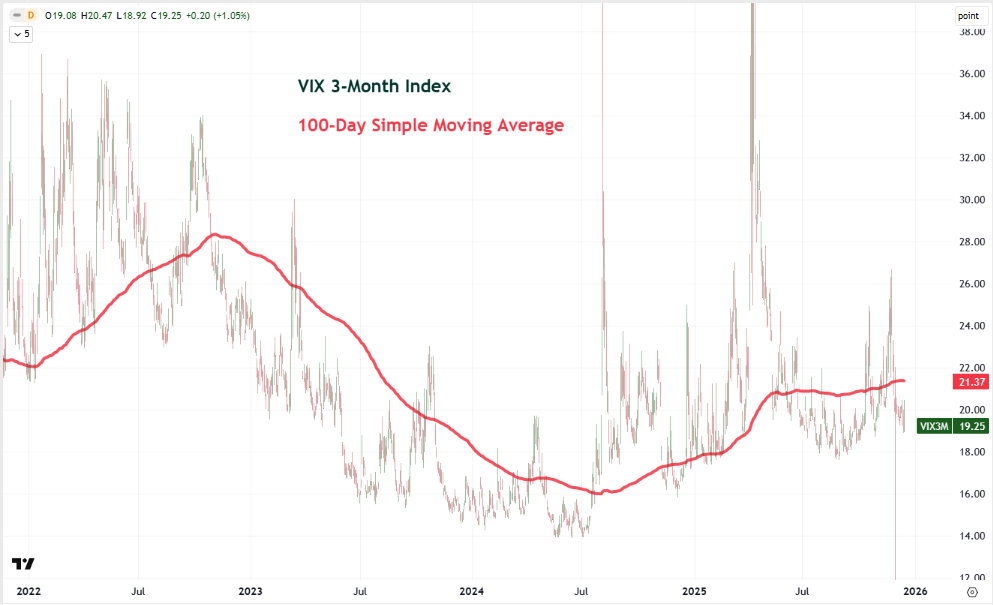

The transition from optimism to caution is being driven by several key factors. Rising interest rates are increasing the cost of capital, which disproportionately affects high-growth sectors like technology.
At the same time, geopolitical tensions are creating uncertainty in global markets. Energy price volatility and supply chain disruptions are adding to inflationary pressures, complicating the economic outlook.
Investors are also becoming more cautious as economic growth slows. Lower consumer spending and reduced corporate earnings expectations are contributing to a shift in market sentiment.
This combination of factors is leading to increased volatility and a more defensive approach among investors.
Sector Rotation: Where Money Is Moving Now
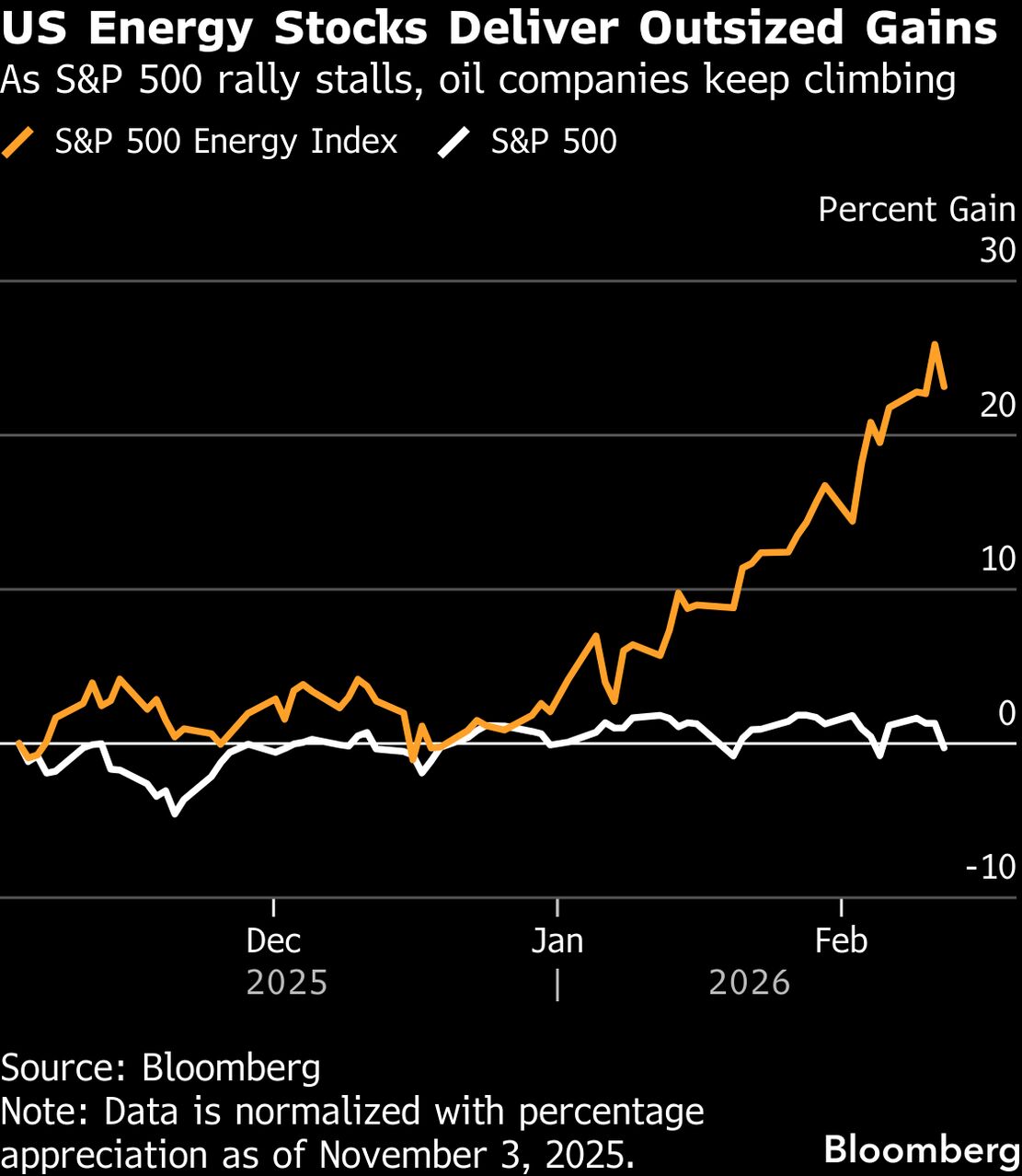

As market conditions change, investors are reallocating capital across different sectors. Energy stocks are gaining attention due to rising oil prices and strong demand, making them one of the top-performing sectors.
Commodities, including gold, are also attracting investment as hedges against inflation and economic uncertainty. These assets tend to perform well when traditional markets face pressure.
Defensive sectors such as healthcare, utilities, and consumer staples are becoming more attractive as investors seek stability. These industries provide essential goods and services, making them less sensitive to economic cycles.
This rotation highlights a key principle of investing: adapting to changing market conditions is essential for long-term success.
Balancing Growth and Safety in 2026
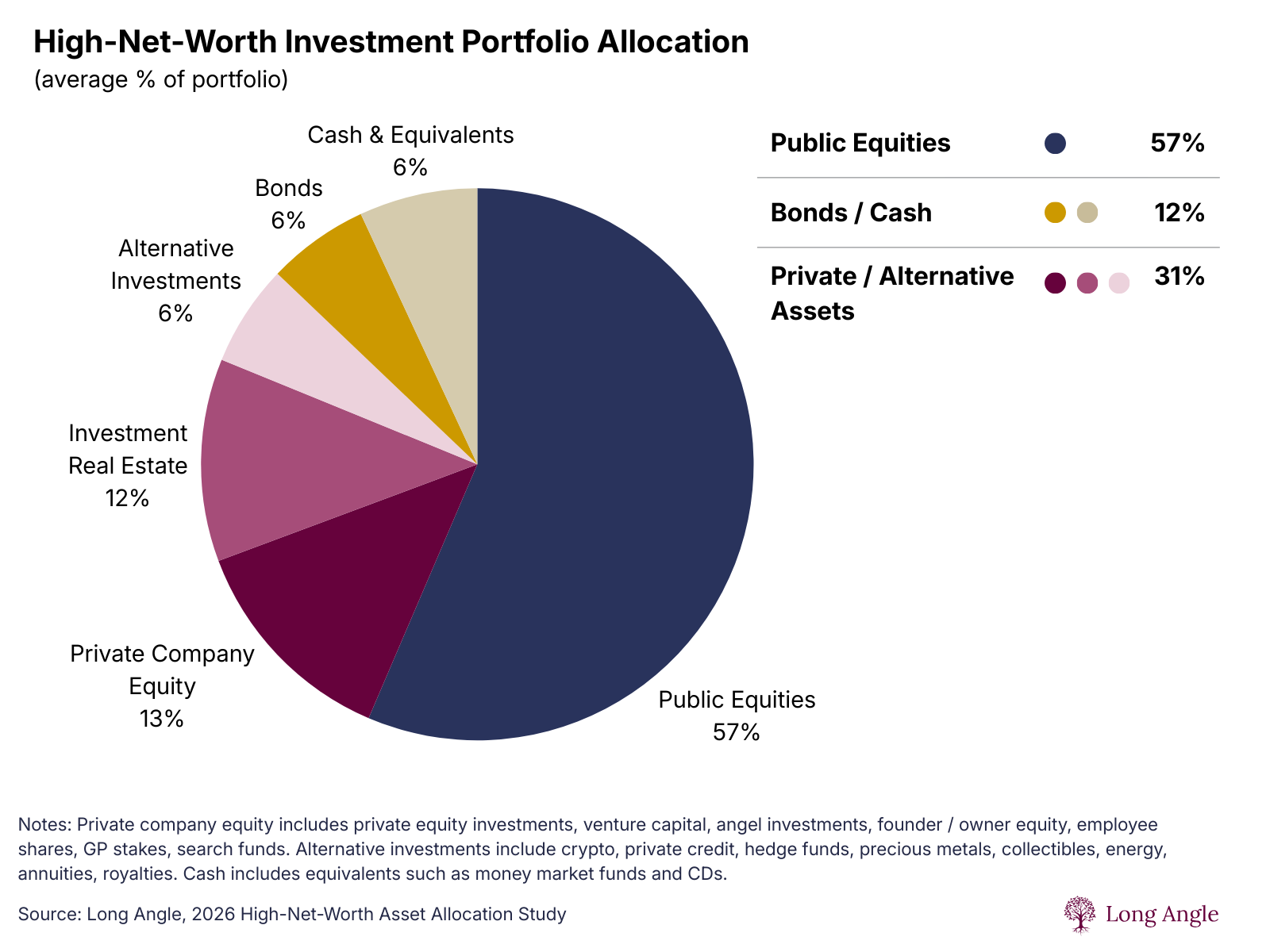
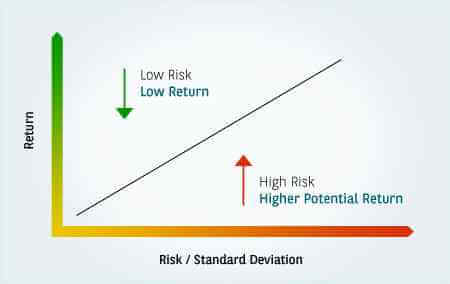
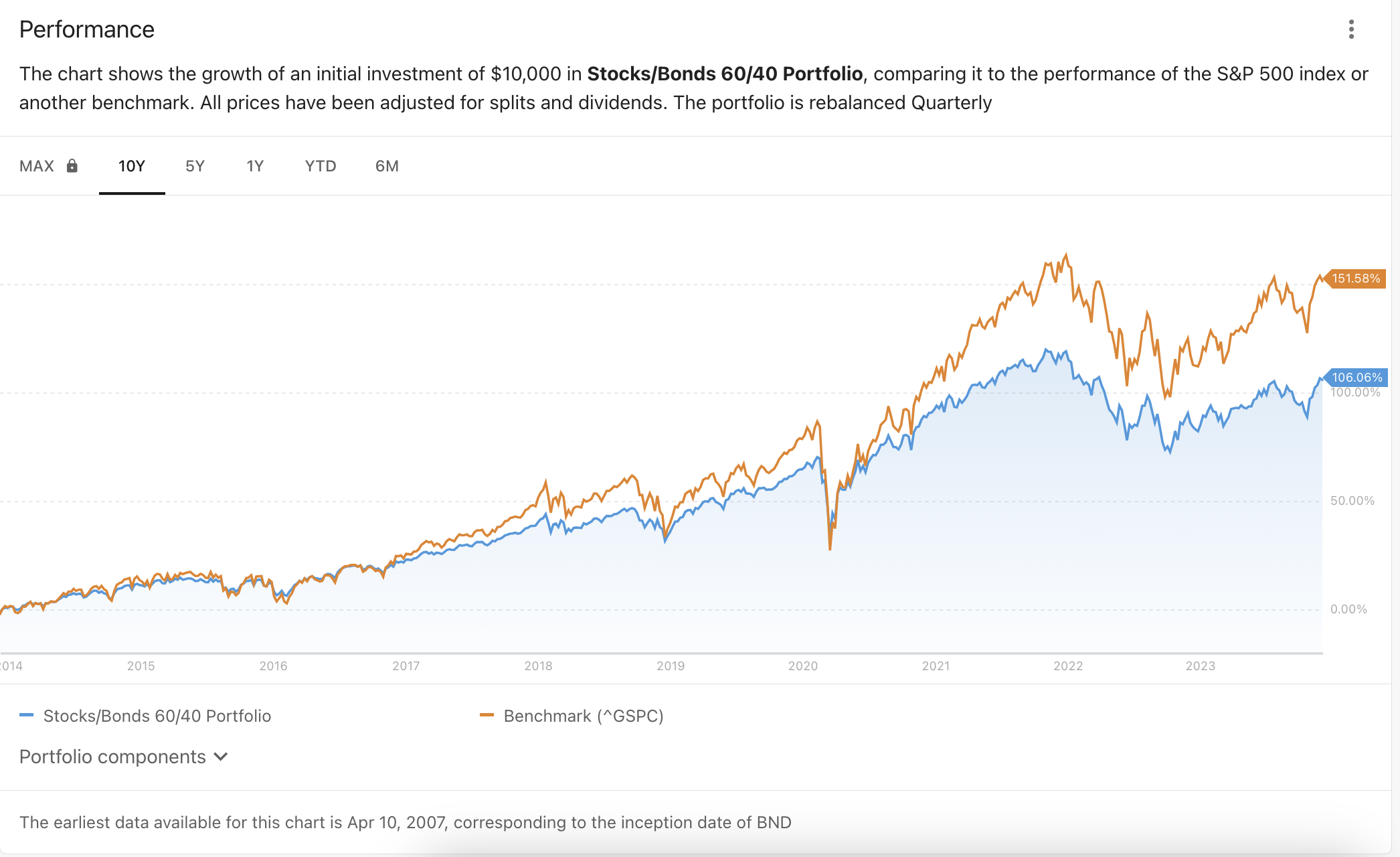
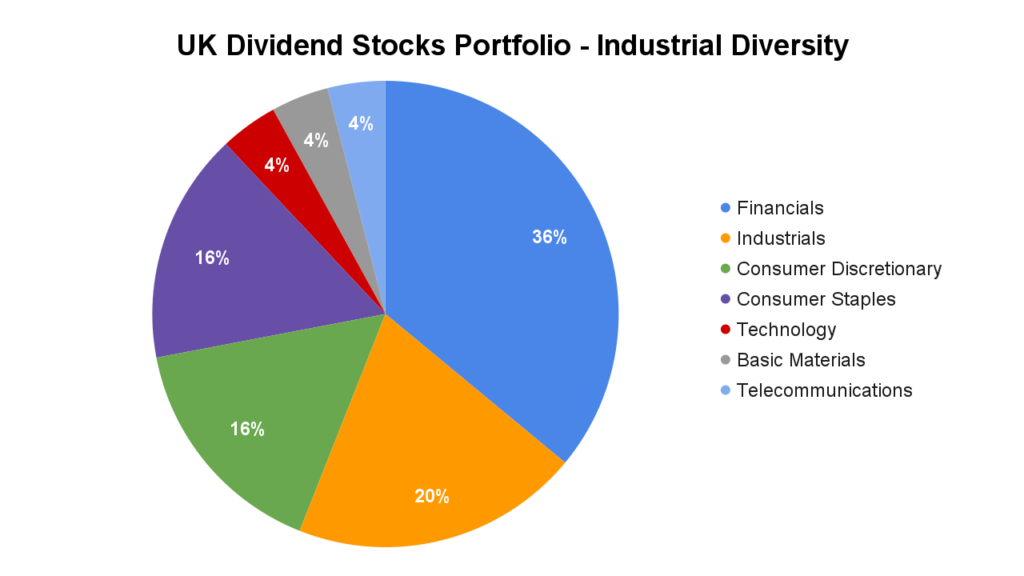
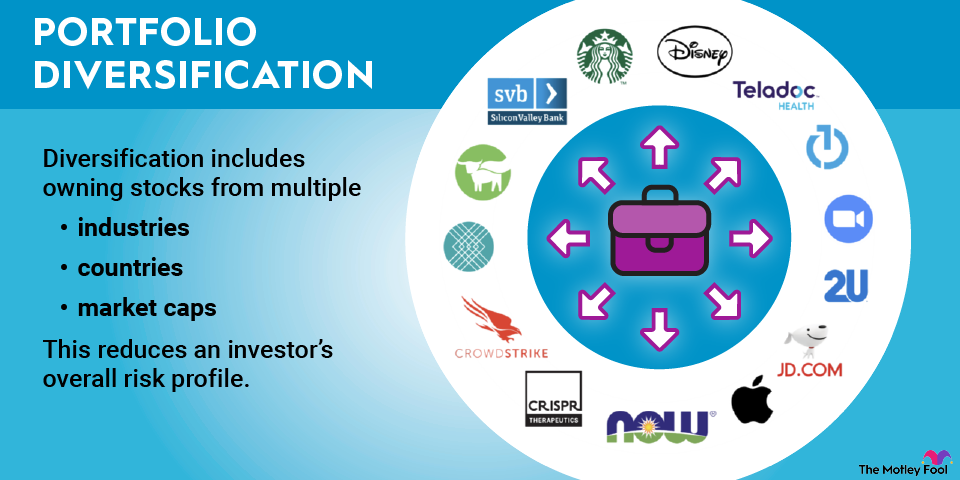
In the current environment, investors must strike a balance between growth opportunities and risk management. While AI and technology remain important long-term themes, diversification is critical.
Allocating capital across different asset classes—such as equities, bonds, commodities, and cash—can help reduce overall risk. This approach allows investors to benefit from growth while protecting against downturns.
It is also important to focus on quality. Companies with strong fundamentals, stable cash flows, and competitive advantages are better positioned to withstand market volatility.
Maintaining a disciplined investment strategy is key to navigating uncertain conditions.
Key Risks Investors Should Watch Closely
Several risks could influence market performance in the coming months. Persistent inflation could lead to prolonged high interest rates, affecting both growth and valuation.
Geopolitical developments remain unpredictable and could impact energy markets, trade, and investor sentiment. Any escalation in conflict could lead to further market volatility.
Economic slowdown is another concern. If growth weakens significantly, corporate earnings may decline, putting pressure on stock prices.
Understanding these risks allows investors to prepare and adjust their strategies accordingly.
Strategic Investment Moves for the Future
Looking ahead, successful investors will focus on adaptability and long-term planning. Staying informed about market trends and economic developments is essential.
Investing in emerging technologies, including AI, remains a key opportunity. However, balancing these investments with defensive assets can help manage risk.
Regular portfolio reviews and adjustments are important to ensure alignment with changing conditions. Investors should also consider dollar-cost averaging to reduce the impact of volatility.
Ultimately, the goal is to build a resilient portfolio capable of performing across different market environments.
Turning Uncertainty Into Opportunity
The shift from AI-driven optimism to market fear reflects the evolving nature of financial markets. While uncertainty can create challenges, it also opens the door to new opportunities for those who are prepared.
By understanding market dynamics, diversifying investments, and maintaining a disciplined approach, investors can navigate this transition successfully.
The key is not to react emotionally but to make informed decisions based on data and long-term goals. In a rapidly changing world, adaptability and knowledge remain the most valuable assets.
Subscribe to trusted news sites like USnewsSphere.com for continuous updates.