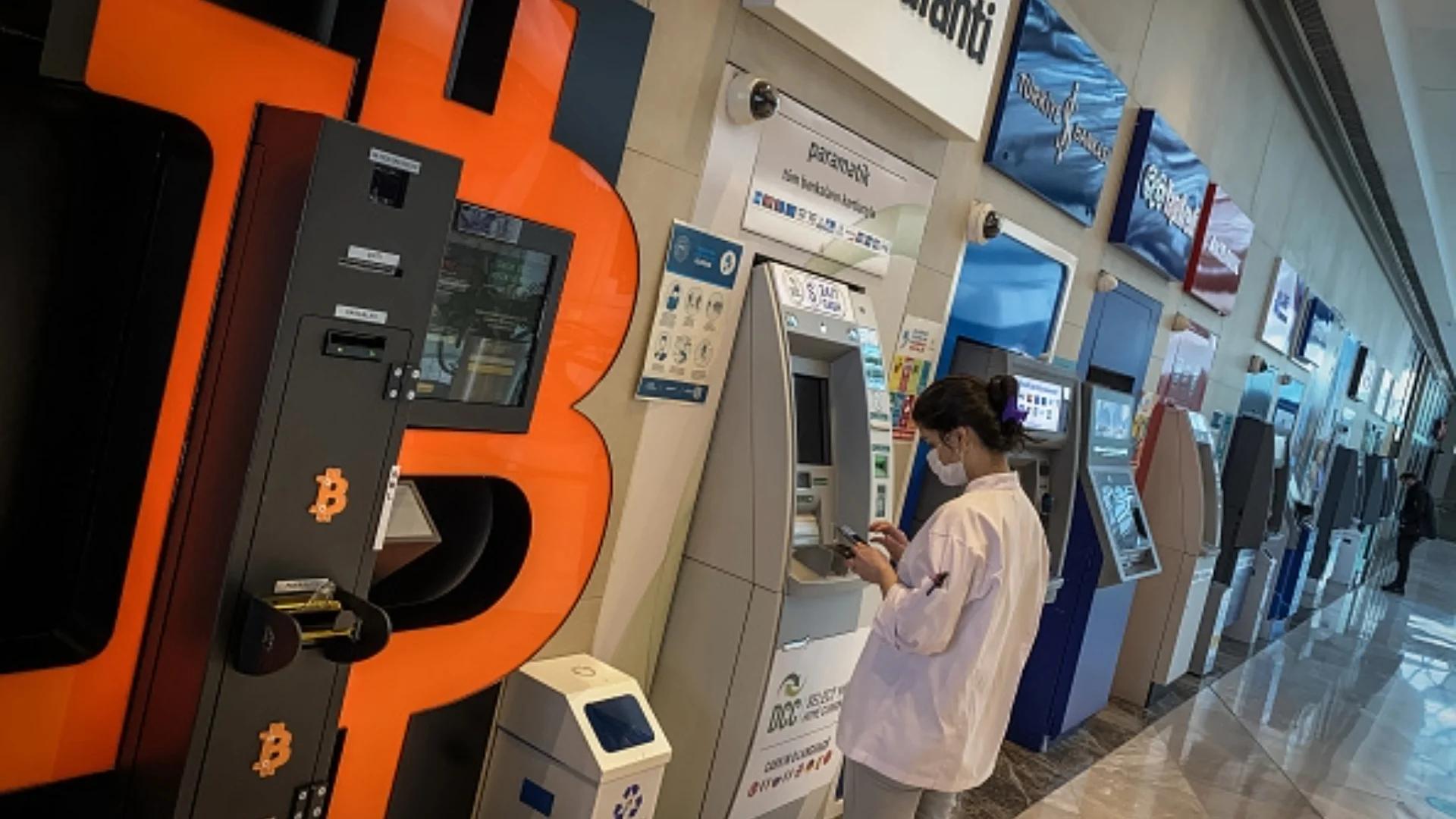
$3.6 million crypto ATM hack raises new questions about U.S. banking security and regulation, and it is rapidly becoming one of the most important financial security stories in 2026. As digital assets move closer to mainstream adoption across the United States, this breach is exposing serious vulnerabilities in the infrastructure that supports cryptocurrency transactions. For investors, regulators, and everyday users, the implications go far beyond a single incident—they point to deeper risks within the evolving financial system.


What Happened in the $3.6 Million Crypto ATM Hack
The recent breach targeted a crypto ATM operator, allowing attackers to exploit system vulnerabilities and siphon off approximately $3.6 million in Bitcoin. Early reports suggest that the attack may have involved unauthorized access to internal systems, enabling hackers to manipulate transaction processes or withdraw funds without proper verification.
Crypto ATMs, often seen as a convenient bridge between traditional cash systems and digital currencies, are becoming increasingly popular across the U.S. However, their rapid expansion has also made them a target for cybercriminals. Unlike traditional bank ATMs, which operate under strict regulatory oversight and advanced security protocols, many crypto ATMs function in a less regulated environment.
This incident highlights a critical issue: as financial technology evolves faster than regulation, security gaps can emerge. For users, this raises concerns about the safety of funds stored or transacted through these machines.
Why This Hack Is a Wake-Up Call for U.S. Banking Security


The $3.6 million theft is not just a crypto issue—it is a broader financial security concern. As cryptocurrencies become more integrated with traditional banking systems, vulnerabilities in one area can quickly affect the entire ecosystem.
U.S. banking institutions have invested heavily in cybersecurity, but the rise of decentralized finance introduces new challenges. Crypto ATMs, exchanges, and wallets often operate across multiple jurisdictions, making it difficult to enforce consistent security standards.
This hack underscores the need for stronger collaboration between regulators, financial institutions, and technology providers. Without unified standards, the risk of similar incidents could increase, potentially undermining trust in both digital assets and the broader financial system.
The Growing Role of Regulation in the Crypto Industry
In response to incidents like this, U.S. regulators are likely to accelerate efforts to establish clearer rules for the cryptocurrency industry. Regulatory bodies have already been exploring frameworks for digital asset oversight, focusing on areas such as consumer protection, anti-money laundering, and cybersecurity.
Stricter regulations could bring significant benefits, including increased transparency and improved security standards. However, they may also introduce challenges for crypto companies, which could face higher compliance costs and operational restrictions.

For investors, regulation is a double-edged sword. While it can reduce risk and increase confidence, it may also limit innovation and market growth in the short term. Understanding this balance is essential for navigating the evolving crypto landscape.

How This Impacts Bitcoin, Crypto Markets, and Investor Confidence
The immediate market reaction to the hack has been relatively contained, but the long-term implications could be more significant. Security breaches can influence investor sentiment, particularly among those who are new to cryptocurrency.
Bitcoin and other digital assets have shown resilience in the face of similar incidents in the past, often recovering quickly as markets focus on broader trends such as adoption and institutional investment. However, repeated security issues could slow the pace of mainstream adoption.
For experienced investors, this incident reinforces the importance of risk management. Diversification, secure storage solutions, and careful platform selection are critical components of a sound investment strategy in the crypto space.

What This Means for Everyday Users and Investors
For everyday users, the key takeaway is the importance of security awareness. Using reputable platforms, enabling multi-factor authentication, and avoiding large transactions through unverified systems can significantly reduce risk.
Investors should also consider how this event fits into their broader financial strategy. Cryptocurrencies can offer high returns, but they also come with unique risks that require careful management. Balancing exposure to crypto with other asset classes can help mitigate potential losses.
Education is another critical factor. As the financial landscape evolves, staying informed about emerging risks and opportunities is essential for making informed decisions.
The Future of Crypto Security and Financial Systems in 2026
Looking ahead, the crypto industry is likely to undergo significant changes as a result of this incident. Increased regulatory scrutiny, improved security technologies, and greater industry collaboration could help address current vulnerabilities.
At the same time, innovation will continue to drive the sector forward. Blockchain technology, decentralized finance, and digital assets are expected to play an increasingly important role in the global economy.
The challenge will be finding the right balance between innovation and security. Achieving this balance is essential for building a sustainable and trustworthy financial ecosystem.
A Turning Point for Crypto and Financial Security
The $3.6 million crypto ATM hack serves as a powerful reminder that rapid technological advancement must be matched by equally strong security measures. As cryptocurrencies become more integrated into everyday financial systems, the stakes continue to rise.
For investors and users, the path forward involves staying informed, adopting best practices, and understanding the risks involved. While the potential of digital assets remains significant, ensuring their security will be key to unlocking their full potential.
This moment represents a turning point—one that could shape the future of both cryptocurrency and the broader financial system in the United States.
Subscribe to trusted news sites like USnewsSphere.com for continuous updates.