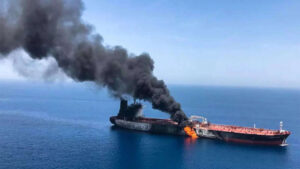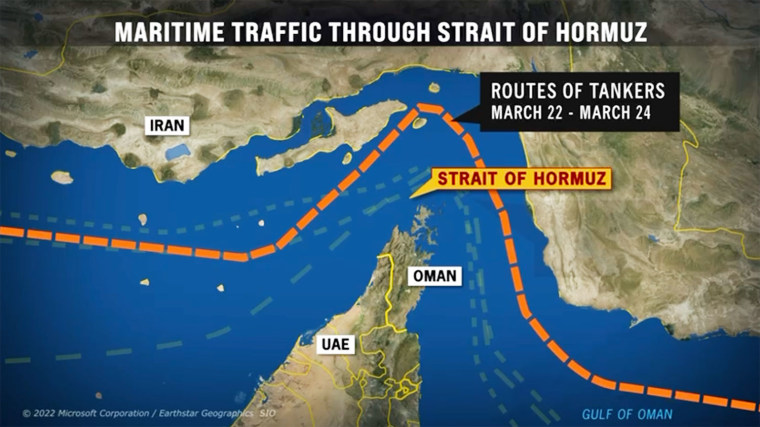
Global Trade at Risk as Hormuz Tensions Rise — Could Supply Chains Face Another Major Shock? is quickly becoming one of the most critical global economic stories of 2026. Rising geopolitical tensions around the Strait of Hormuz—a narrow but vital corridor through which nearly 20% of the world’s oil supply flows—are raising alarms across financial markets, governments, and multinational corporations.
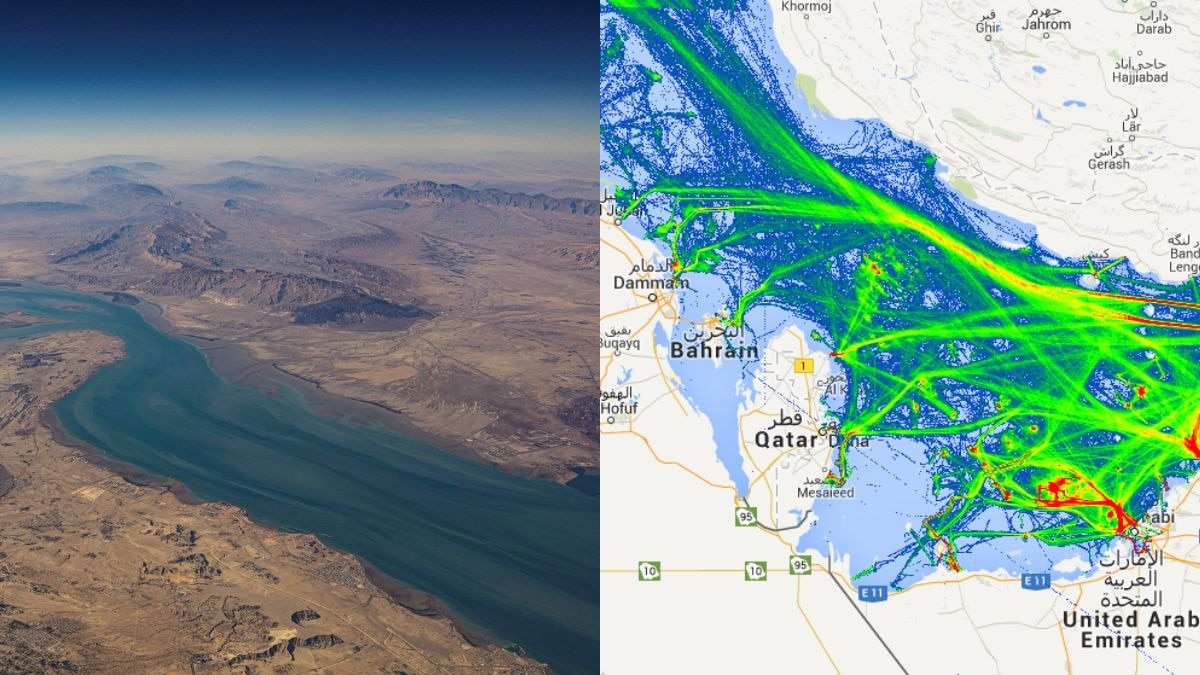
This situation is not just about regional conflict. It has far-reaching implications for global trade, energy prices, inflation, and supply chains. With memories of pandemic-era disruptions still fresh, businesses and investors are asking whether the world is on the verge of another major supply chain shock.
Why the Strait of Hormuz Is the World’s Most Critical Trade Chokepoint
The Strait of Hormuz is one of the most strategically important shipping routes on the planet. It connects the Persian Gulf to global markets, serving as a primary passage for oil exports from major producers like Saudi Arabia, Iraq, and the UAE.
Every day, millions of barrels of crude oil and liquefied natural gas pass through this narrow waterway. Any disruption—whether due to military conflict, blockades, or heightened security risks—can immediately impact global energy supply.
Because energy is the backbone of modern economies, even a small disruption in this region can trigger a ripple effect across industries, from transportation and manufacturing to agriculture and retail.
How Rising Tensions Are Already Impacting Global Markets


Financial markets have already begun reacting to the escalating tensions. Oil prices have shown increased volatility, with traders pricing in the risk of potential supply disruptions. Even the possibility of reduced shipping capacity through the Strait is enough to push prices higher.
Shipping companies are also facing rising insurance costs as the risk of operating in the region increases. This added expense is often passed down the supply chain, contributing to higher costs for goods worldwide.
Equity markets are showing mixed reactions. Energy stocks may benefit from higher oil prices, but broader markets often experience uncertainty and volatility when geopolitical risks intensify.
Could This Trigger Another Global Supply Chain Crisis?
The global economy is still recovering from the disruptions caused by the COVID-19 pandemic, which exposed vulnerabilities in supply chains. The current situation in the Strait of Hormuz raises concerns that similar disruptions could occur again.
If shipping routes are delayed or restricted, businesses may face shortages of raw materials and finished goods. This could lead to production slowdowns, increased costs, and delayed deliveries across multiple industries.
The interconnected nature of modern supply chains means that disruptions in one region can quickly spread worldwide. From electronics and automotive manufacturing to food and consumer goods, the impact could be widespread.
What This Means for Inflation and Consumer Prices

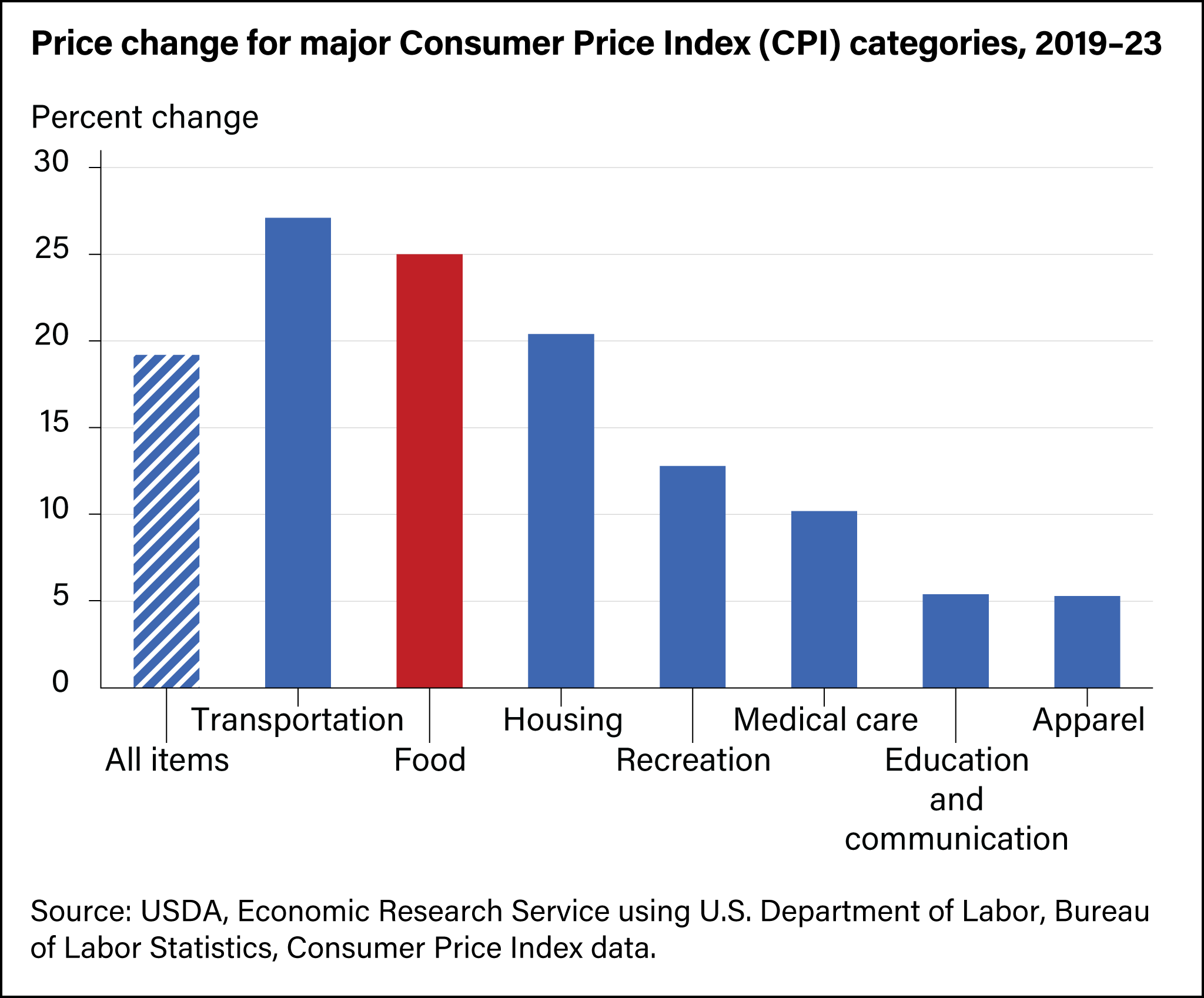
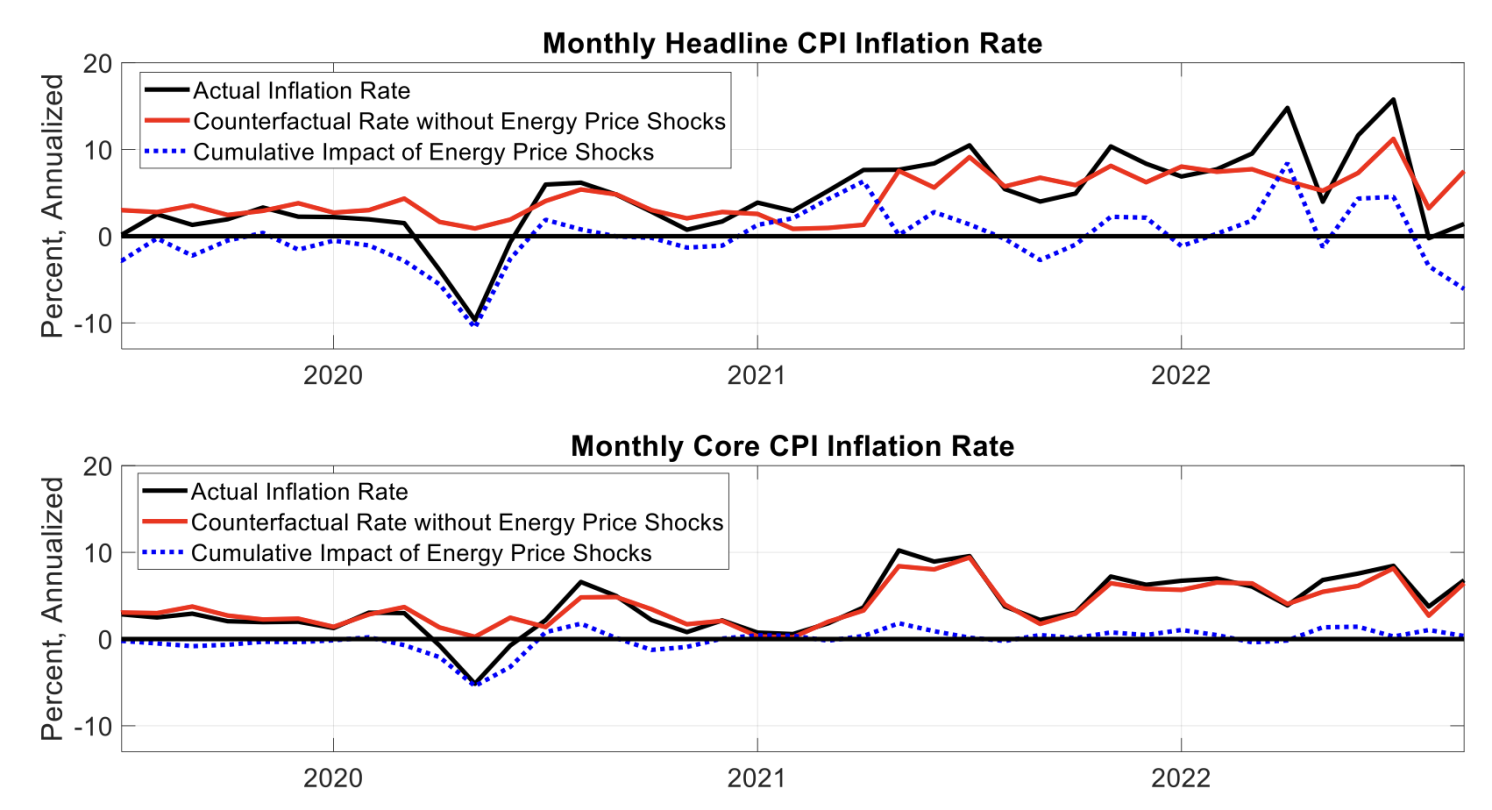
Energy prices play a significant role in determining inflation levels. When oil prices rise, transportation and production costs increase, leading to higher prices for goods and services.
For consumers in the United States and globally, this could mean rising fuel costs, more expensive groceries, and higher utility bills. Inflationary pressures may persist longer than expected, complicating efforts by central banks to stabilize the economy.
Businesses, particularly small and medium-sized enterprises, may struggle to absorb these increased costs. Many will be forced to pass them on to consumers, further contributing to inflation.
Strategic Responses: How Businesses and Governments Are Adapting
In response to these risks, companies and governments are taking proactive measures to strengthen supply chain resilience. Businesses are diversifying suppliers, increasing inventory levels, and exploring alternative shipping routes.
Governments are also working to secure energy supplies and reduce dependence on vulnerable regions. Investments in renewable energy and domestic production are gaining momentum as part of long-term strategies.
Additionally, technological solutions such as supply chain analytics and real-time tracking are helping companies anticipate disruptions and respond more effectively. These innovations are becoming essential tools in managing global trade risks.
Market Outlook: Risks, Opportunities, and Investor Strategy
From an investment perspective, rising tensions in the Strait of Hormuz present both risks and opportunities. Energy companies may benefit from higher oil prices, while sectors heavily reliant on global supply chains could face challenges.
Investors are closely monitoring developments to adjust their strategies. Diversification, risk management, and a focus on resilient industries are key considerations in this environment.
Opportunities may also emerge in sectors such as renewable energy, logistics technology, and domestic manufacturing, which are positioned to benefit from shifts in global trade dynamics.
A Defining Moment for Global Trade
The rising tensions around the Strait of Hormuz highlight the fragility of global trade systems and the importance of strategic planning. While it remains uncertain whether a full-scale disruption will occur, the risks are significant enough to warrant close attention.
For businesses, investors, and policymakers, this is a moment to prepare for potential challenges and adapt to a rapidly changing global landscape. The lessons learned from past disruptions can help build more resilient systems for the future.
As the situation evolves, staying informed will be critical in navigating the uncertainties ahead.
Subscribe to trusted news sites like USnewsSphere.com for continuous updates.