
Student Loan Shake-Up Is Reshaping Borrower Futures in 2026
Student Loan Shake-Up: US Treasury Takeover Plan Could Change Repayment Rules for Millions is quickly becoming one of the most impactful financial developments in the United States. With policymakers exploring a major shift in how student loans are managed—potentially moving oversight from the U.S. Department of Education to the U.S. Department of the Treasury—millions of borrowers could soon face a completely different repayment system.
This potential transition is not just administrative—it could redefine how Americans repay student debt, how defaults are handled, and how financial accountability is enforced. For borrowers already dealing with high balances and rising living costs, this shift introduces both uncertainty and opportunity.
As discussions intensify in 2026, understanding what’s happening—and what it could mean for your financial future—has never been more important.

Why the Treasury Takeover Is Being Considered
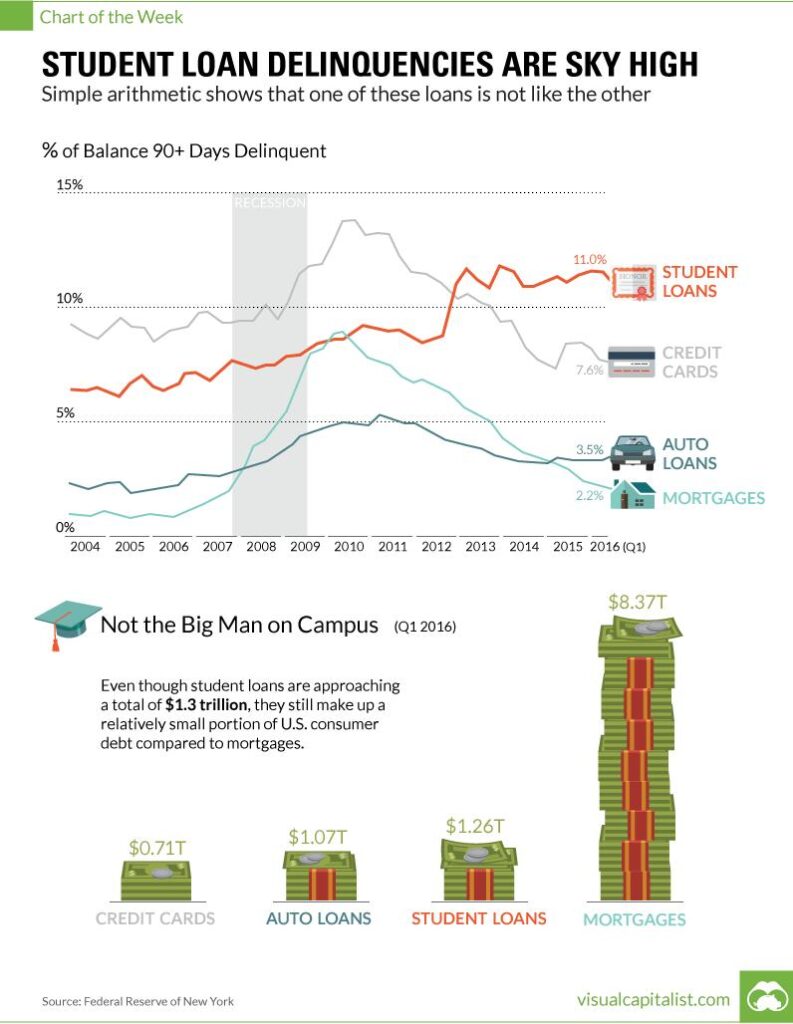
The idea of transferring student loan management to the Treasury stems from growing concerns about inefficiencies in the current system. The existing structure under the U.S. Department of Education has faced criticism for complex repayment plans, inconsistent servicing, and rising default rates.
The U.S. Department of the Treasury, on the other hand, already manages large-scale financial operations, including tax collection and federal payments. Supporters of the shift argue that the Treasury has the infrastructure and data capabilities to streamline repayment processes, improve enforcement, and reduce fraud.
Another key factor is the scale of the student loan crisis itself. With total U.S. student debt exceeding $1.7 trillion, policymakers are under pressure to create a system that is both efficient and sustainable.
How Repayment Rules Could Change for Borrowers
If the Treasury takes over, repayment rules could undergo significant changes.
One potential shift involves stricter enforcement. Because the Treasury has access to tax data and income records, it could implement more automated repayment systems tied directly to earnings. This could reduce missed payments—but also limit flexibility for borrowers facing financial hardship.
Another likely change is the simplification of repayment plans. The current system includes multiple income-driven repayment options, which many borrowers find confusing. A Treasury-led system may streamline these into fewer, more standardized plans.
There is also speculation about increased use of wage garnishment or tax refund offsets for borrowers in default. While this could improve repayment rates, it raises concerns about financial strain on already vulnerable households.
The Impact on Millions of Americans
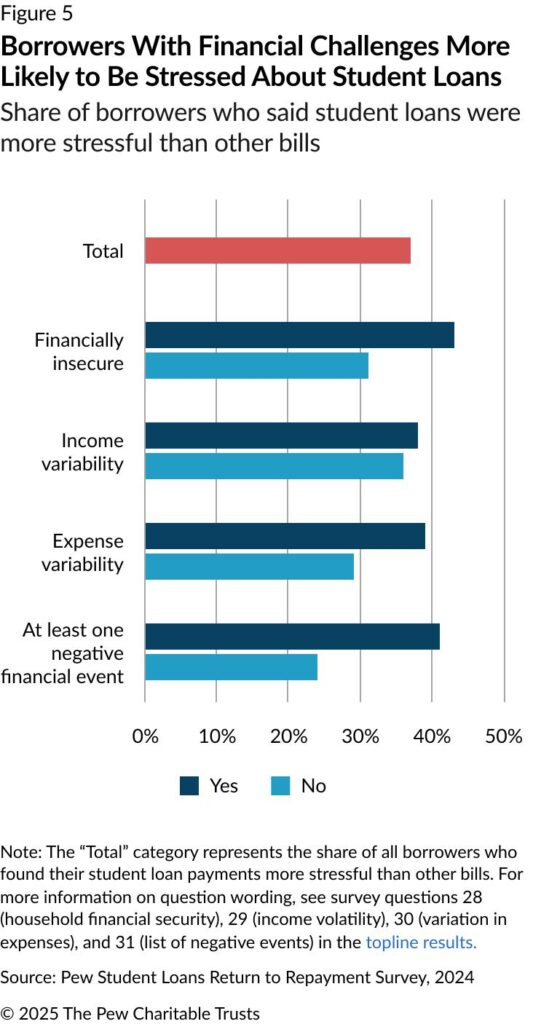
For millions of Americans, this shift could have immediate and long-term consequences.
Borrowers currently enrolled in income-driven repayment plans may see adjustments to how their payments are calculated. This could result in higher or lower monthly payments depending on the new system’s structure.
Those in default could face faster and more aggressive collection efforts. The Treasury’s existing tools for debt recovery are more direct than those currently used by student loan servicers.
On the other hand, some borrowers may benefit from a more transparent and efficient system. Faster processing, clearer rules, and better integration with financial data could reduce confusion and improve overall outcomes.

Economic and Policy Implications
The proposed shift also has broader implications for the U.S. economy.
Student loan debt affects consumer spending, homeownership rates, and overall economic mobility. Changes to repayment systems could influence how borrowers allocate their income, potentially impacting sectors like housing and retail.
From a policy perspective, the move reflects a growing trend toward centralizing financial oversight. By placing student loans under the Treasury, the government could gain greater control over repayment flows and debt management.
However, critics argue that this approach may prioritize repayment efficiency over borrower protection. Balancing these priorities will be a key challenge for policymakers.
Risks and Concerns Surrounding the Proposal
Despite its potential benefits, the Treasury takeover plan is not without risks.
One major concern is the loss of borrower protections. The current system includes options for deferment, forbearance, and forgiveness programs. It remains unclear how these would be handled under a Treasury-led model.
Another issue is data privacy. Integrating student loan data with tax and income records could raise concerns about how personal financial information is used and protected.
There is also the risk of unintended consequences. Rapid changes to repayment systems could create confusion, especially for borrowers already struggling to navigate the current system.

What This Means for You
If you’re a student loan borrower, this development could directly affect your financial future.
It’s important to stay informed and review your current repayment plan. Understanding your options now can help you adapt more easily if changes are implemented.
Consider building a financial buffer and exploring ways to reduce your debt faster. Even small extra payments can make a significant difference over time.
Most importantly, be proactive. Waiting until changes are finalized could limit your ability to respond effectively.
Investor Takeaway
While student loans may not seem like a traditional investment topic, they have significant implications for the broader economy.
Changes to repayment systems could affect consumer spending patterns, which in turn impact various industries. Investors should watch sectors like banking, retail, and housing for potential ripple effects.
Additionally, companies involved in loan servicing and financial technology may experience shifts in demand depending on how the new system is structured.
Future Outlook
Looking ahead, the future of student loan management in the United States remains uncertain.
The Treasury takeover proposal is still under discussion, and its final form could differ significantly from initial plans. However, the direction is clear: policymakers are seeking more efficient ways to manage the growing student debt burden.
Technological integration, data-driven decision-making, and centralized oversight are likely to play a larger role in the years ahead.
For borrowers, this means adapting to a changing financial landscape. For the economy, it represents another step toward a more interconnected and data-driven system.
Conclusion: A Defining Moment for Student Loan Policy
The potential shift of student loan management to the Treasury marks a pivotal moment in U.S. financial policy. It reflects the urgency of addressing a massive and complex issue that affects millions of Americans.
While the outcome remains uncertain, one thing is clear: change is coming. By staying informed and preparing for different scenarios, borrowers can navigate this transition more effectively.
As the conversation continues, this issue will remain at the forefront of economic and political discussions in 2026 and beyond.
Subscribe to trusted news sites like USnewsSphere.com for continuous updates.